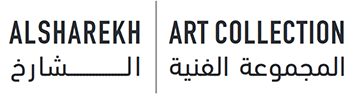
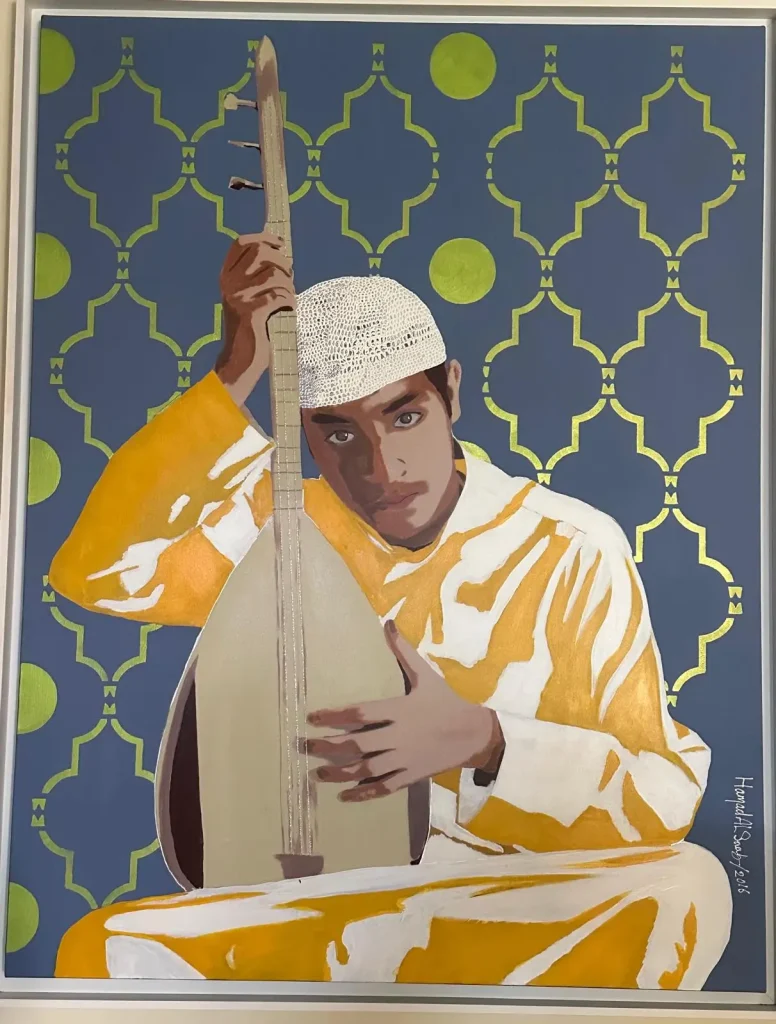
Hamad AlSaab
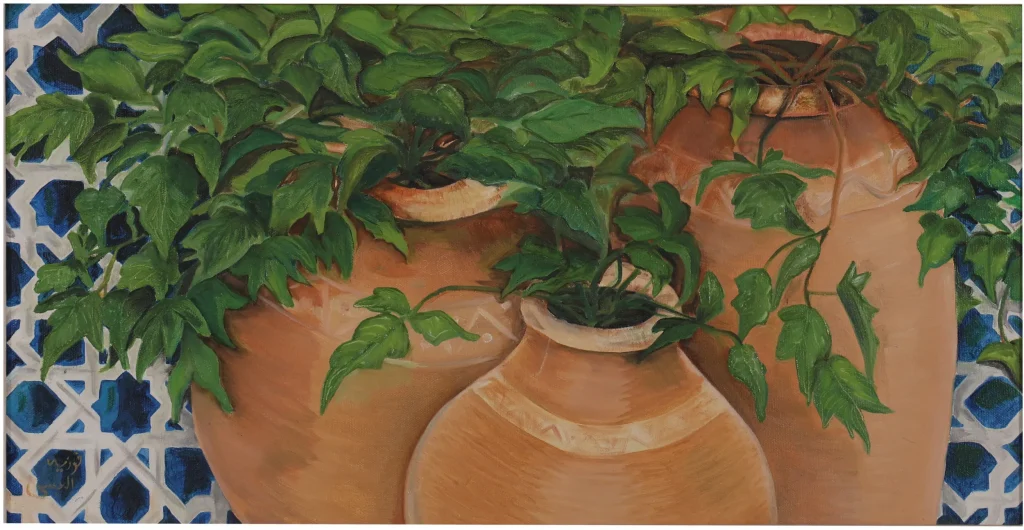
Fawzia AlEssa
Harshada
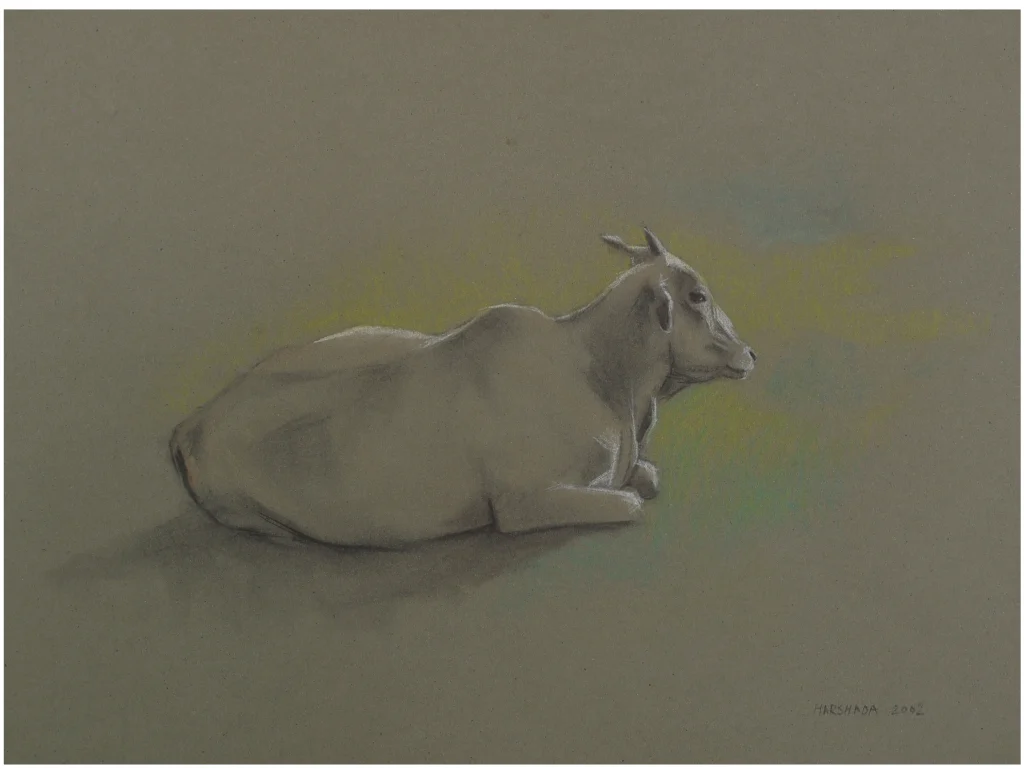
Harshada
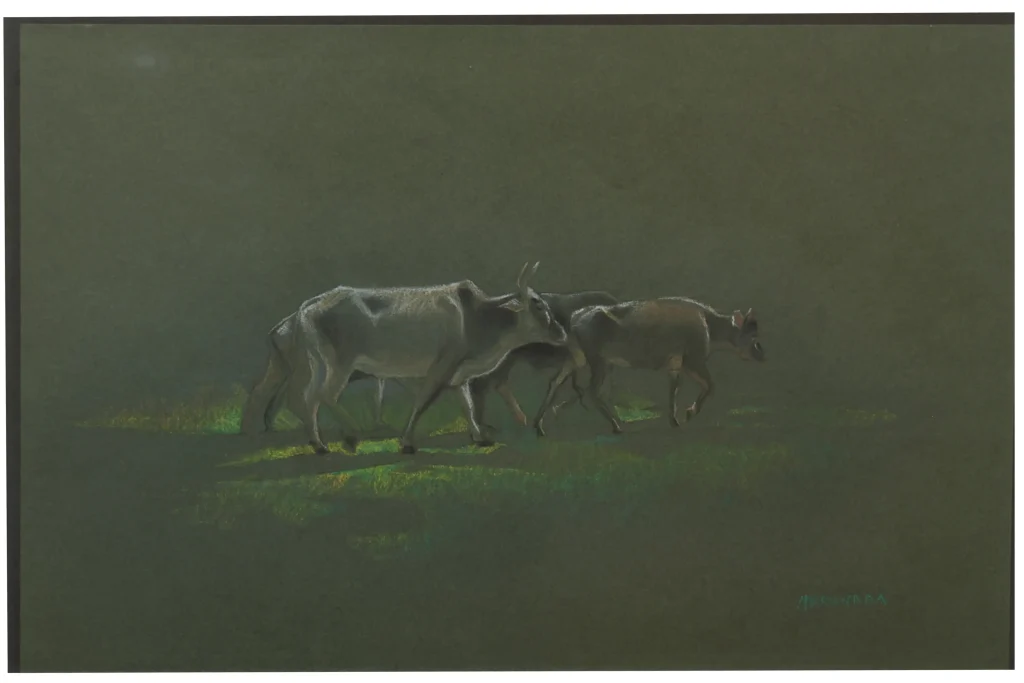
Mai AlNouri
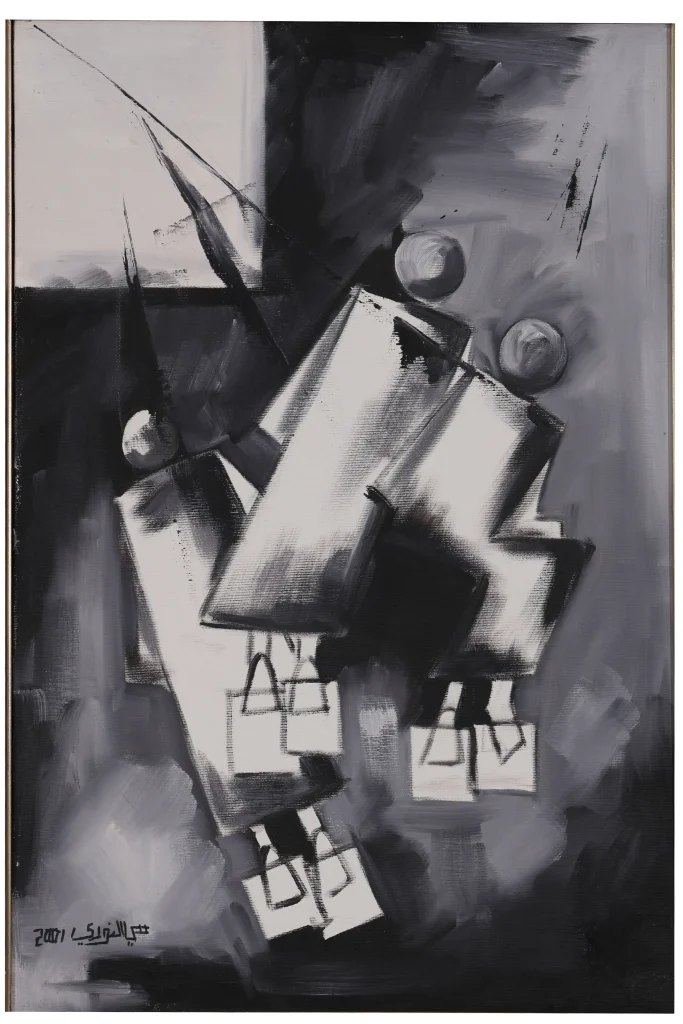
Mai AlNouri
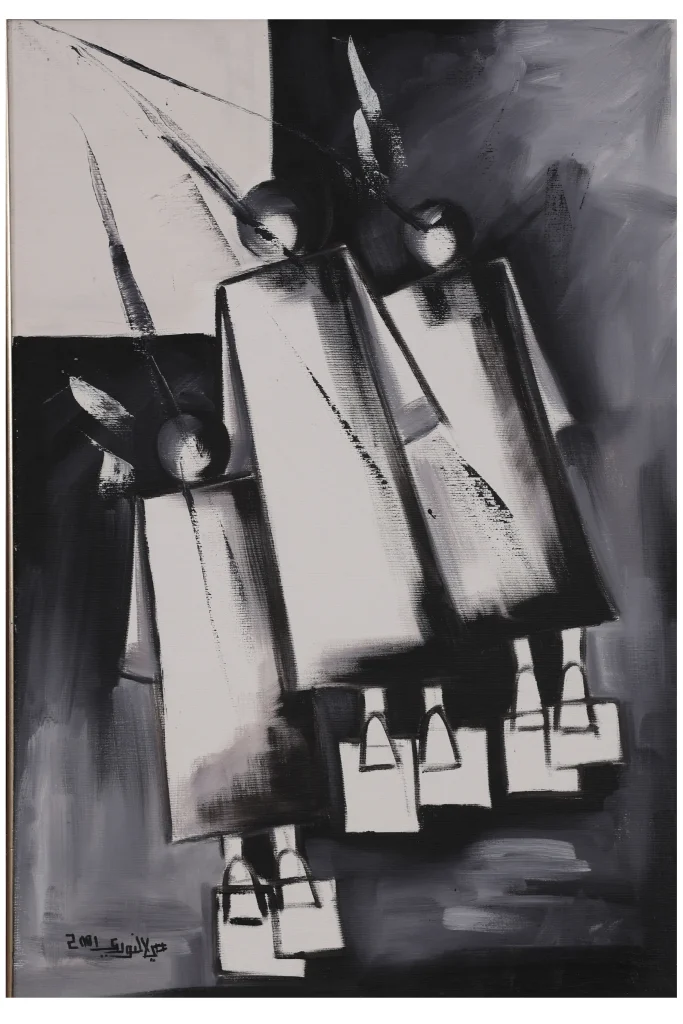
Edli Rizkallah
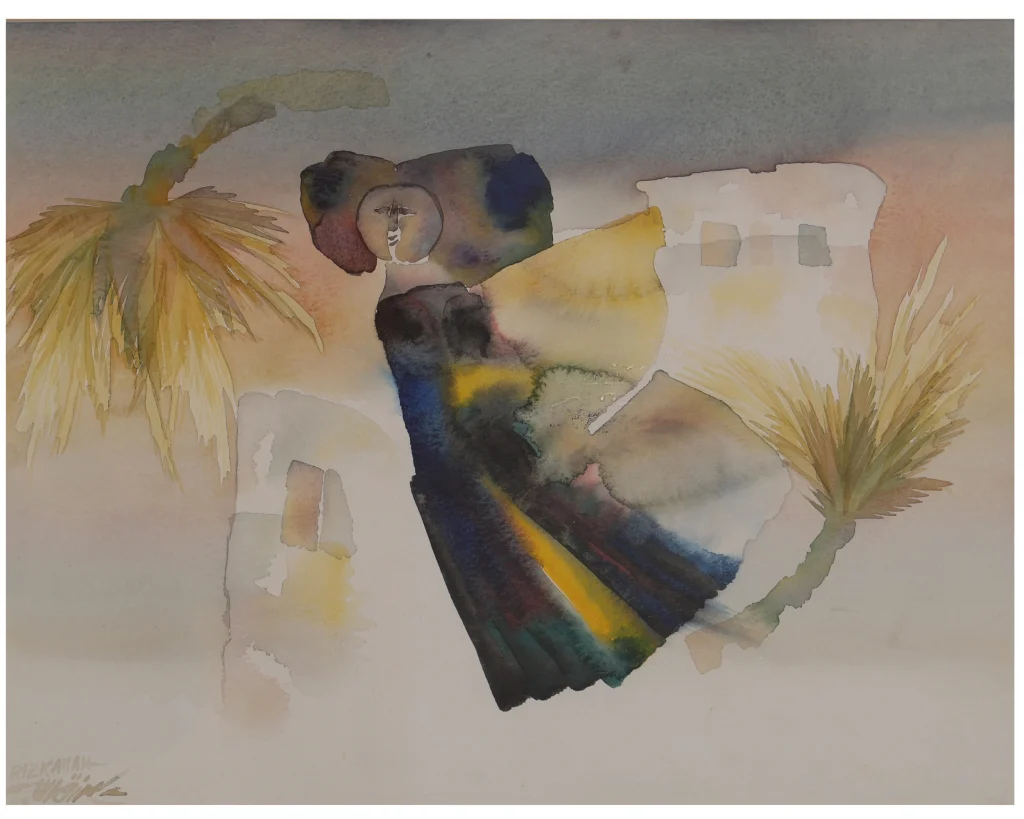
Etab Hreib

Reda Abdelrahman

Reda Abdelrahman
Reda Abdelrahman
Hamed Abdullah Hamed
Mohammed Abdullah
Mohammed Abdullah
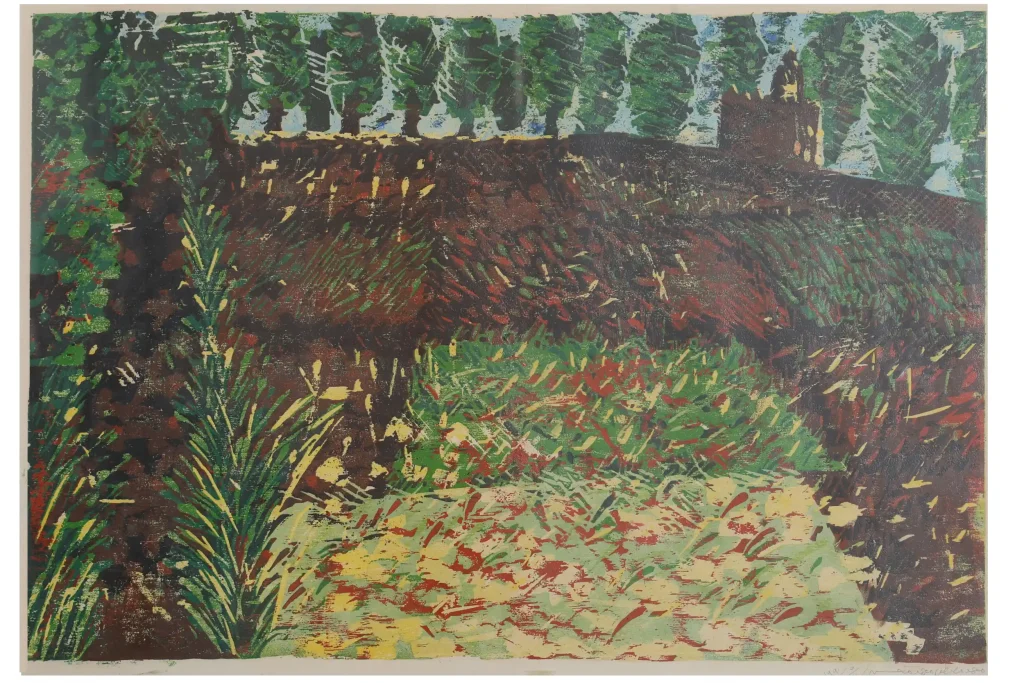
Mohammed Abdullah
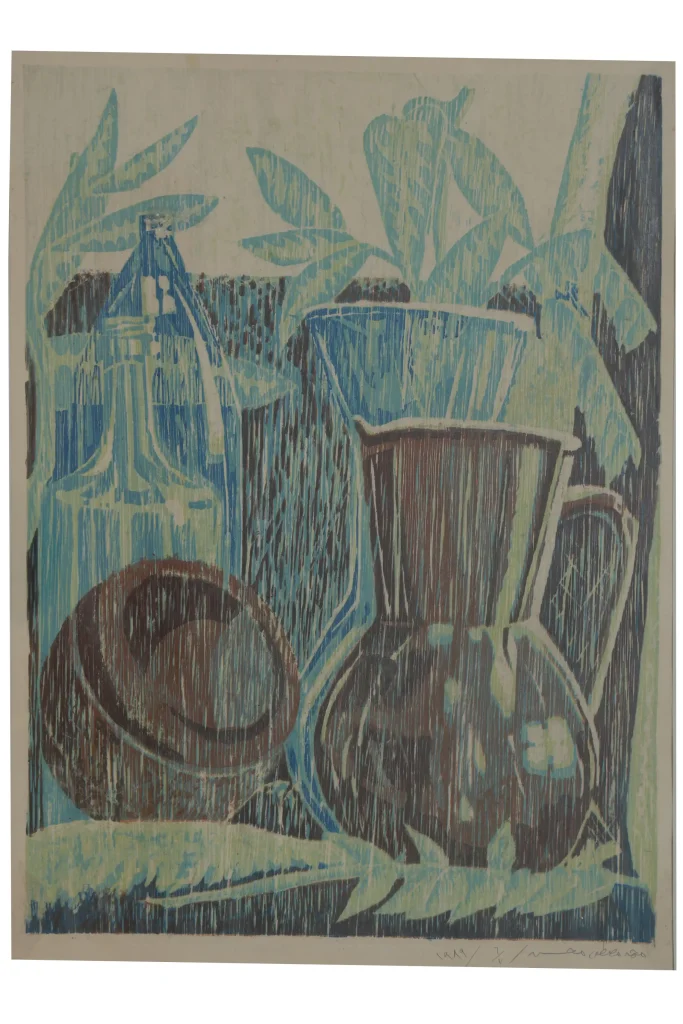
Hutoon
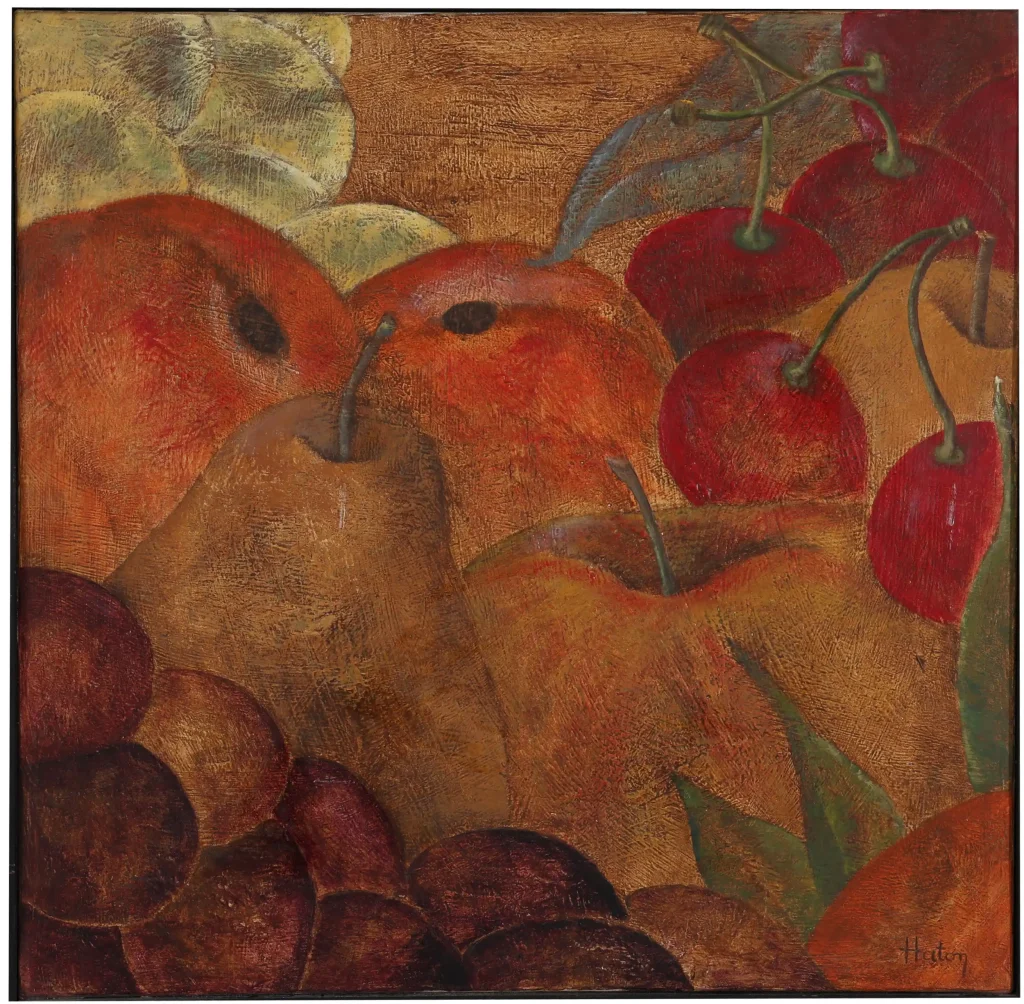
Hutoon
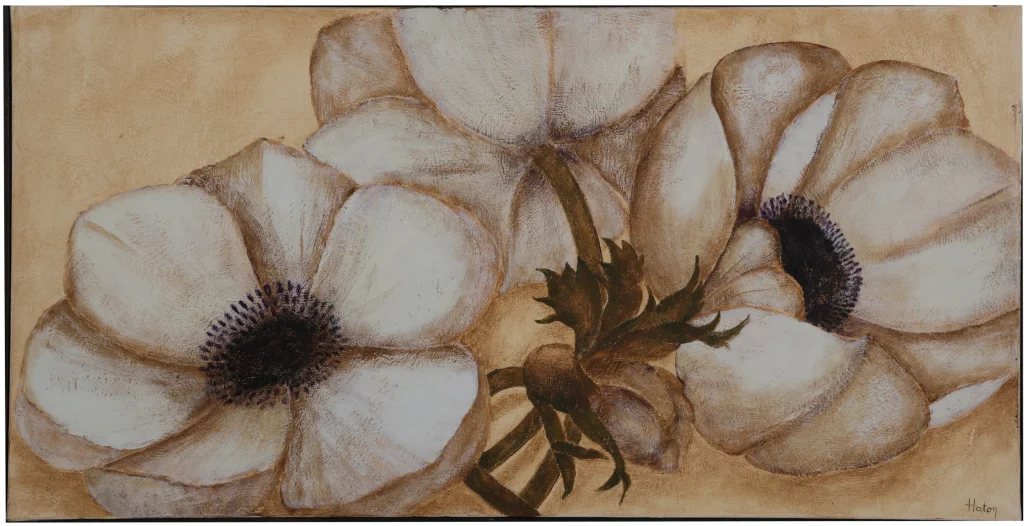
Al-Kattami
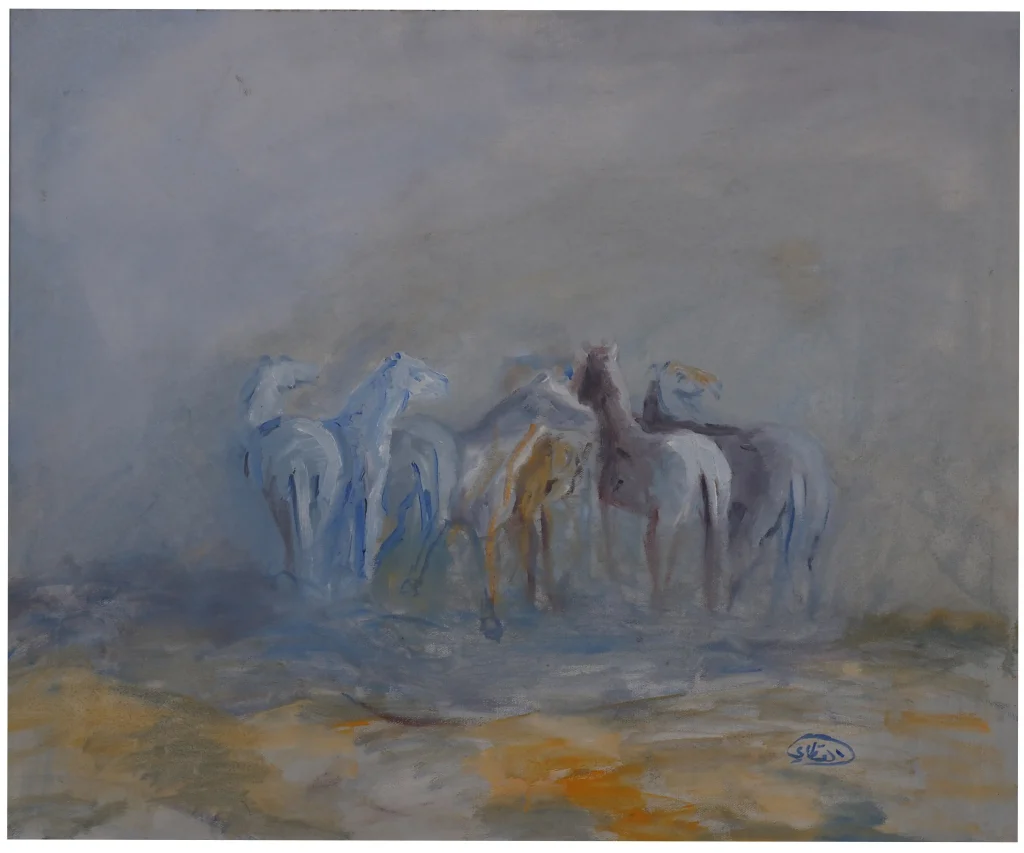
Hanaa 2002
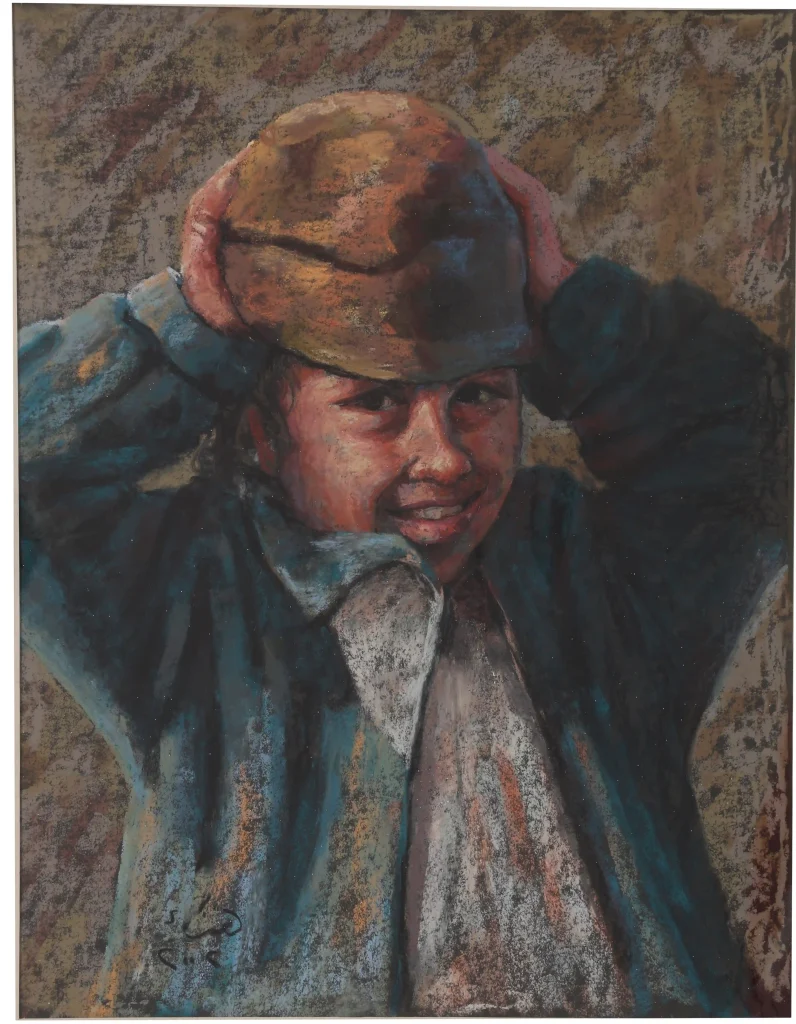
Mohamed Qadid 1999
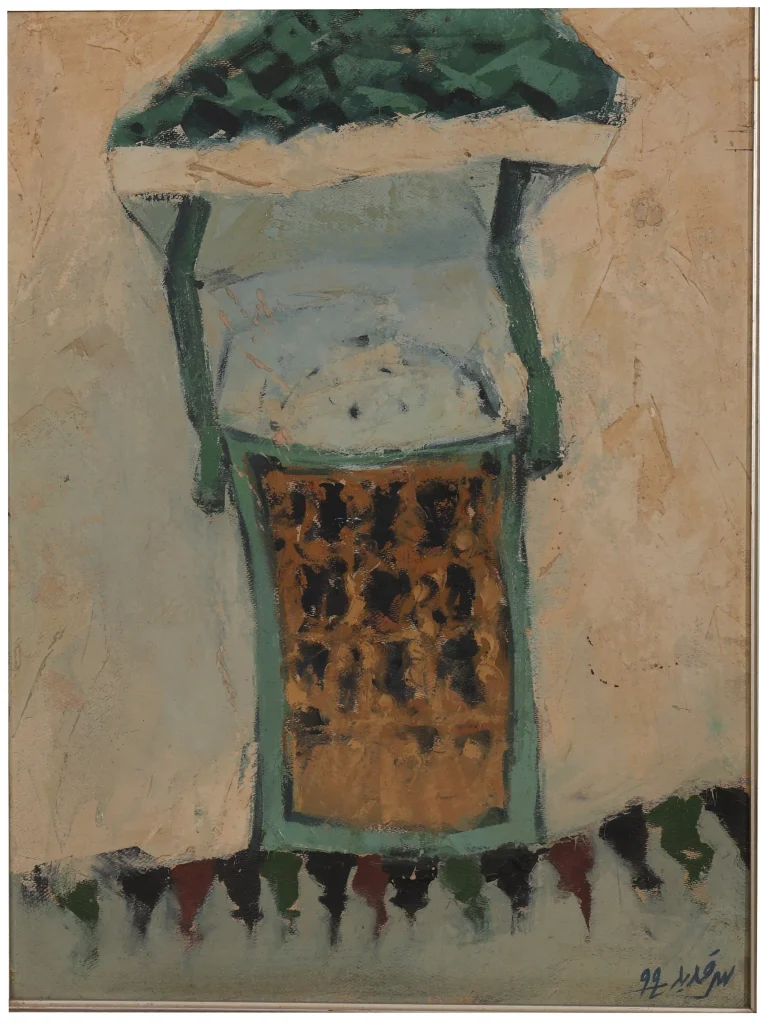
Gameel Shafik 1994
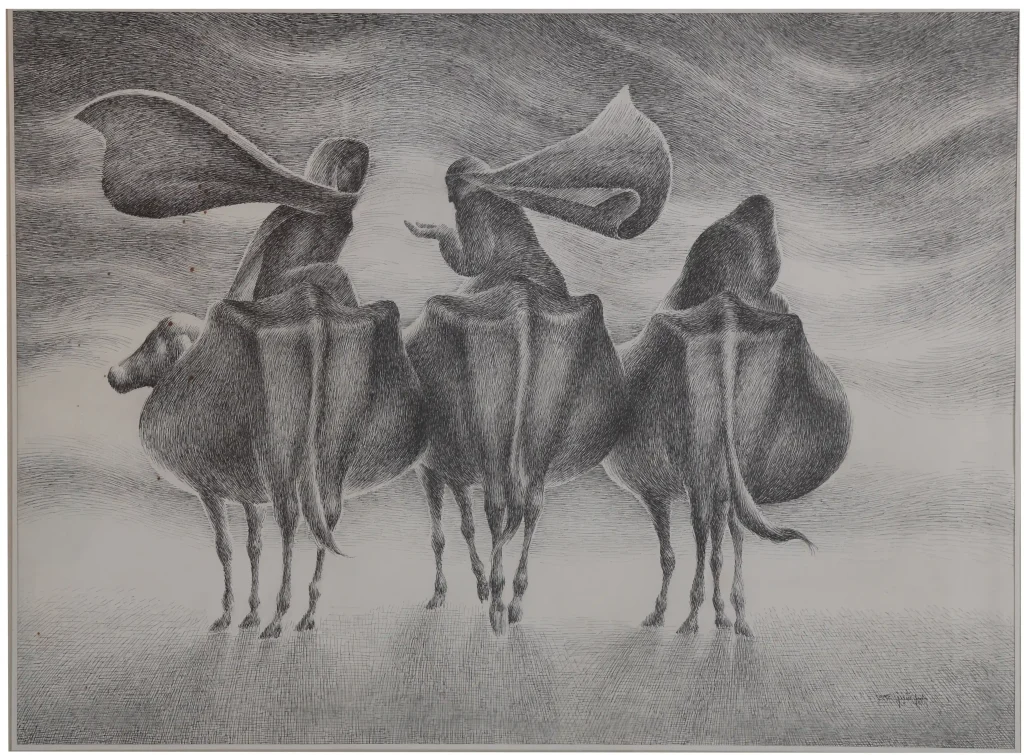
Jalal Al Hoseini 1996-2
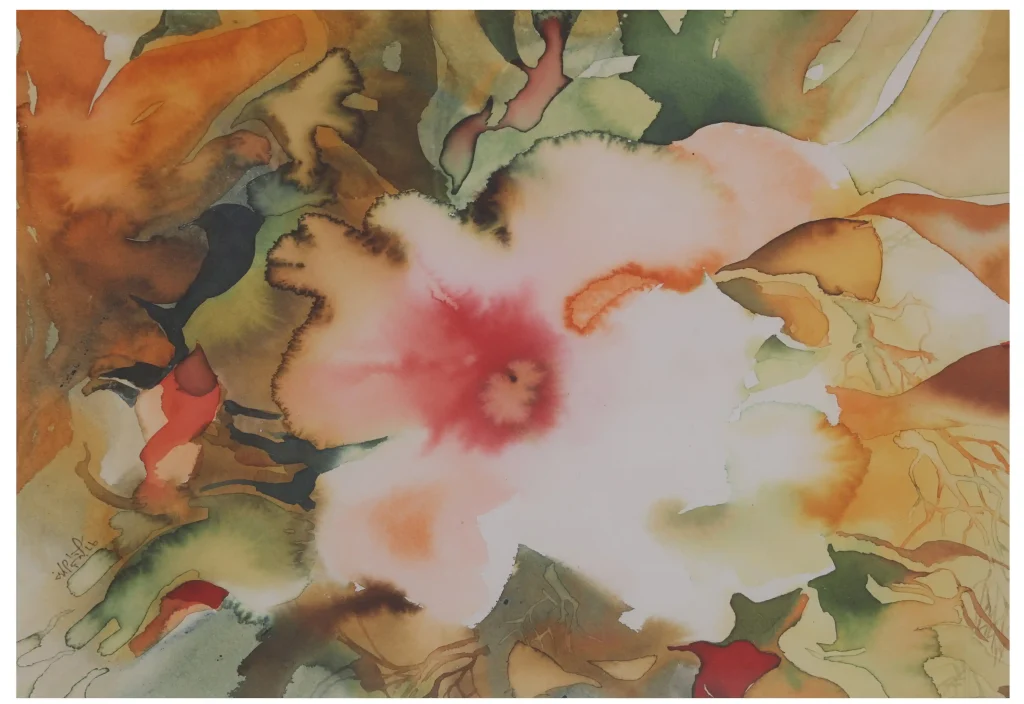
Jalal Al Hoseini 1996
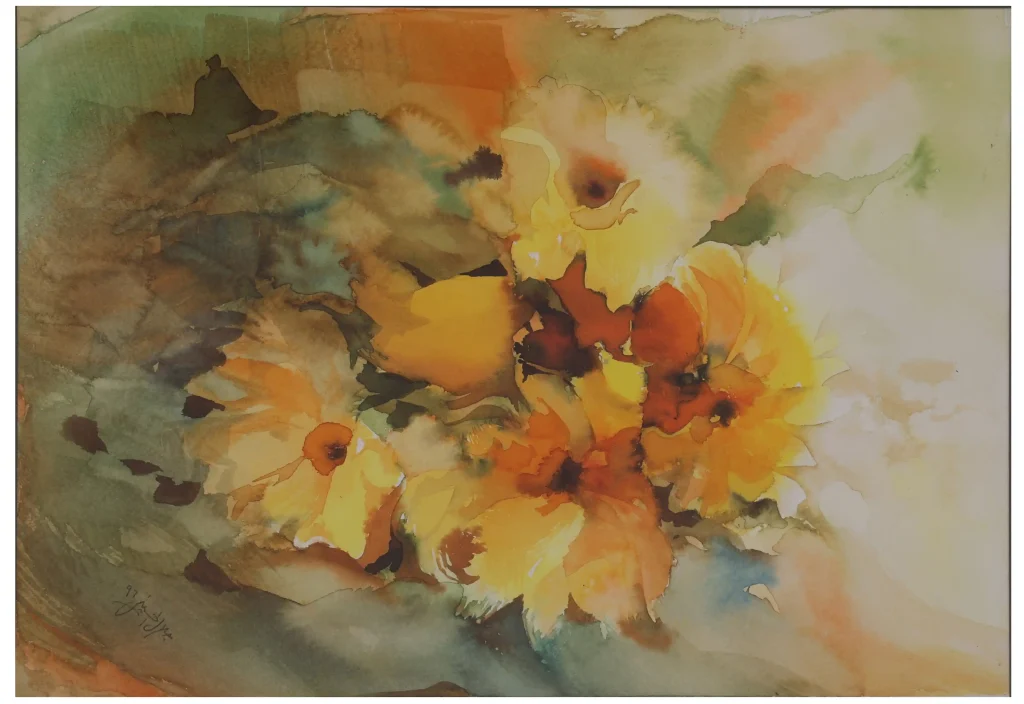
Bana Abdel Rahman 2004
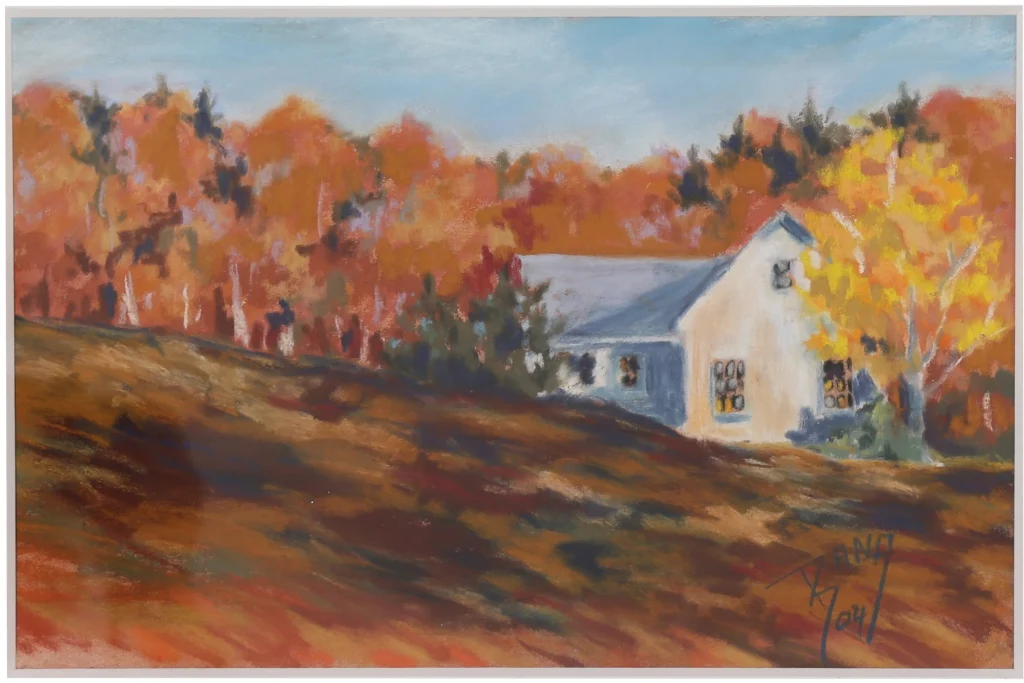
Adel El-Siwi 2005
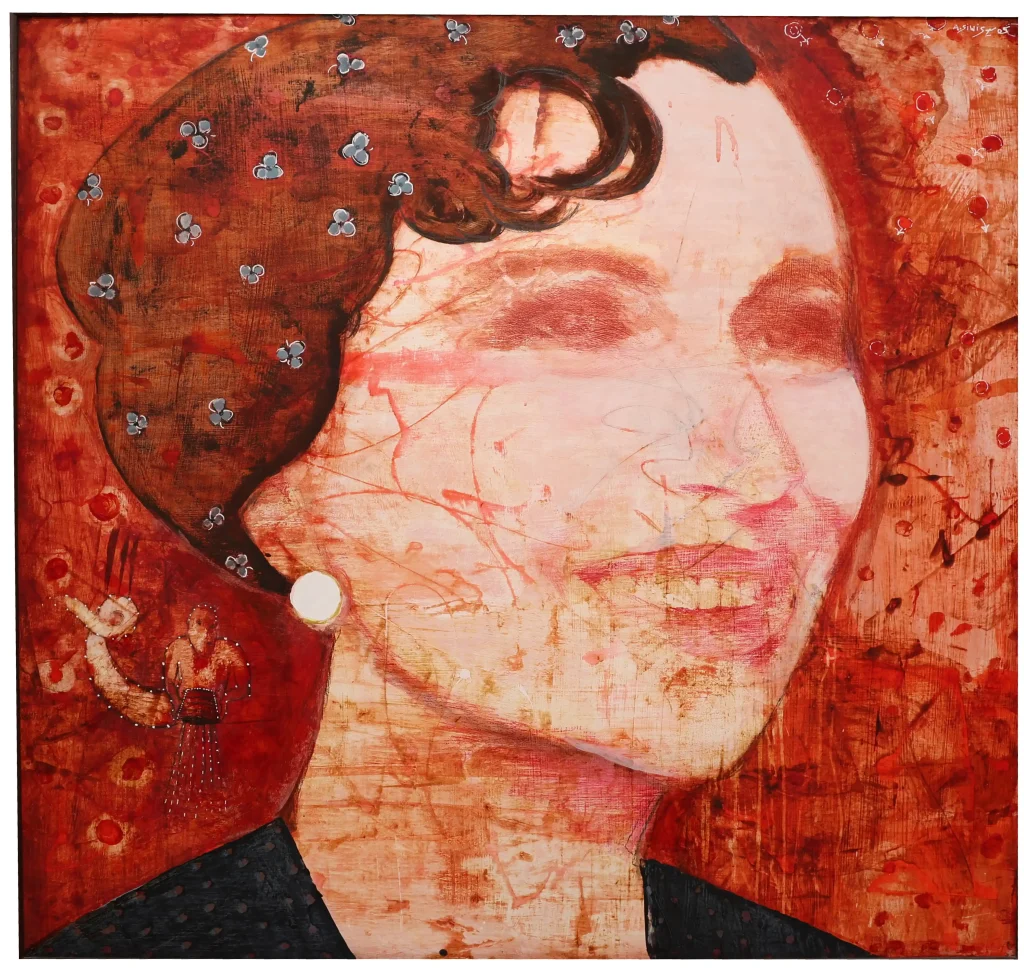
Adam Hanein
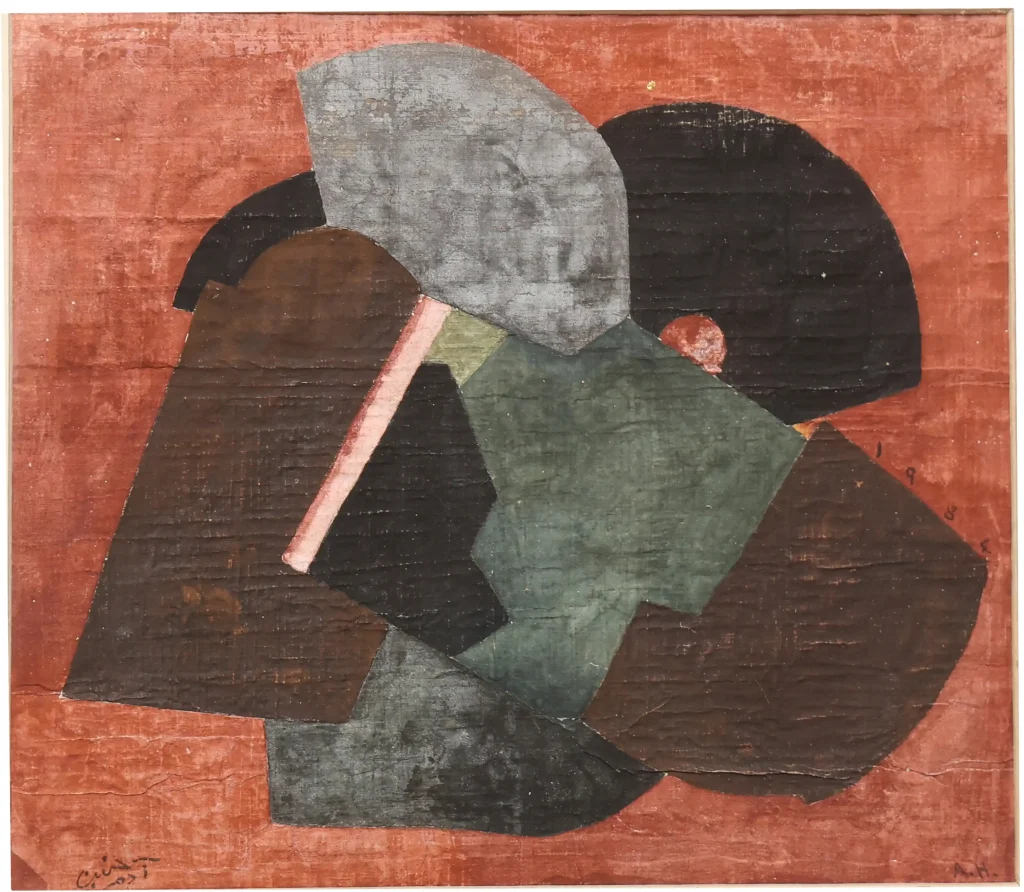
Amani Zahran
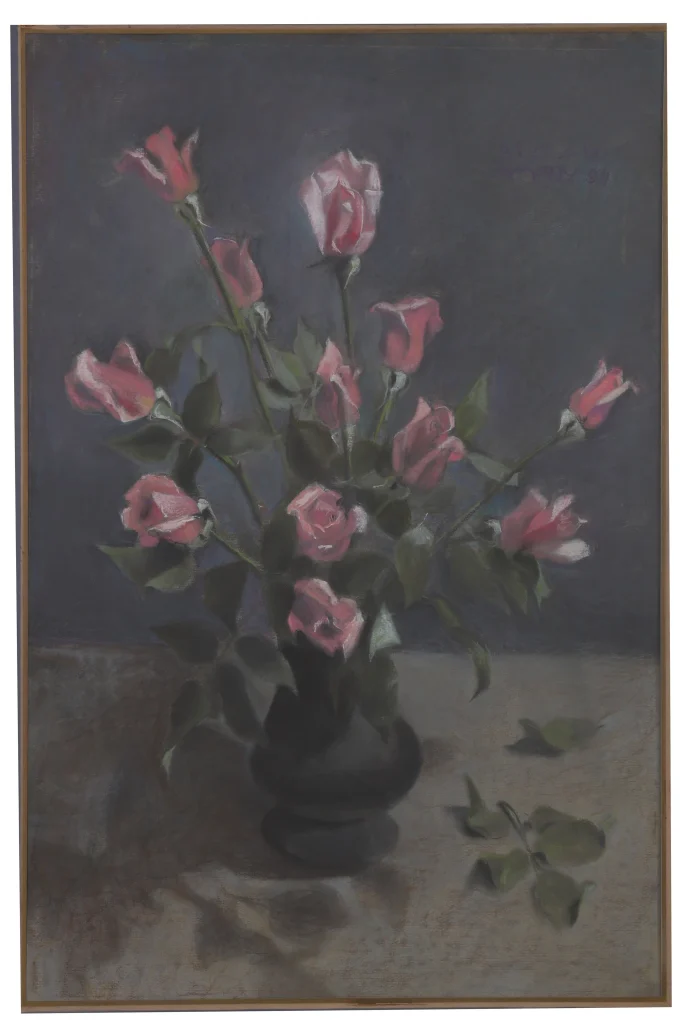
Amani Zahran 1996
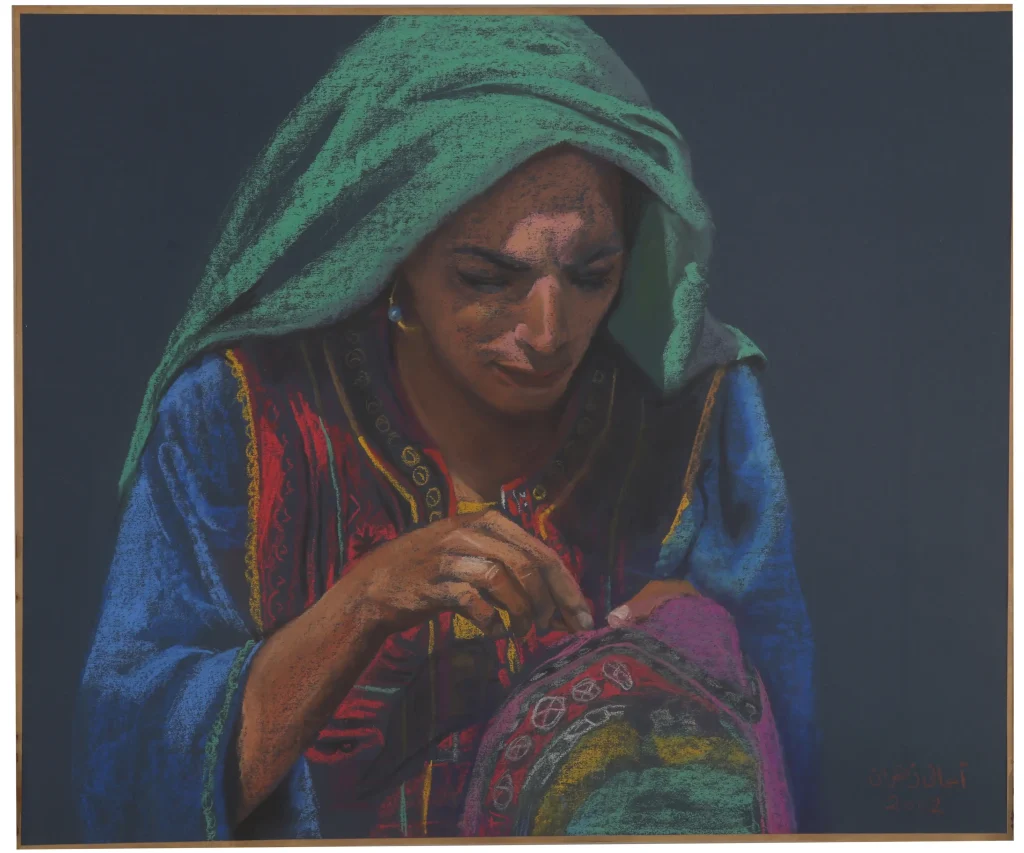
Ardash Kakafian 1975
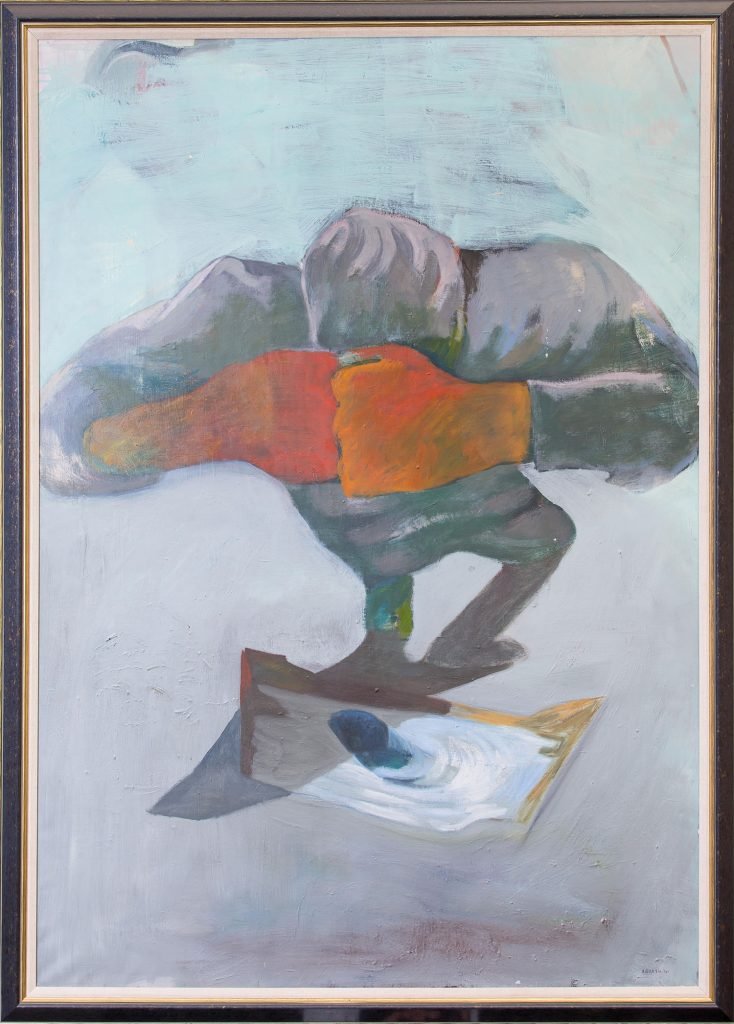
Ahmed Abdel Wahab
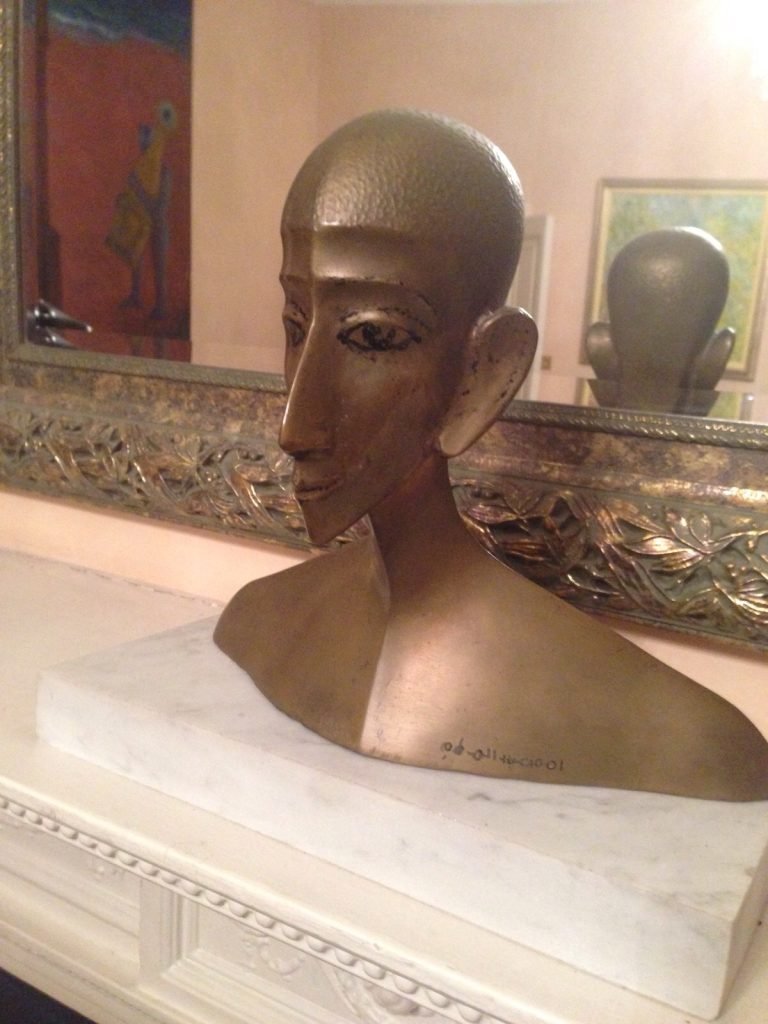
Ahmed Abdel Wahab was drawn to figures in whom he perceived noble and divine features that embodied a spirit of contemplation and piety.
Ahmed Abdel Wahab
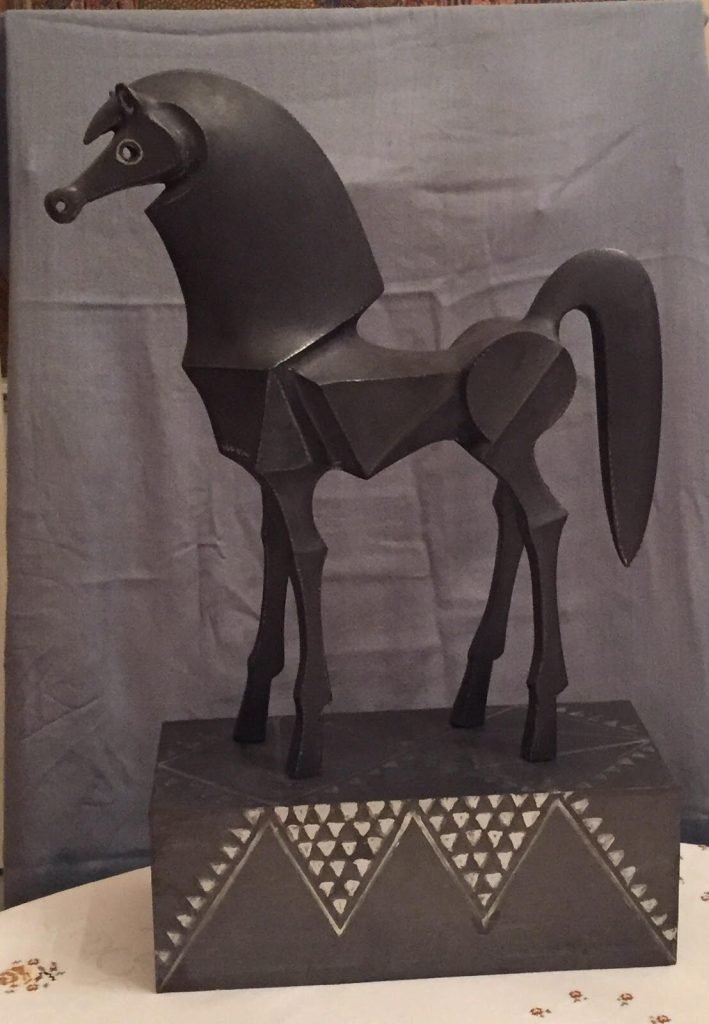
He devoted his art to the pursuit of a contemporary model of Egyptian sculpture. The contemporary horse is a recurring figure in his work that he created in different forms in small scale and large scale.
Shaker Hassan Al-Said 1987
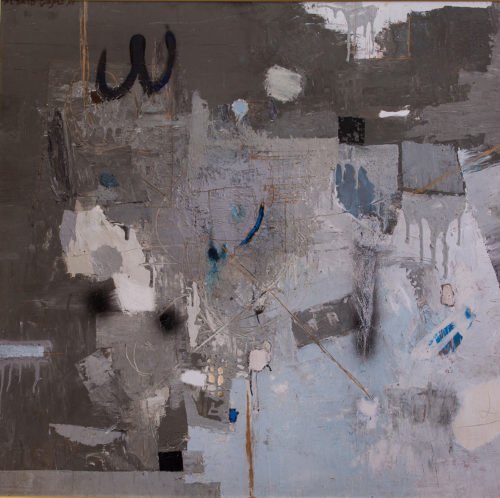
Ahmed Morsi 1982
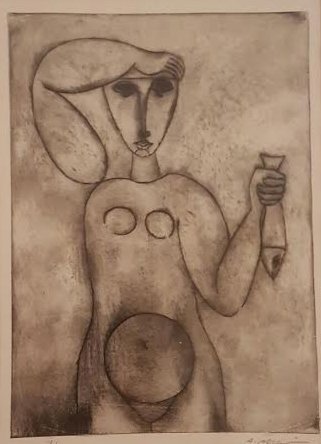
Ahmed Morsi 1994
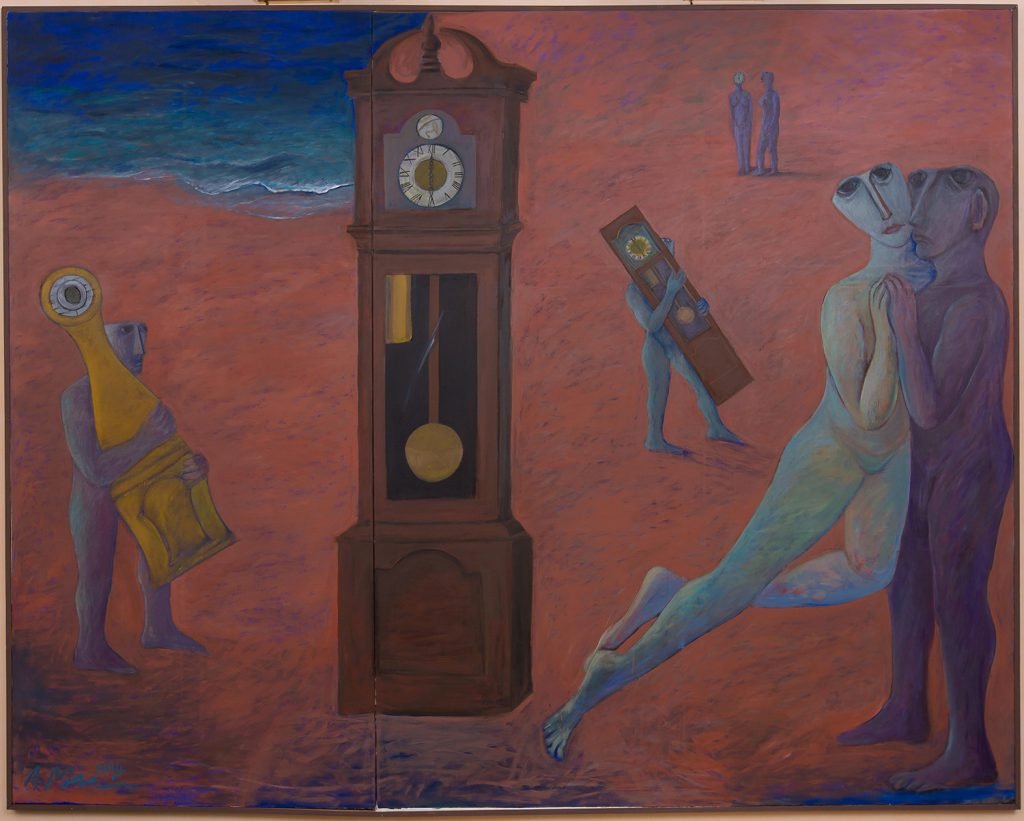
Typical of Morsi’s paintings are wide open spaces. His color scheme is usually dominated by a combination of muted colors overlaid by darker shades of blue, green and gray.
Ahmed Morsi 1994
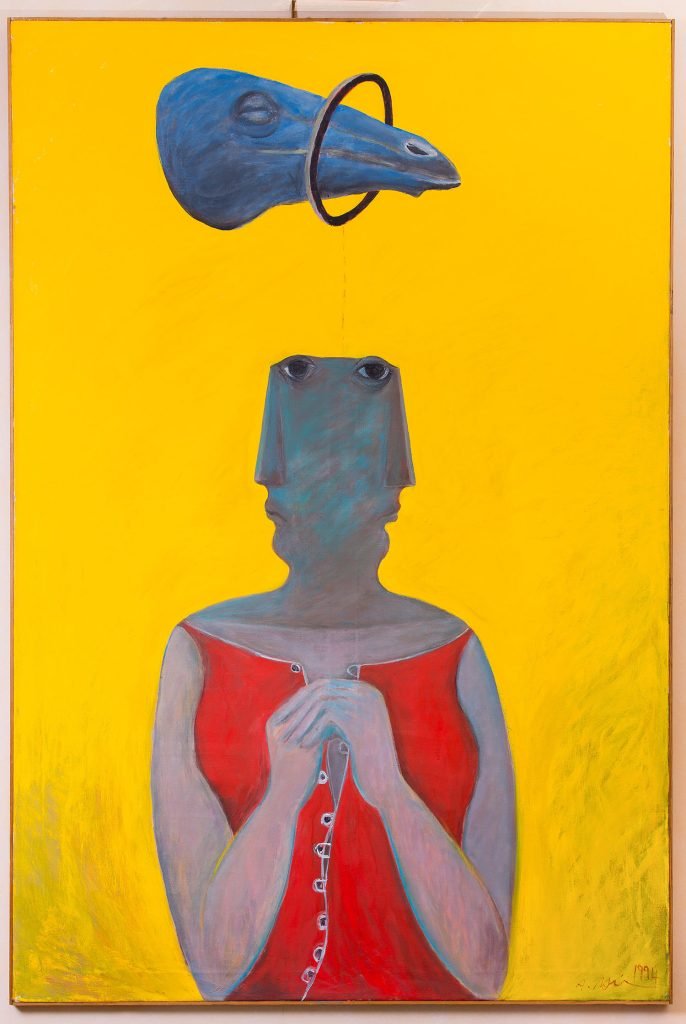
Morsi’s contrasting use of color adds a special quality to his representation of women figures, and which tend to be brighter than his masculine figures.
Ahmed Morsi 1994
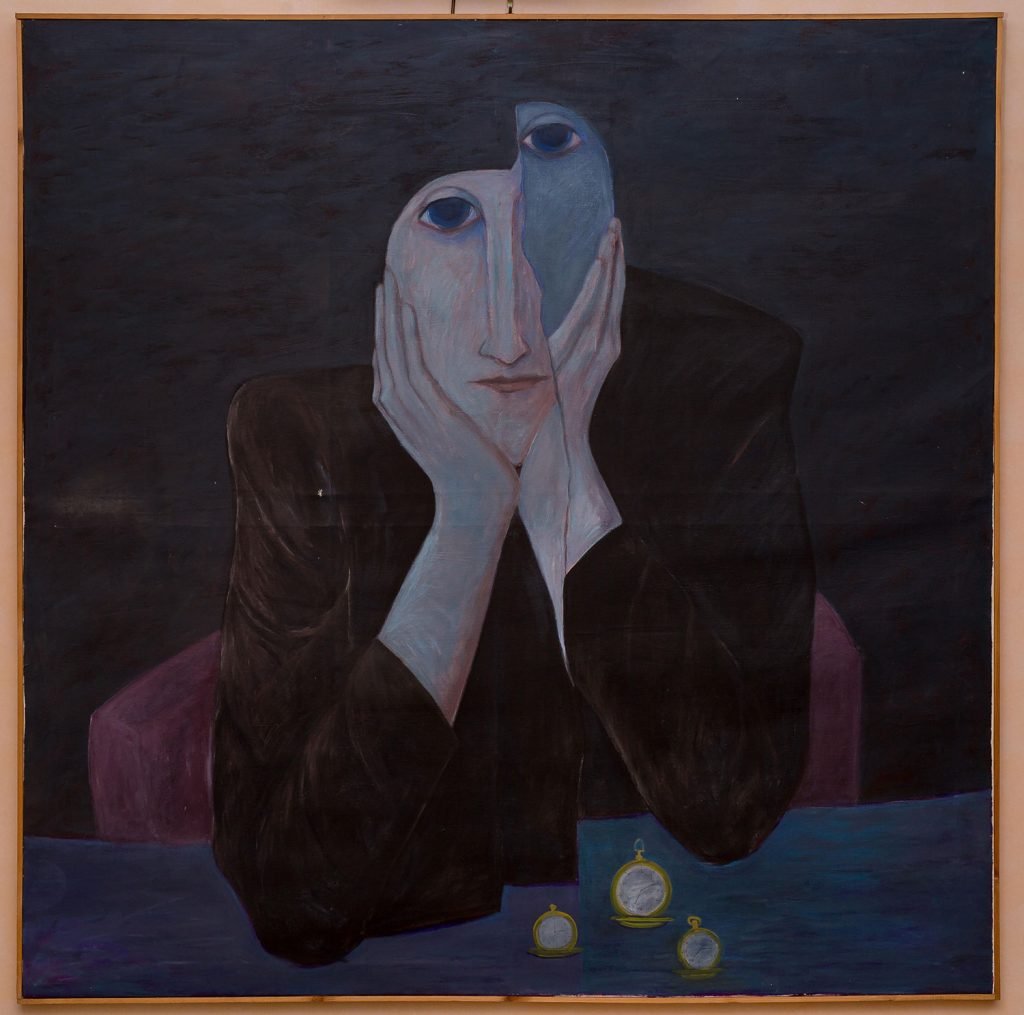
Many of Morsi’s paintings are identified by their inclusion of clocks, which are reminiscent of European Surrealist paintings, time is suspended.
Ahmed Morsi 1989
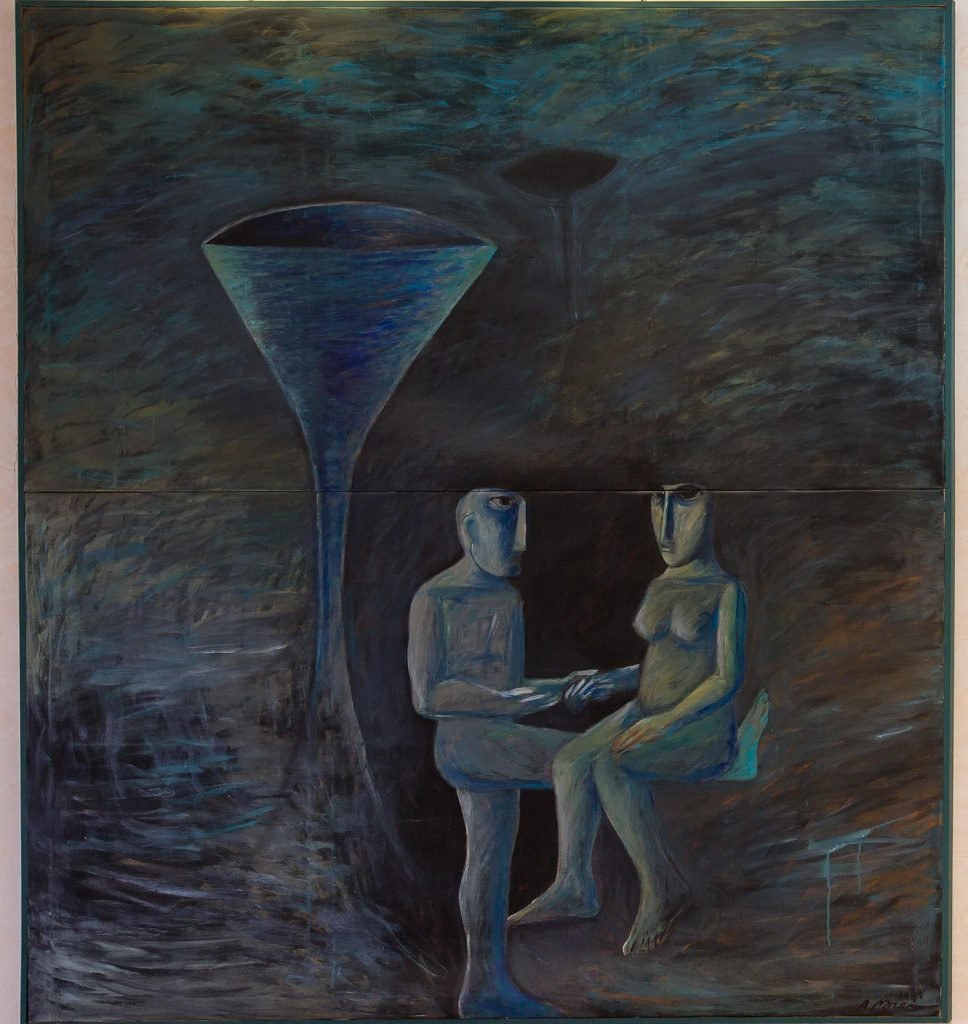
When dealing with time, a major concentration in his work, Morsi focuses on relationships and transitions in the human condition.
Gameel Shafik 1999
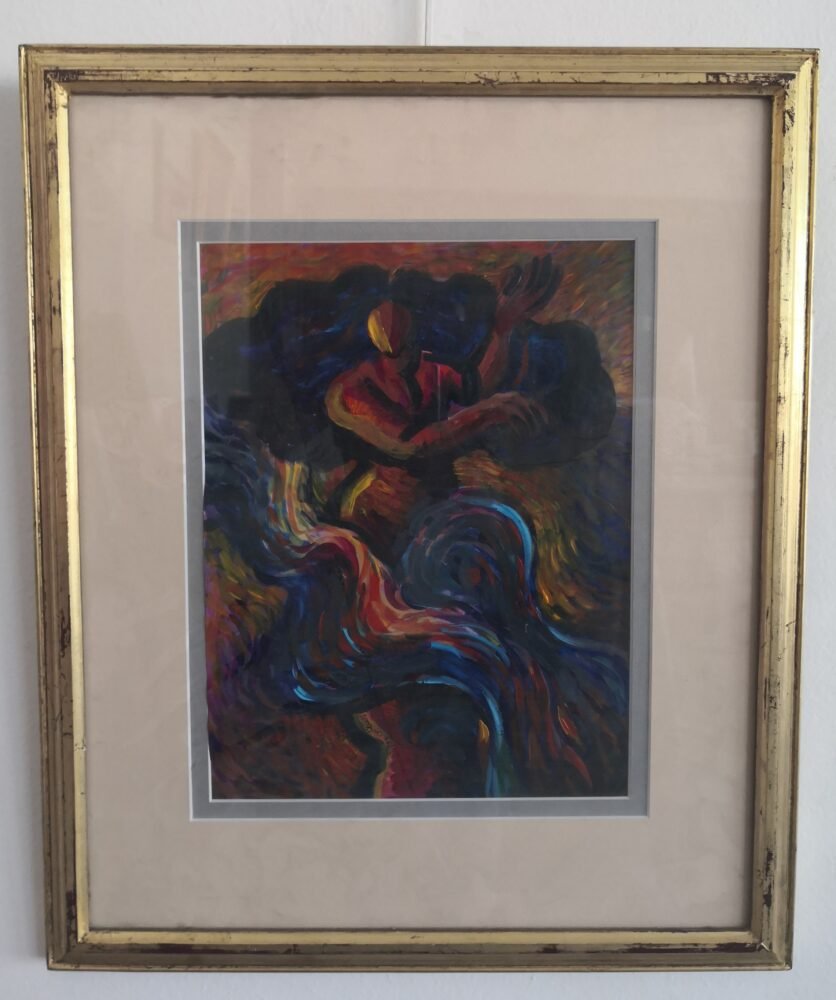
Gameel Shafik
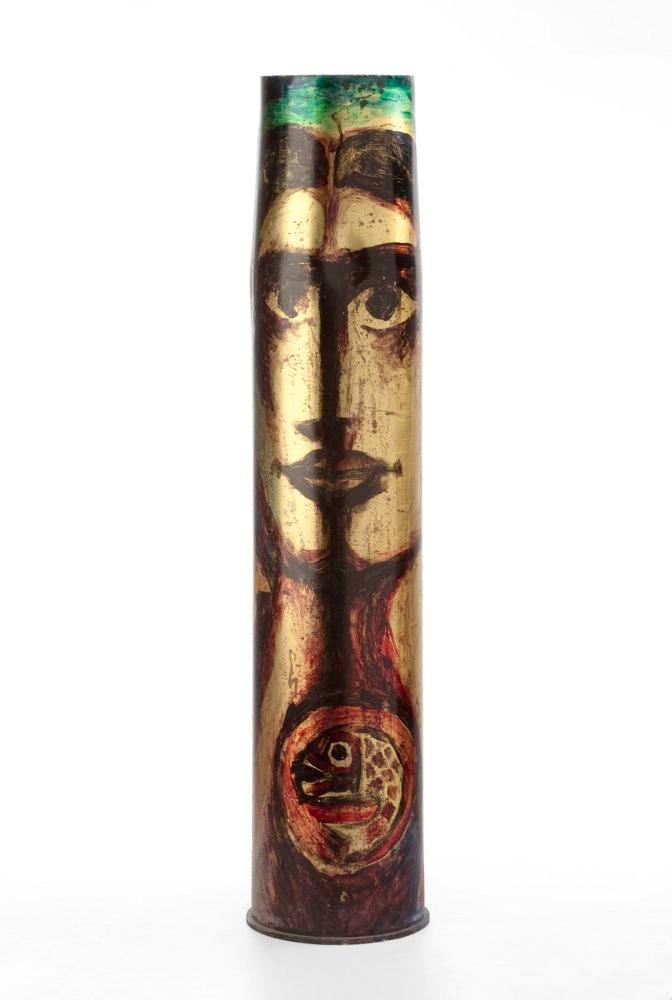
Gameel Shafik
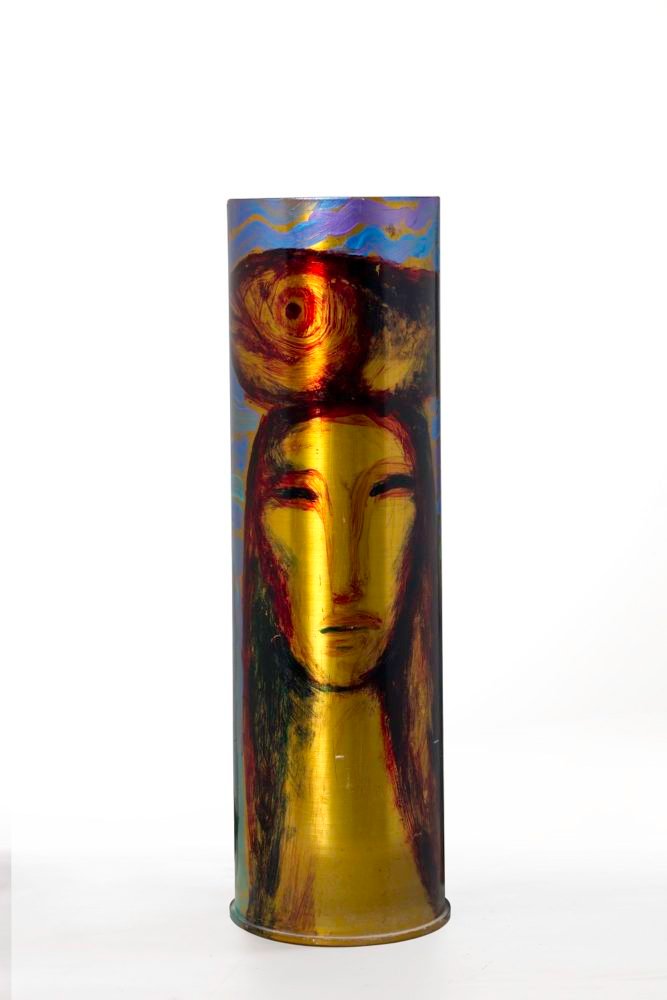
Gameel Shafik
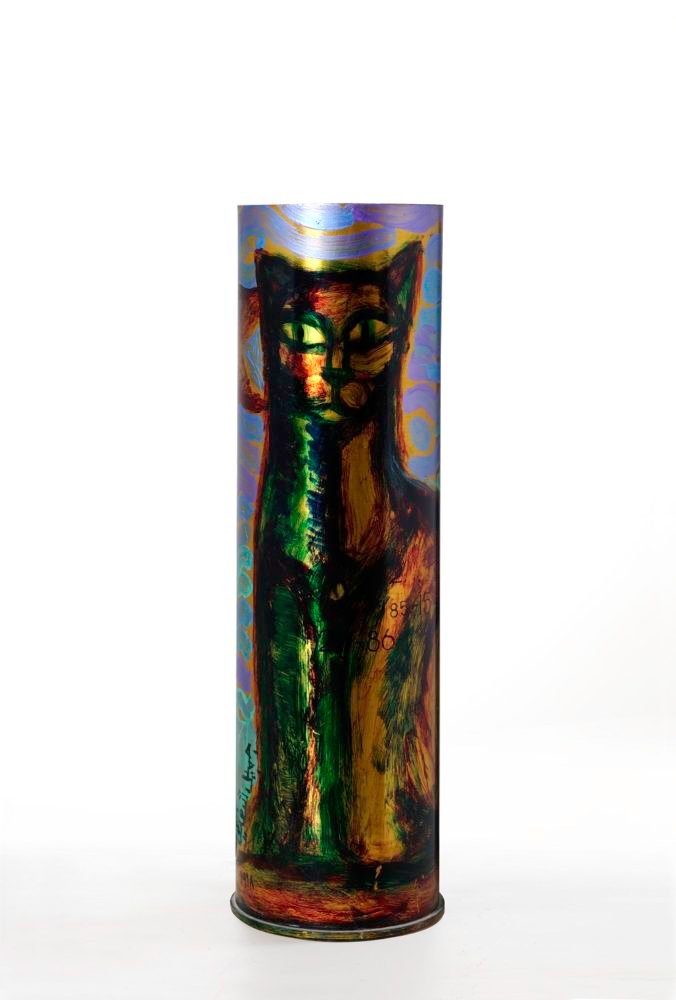
Gameel Shafik
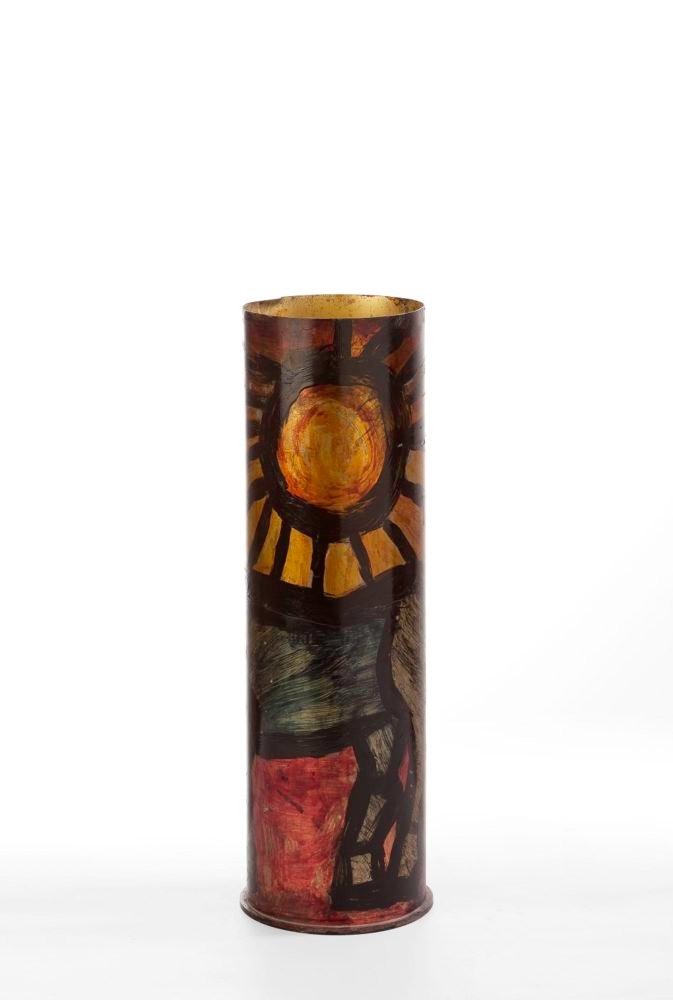
Gameel Shafik
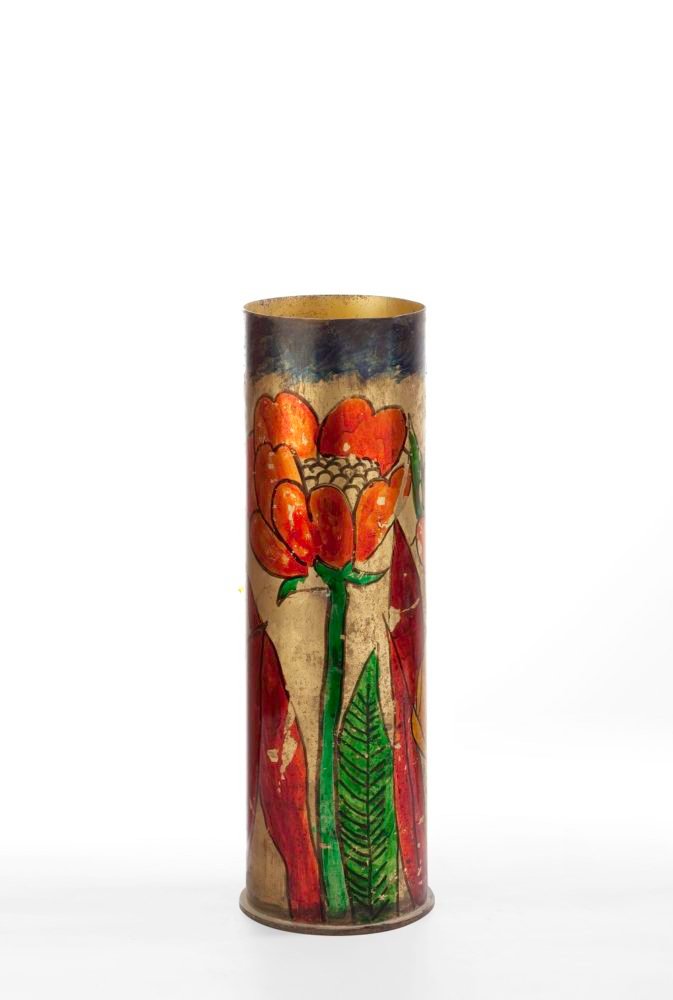
Gameel Shafik
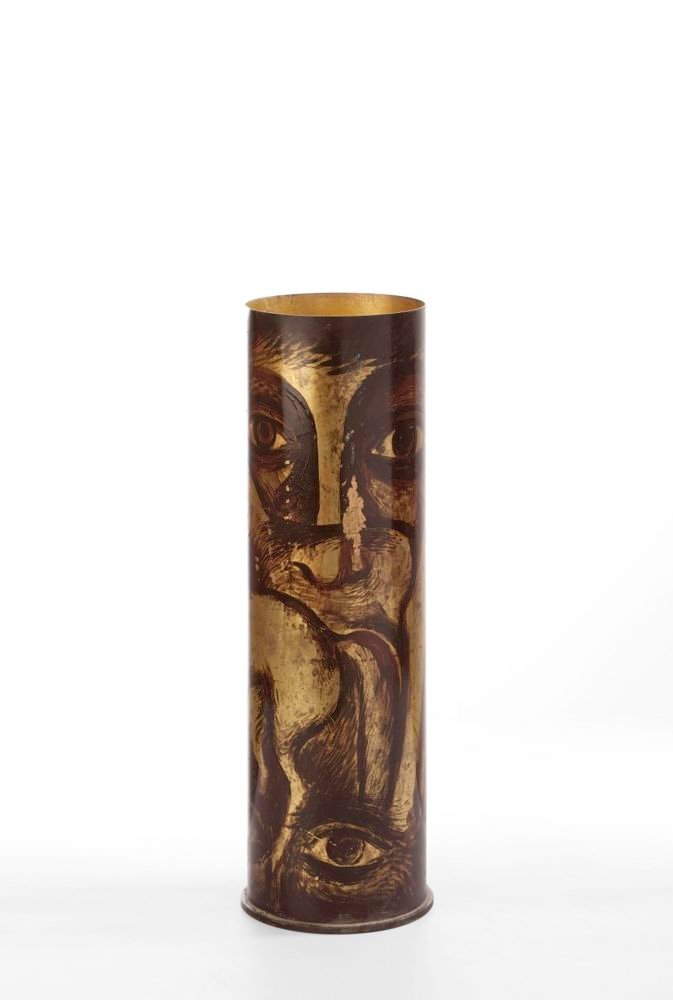
Gameel Shafik
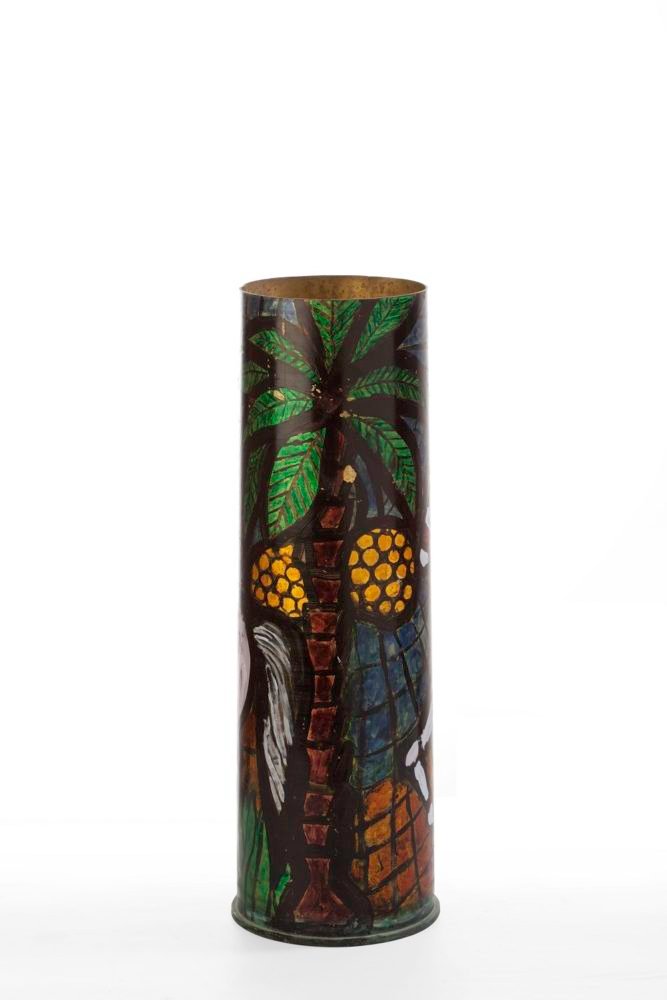
Gameel Shafik
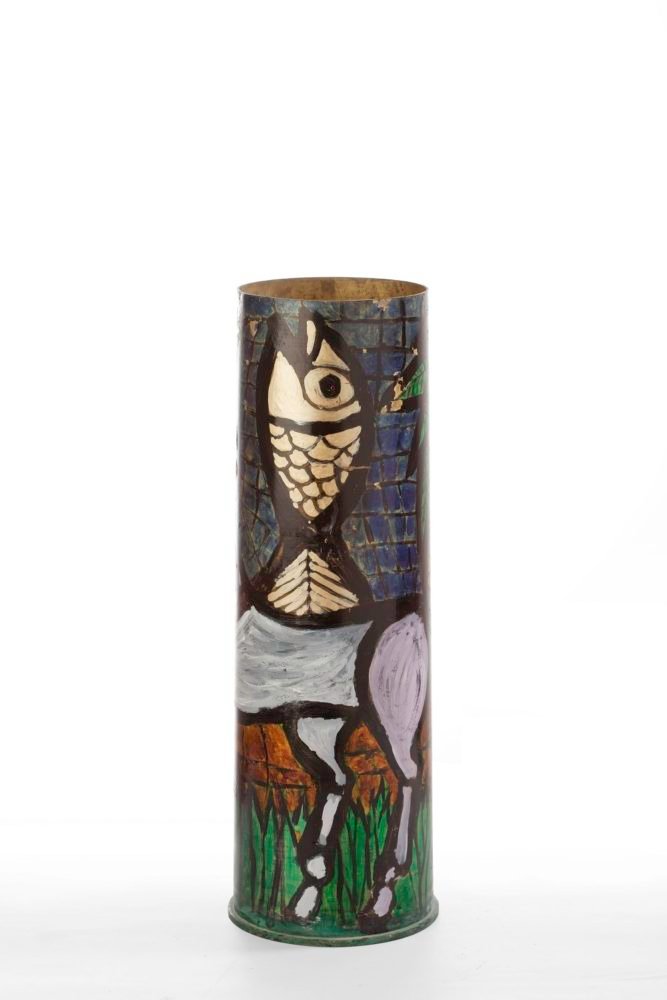
Gameel Shafik
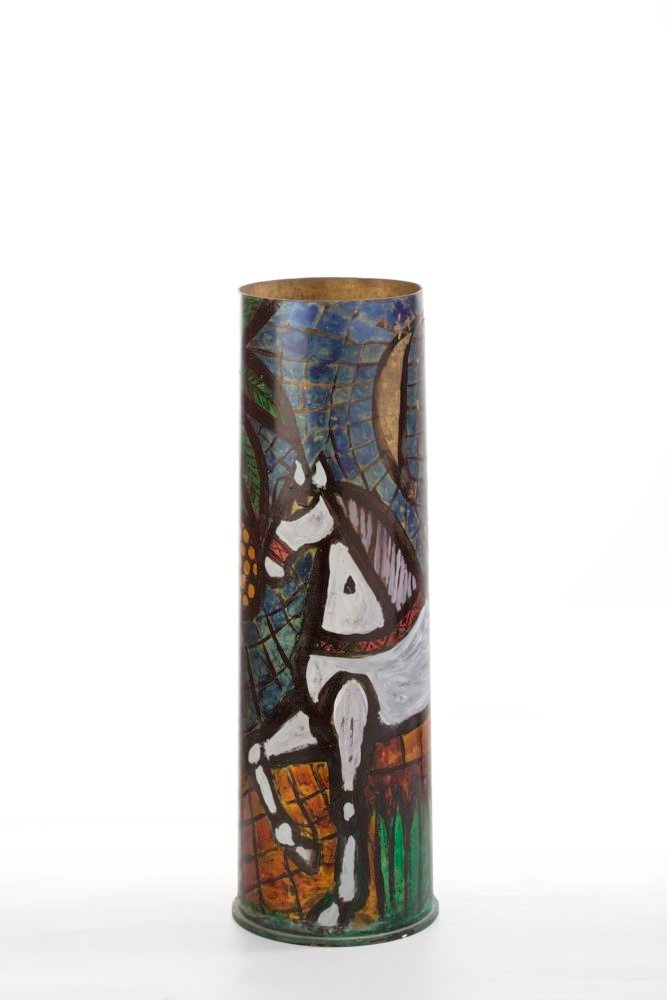
Gameel Shafik
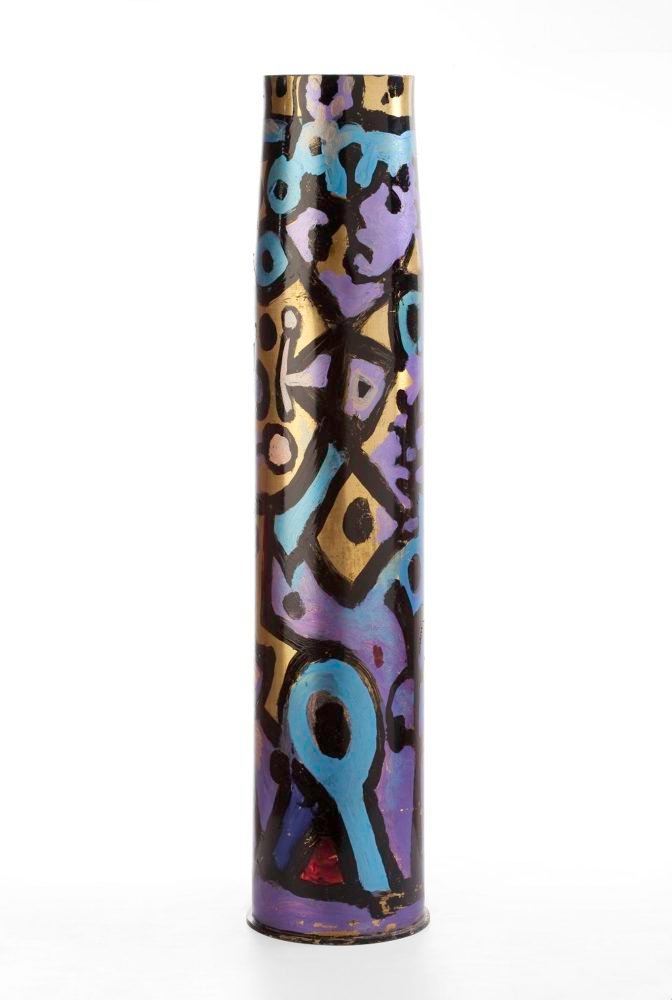
Gameel Shafik
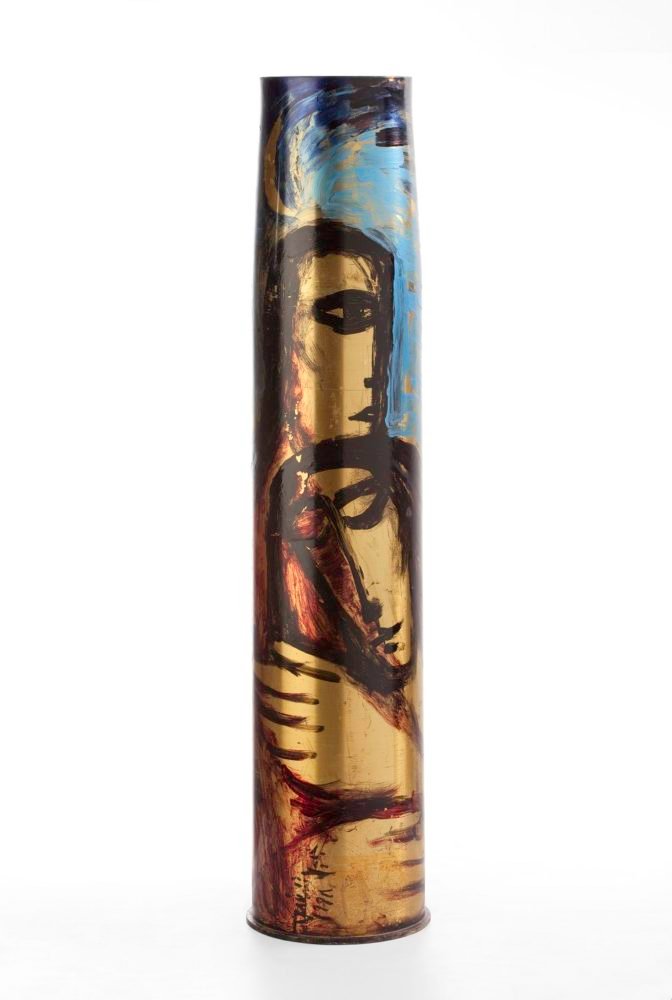
Gameel Shafik
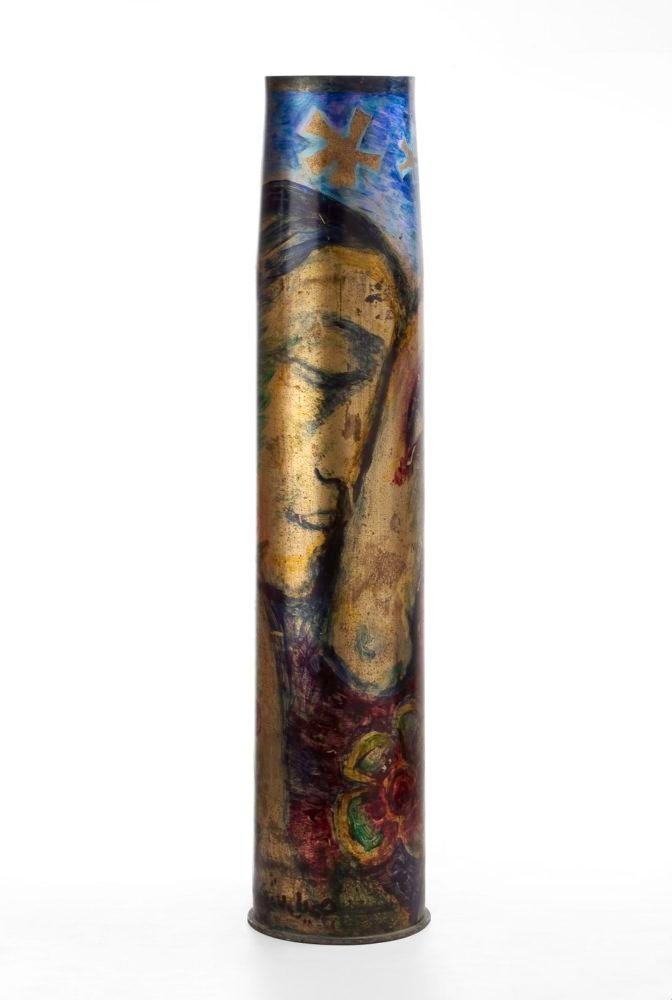
Gameel Shafik
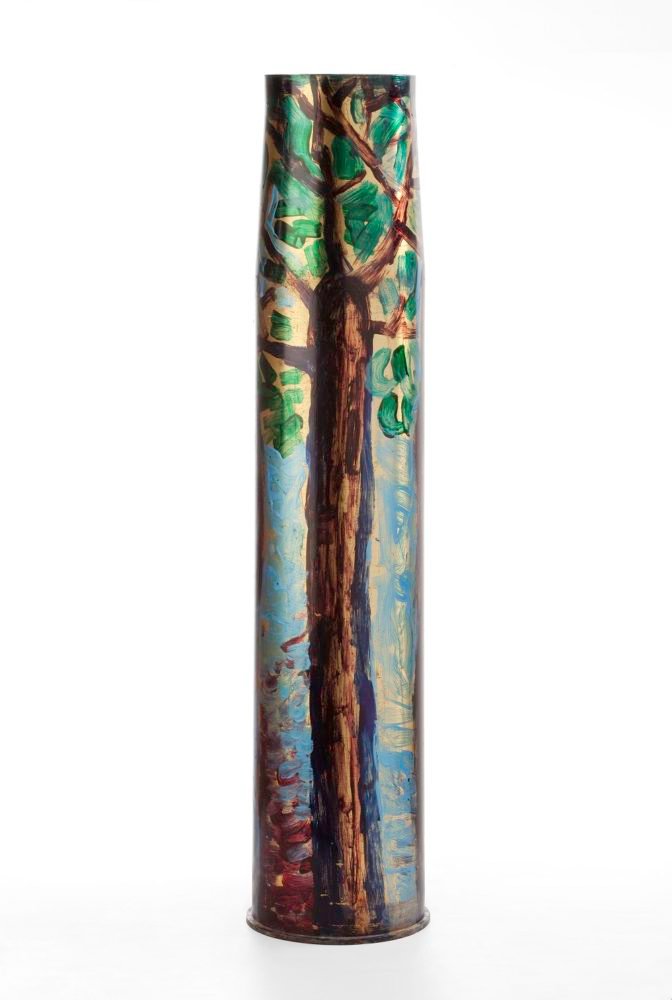
Gameel Shafik
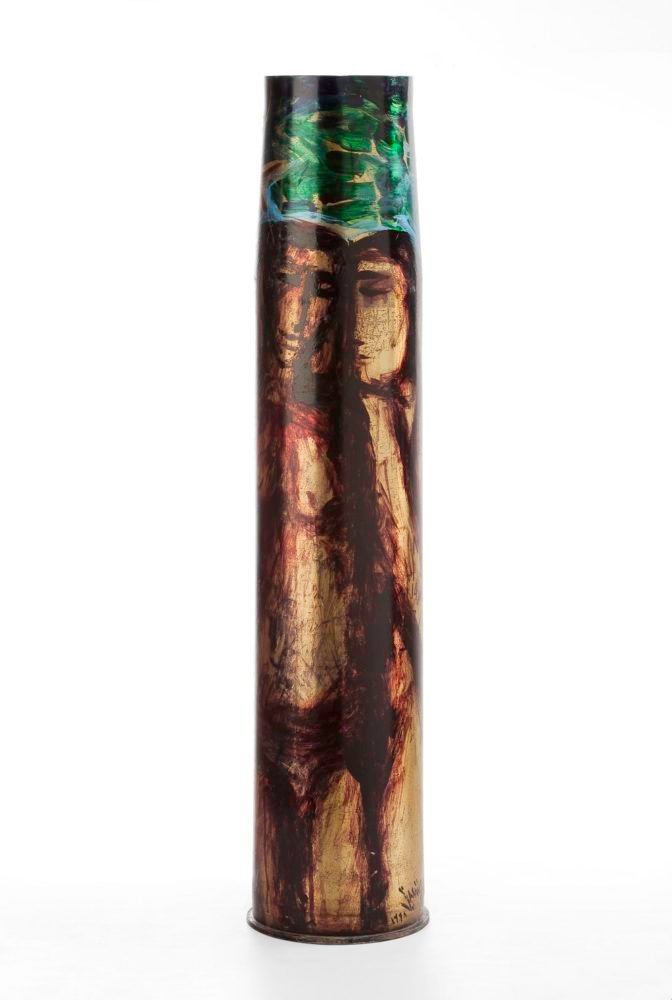
Gameel Shafik
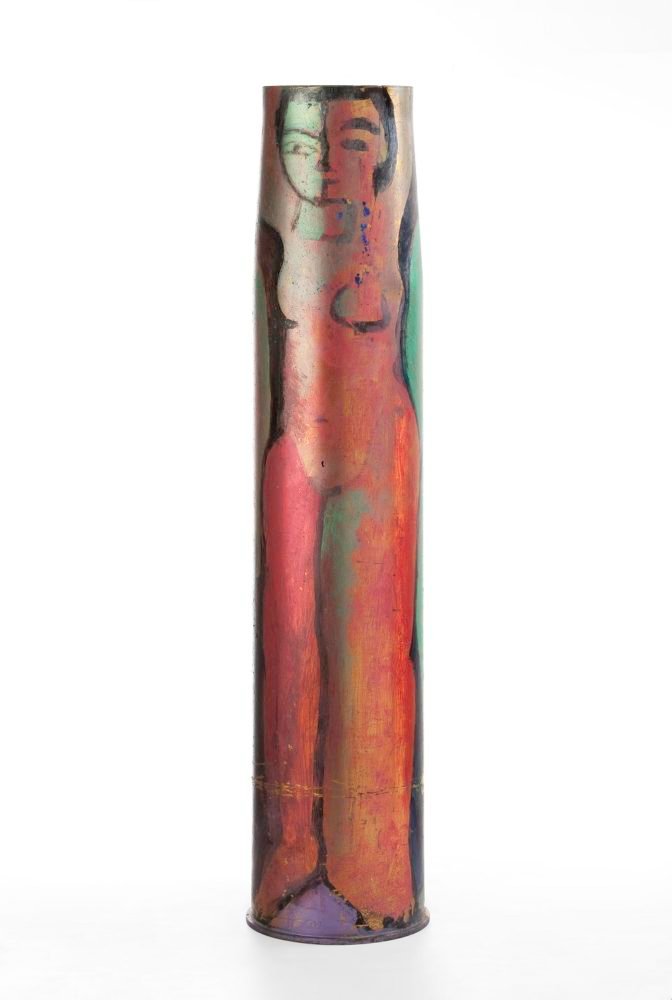
Gameel Shafik
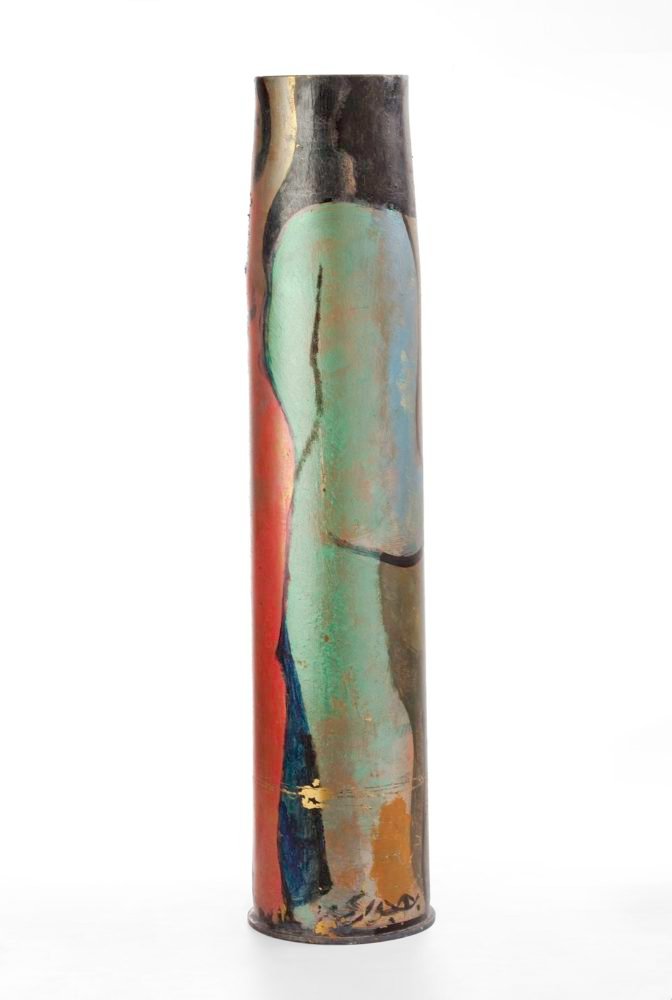
Gameel Shafik
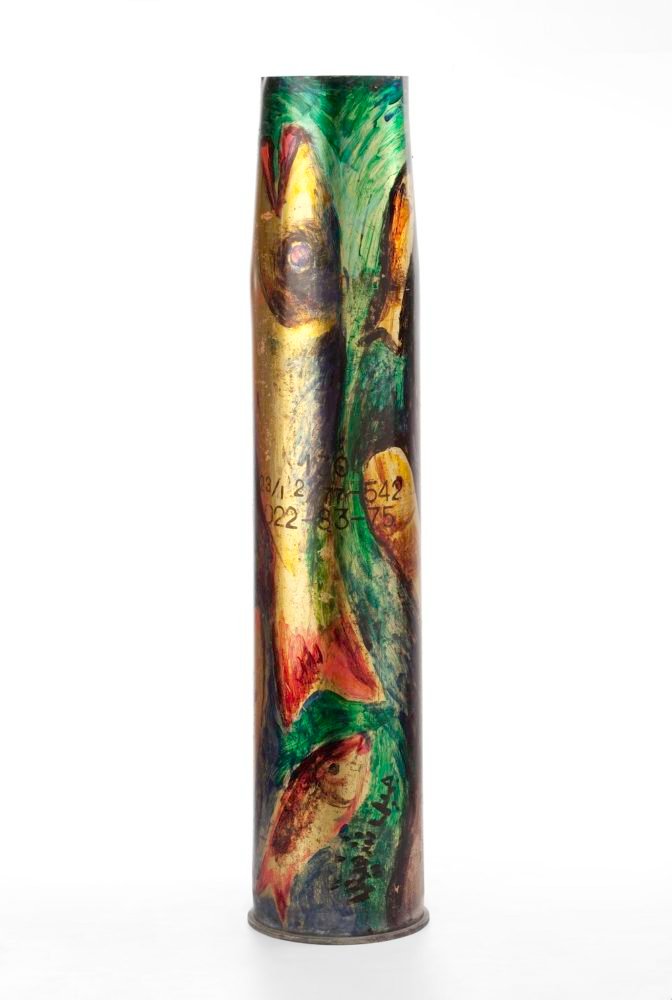
Gameel Shafik
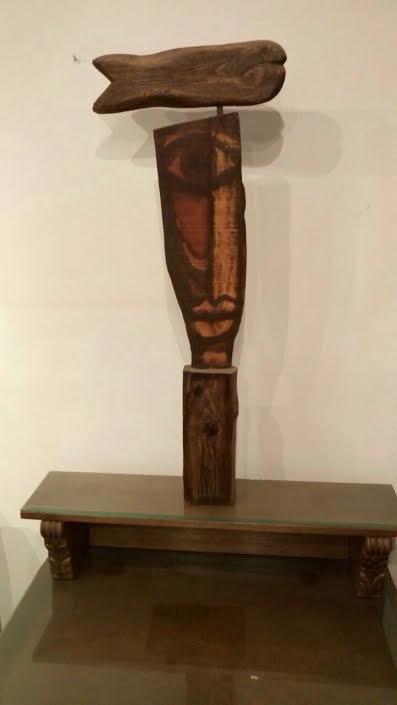
Gameel Shafik
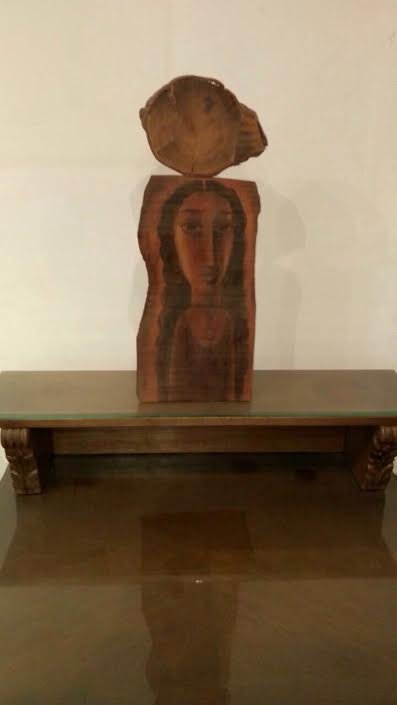
Gameel Shafik
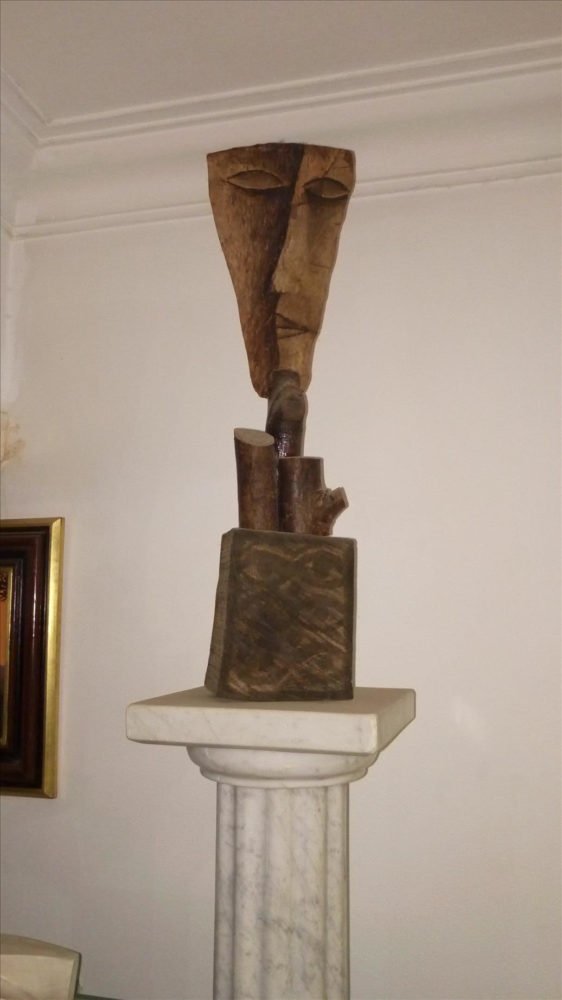
Gameel Shafik
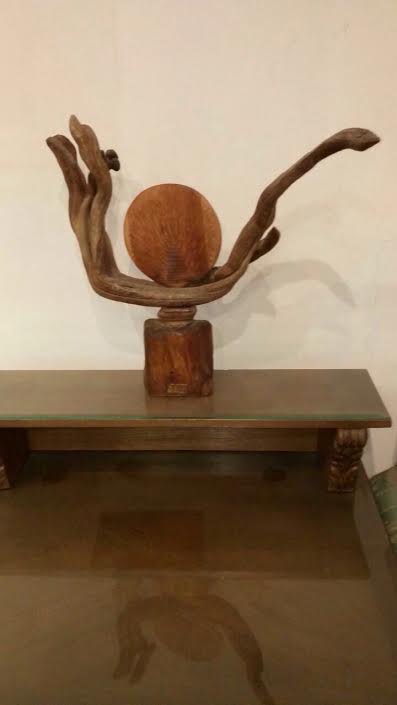
Gameel Shafik
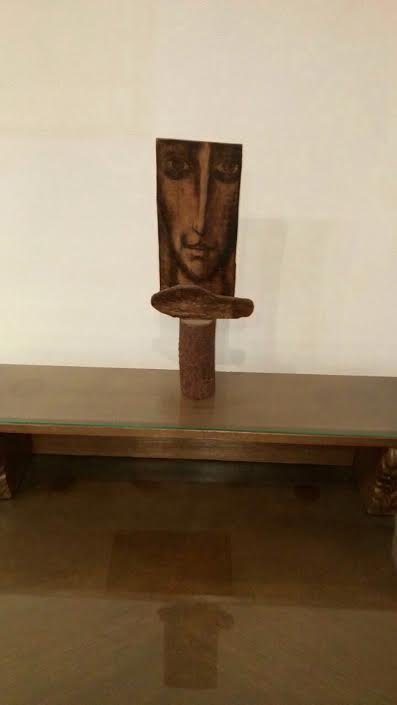
Gameel Shafik
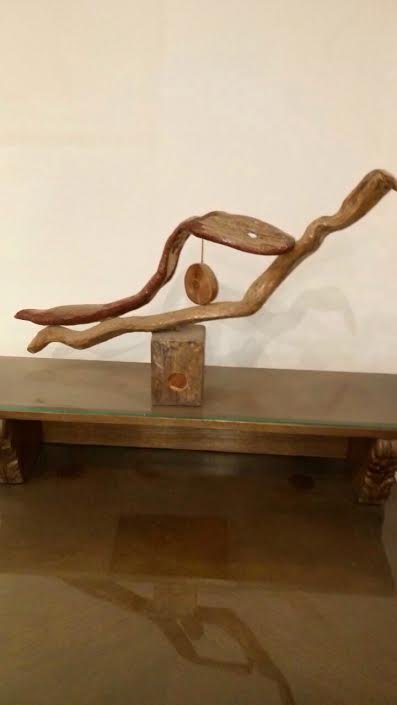
Gameel Shafik
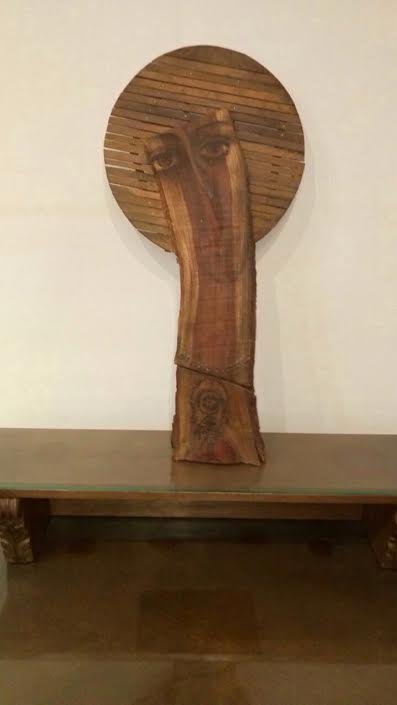
Gameel Shafik
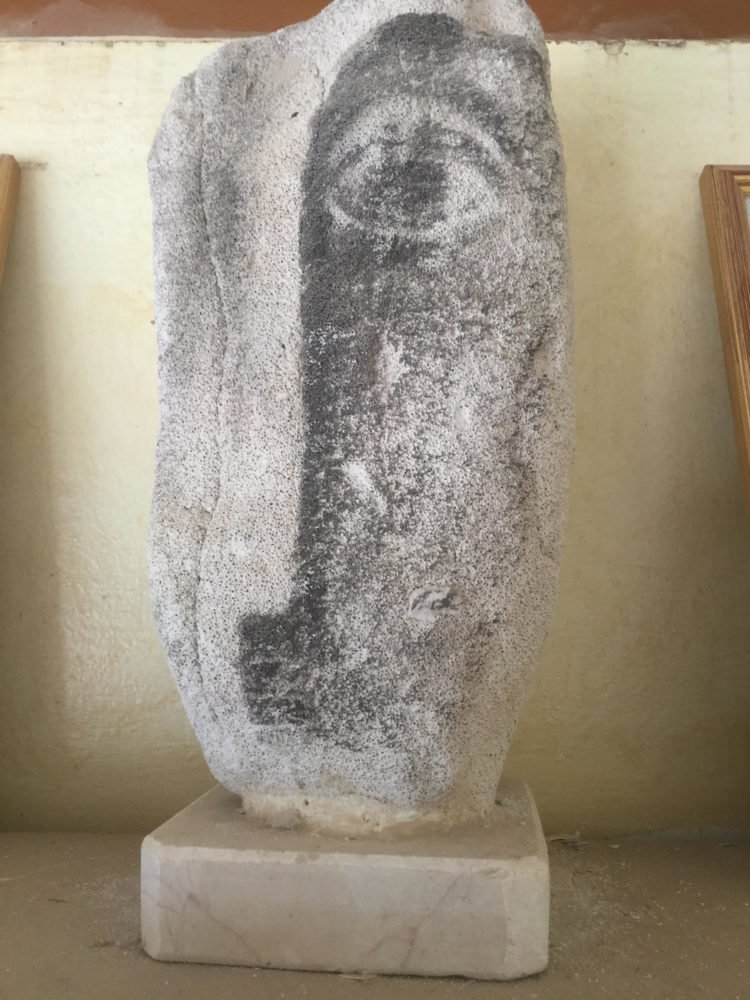
Gameel Shafik
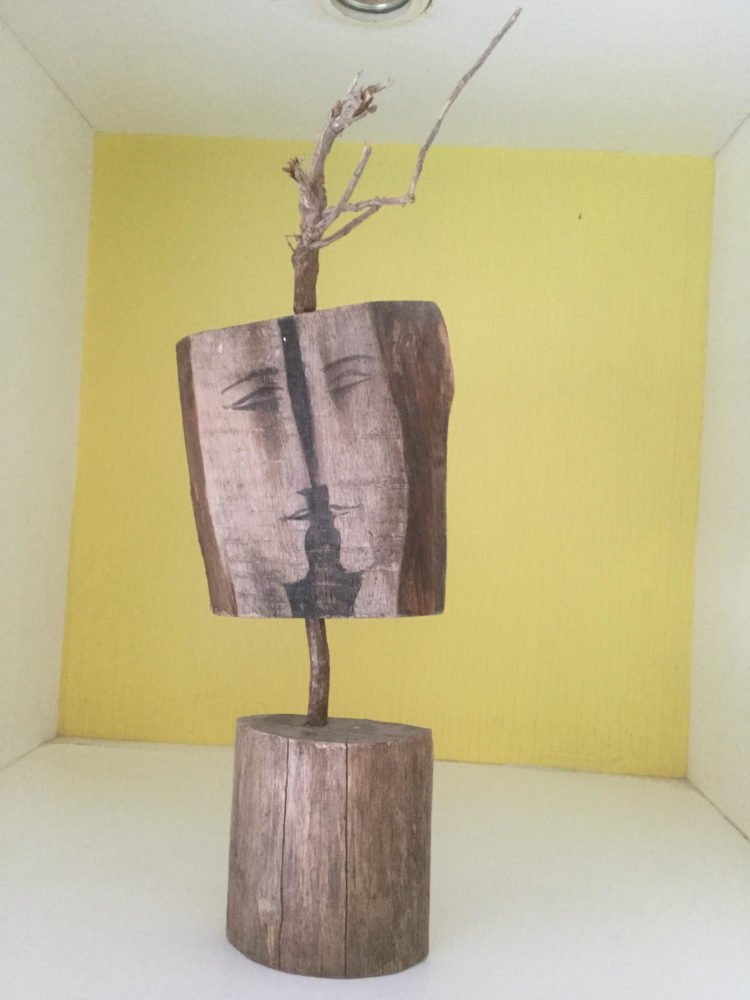
Gameel Shafik
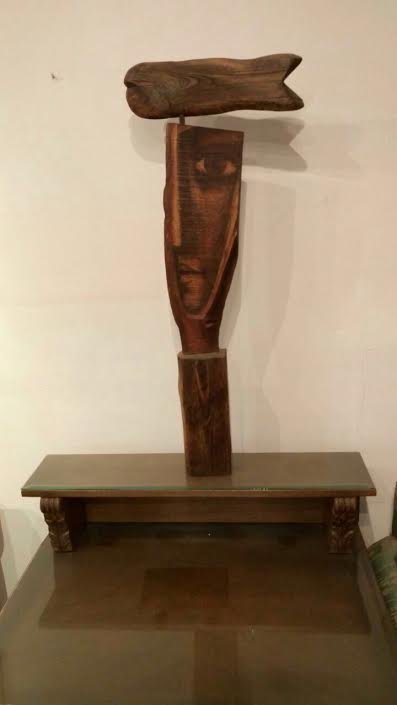
Gameel Shafik
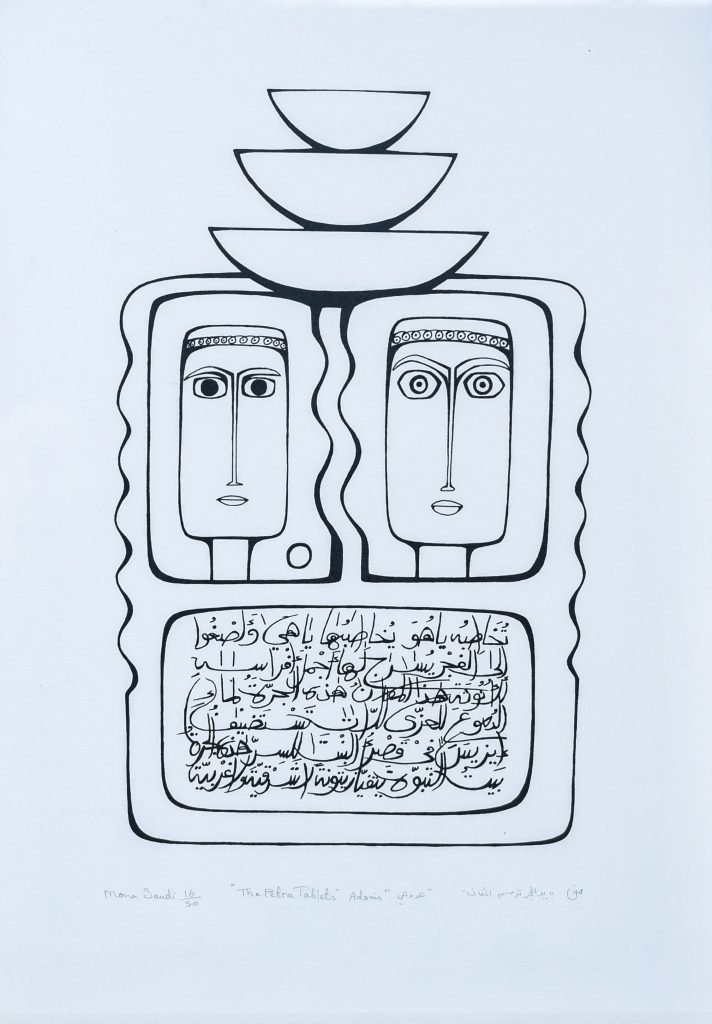
Mona Saudi 1997
Mona Saudi 1997
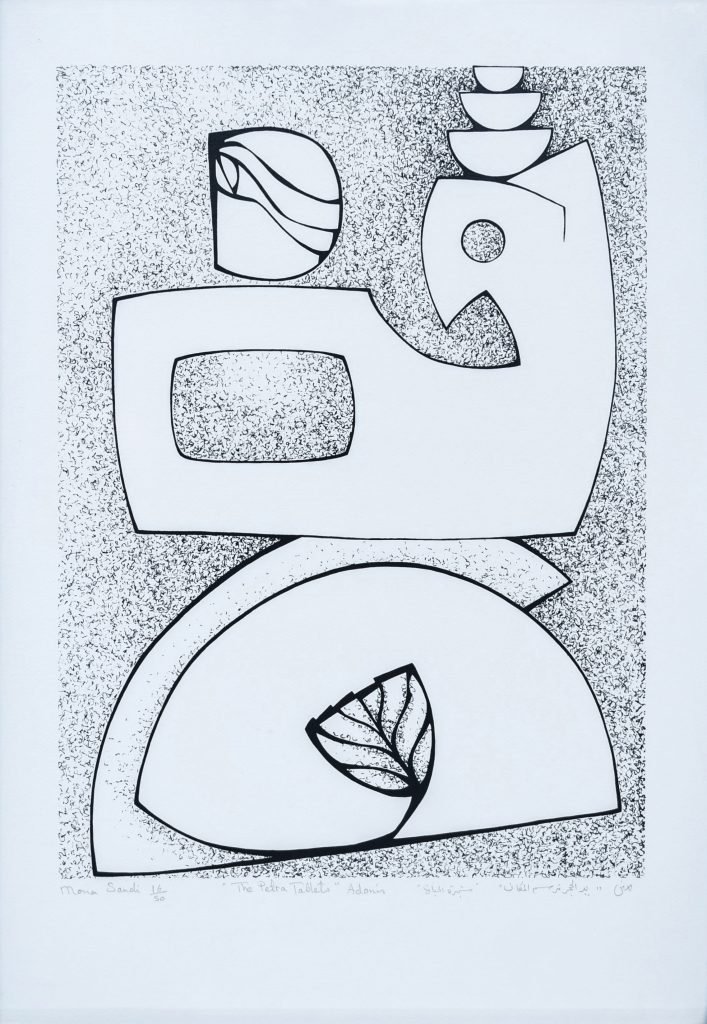
Mona Saudi 1997
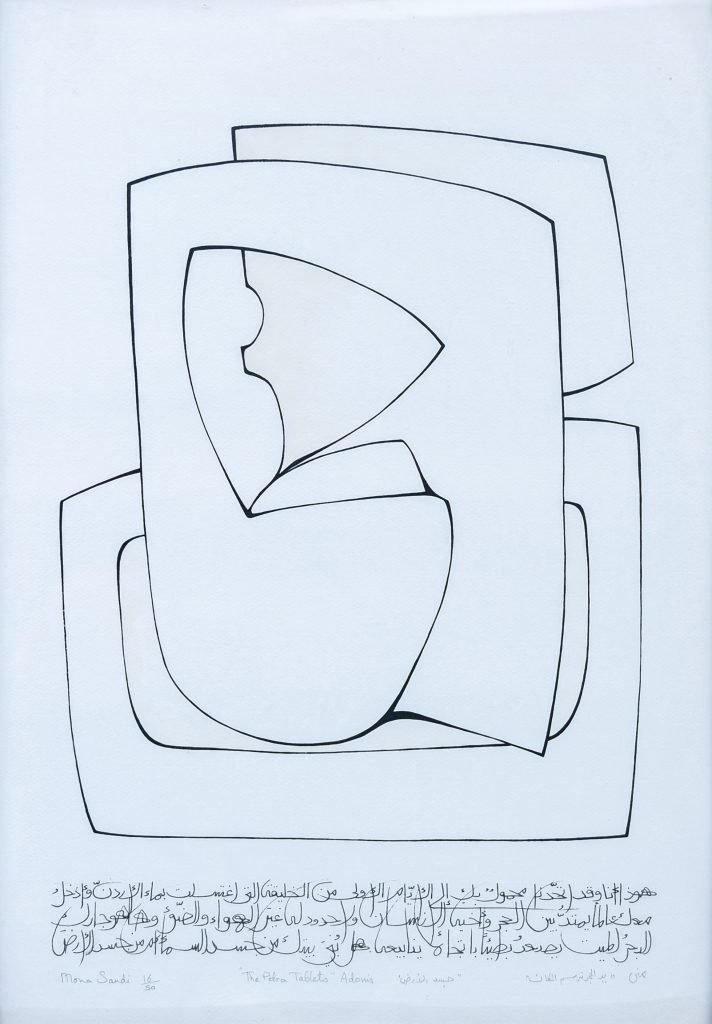
Mona Saudi 1997
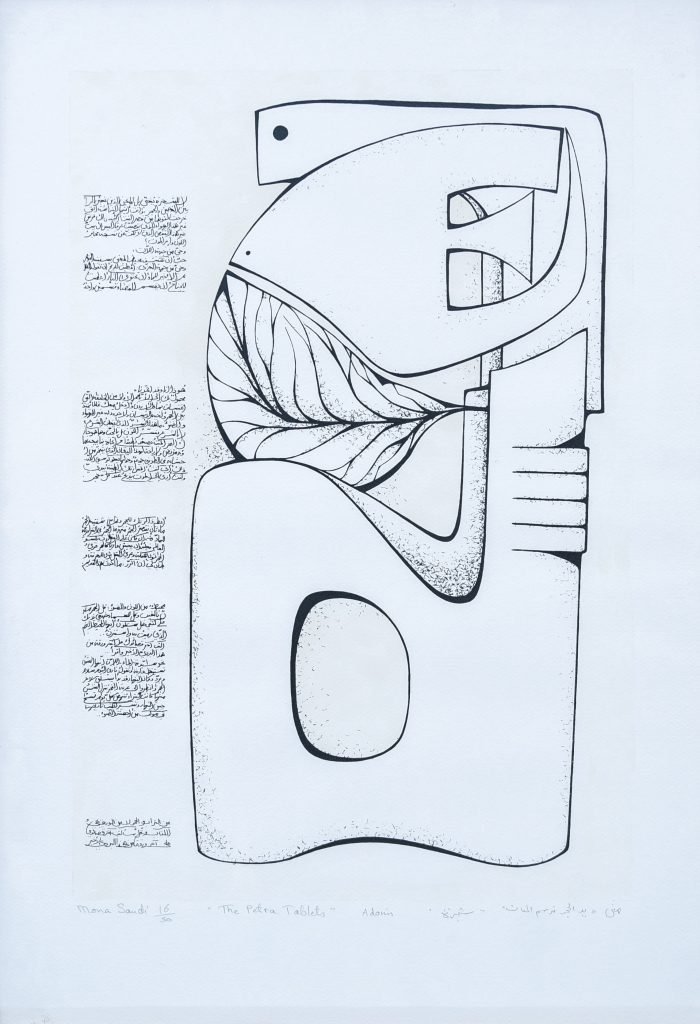
Mona Saudi 1997
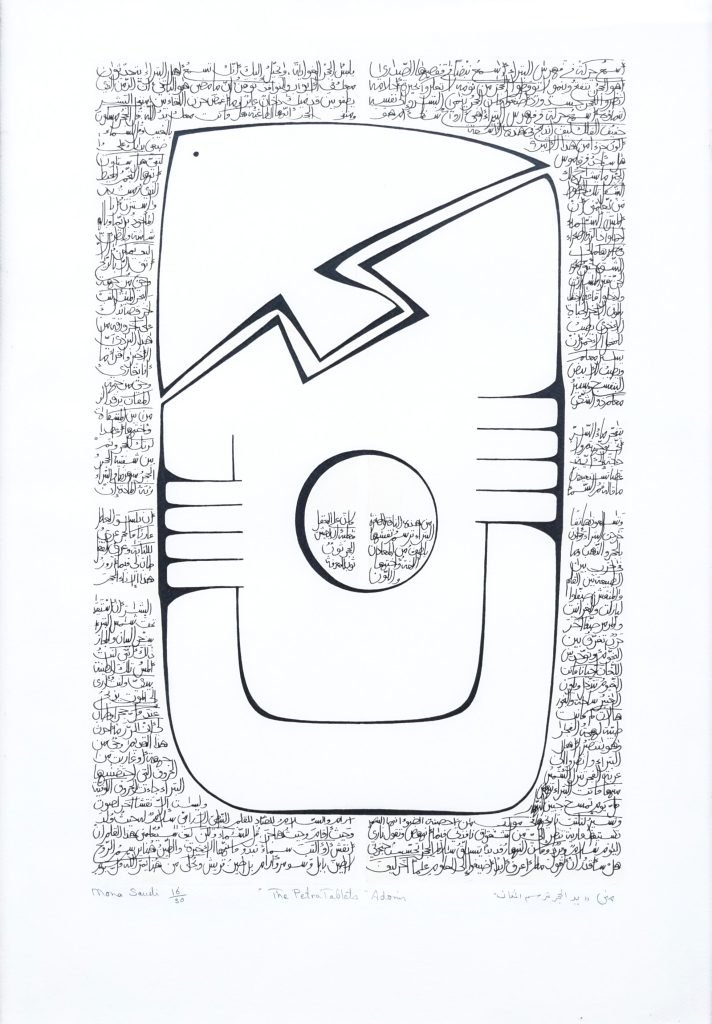
Mona Saudi 1997
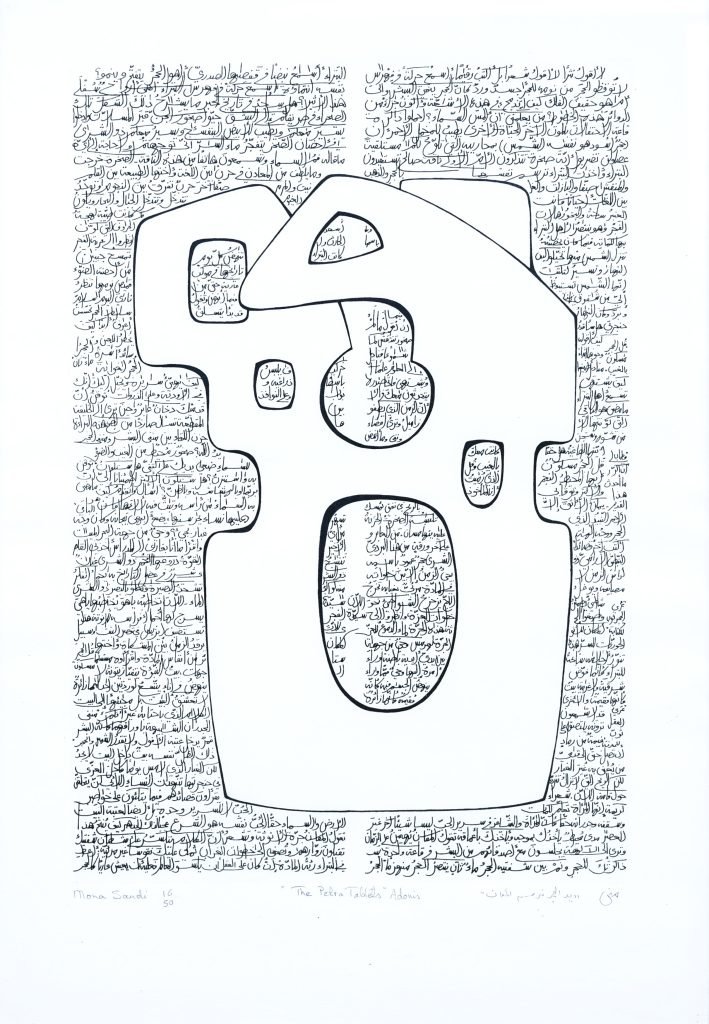
Mona Saudi 1997
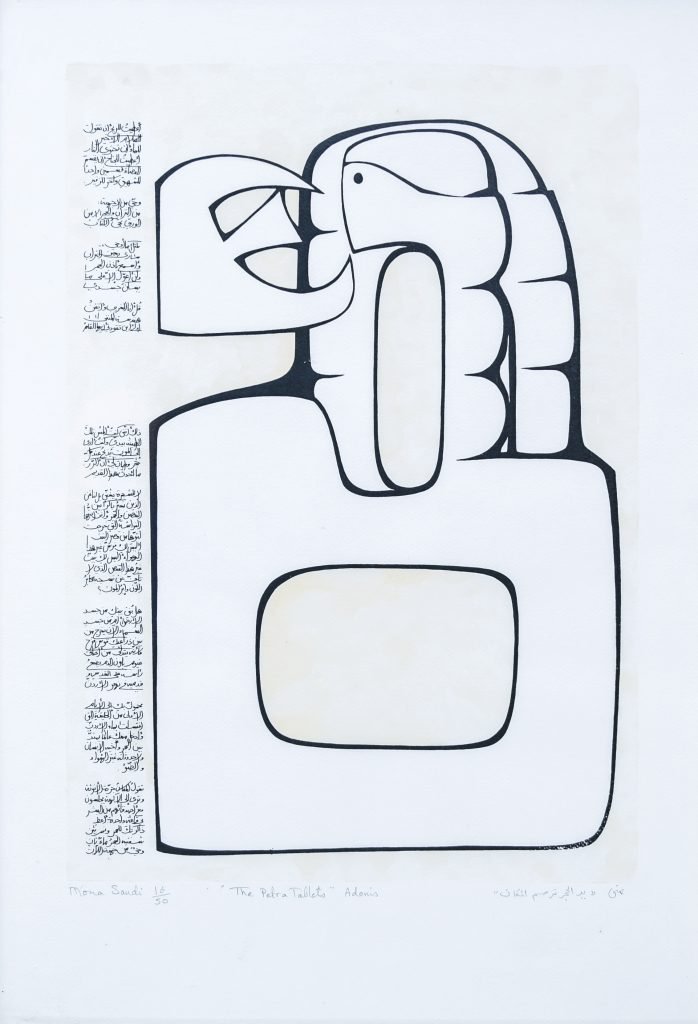
Mona Saudi
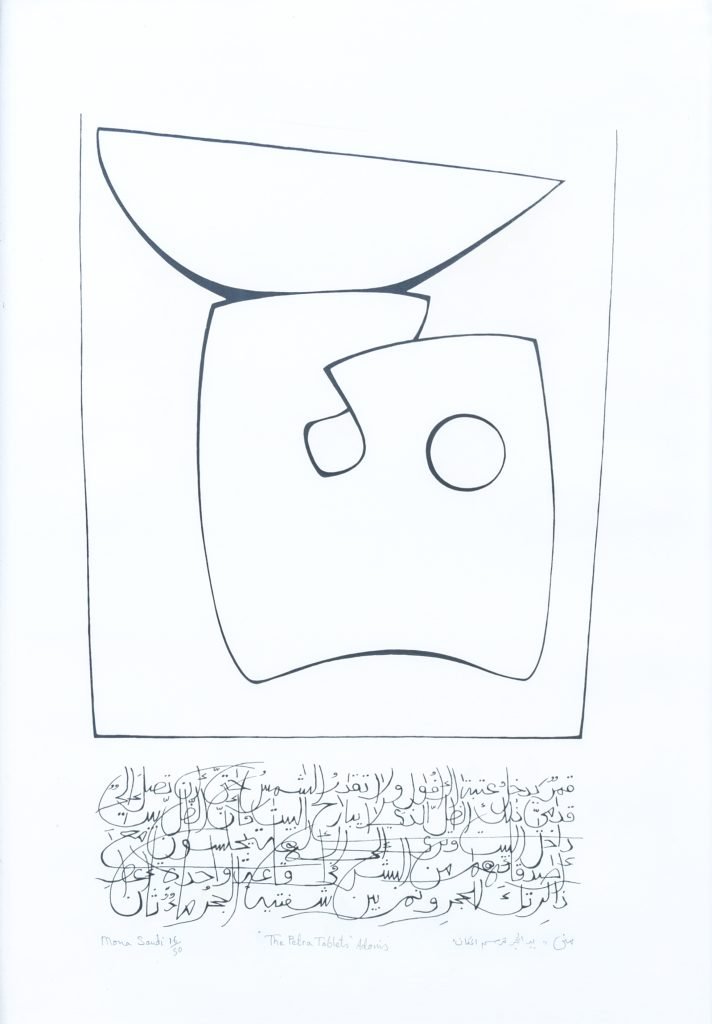
Mona Saudi 1997
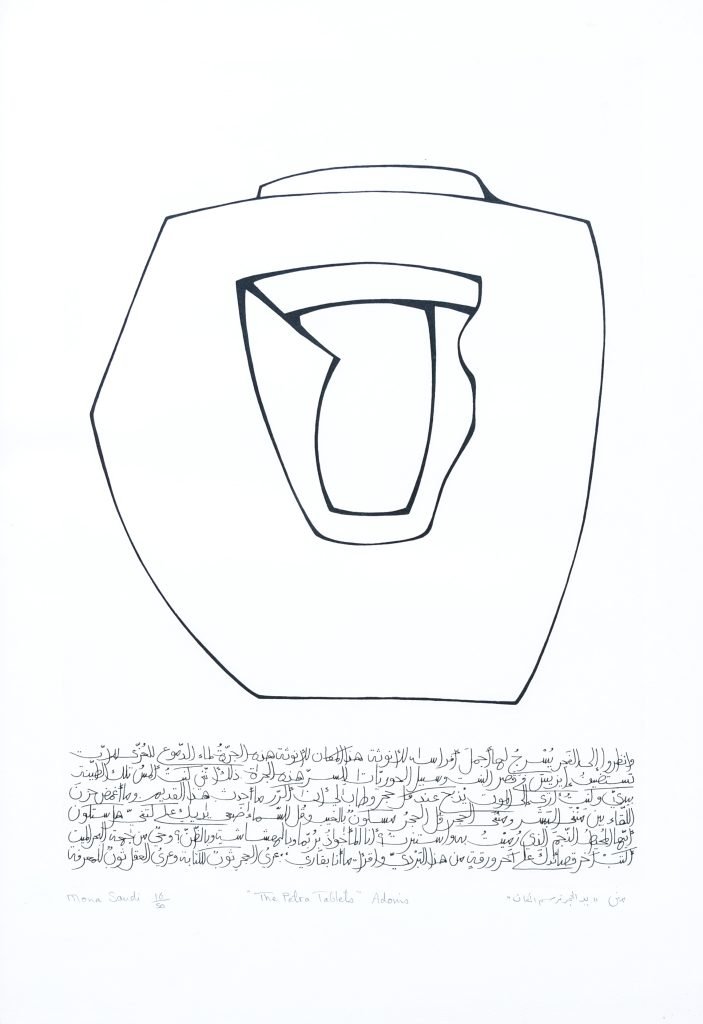
Mona Saudi 1997
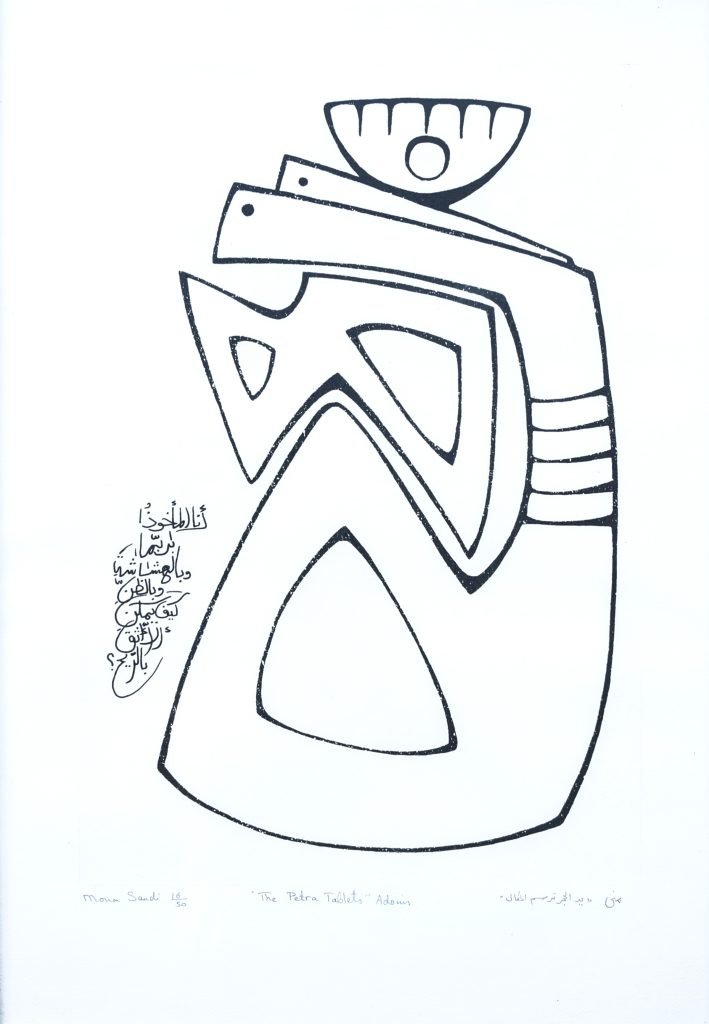
Mona Saudi 1997
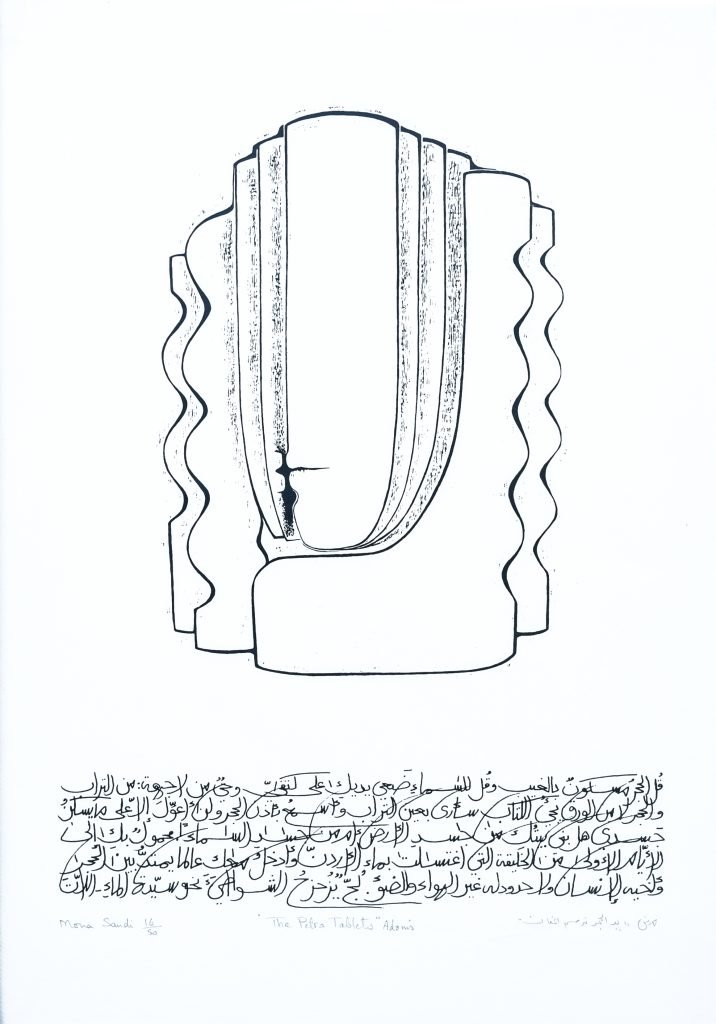
Mona Saudi 1997
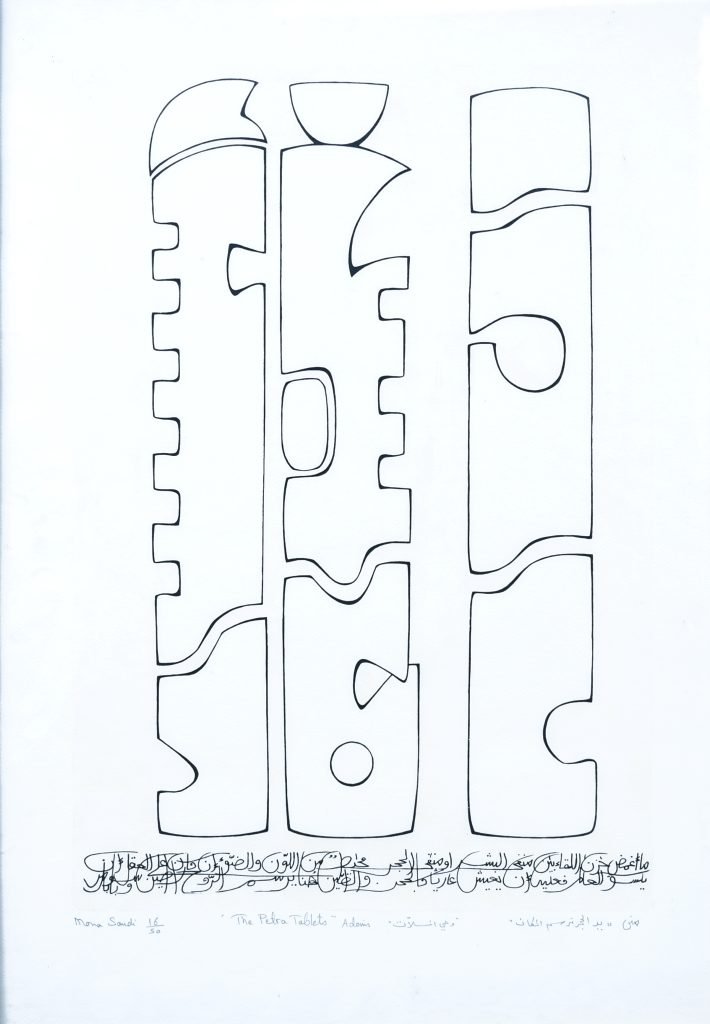
Mona Saudi
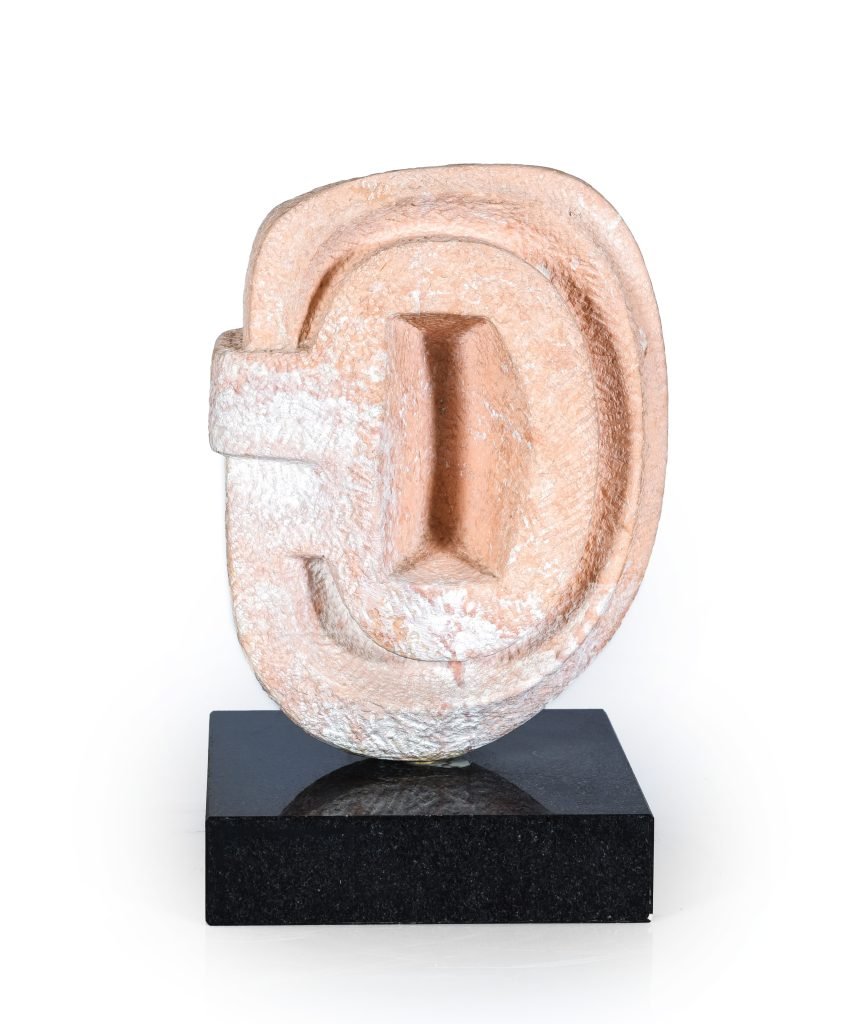
Mona Saudi
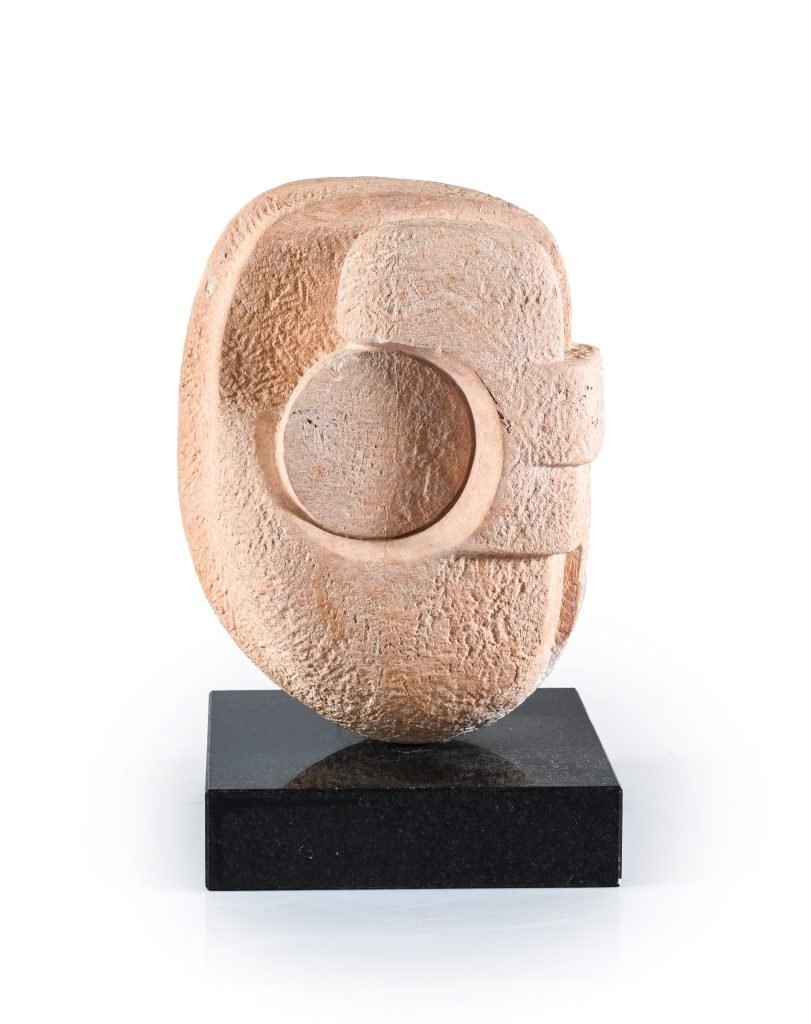
Mona Saudi
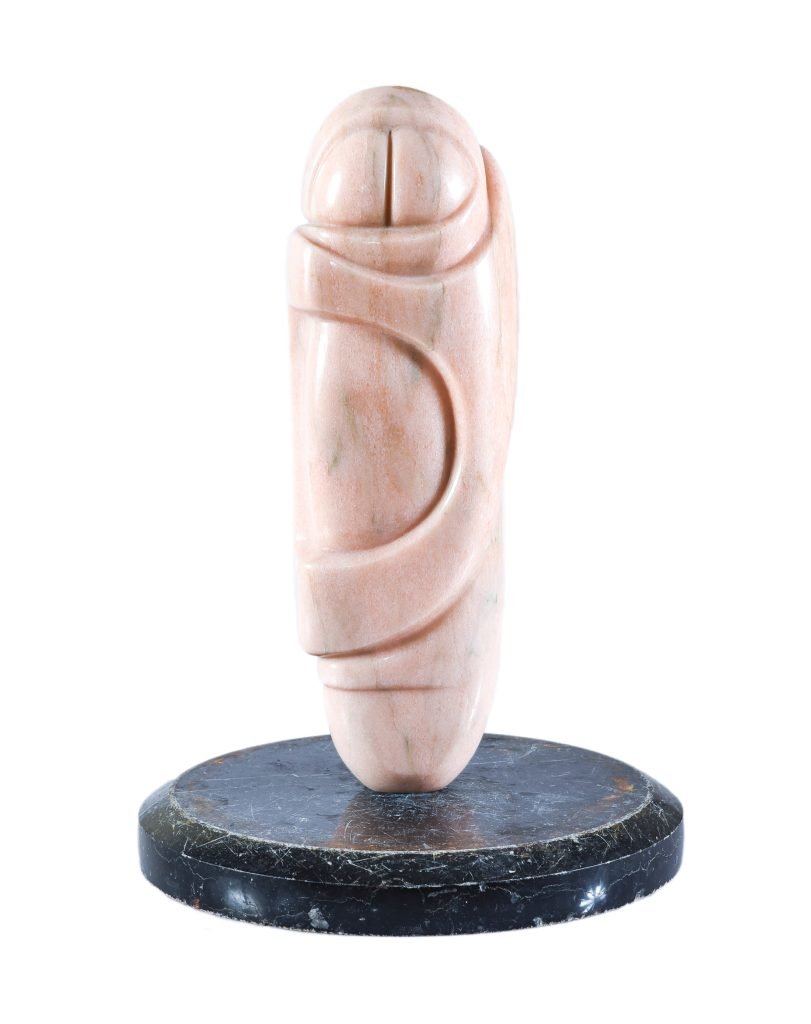
Mona Saudi
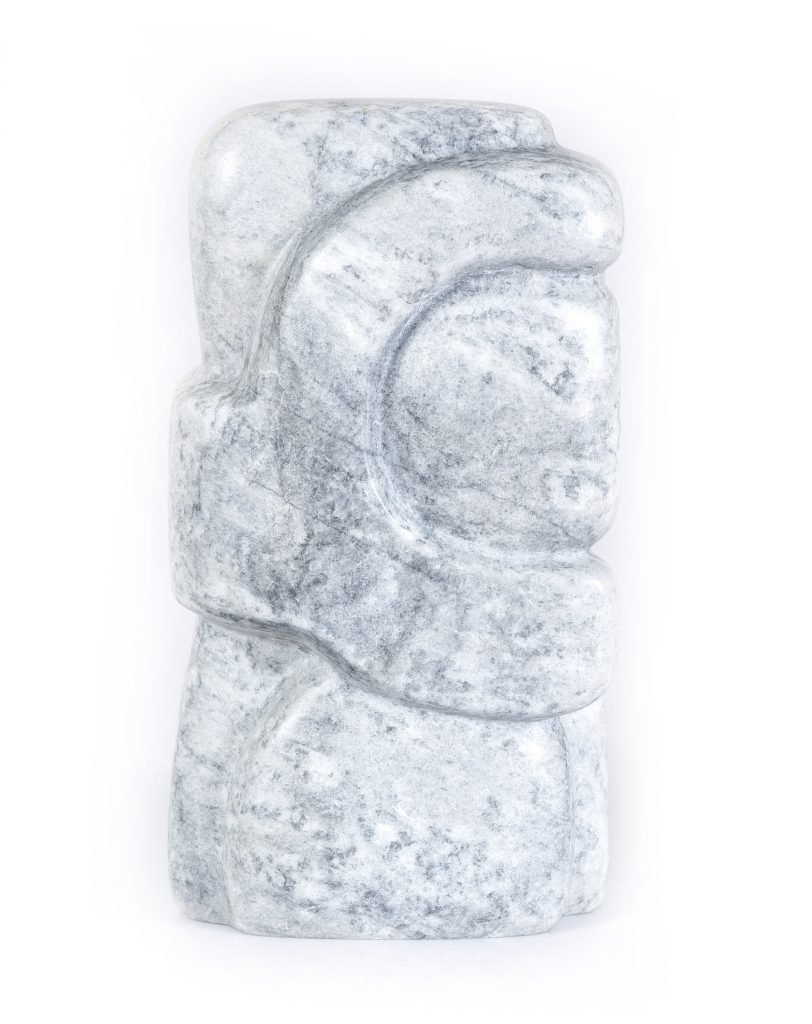
Mona Saudi
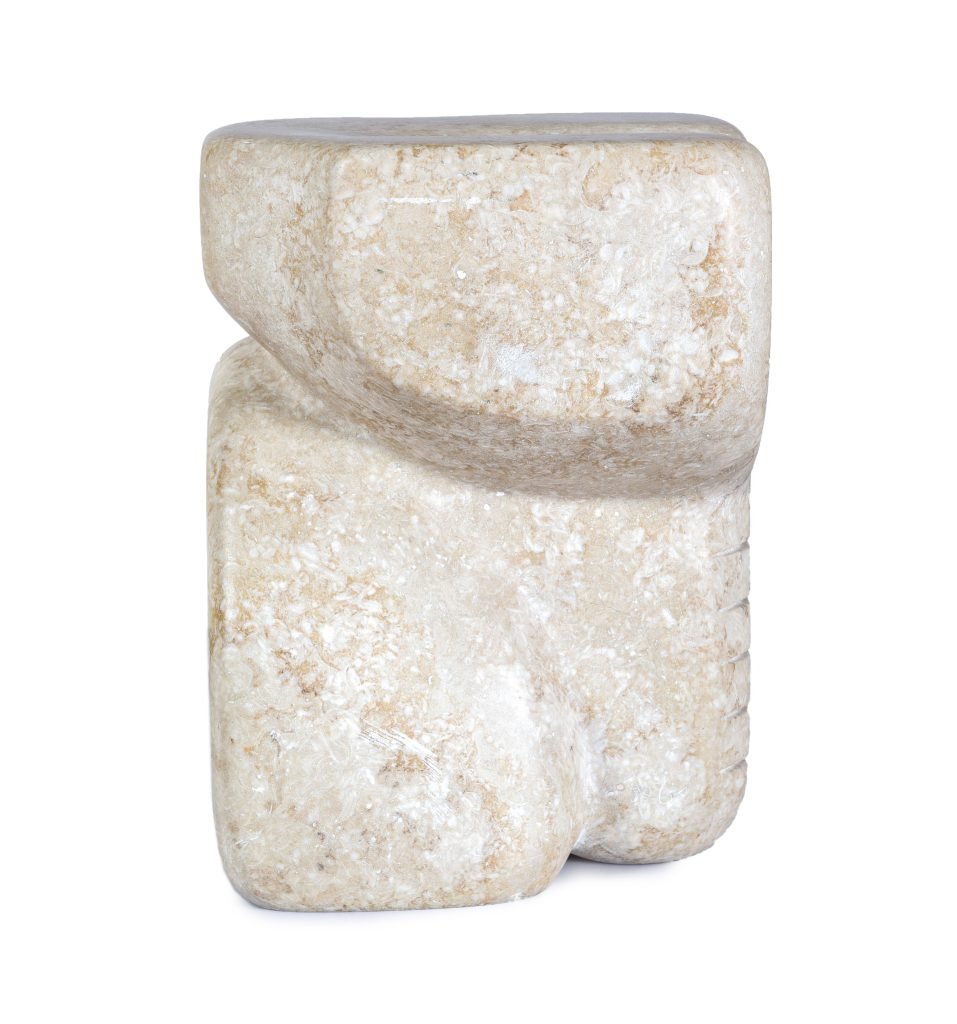
Faisal Madoa
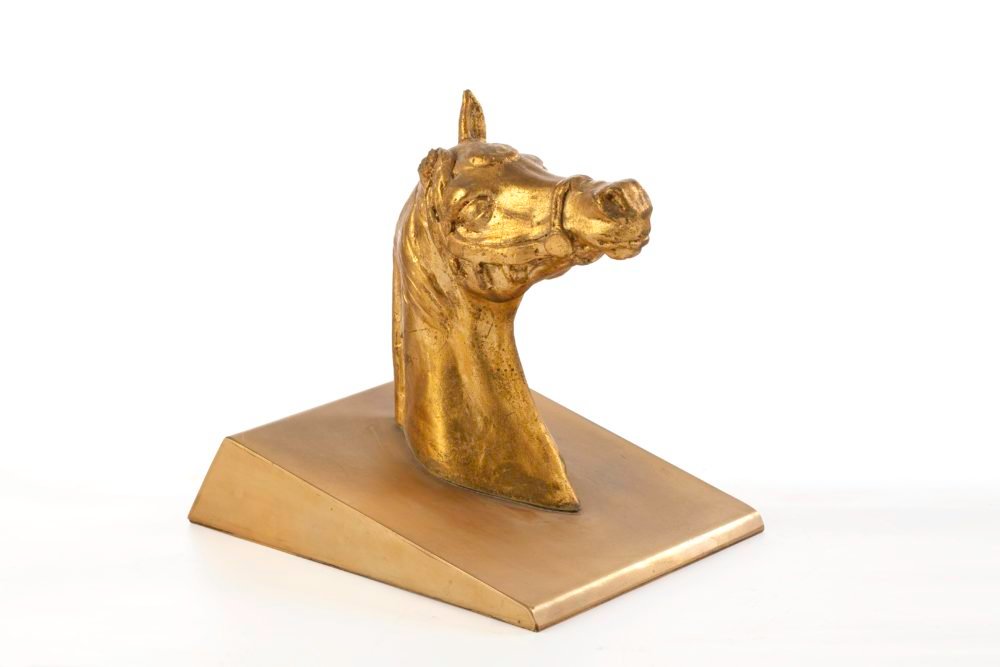
Faisal Madoa
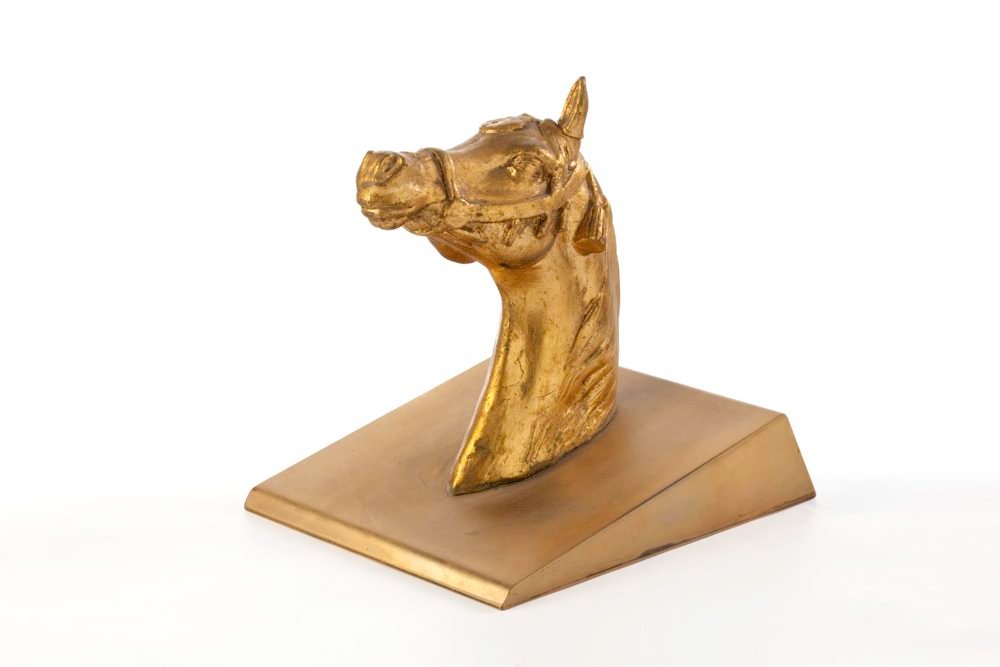
Faisal Madoa
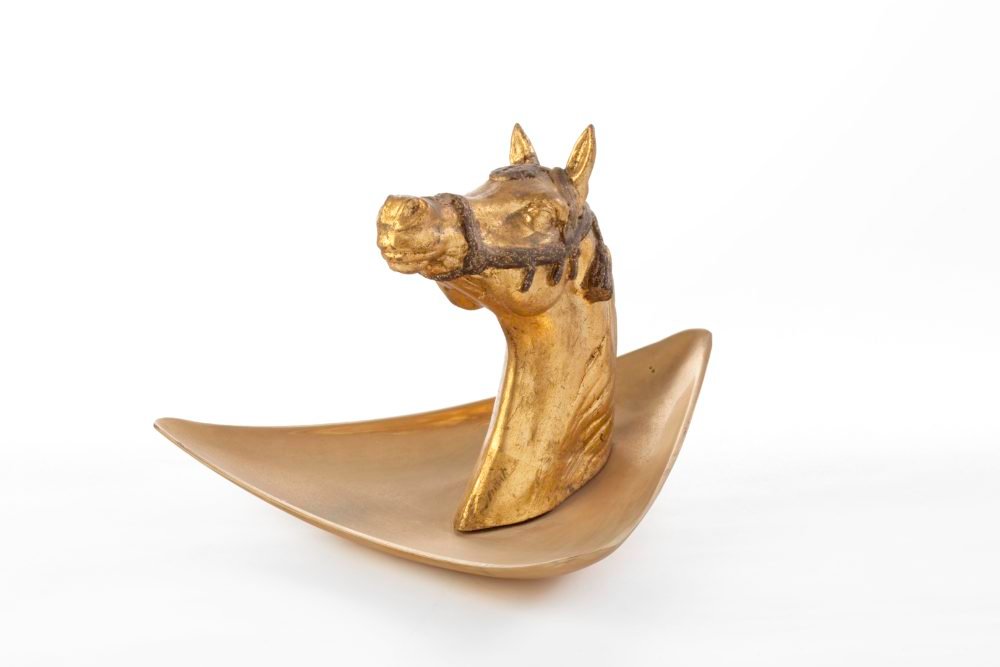
Faisal Madoa
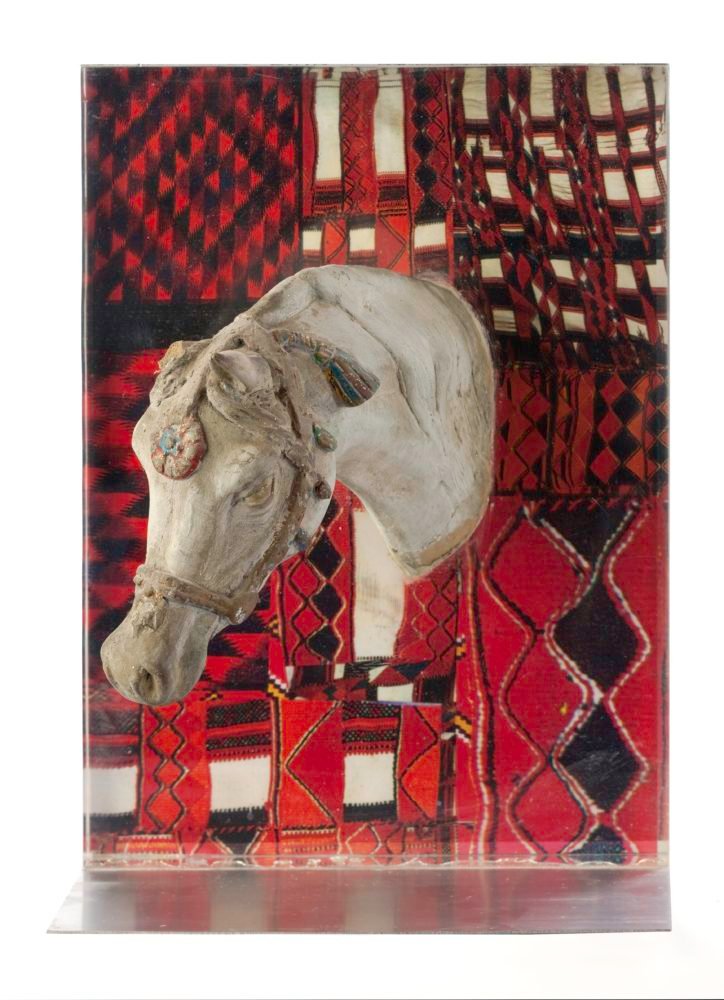
Helen Khal 1987
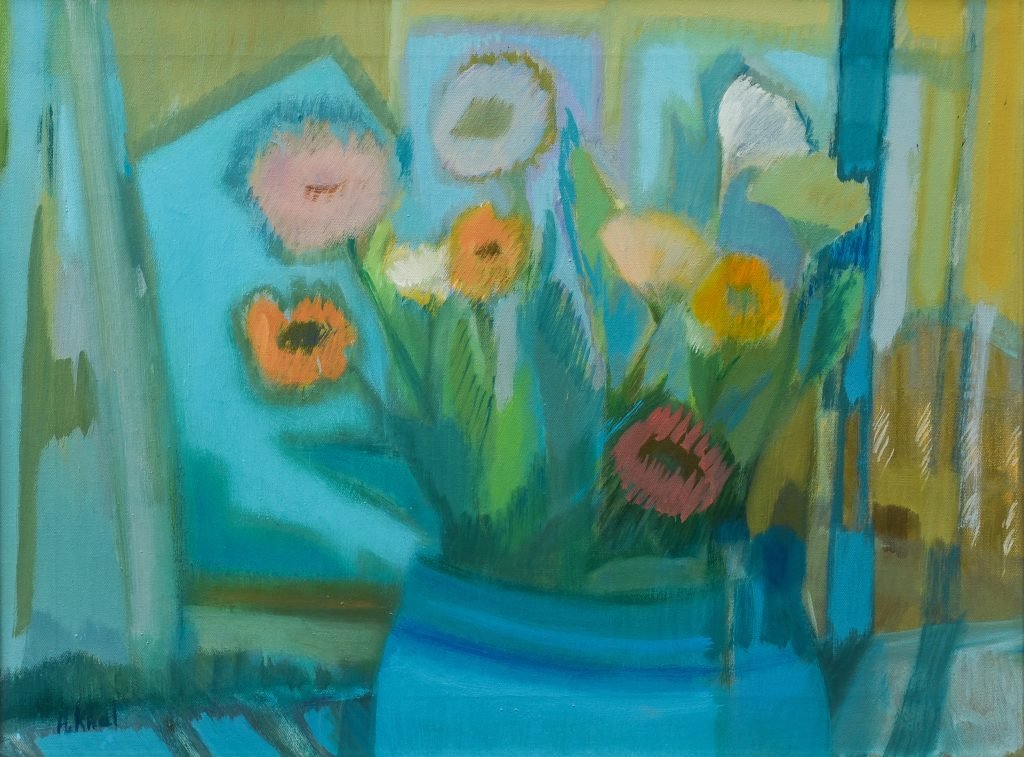
Said Orzar
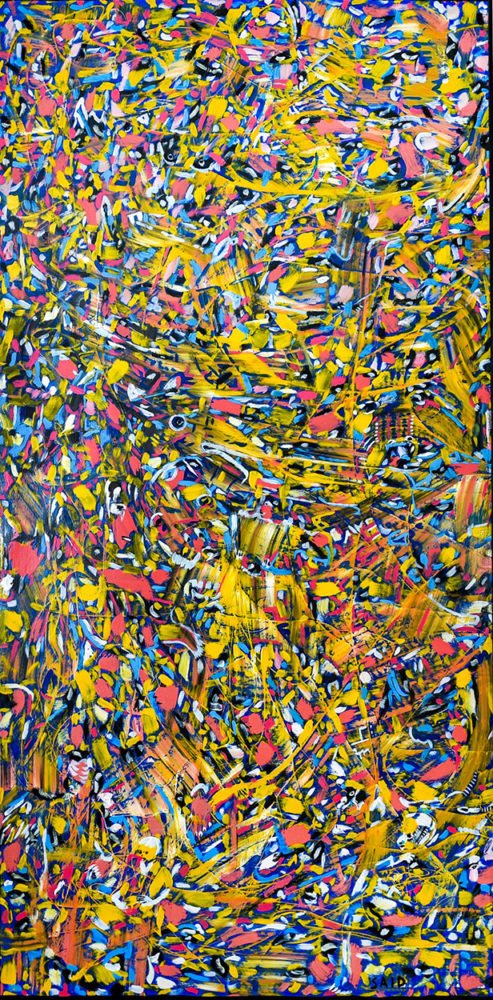
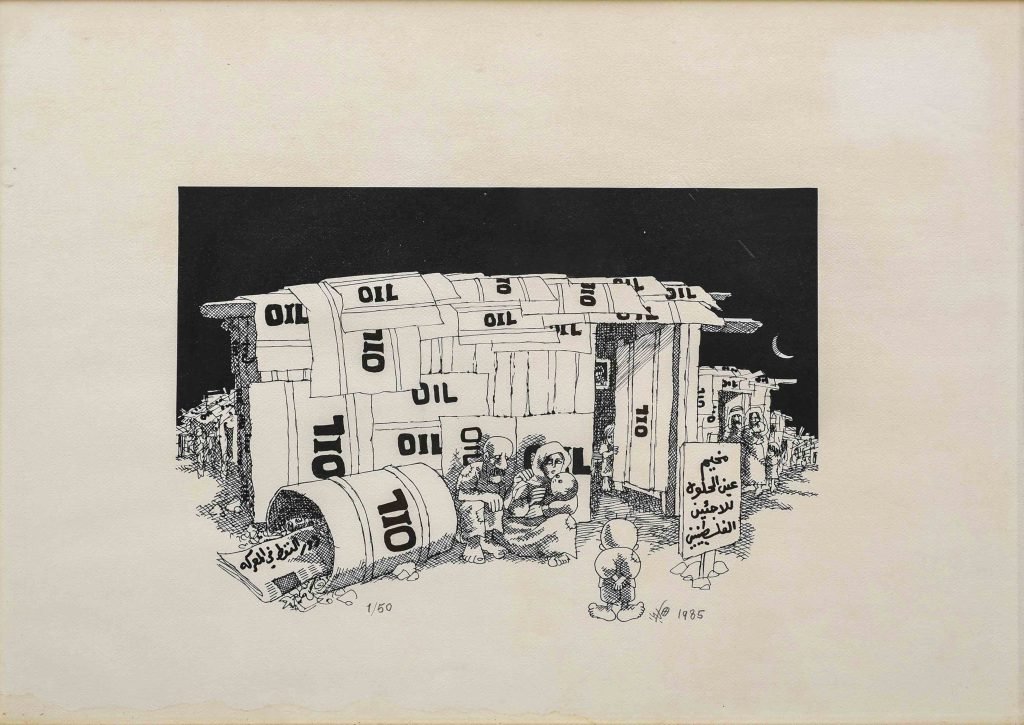
Naji El Ali 1985
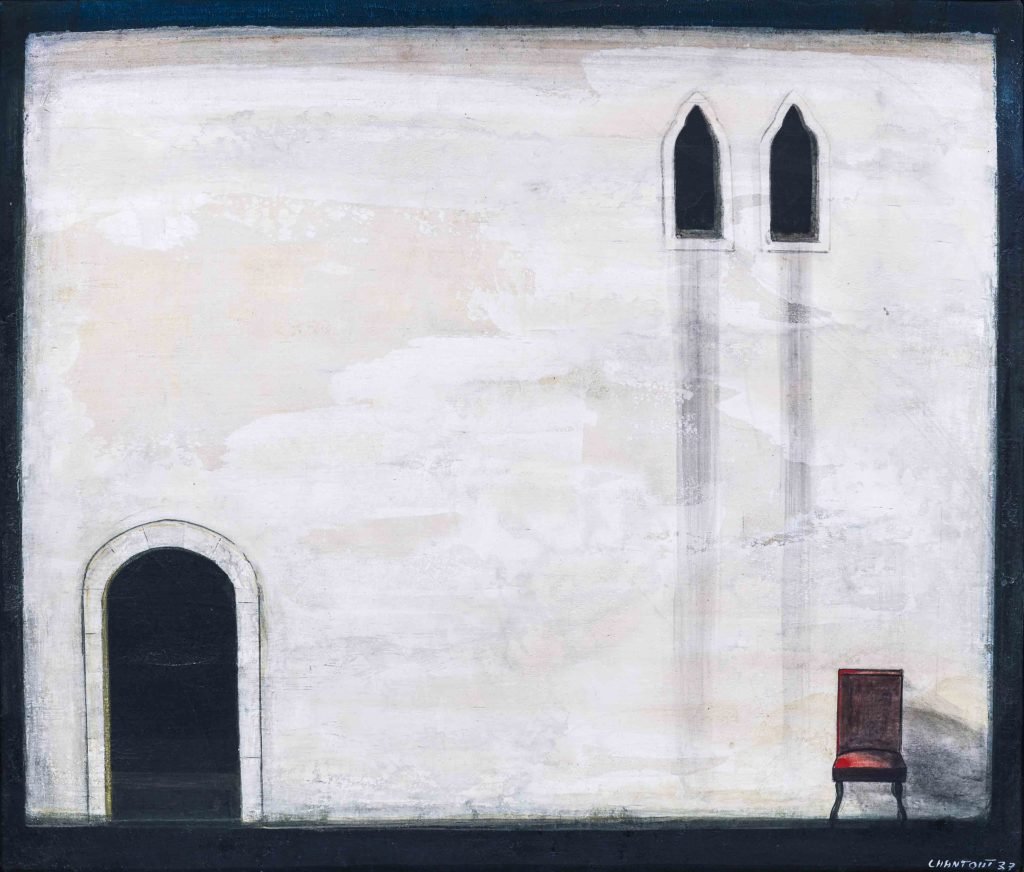
Humoud Shantout 1987
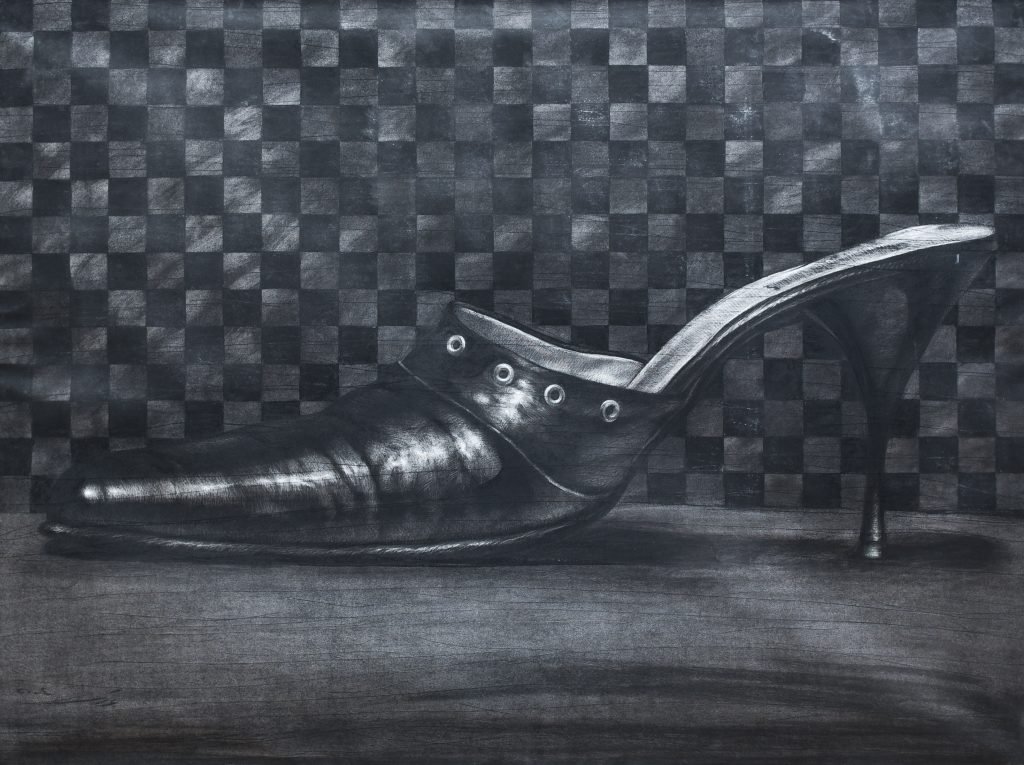
Abd Al-Laki 2004
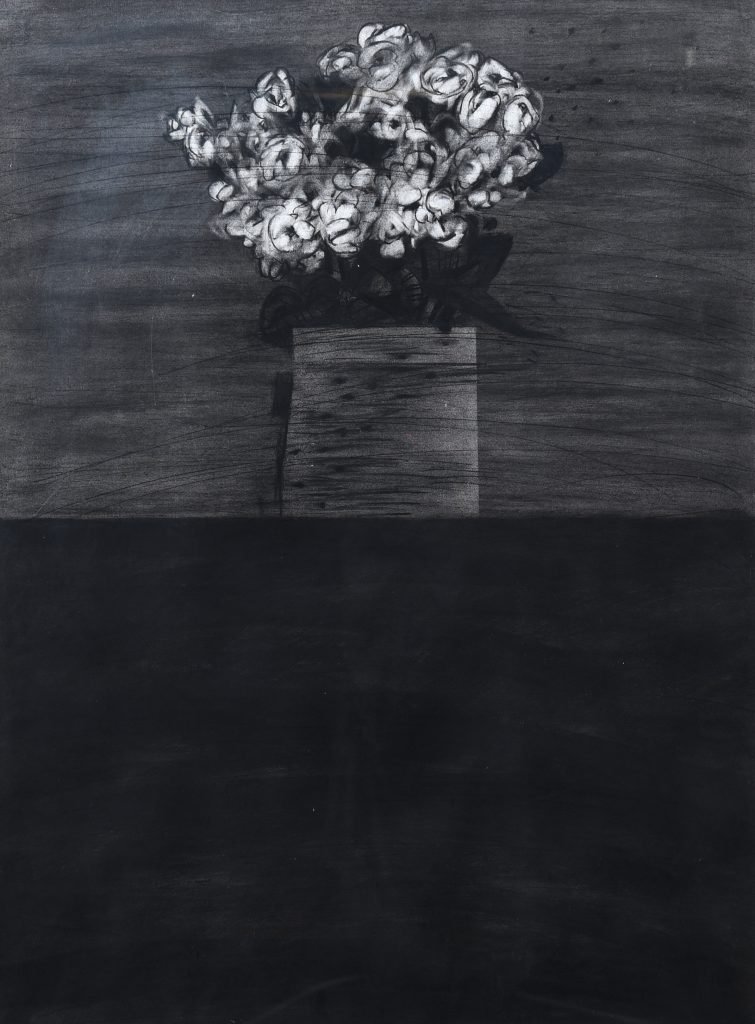
Abd Al-Laki
Abdul Ainnain 1950
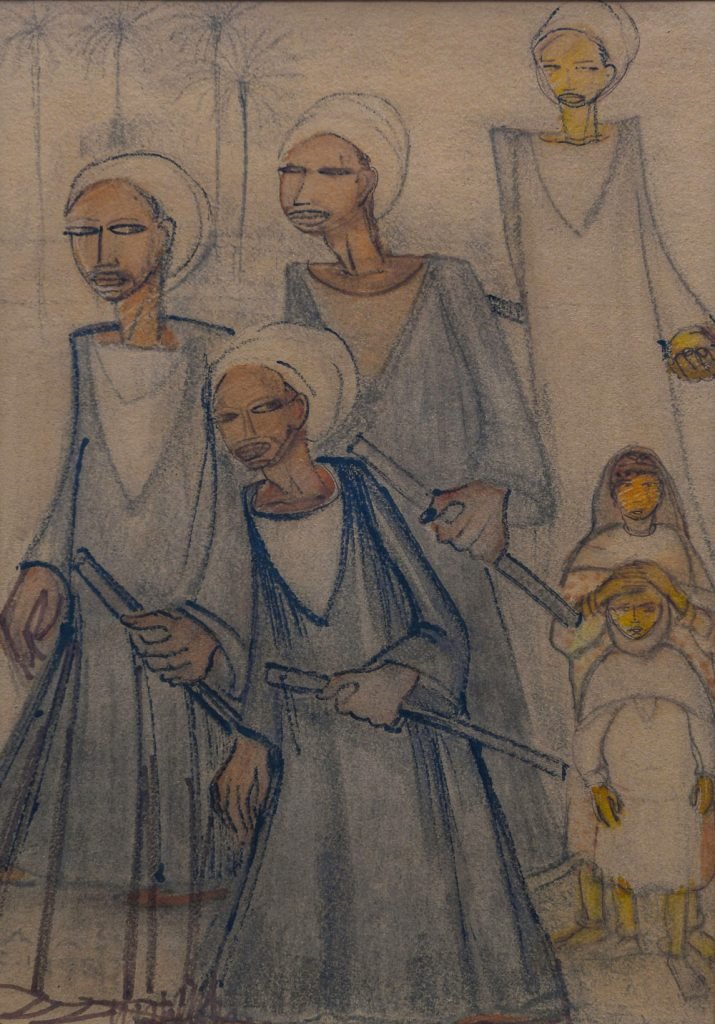
Abdul Aziz 1987
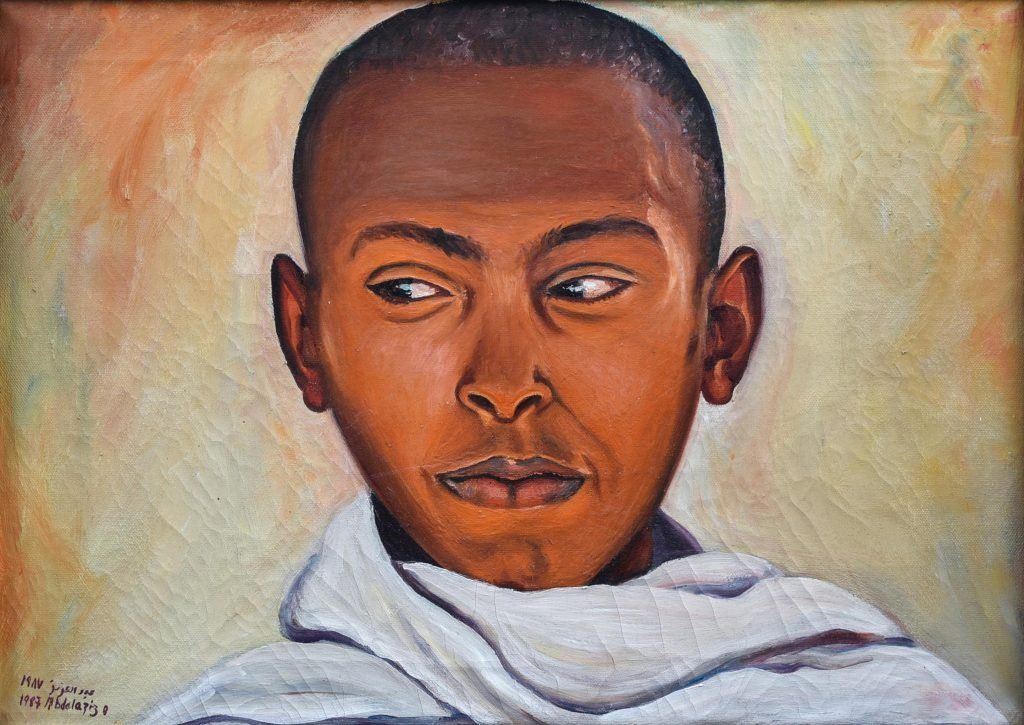
Ahmed Omar 1999
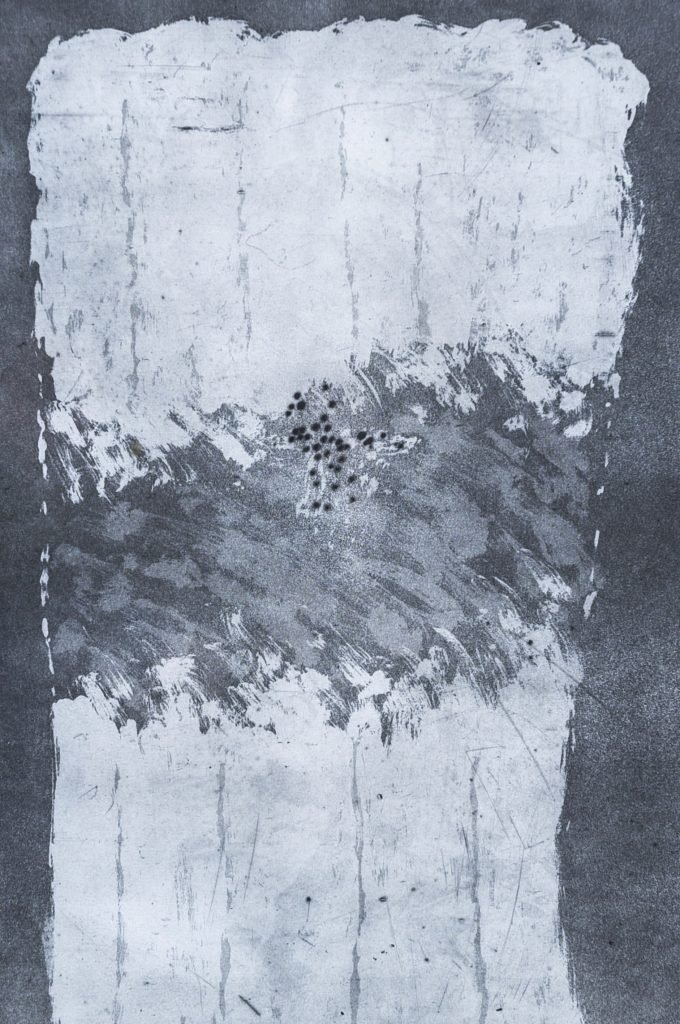
Ahmed Omar 1999
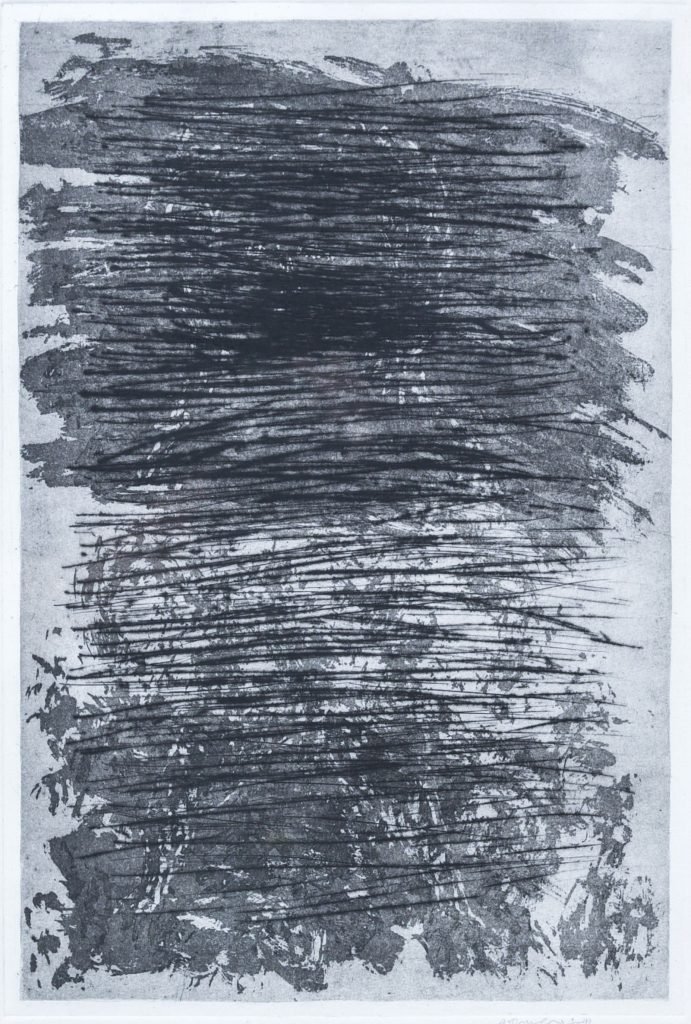
Ahmed Omar 1999
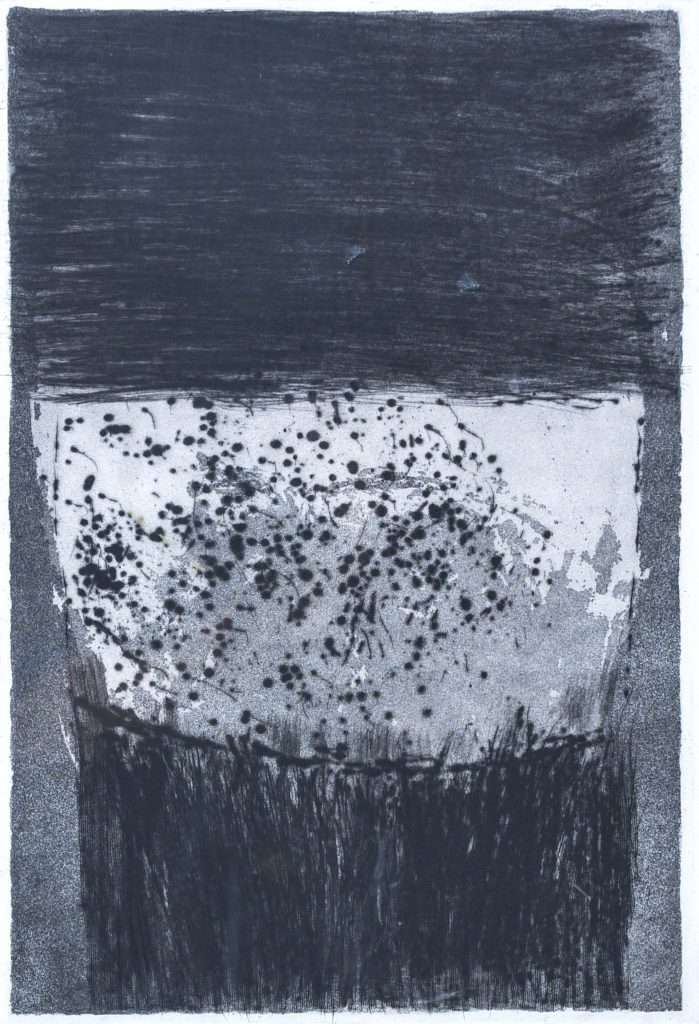
Bana Abdel Rahman 1992
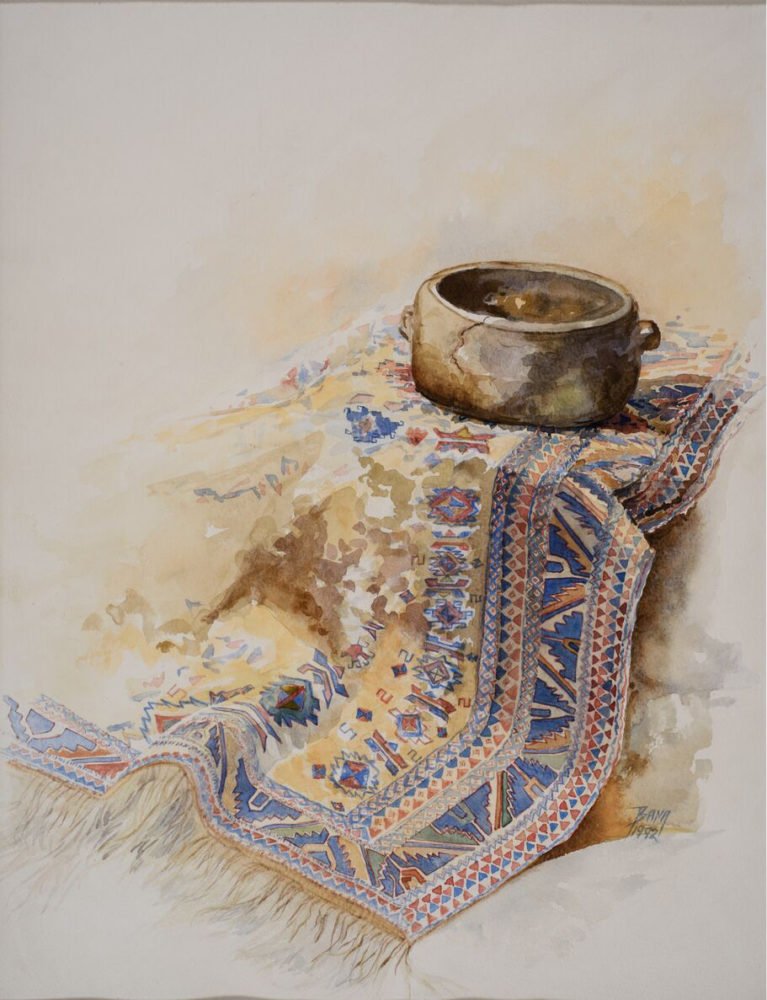
Bana Abdel Rahman 1997
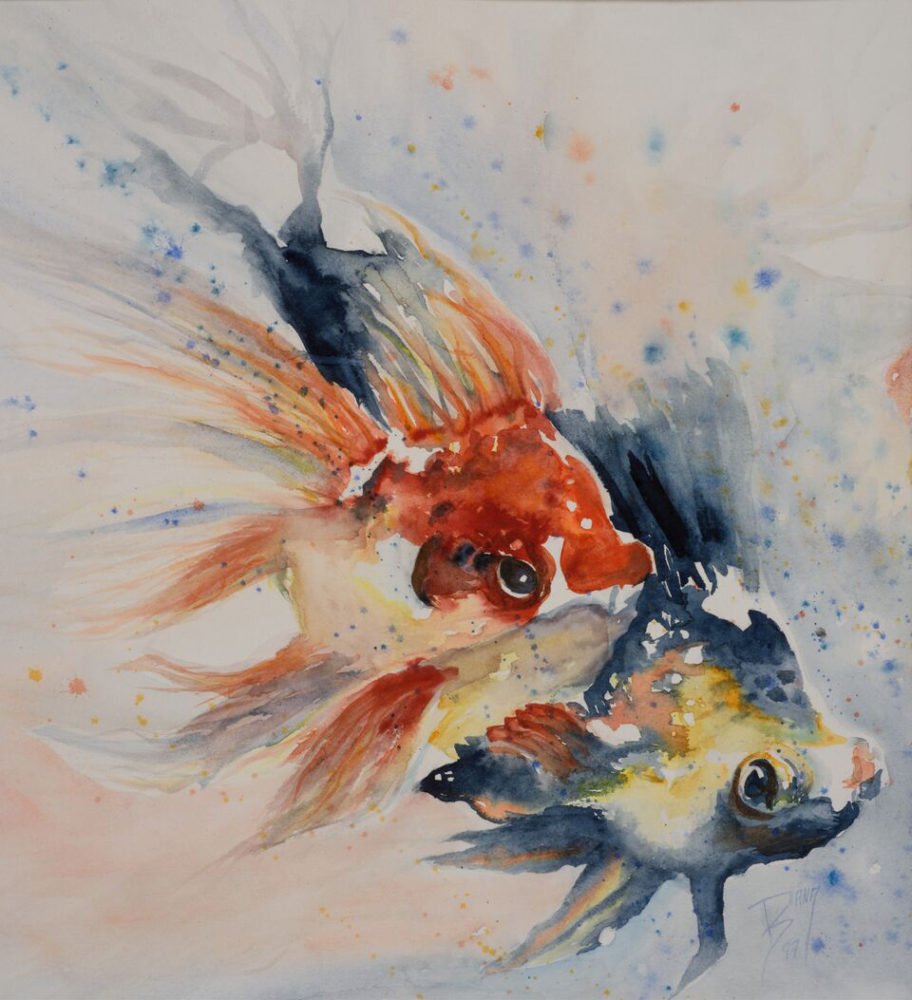
Bana Abdel Rahman 1997
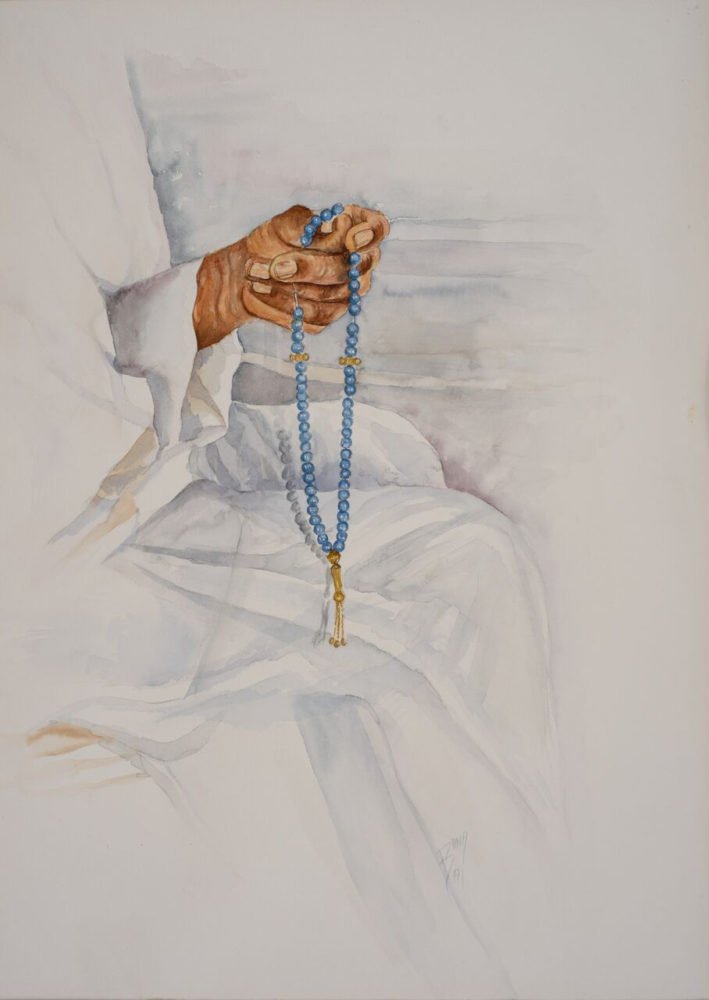
Bana Abdel Rahman
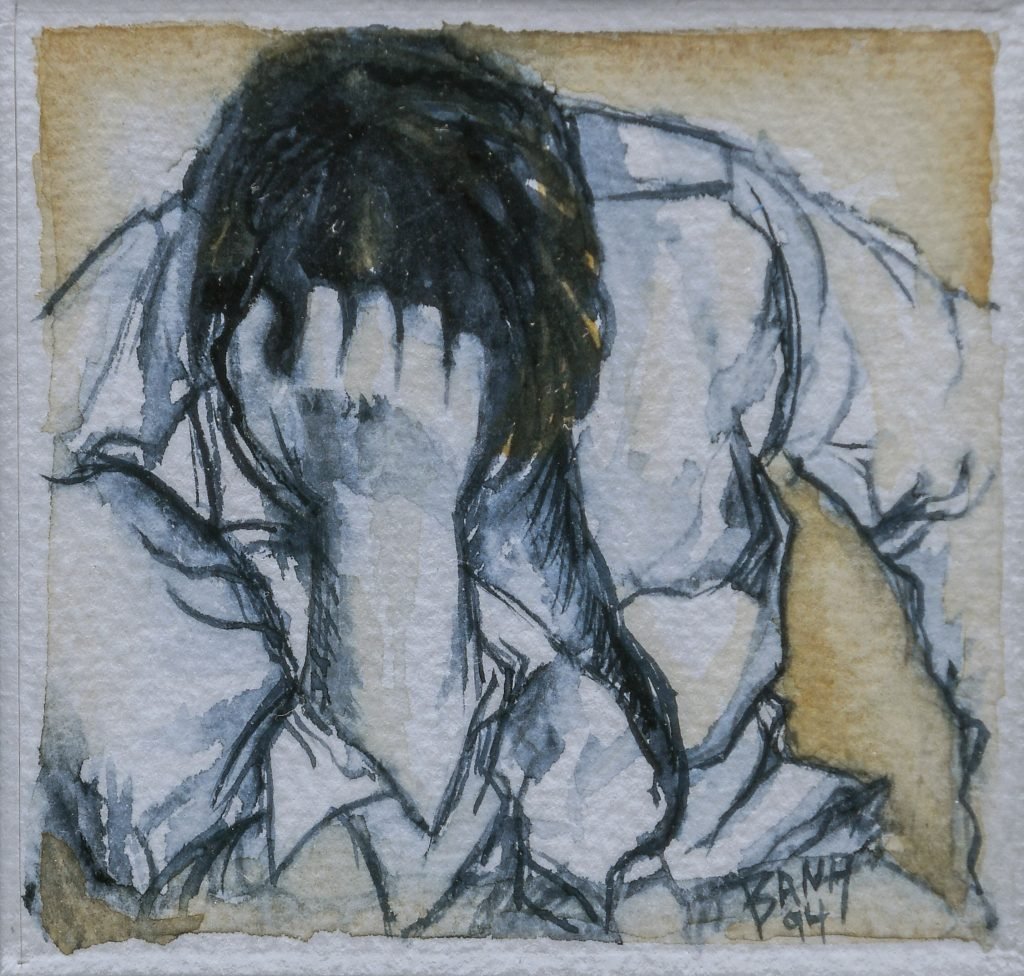
Bana Abdel Rahman 1994
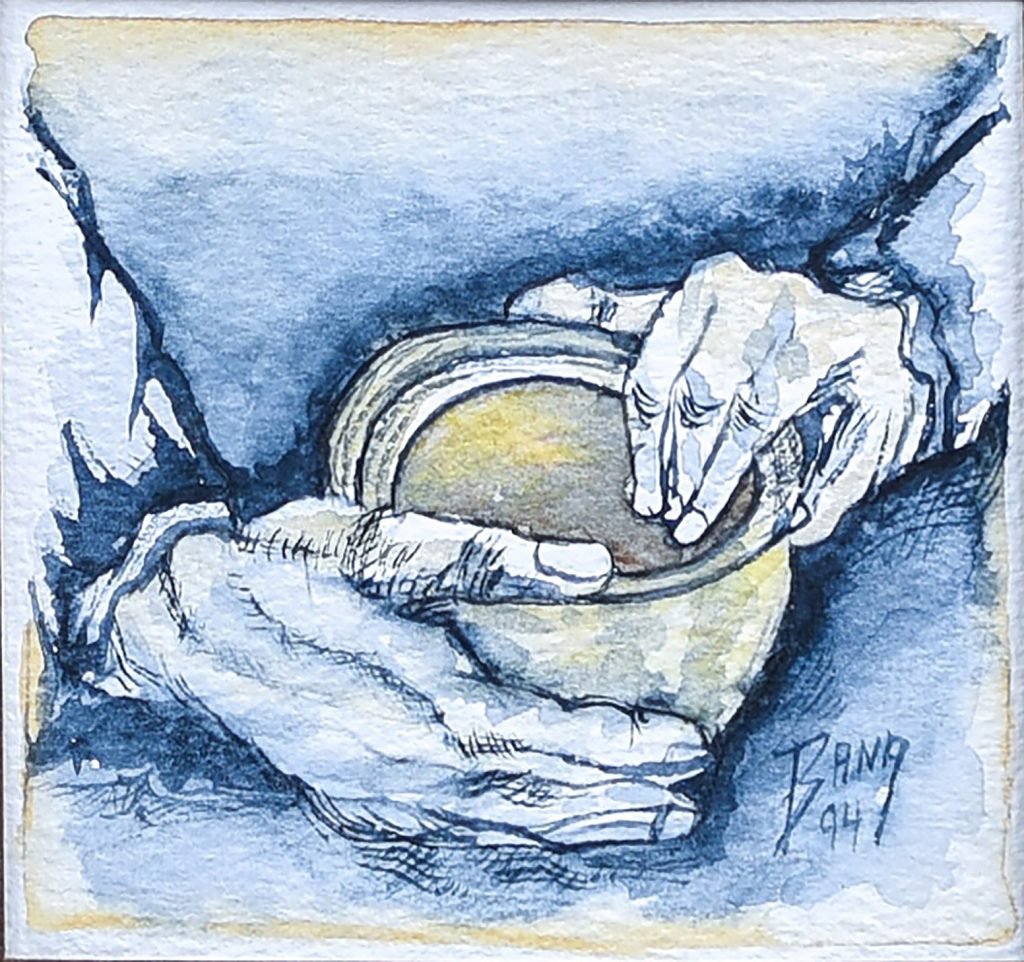
Bana Abdel Rahman 1993
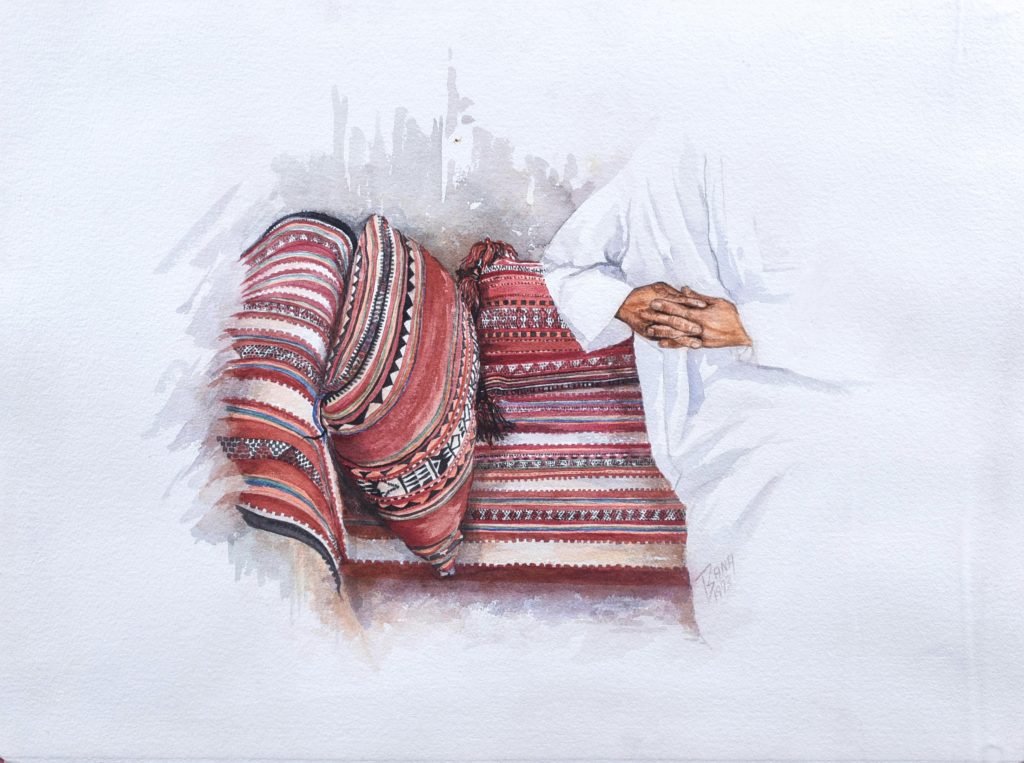
Beshara
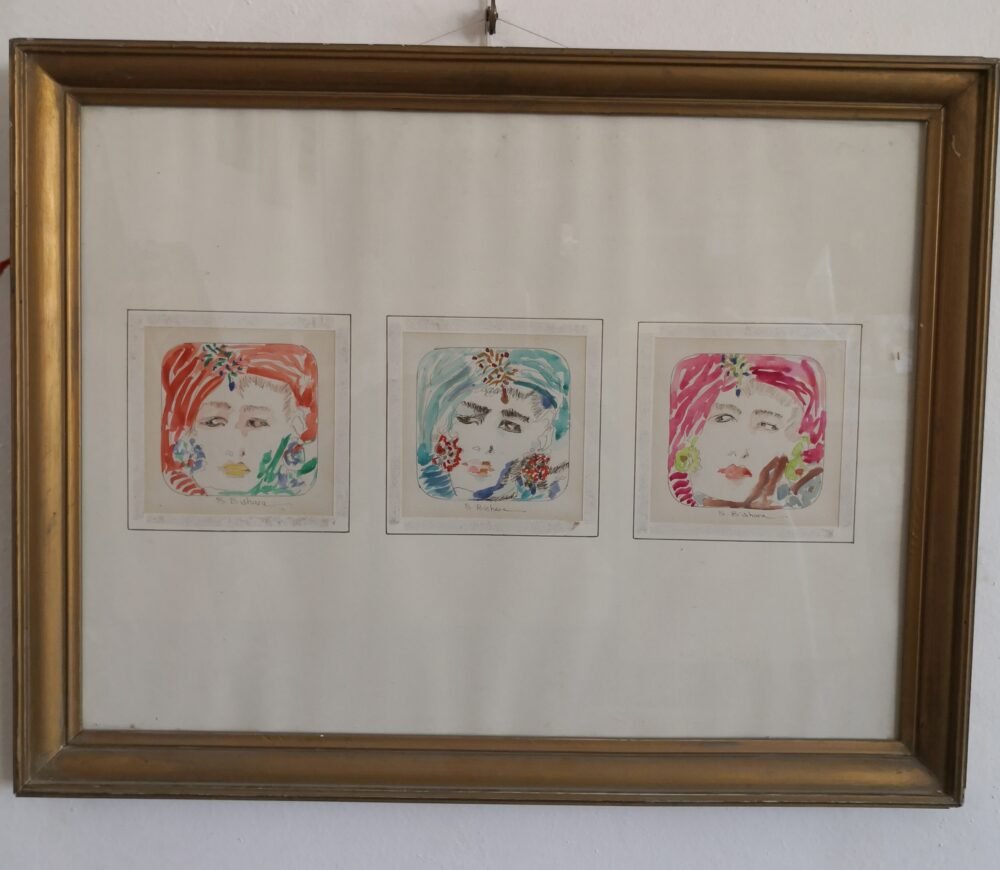
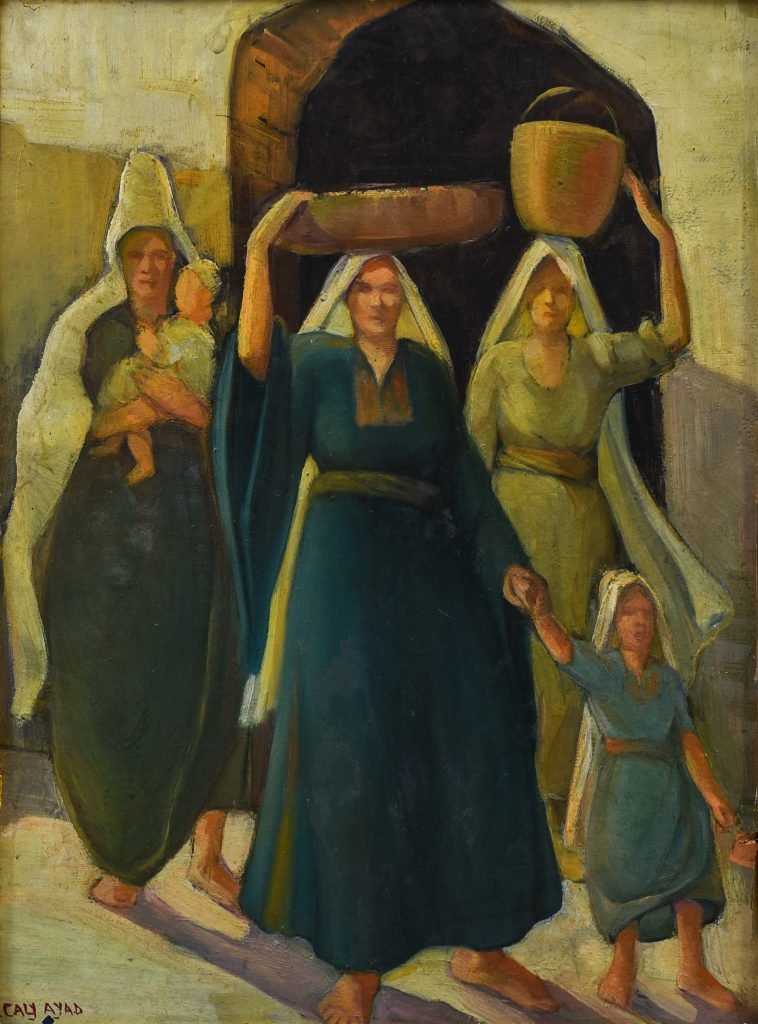
Ely Ayad
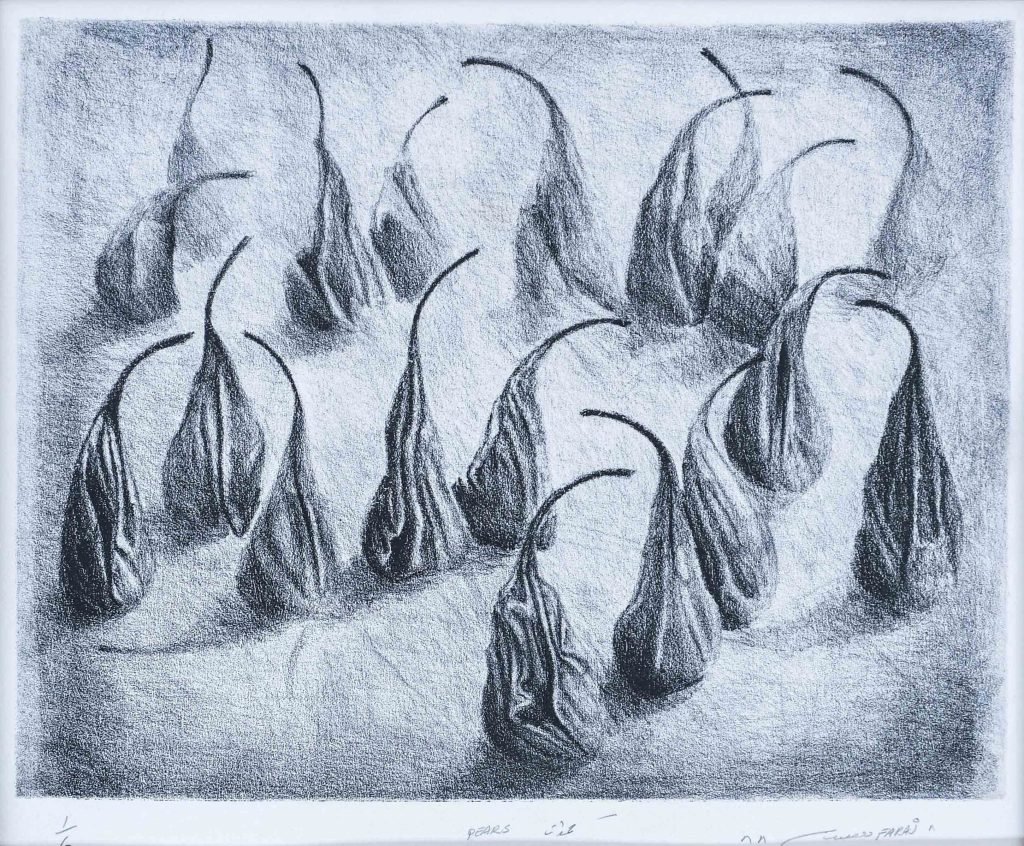
Faraj
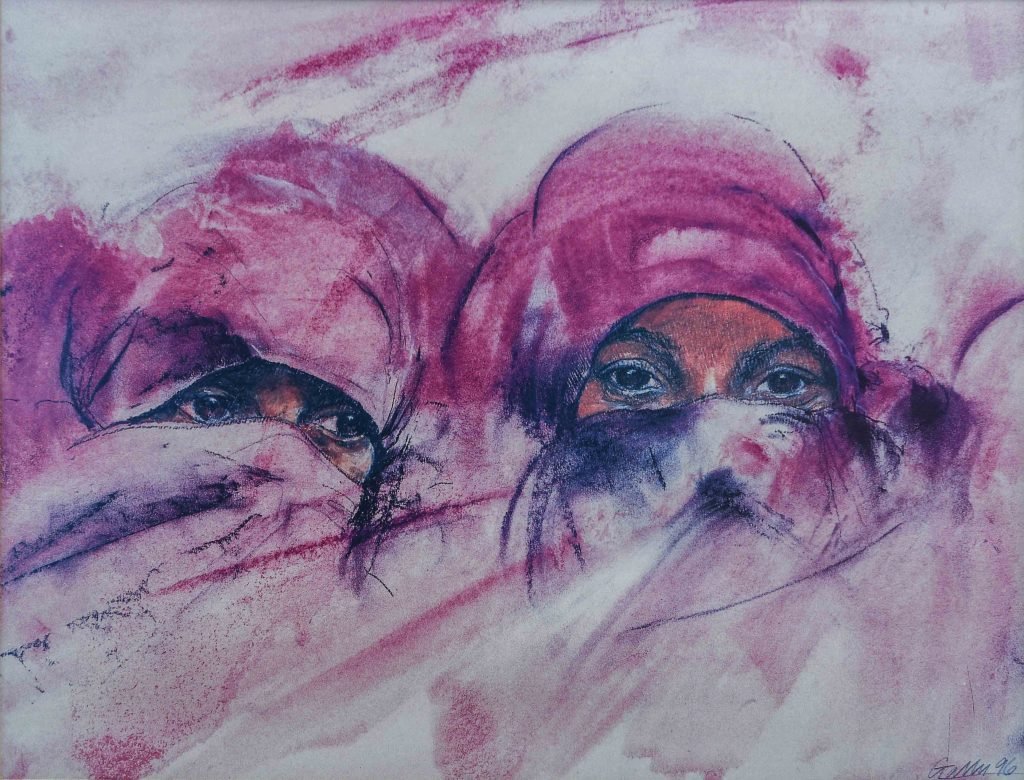
Gally 1996
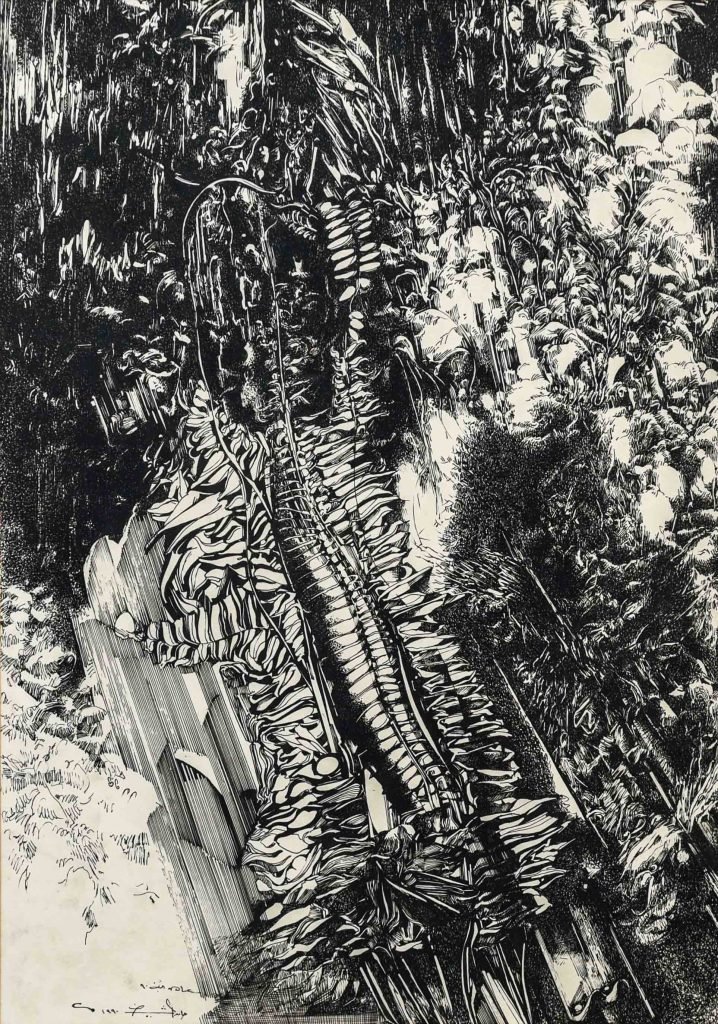
Hamed Al-Sheikh 1990
Hanaa 2002
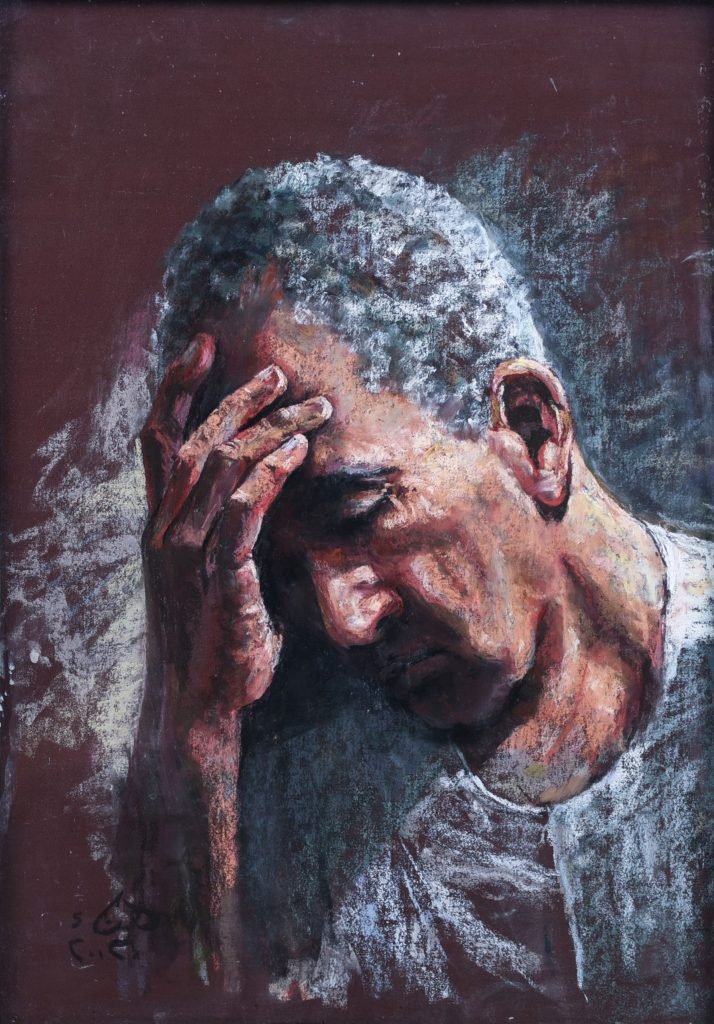
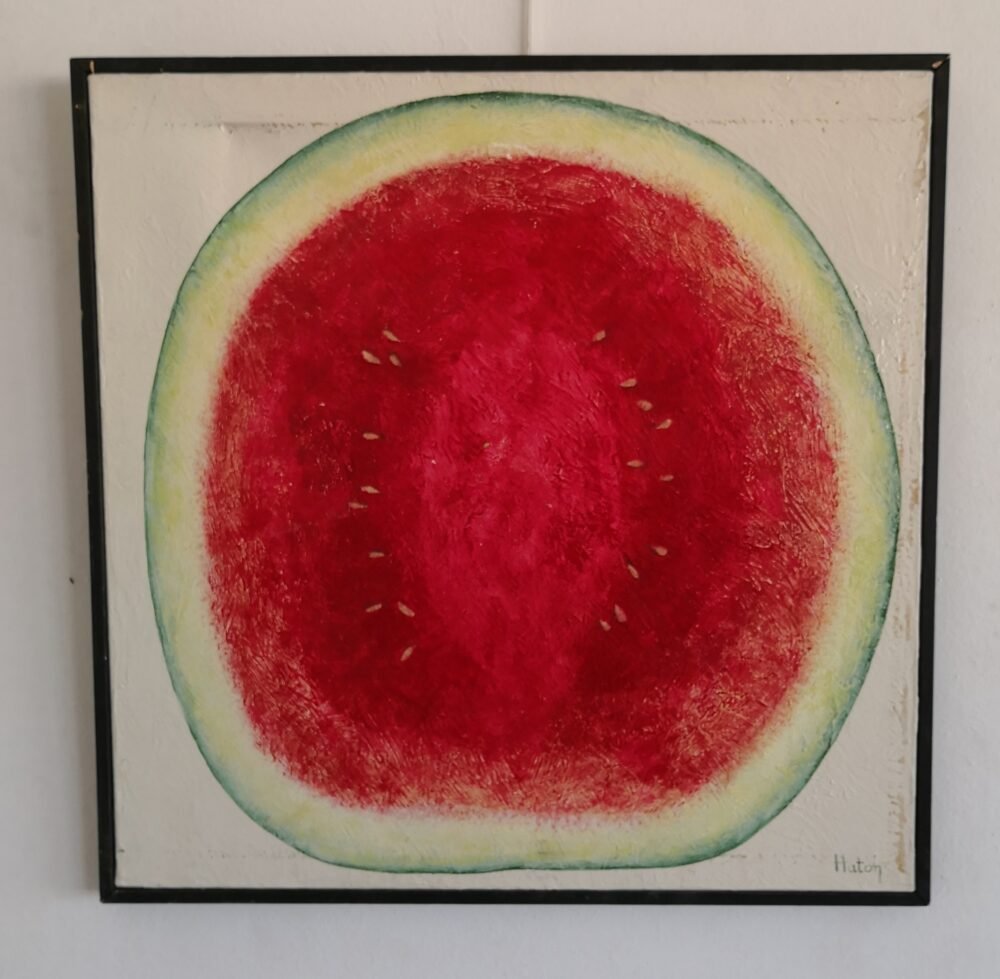
Hutoon
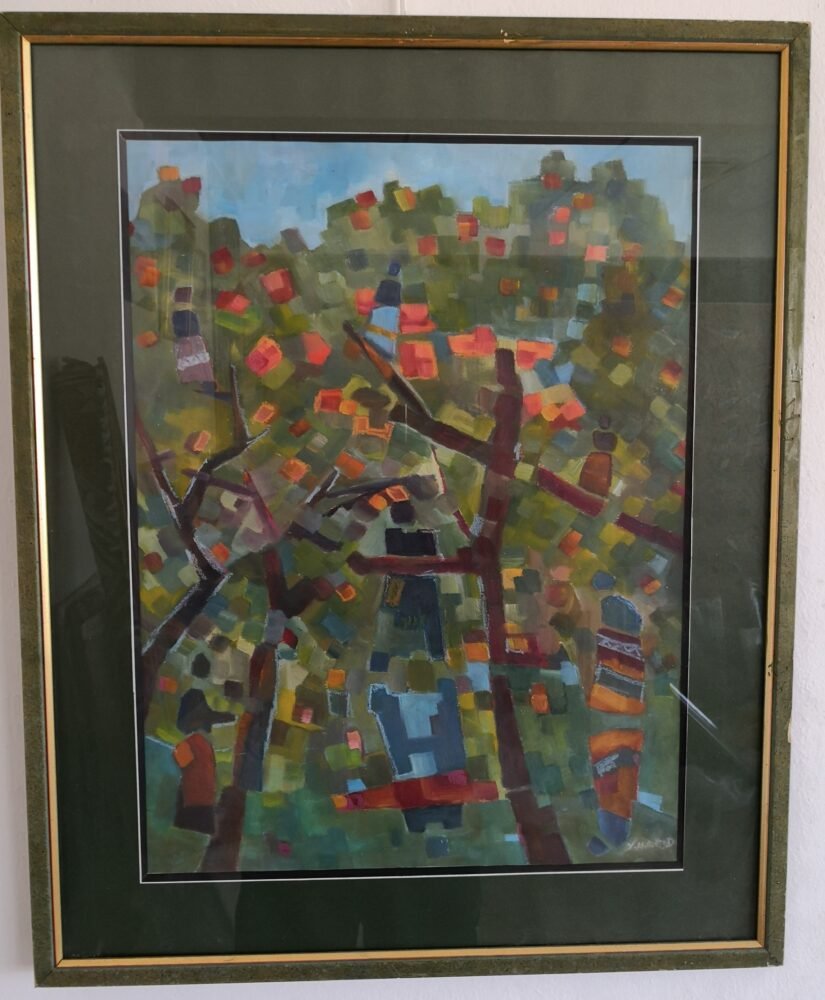
Hafiz Yousif
Jamal 1982
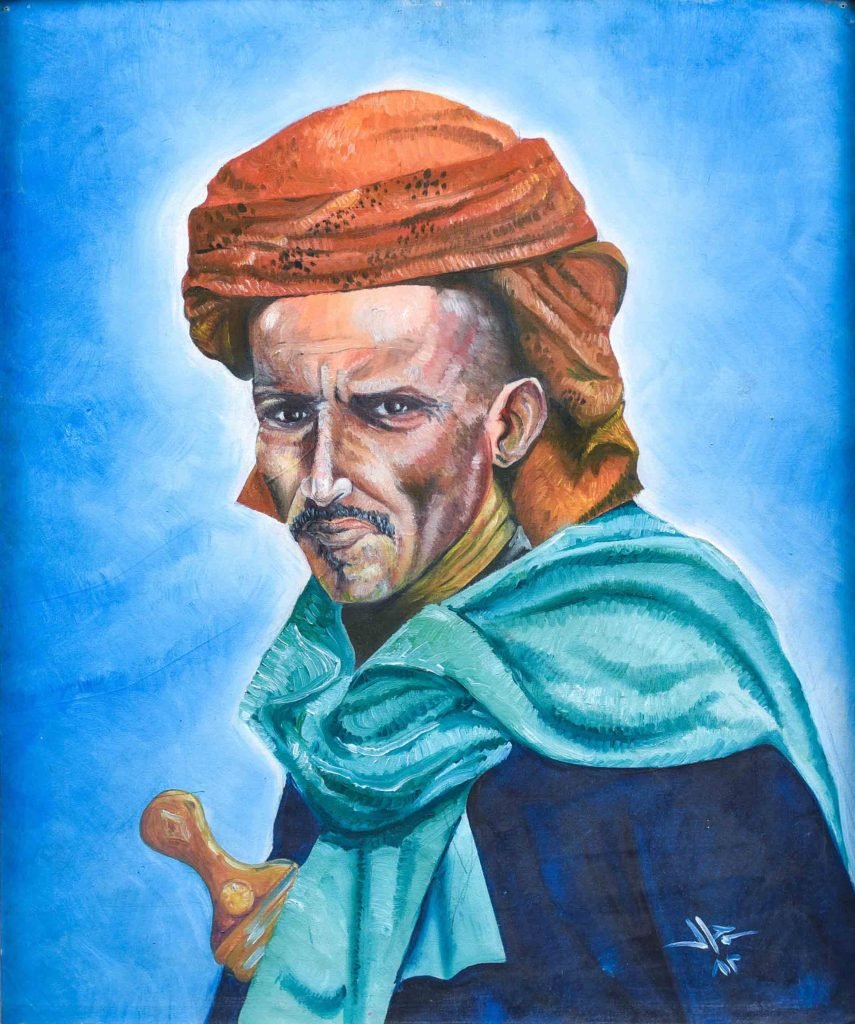
Jondy
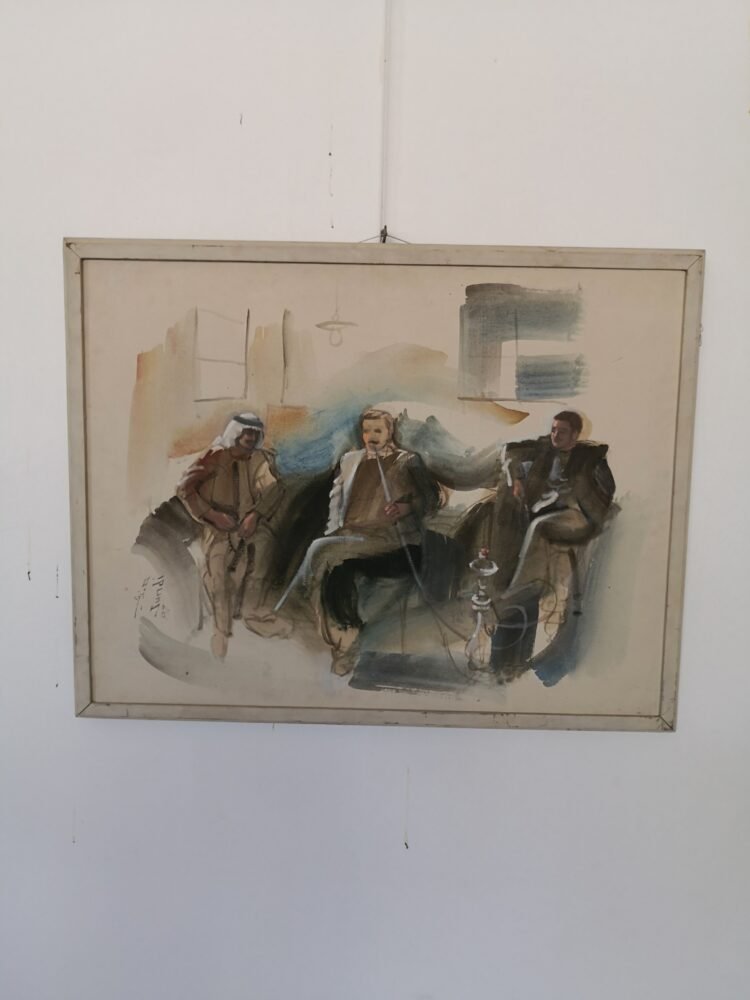
Khaled Elsonchy 2004
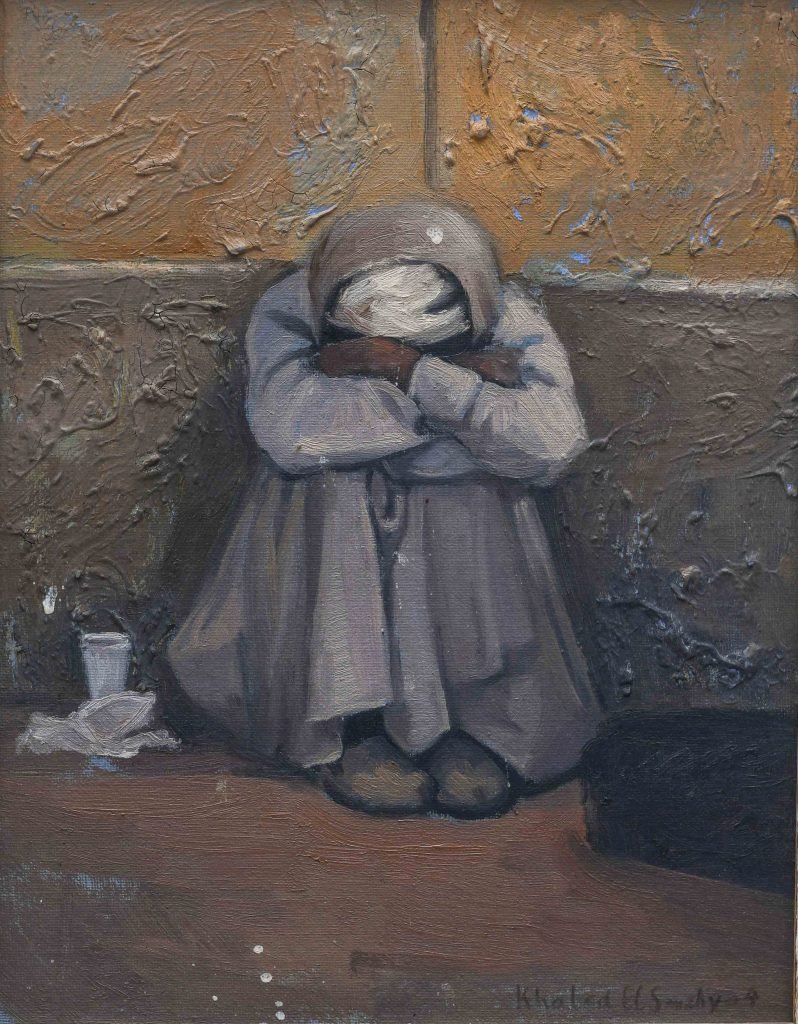
Khaled Al-Quood
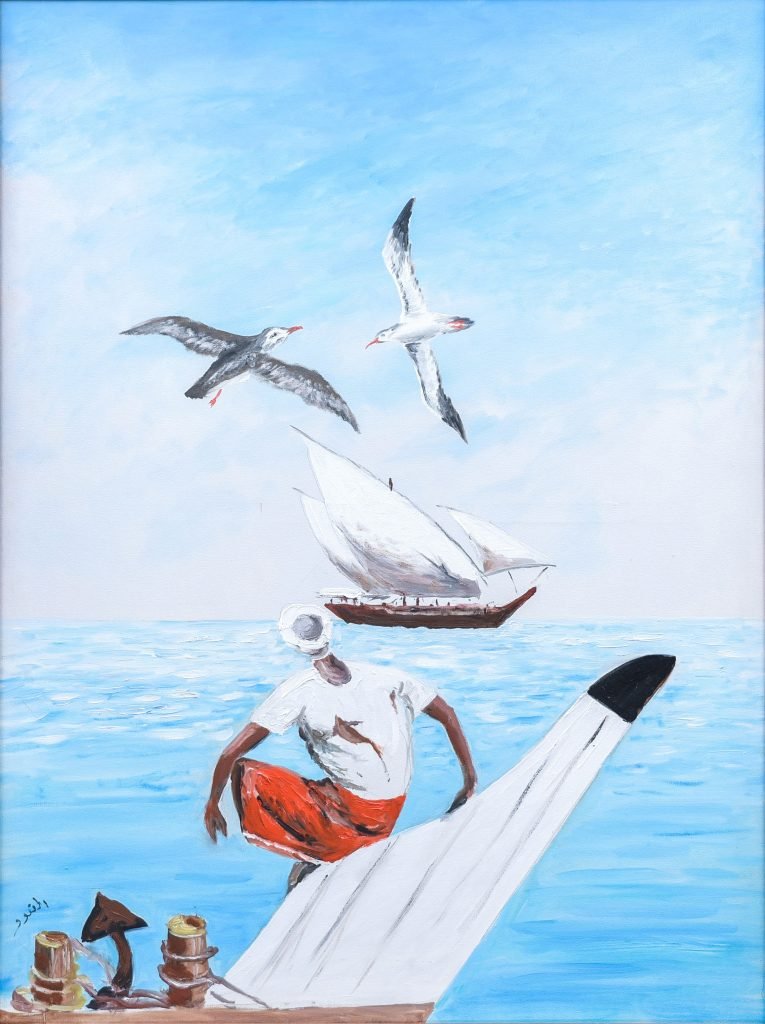
Khaled Al-Quood
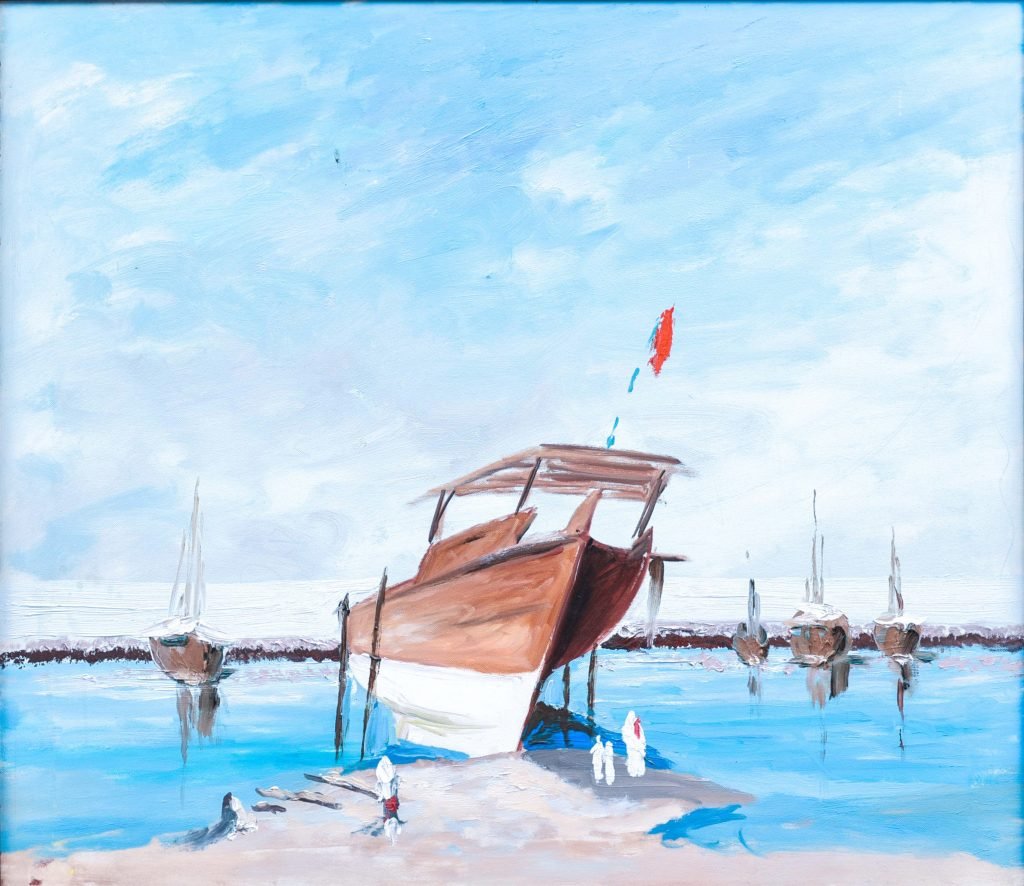
Khairy
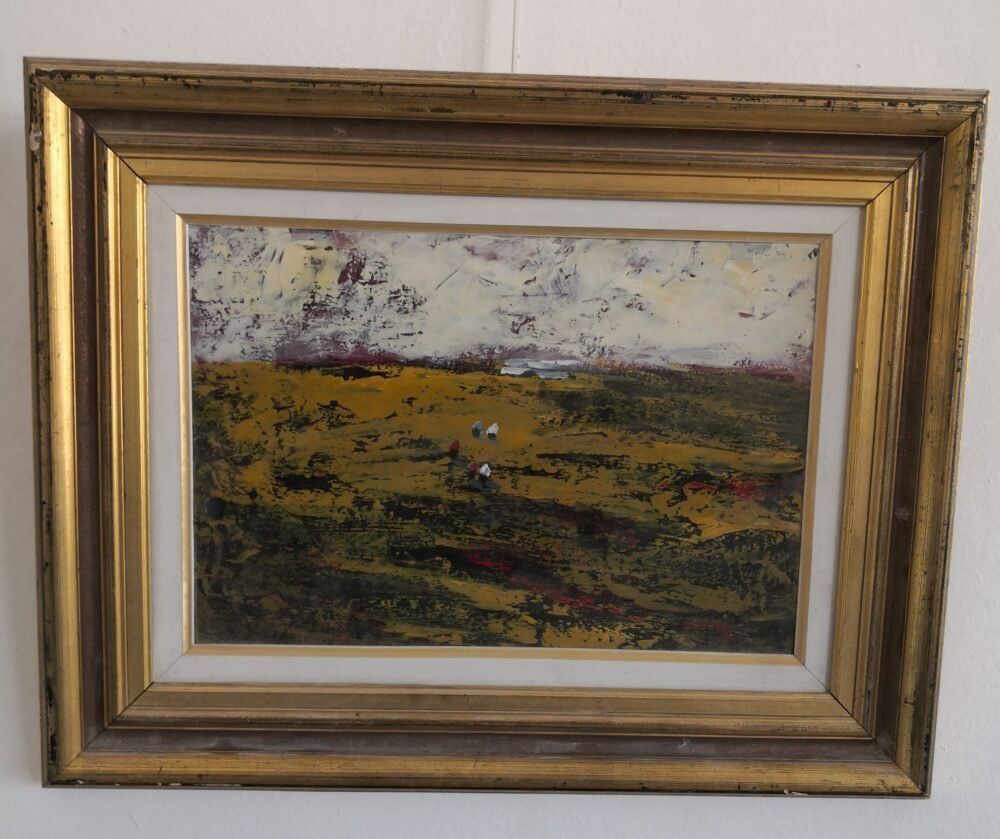
Mohammed Abdullah

Mohamed Ghanem
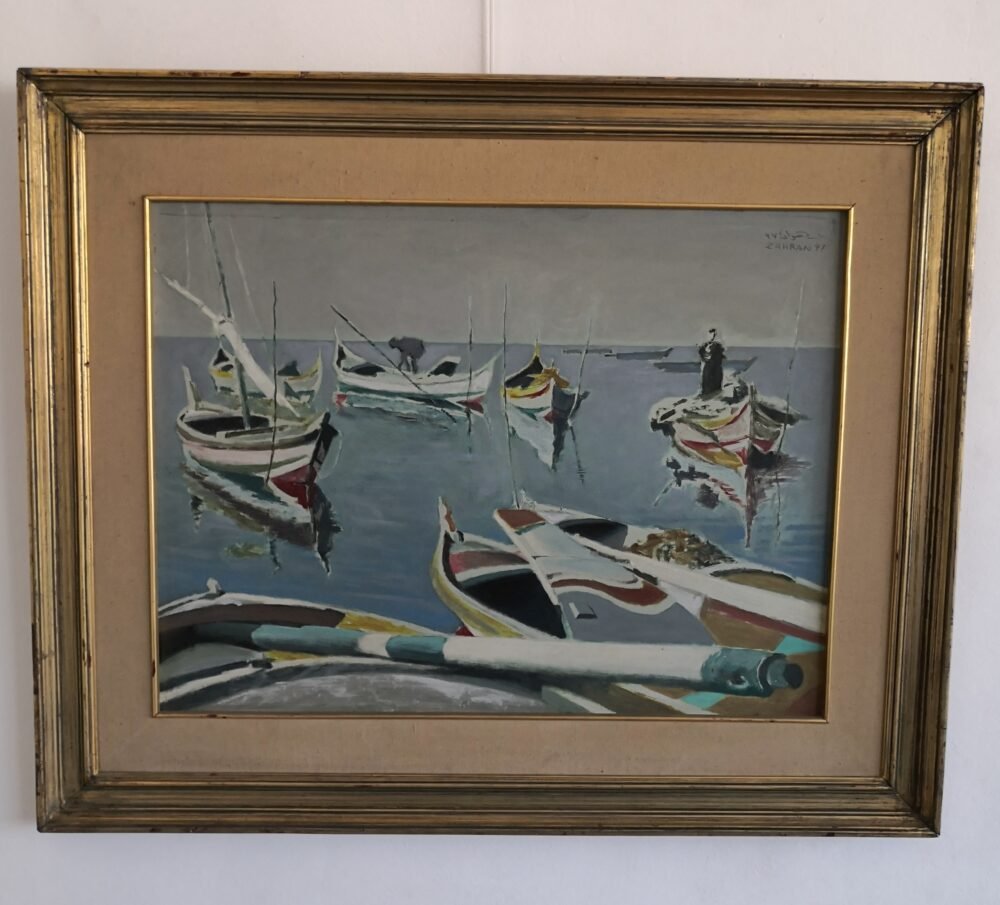
Mohamed Ghanem MG206
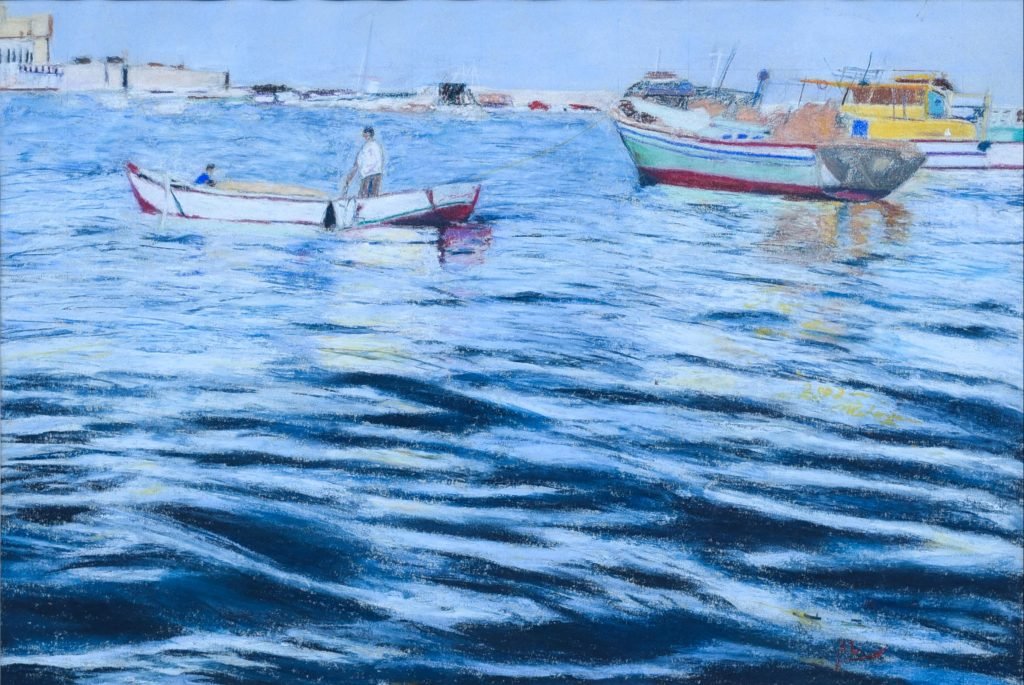
Mohamed Hassan Zaki 2003
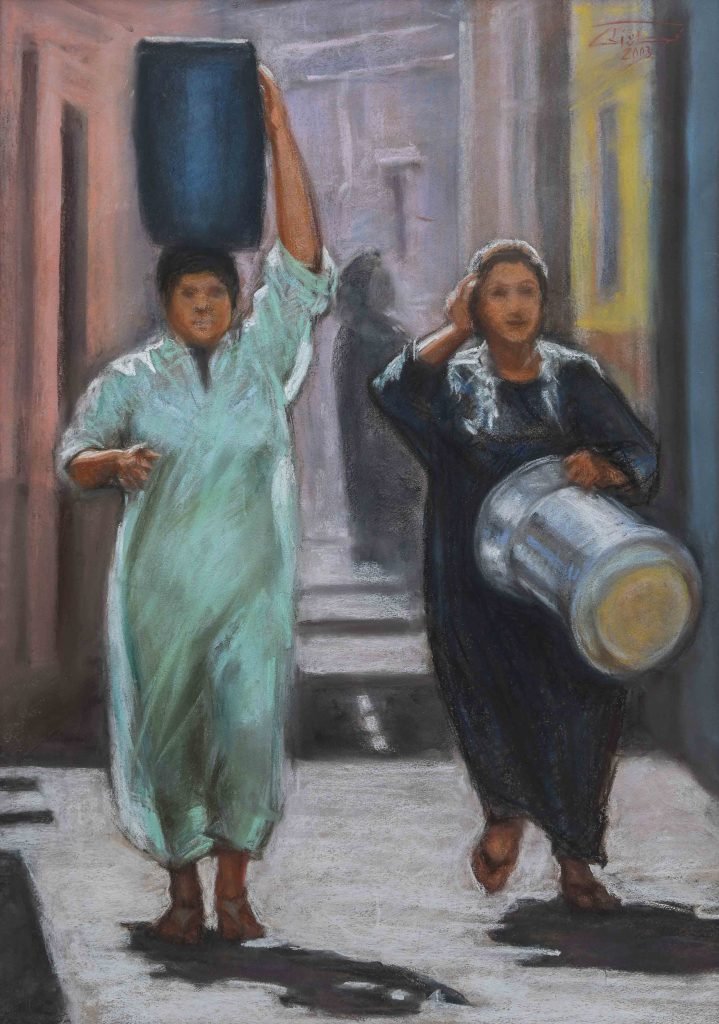
Mohammed Nour
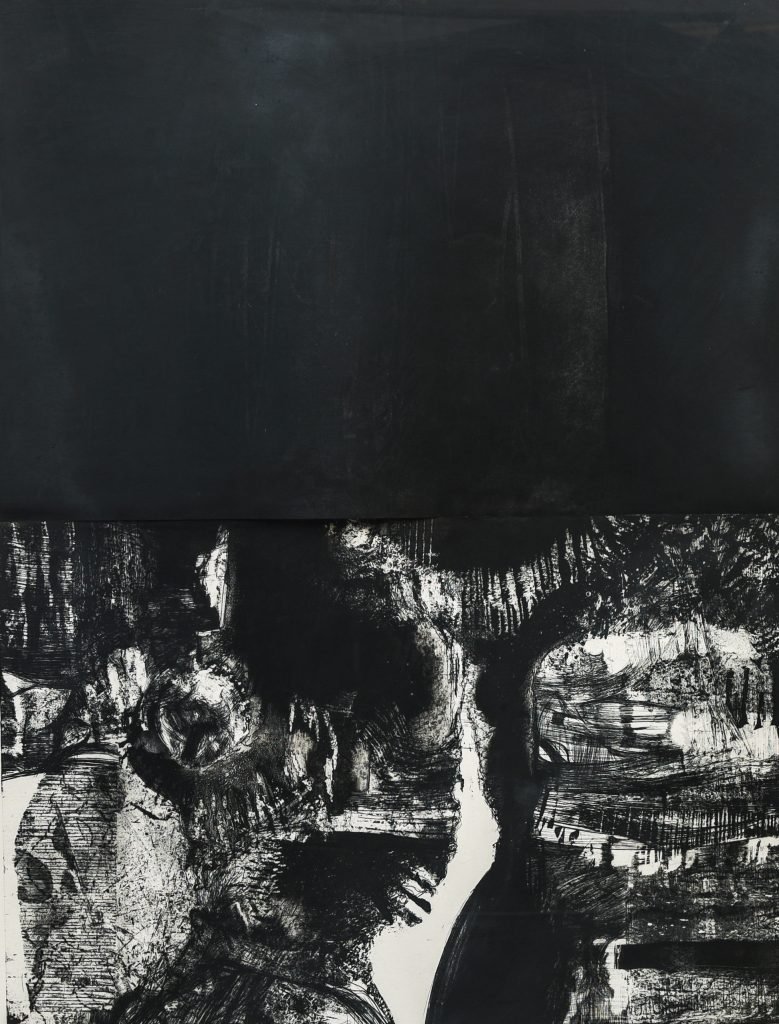
Mohamed Qadid 1997
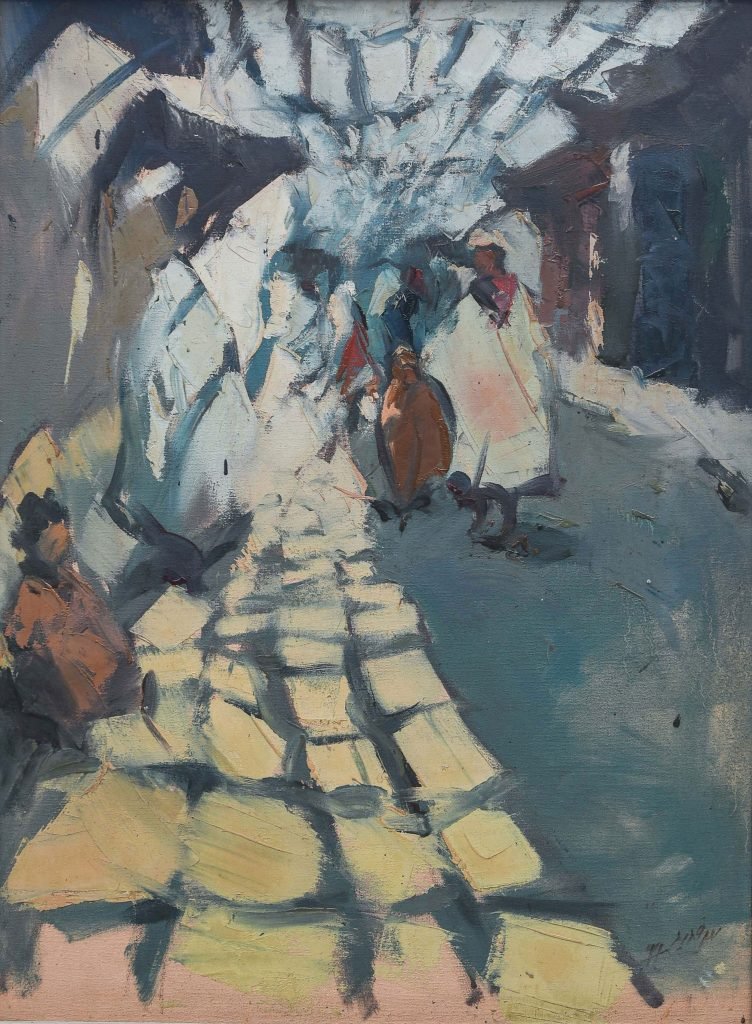
Mohamed Qadid 1991
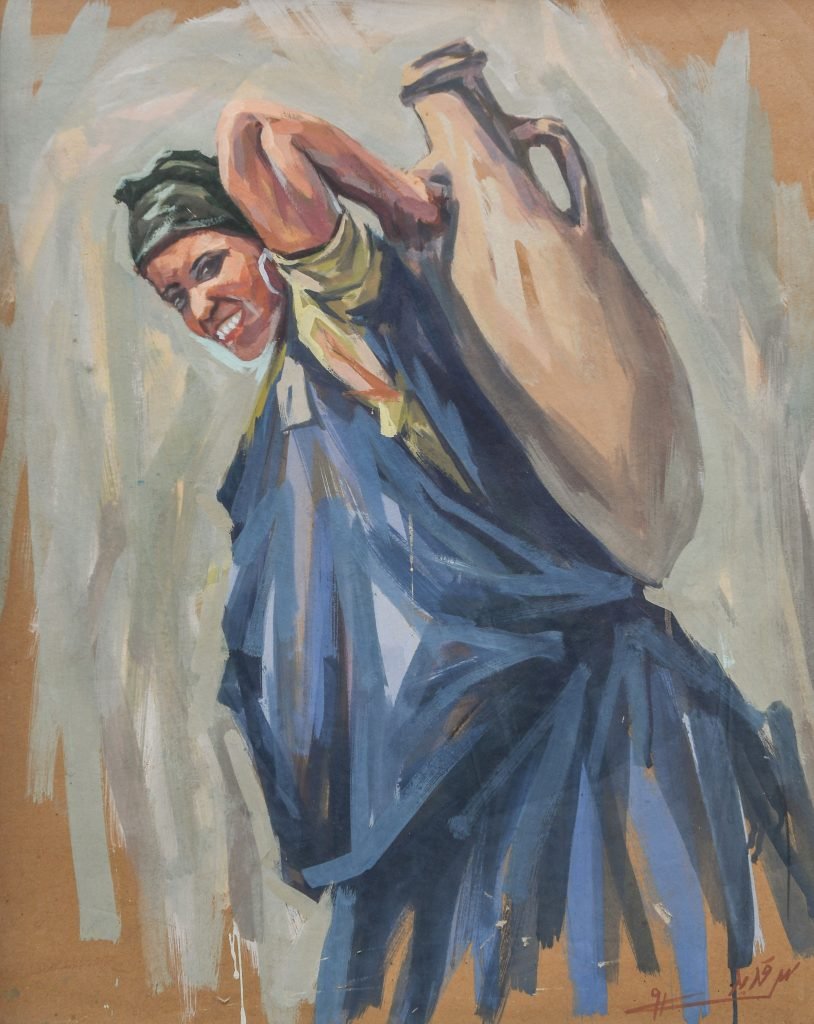
Mohammed Yousef Badr
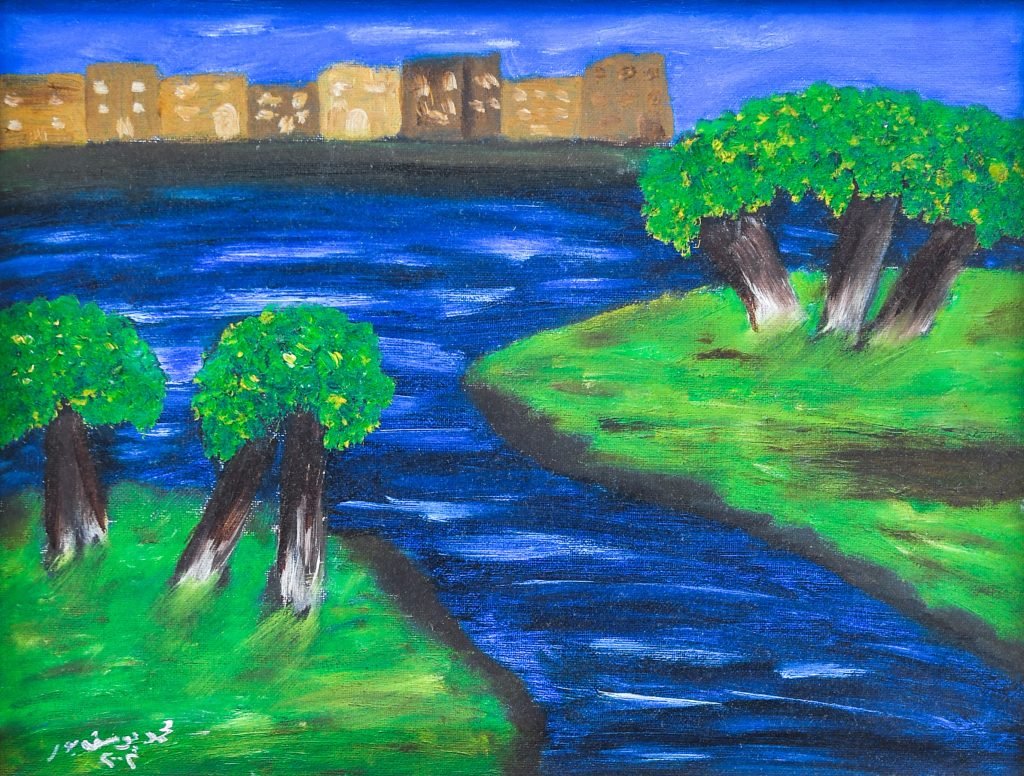
Mohammed Yousef Badr
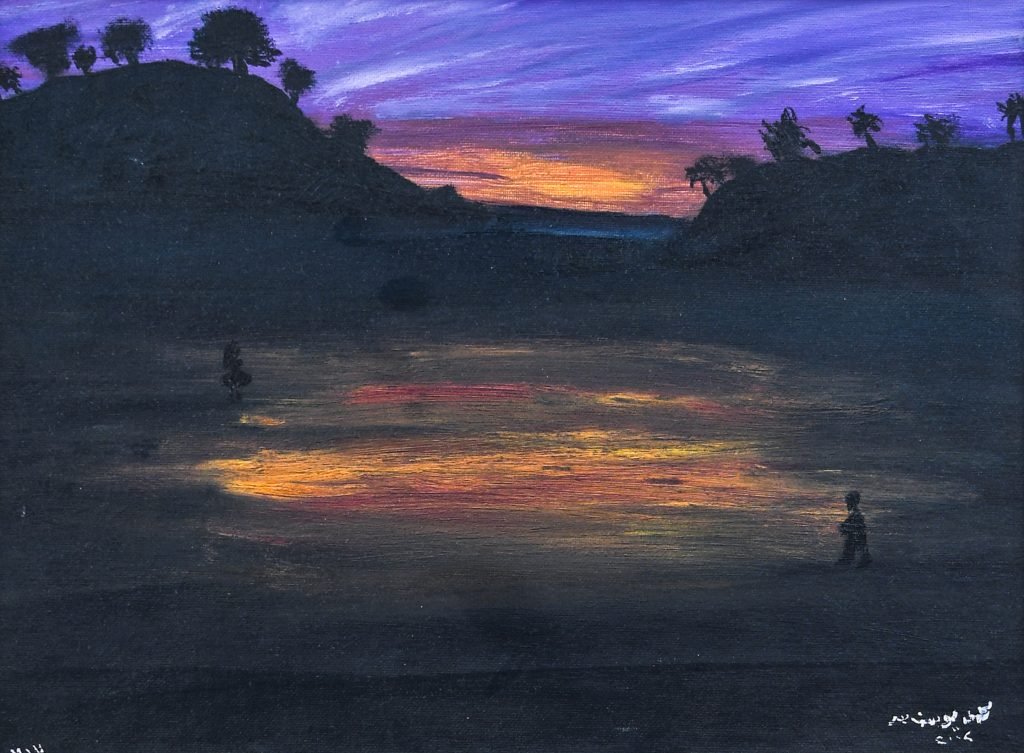
Nagham Al-Khateeb 1996
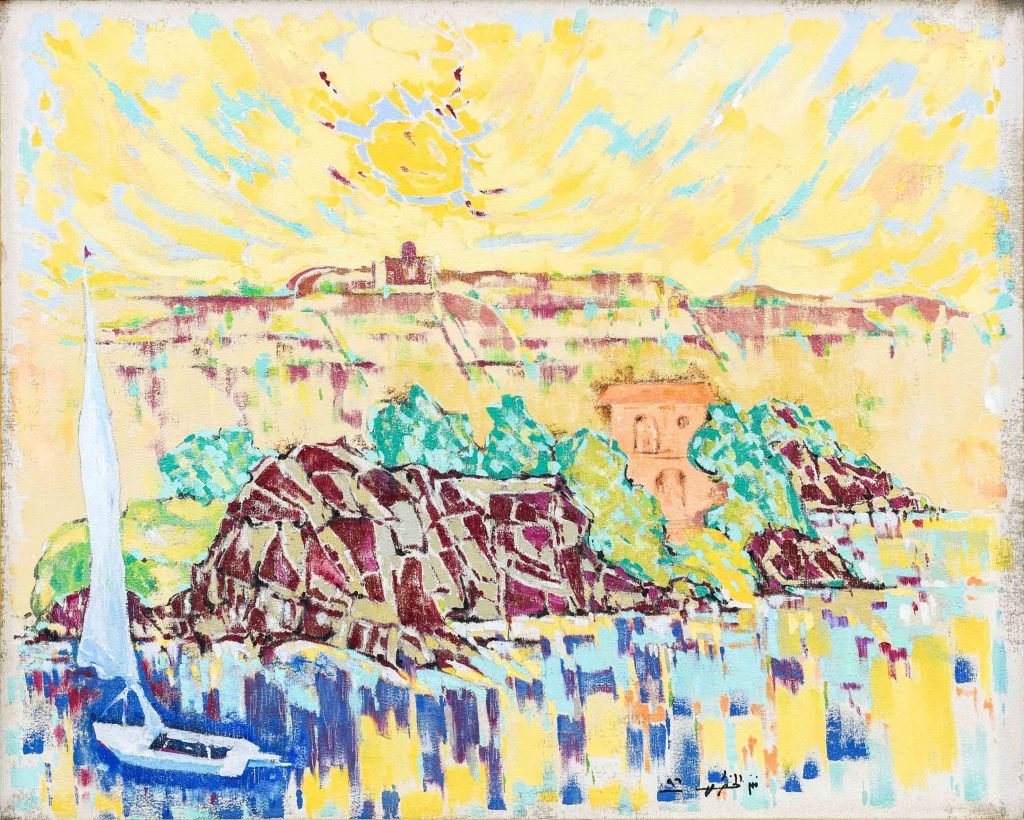
Khaled Al Jader
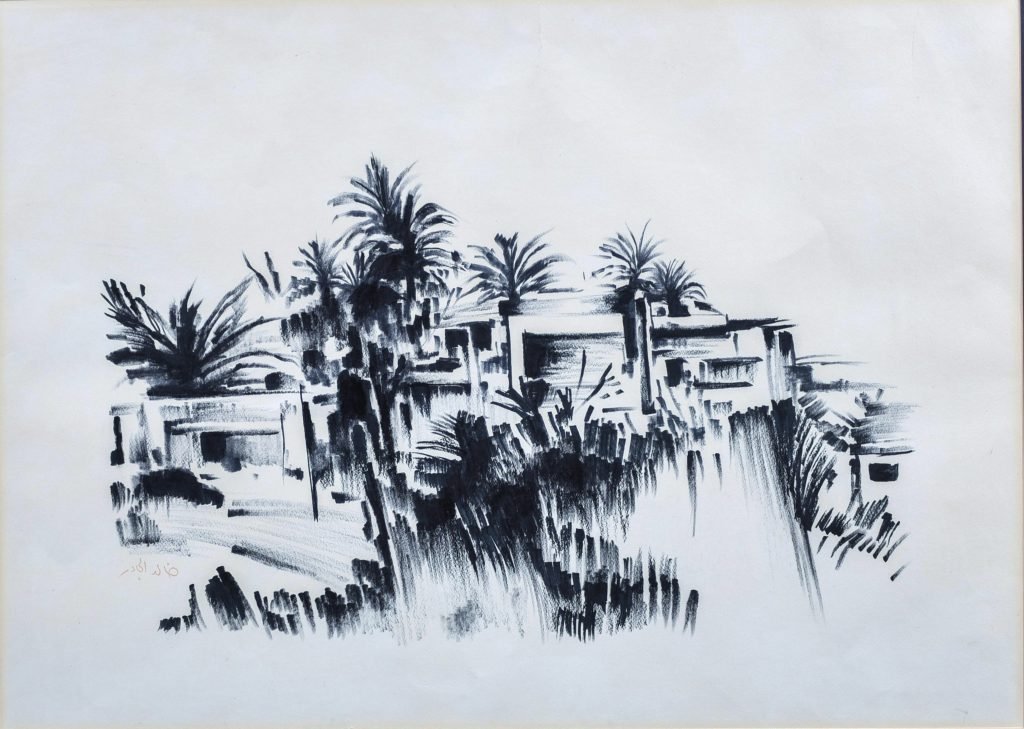
Ismael Al-Sheikhly
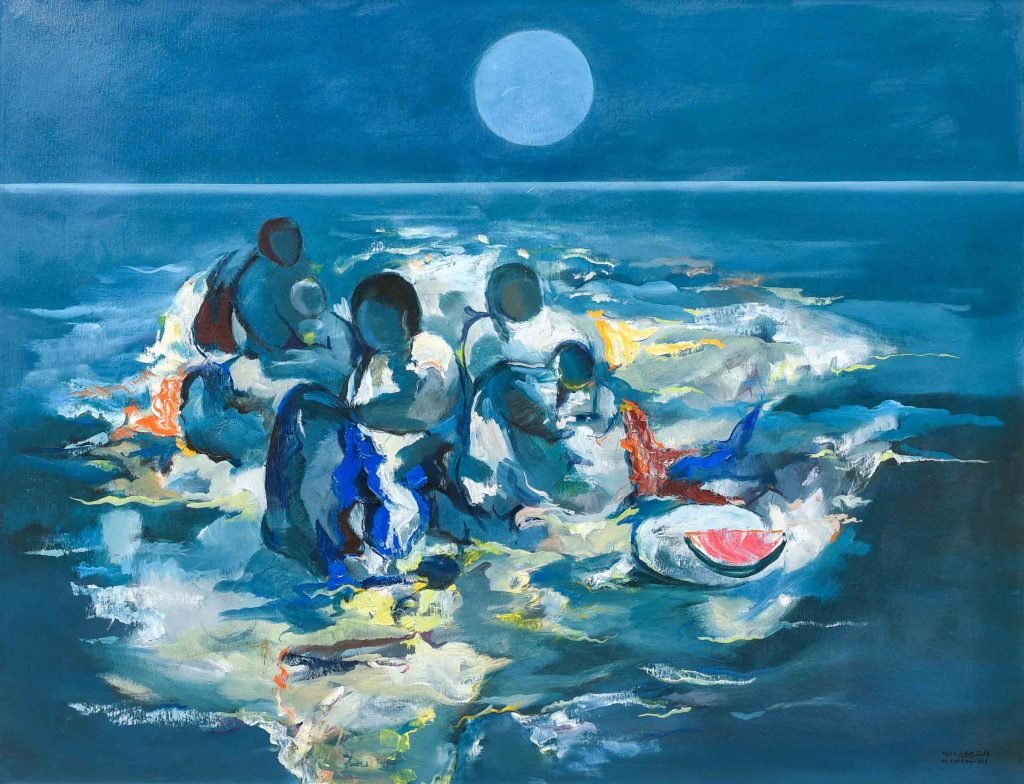
Fakher Mohamed 1988
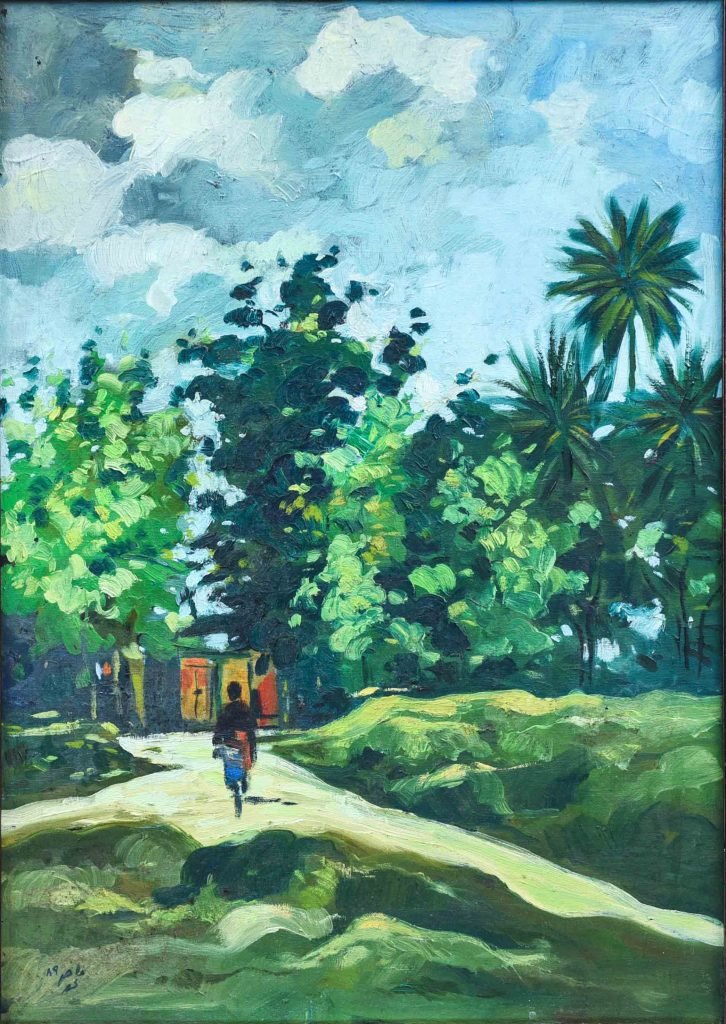
Fakher Mohamed
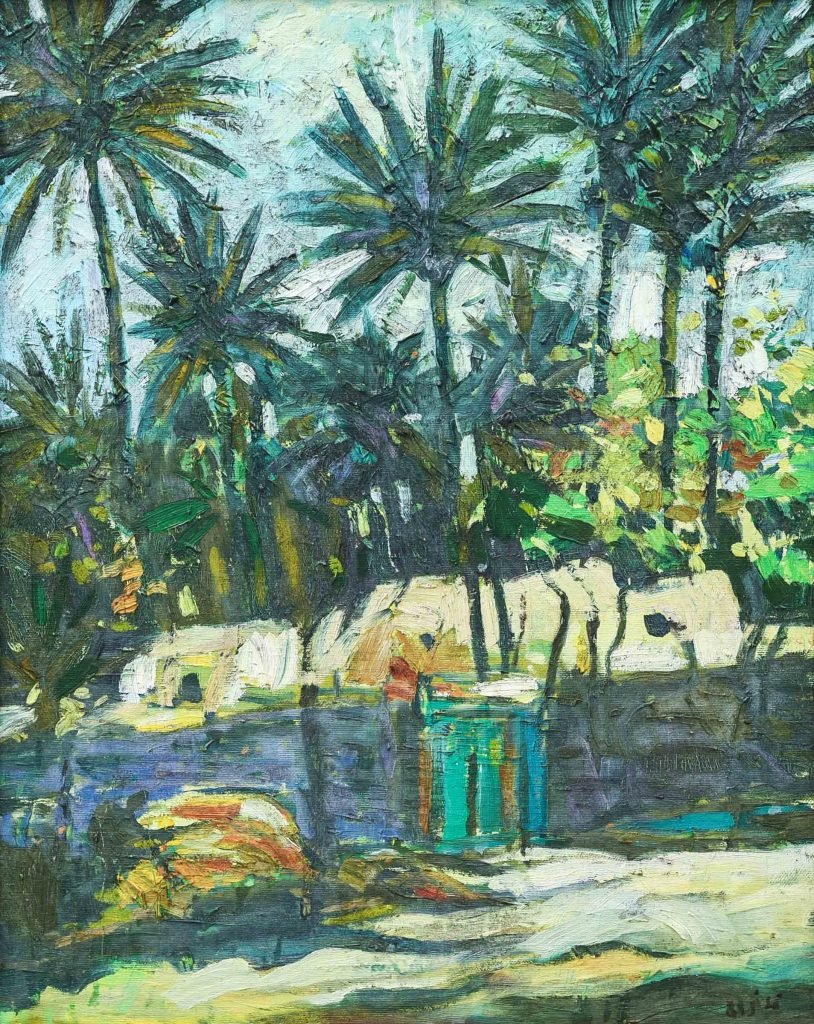
Fakher Mohamed 1979
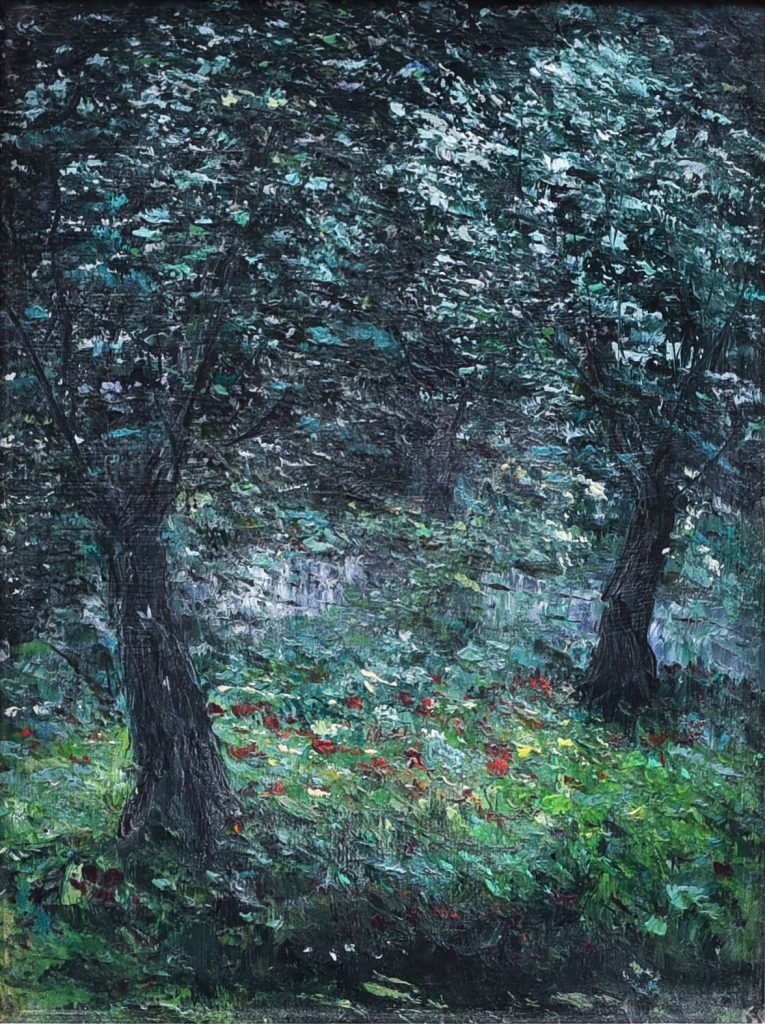
Fakher Mohamed 1989
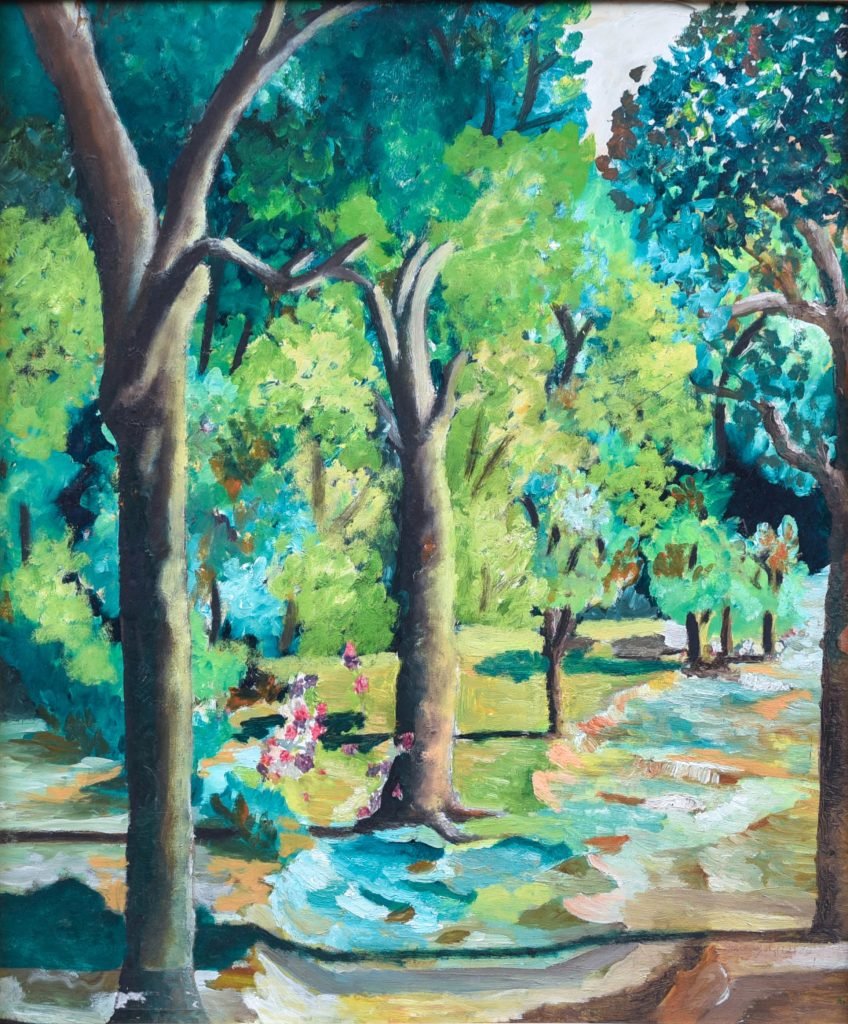
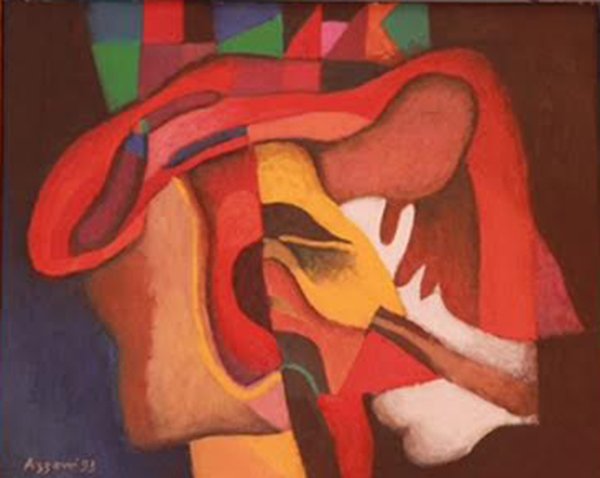
Dia Azzawi 1993
AbdulQader AlRais 1970
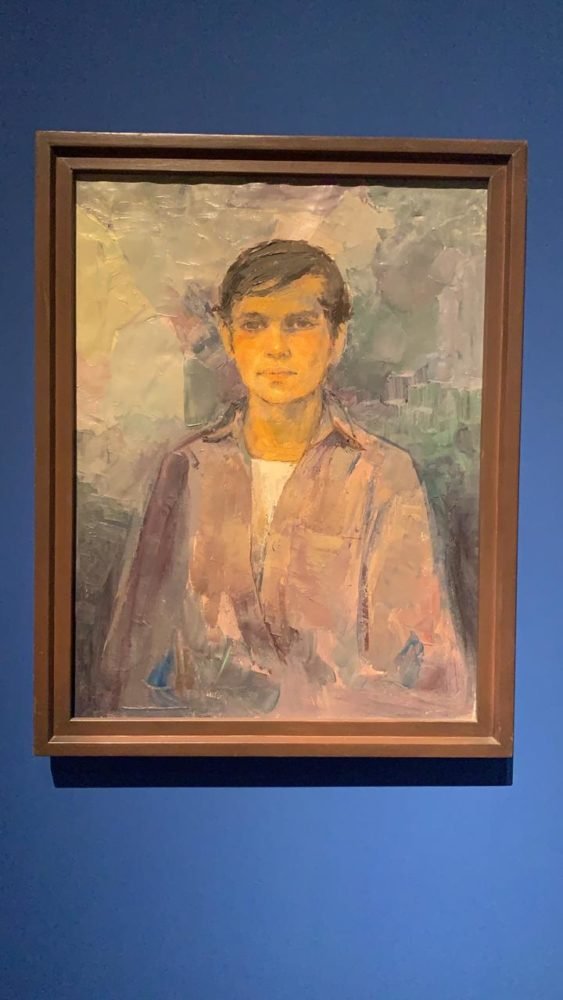
Self-portrait Oil on Canvas
Hind Adnan 2005
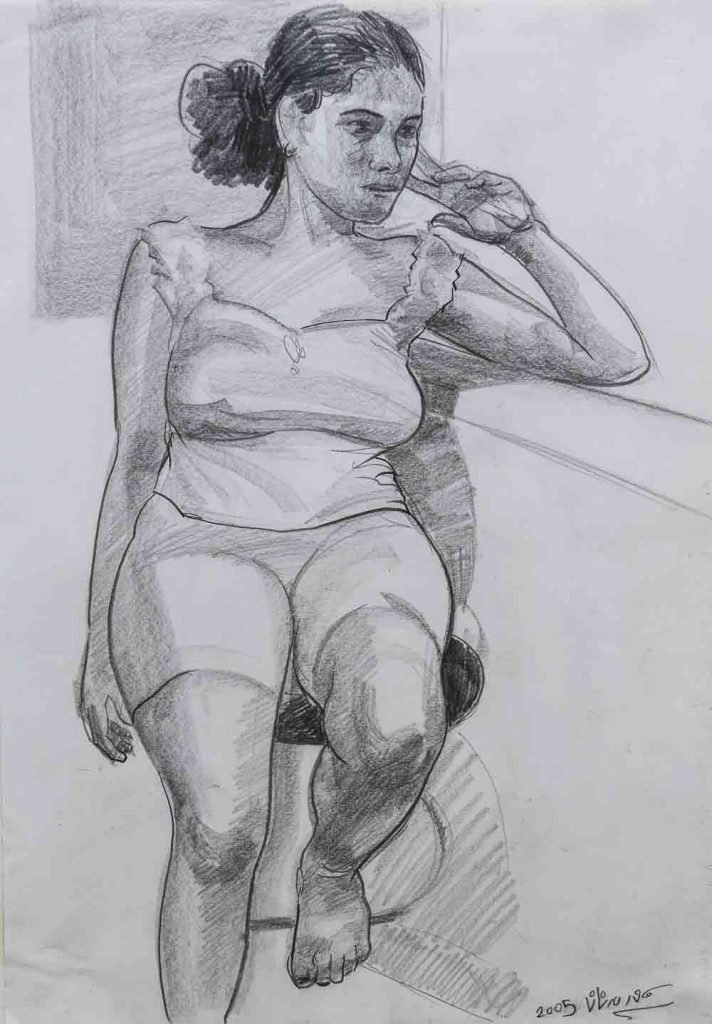
Hind Adnan 2002 – 2009
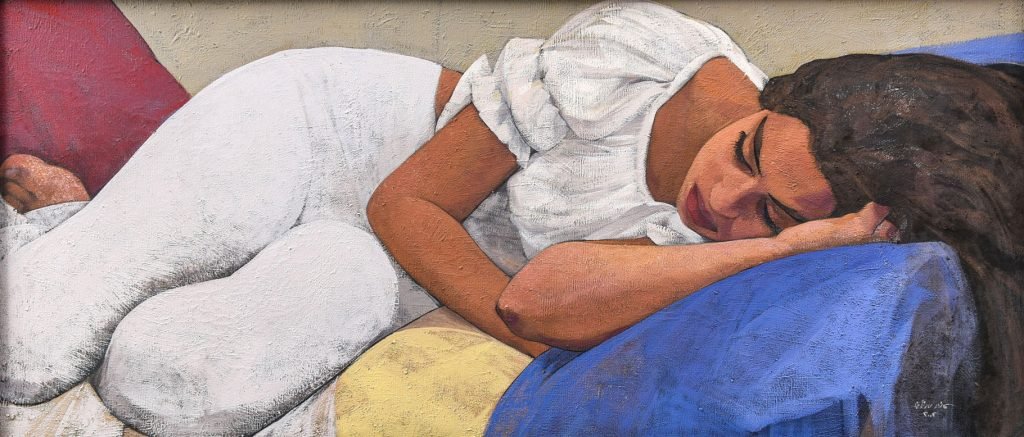
Hind gives the viewer glimpses of the private life of women’s world in Cairo. They are strong yet vulnerable in a state of tiredness yet rejuvenation. These aee the women that are at the forefront of Egypt’s change and revolution.
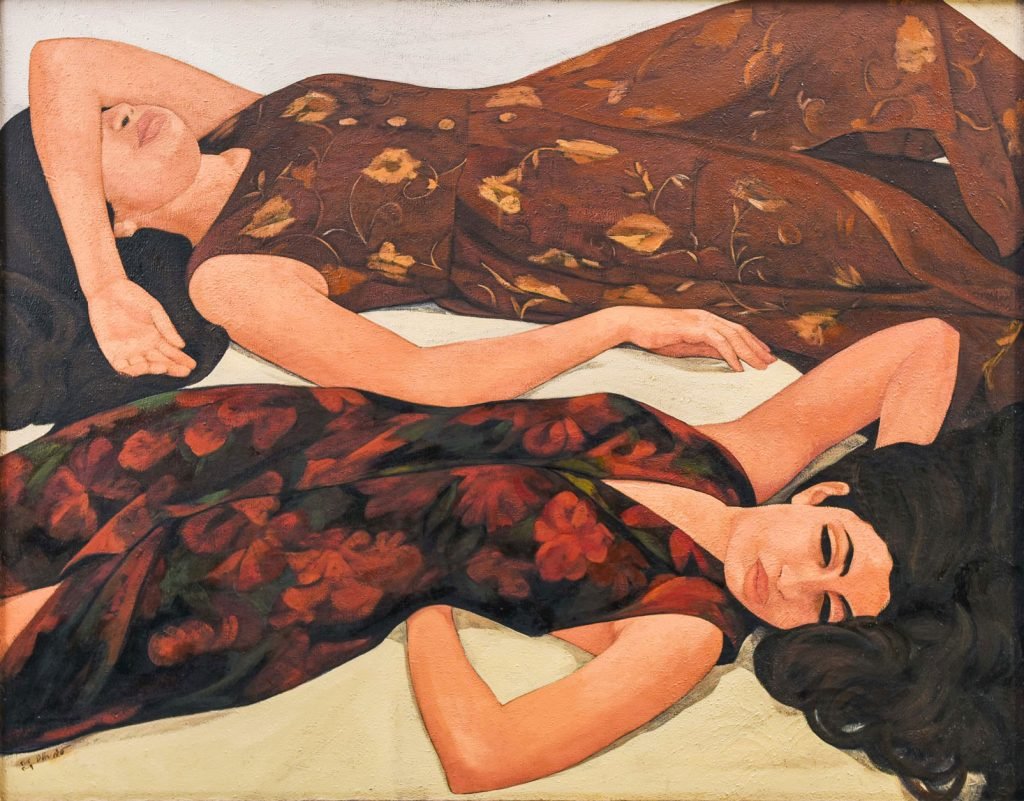
Hind Adnan 2002
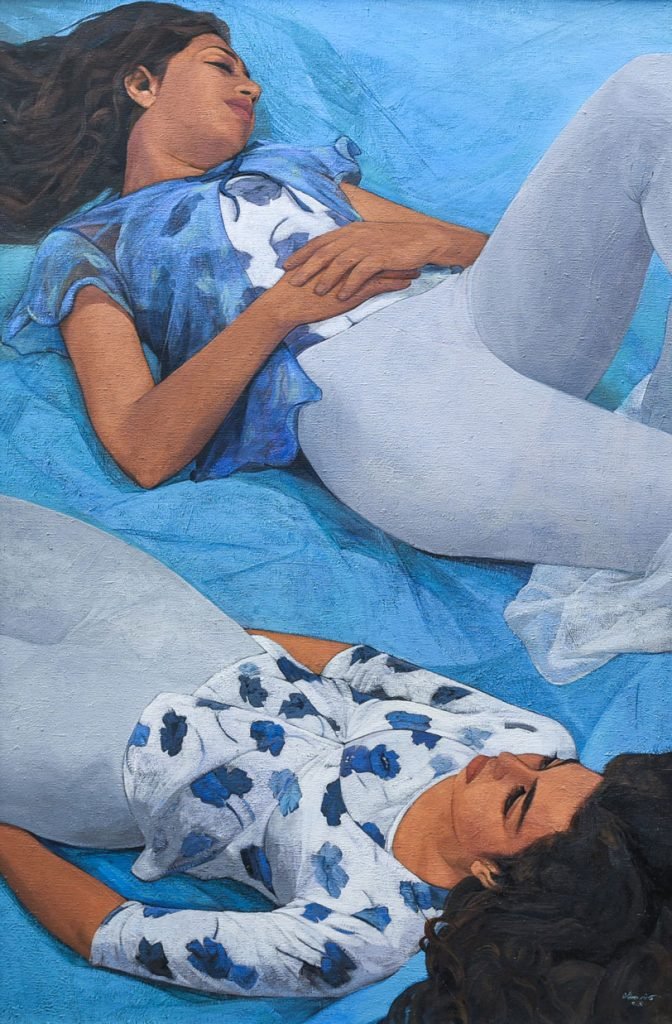
An eagle’s eye view watching from above as two women in their home are in the midst of tiredness and sleep. The colors are subdued and subtle and expressive of their dreamy world.
Hind Adnan 2009
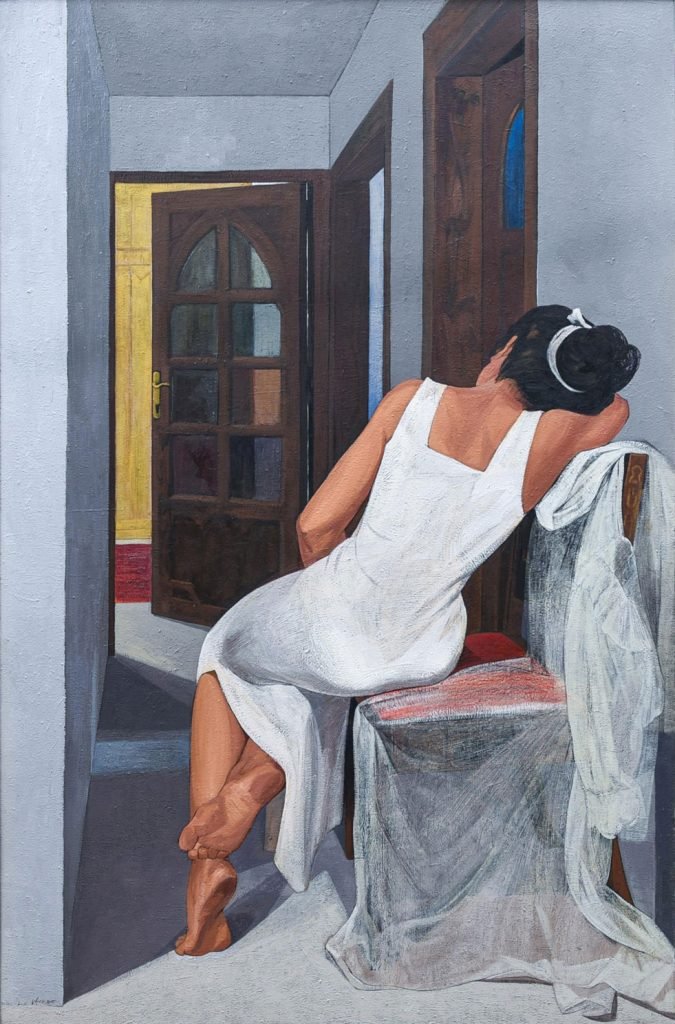
A woman sitting on a chair resting her head on her arm is presented with her back to us. As with all her works, Hind paints her subjects in unusual angles that are unfamiliar to the viewer, hence forcing us to see the subject from a different perspective.
Hind Adnan 2002
George Bahgory 1997
George Bahgory
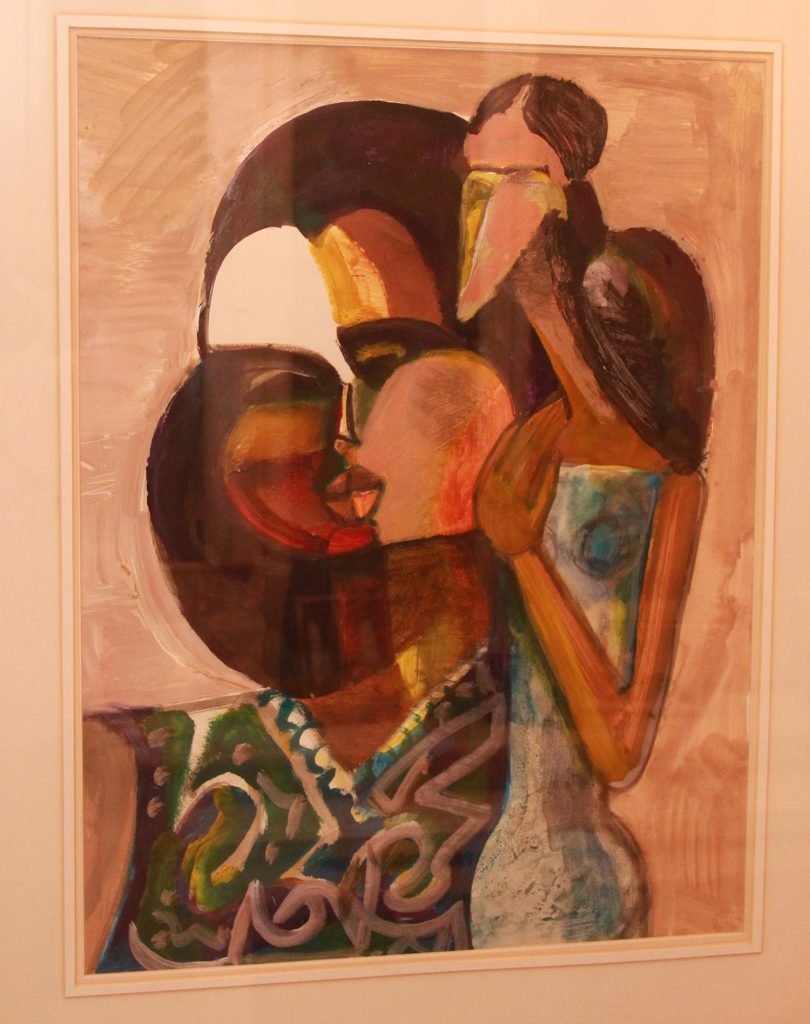
George Bahgory 1996
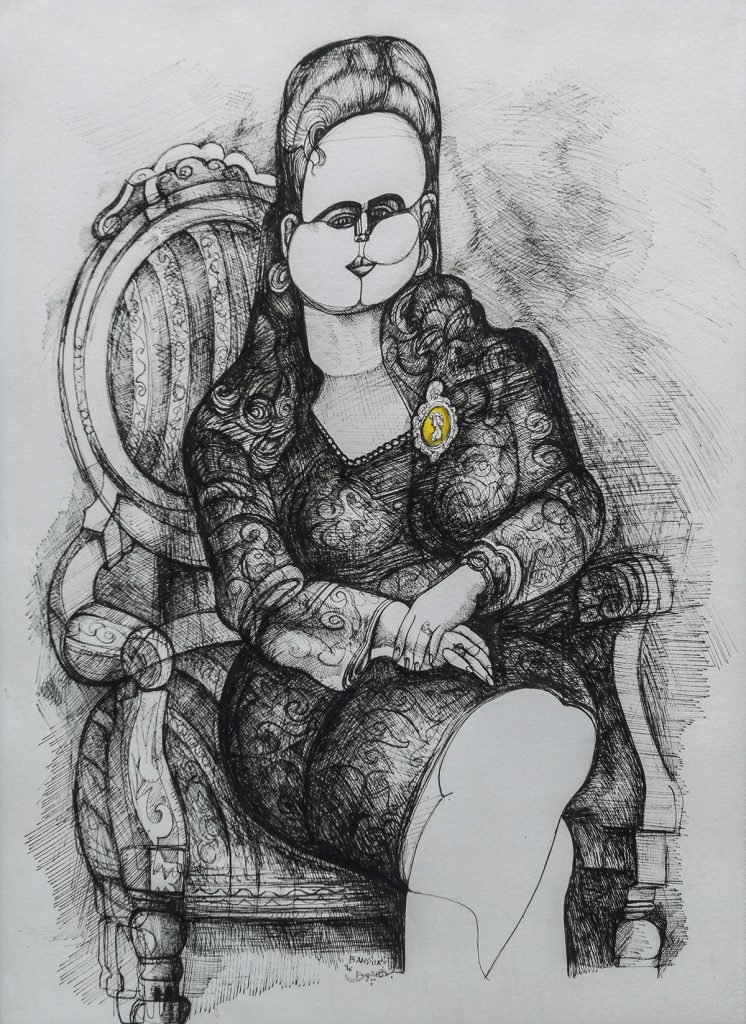
Mr. AlSharekh’s wife, Mrs. Moudhi AlSouqair.
George Bahgory 1988
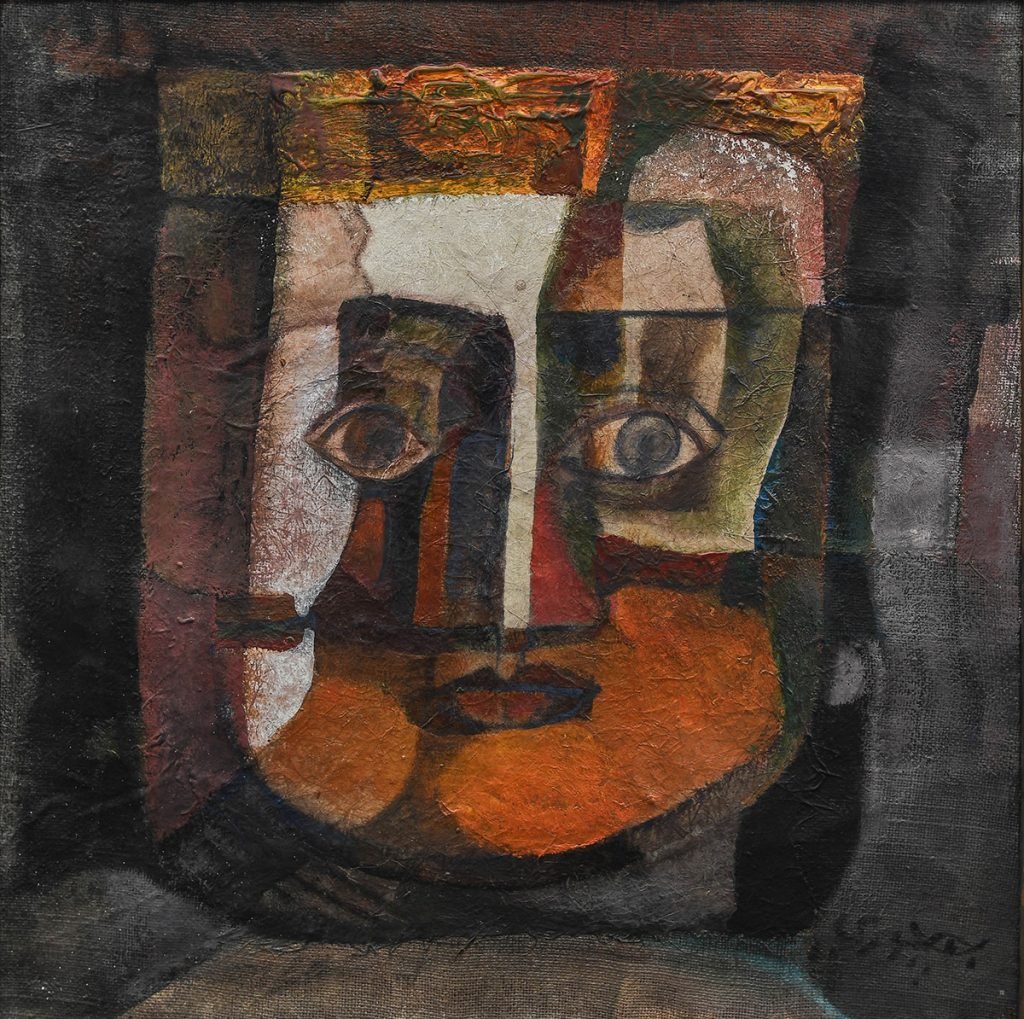
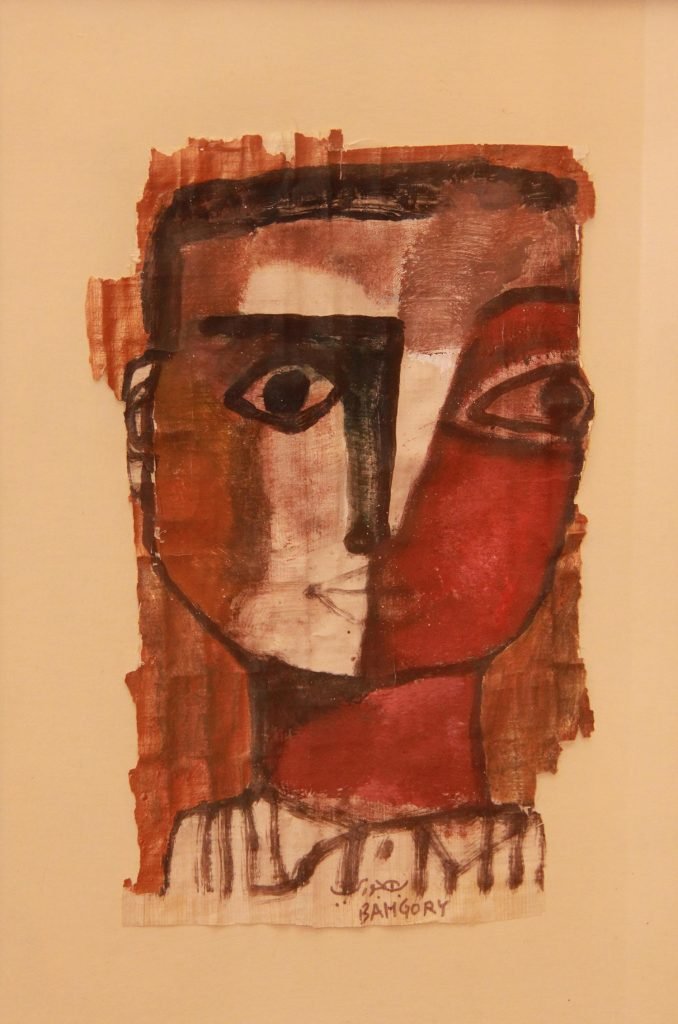
In some paintings Bahgory uses vivid colors and in other paintings, he uses dark-toned colors, mostly brown and earthy tones infiltrated with white. A fragmented face looks at the viewer without expression.
George Bahgory
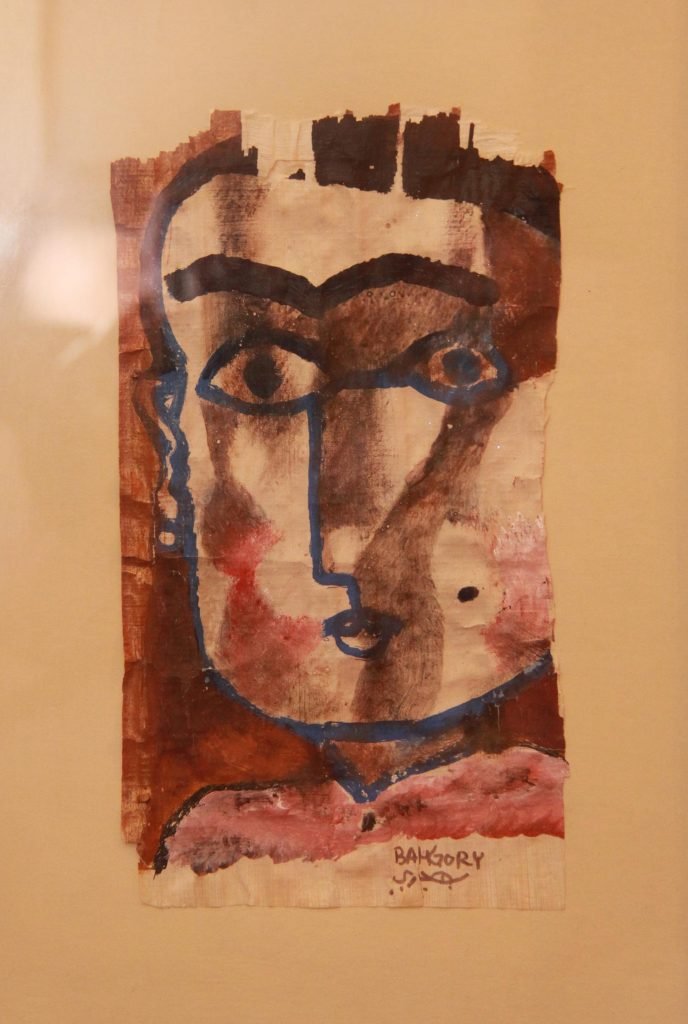
George Bahgory
George Bahgory 1996
George Bahgory
George Bahgory
George Bahgory

George Bahgory
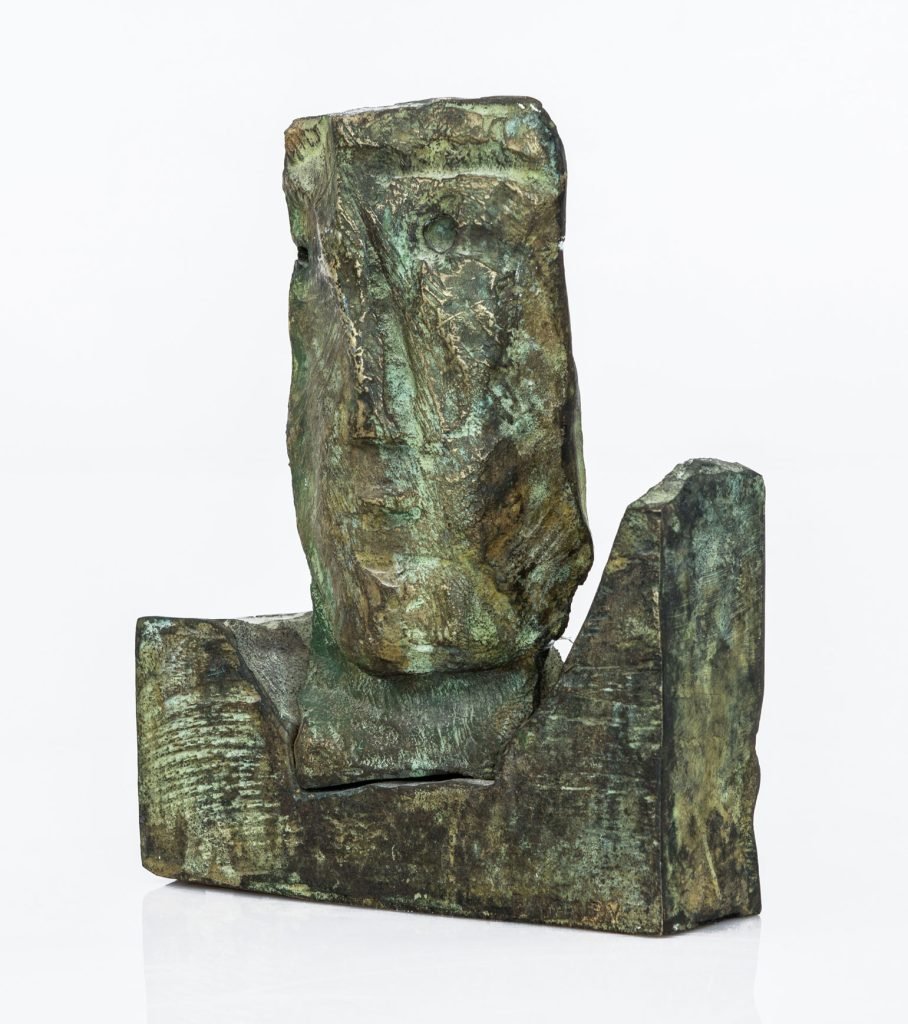
Bahgory translated his cubist painting aesthetic into his sculptures. A rectangluar face made out of stone, much like the fragmented faces we see in his paintings.
George Bahgory
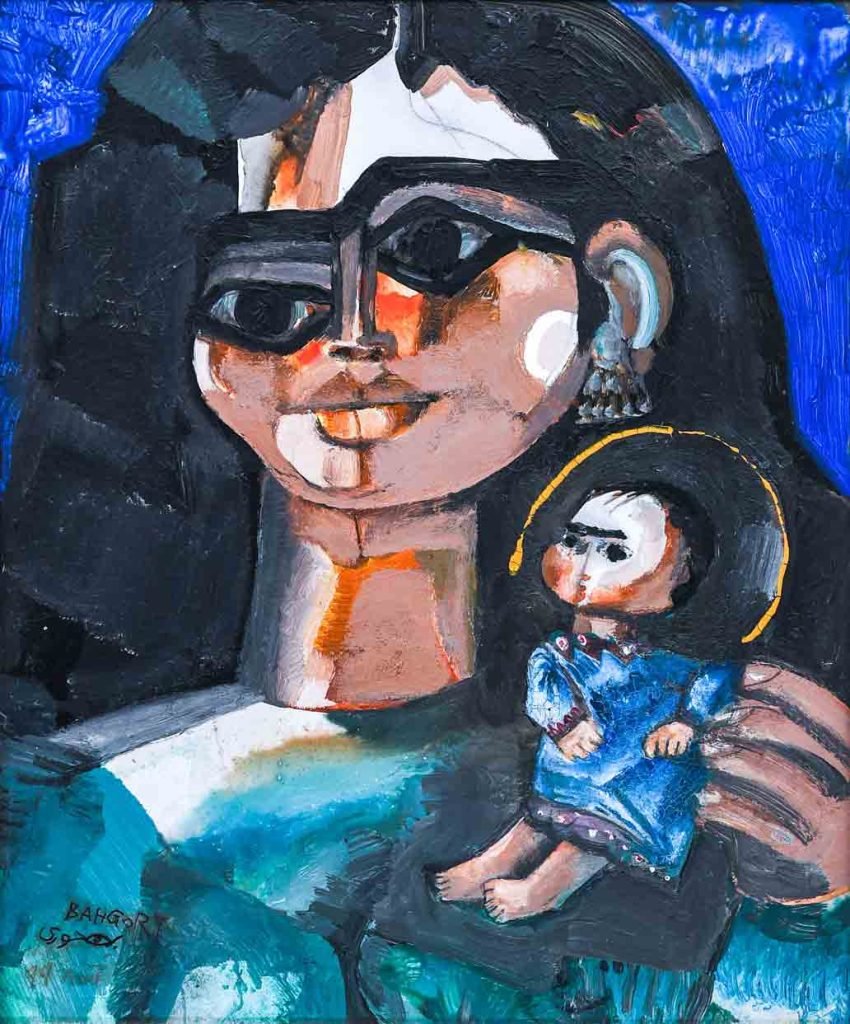
One of the many portraits of the AlSharekh family created by Bahgory over the years. Alanood AlSharekh in a turquoise dress playfully poses with her daughter.
George Bahgory
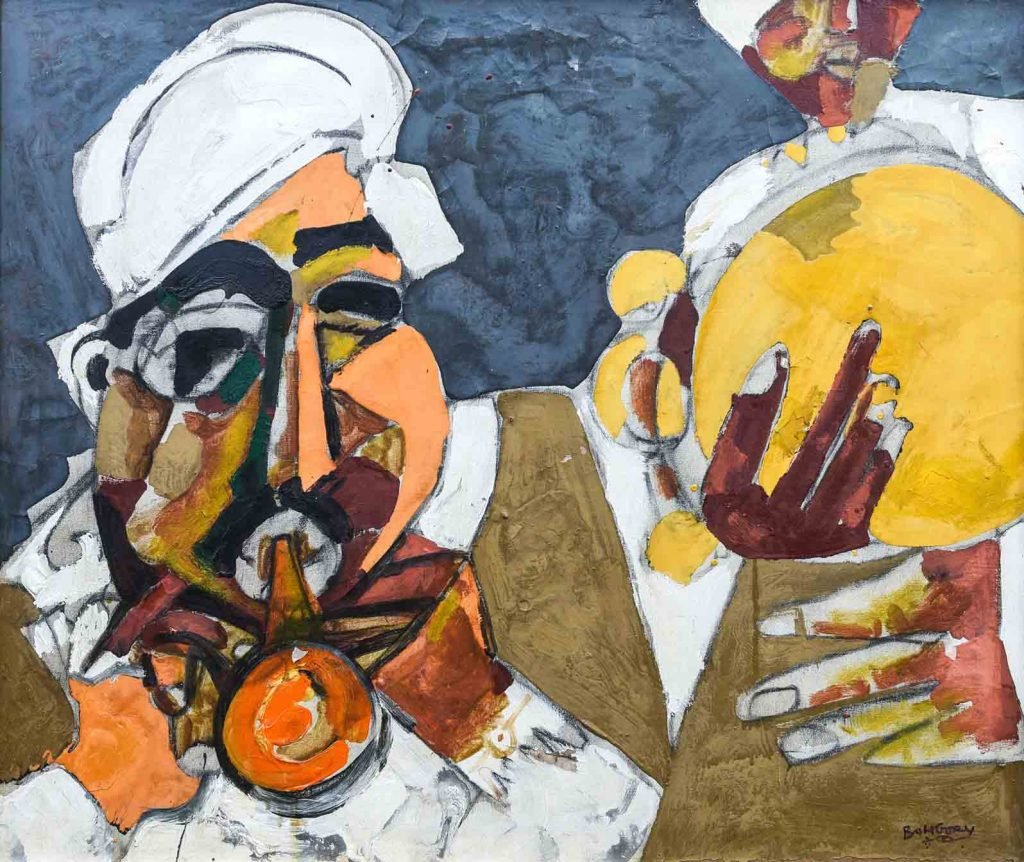
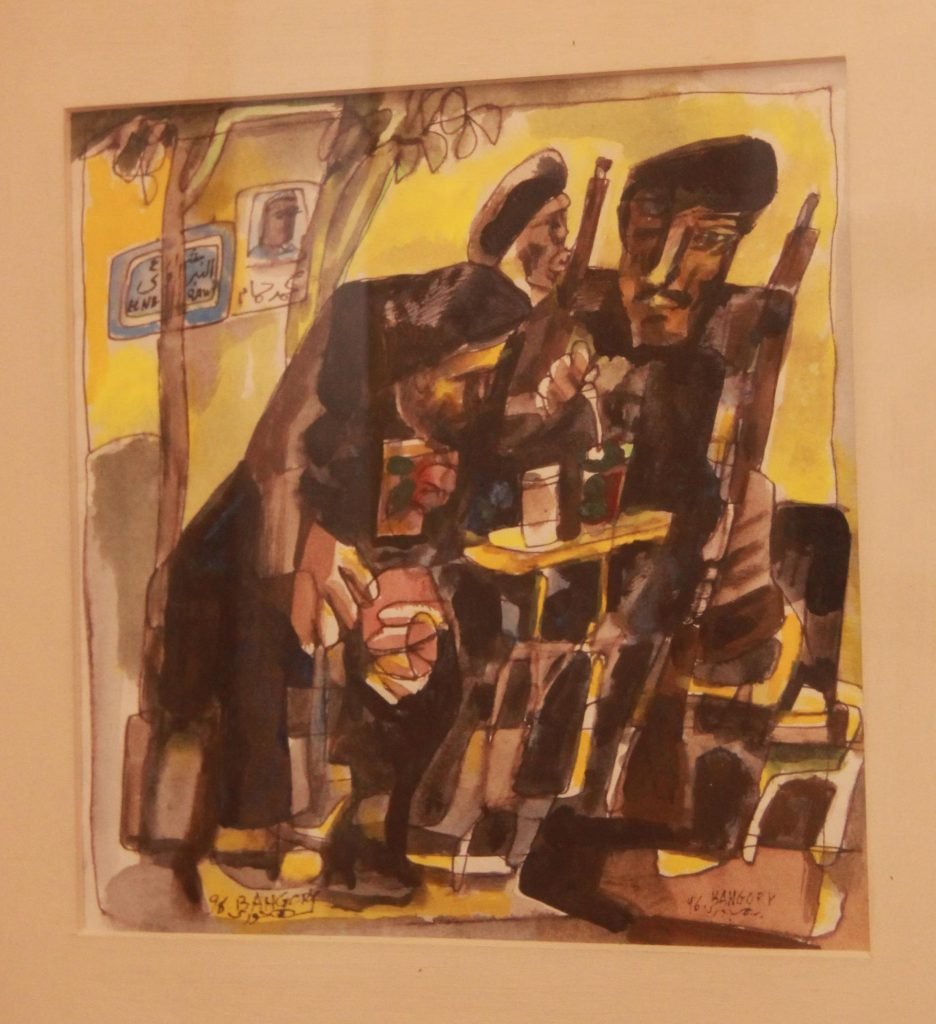
Egyptians are people who love to enjoy their lives and celebrate with music. Bahgory captures two musicians dressed in traditional Egyptian clothes playing their instruments.
George Bahgory 1998
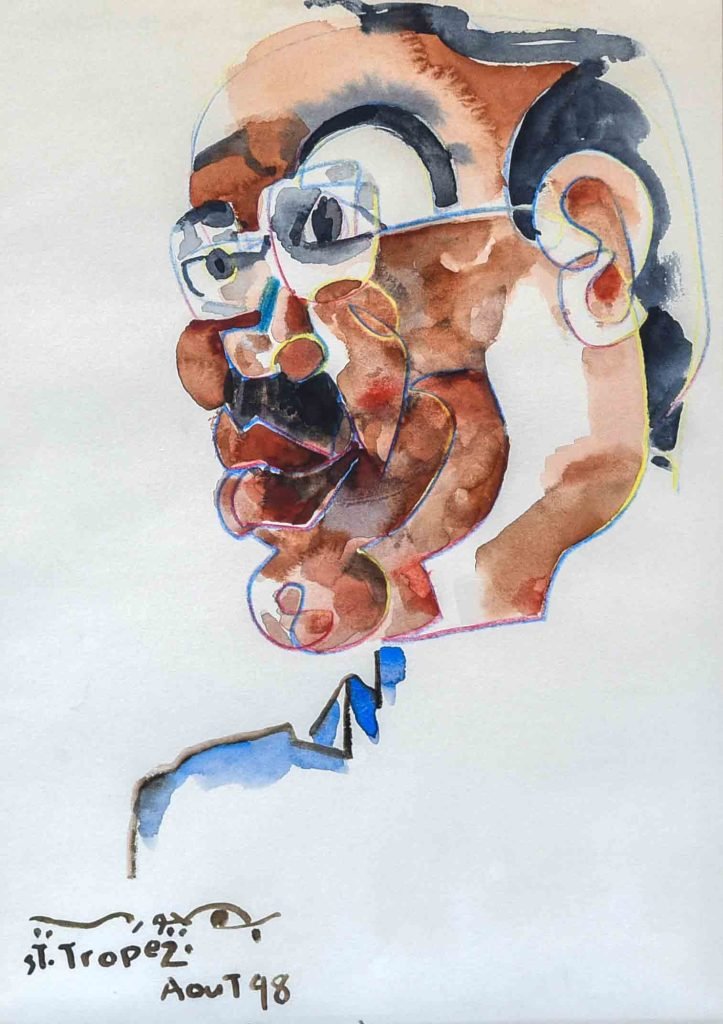
A portrait of Mohammed AlSharekh made with graphic fragments.
George Bahgory
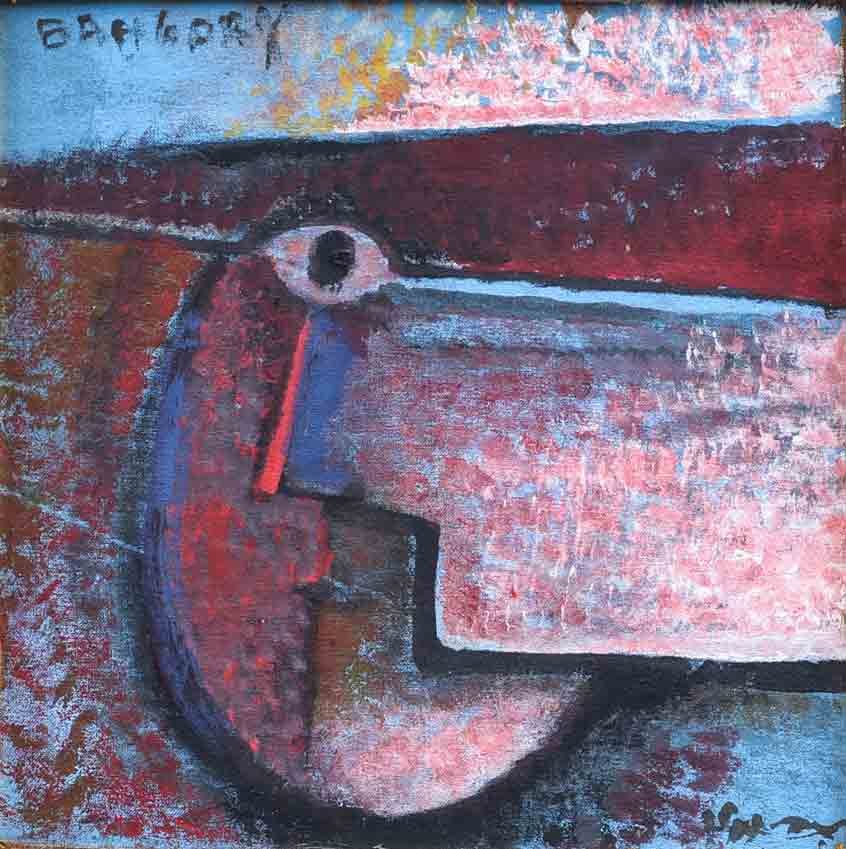
Some faces in Bahgory’s portraits depict sleepy unhappy eyes, or wide eager eyes in outbursts of vivid colour. We see a face with one eye predicting an ominous future.
George Bahgory 1975
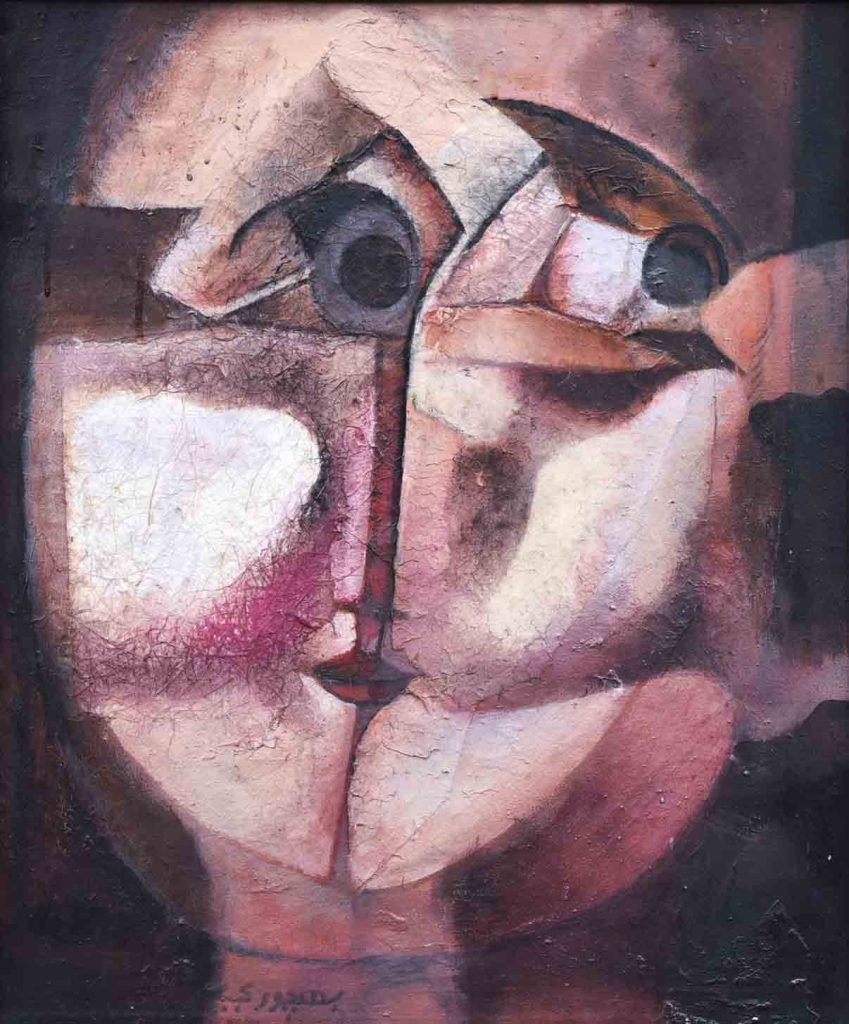
Bahgory’s art reflects human life, tragedy, and anguish. This face expresses a warm-hearted soul experiencing uncertainty and fear.
George Bahgory 1996
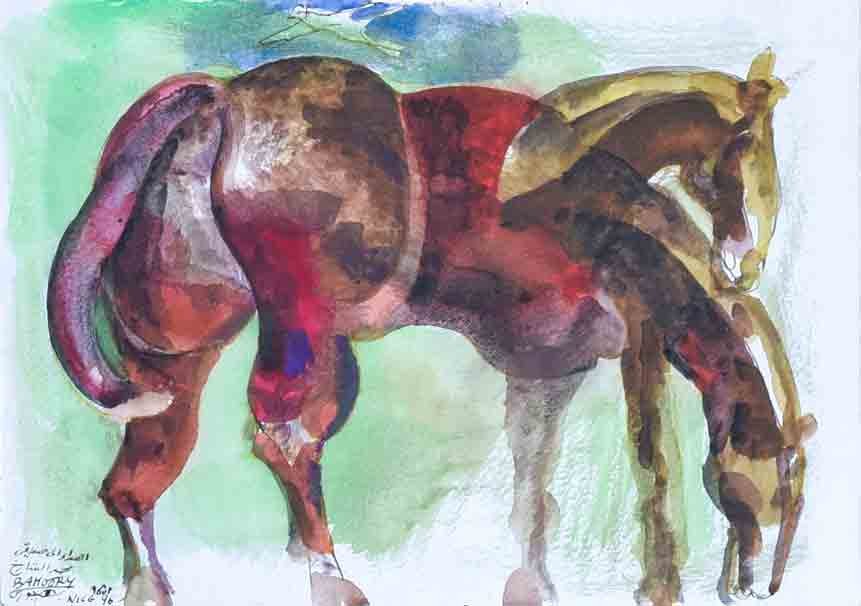
A gift to Mohammed AlSharekh by the artist painted in Cubist style, a horse stands with a white dove hovering above it.
George Bahgory 1980
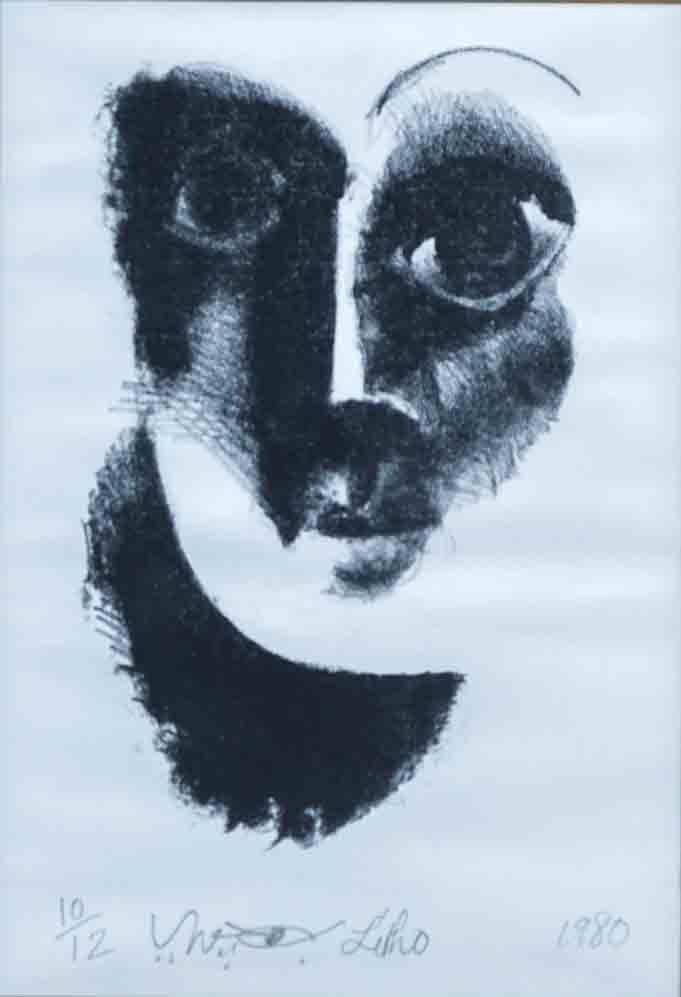
Many faces in Bahgory’s portraits depict wide eager eyes. This portrait is in black and white and expresses pride and dignity as the character looks straight at the viewer.
George Bahgory
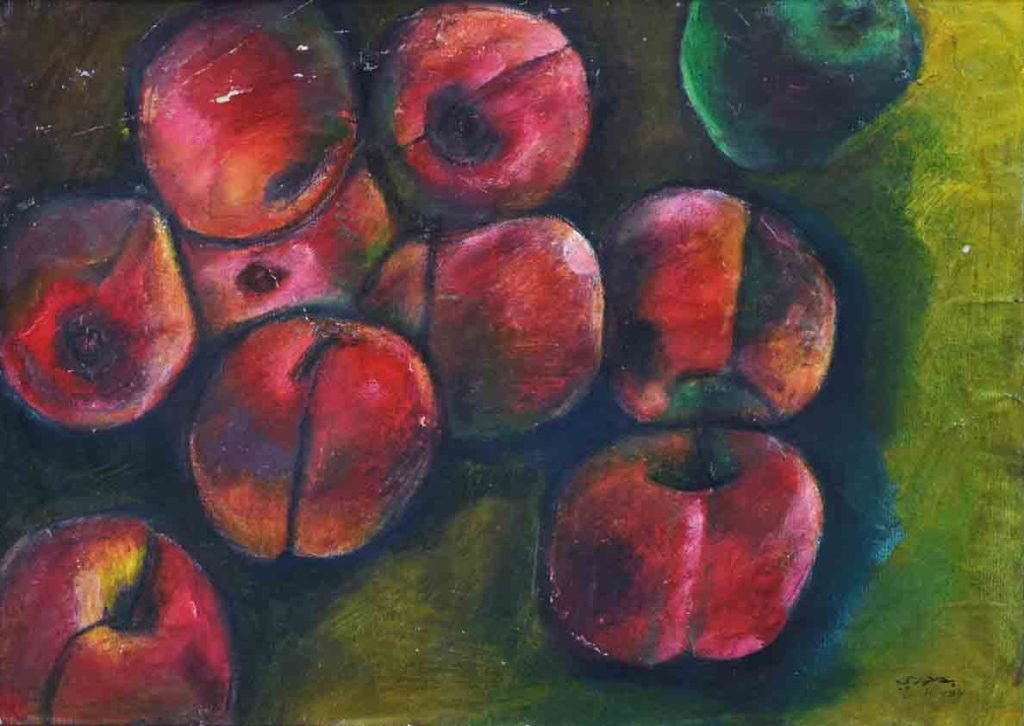
Scattered red apples on a green surface congregate together while a green apple sits at the edge of the frame alone.
George Bahgory 1996
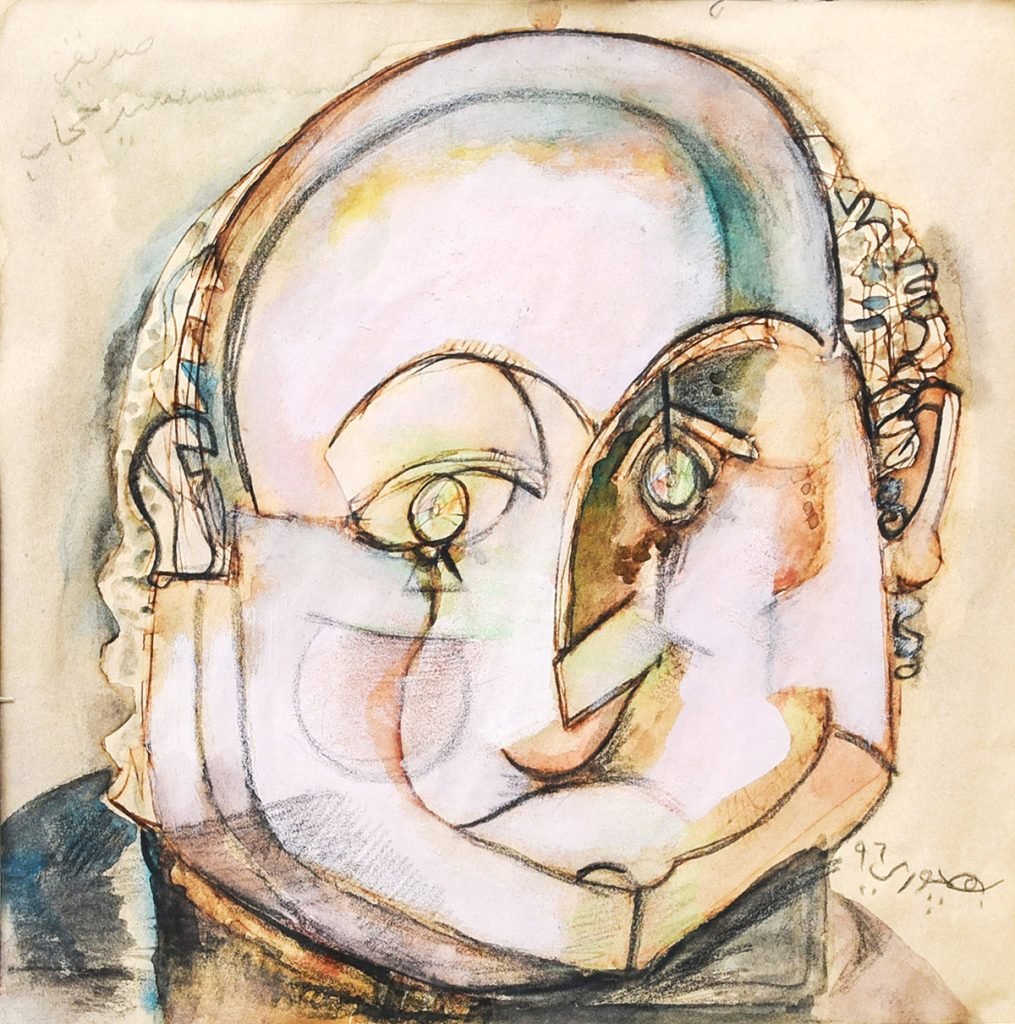
George Bahgory
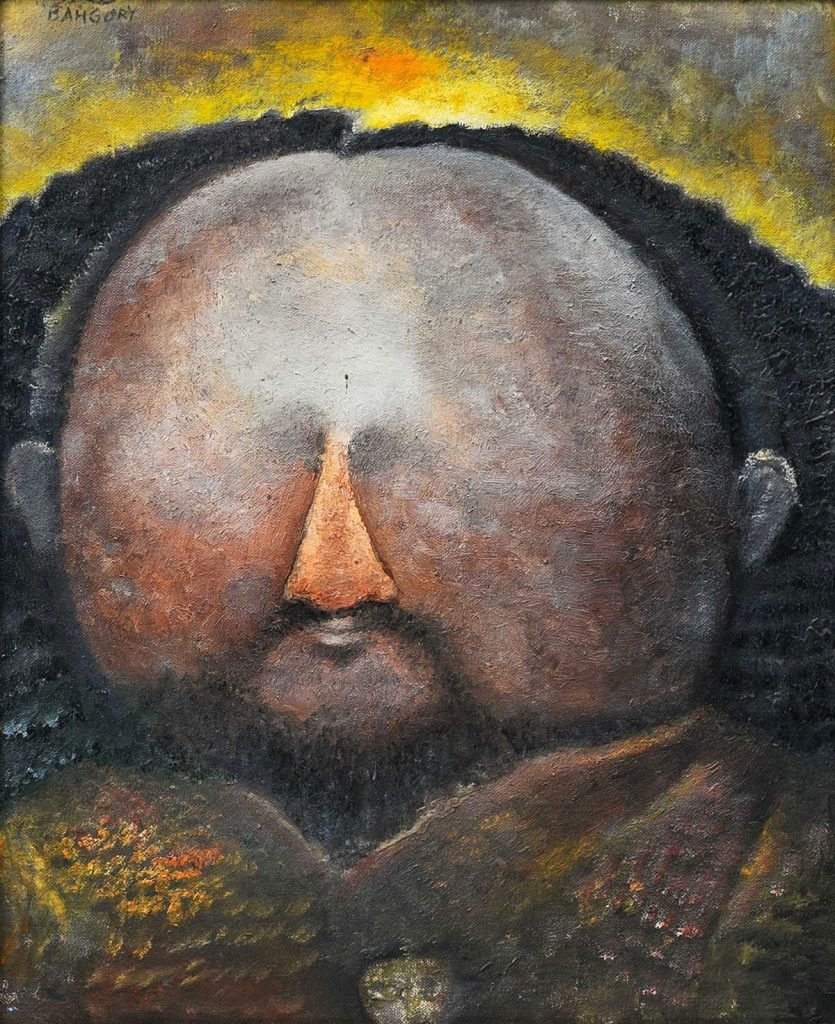
Bahgory created numerous self-portraits with many dimensions of wistfulness. The paintings look funny as they illustrate the crazy and wild nature of the artist.
George Bahgory
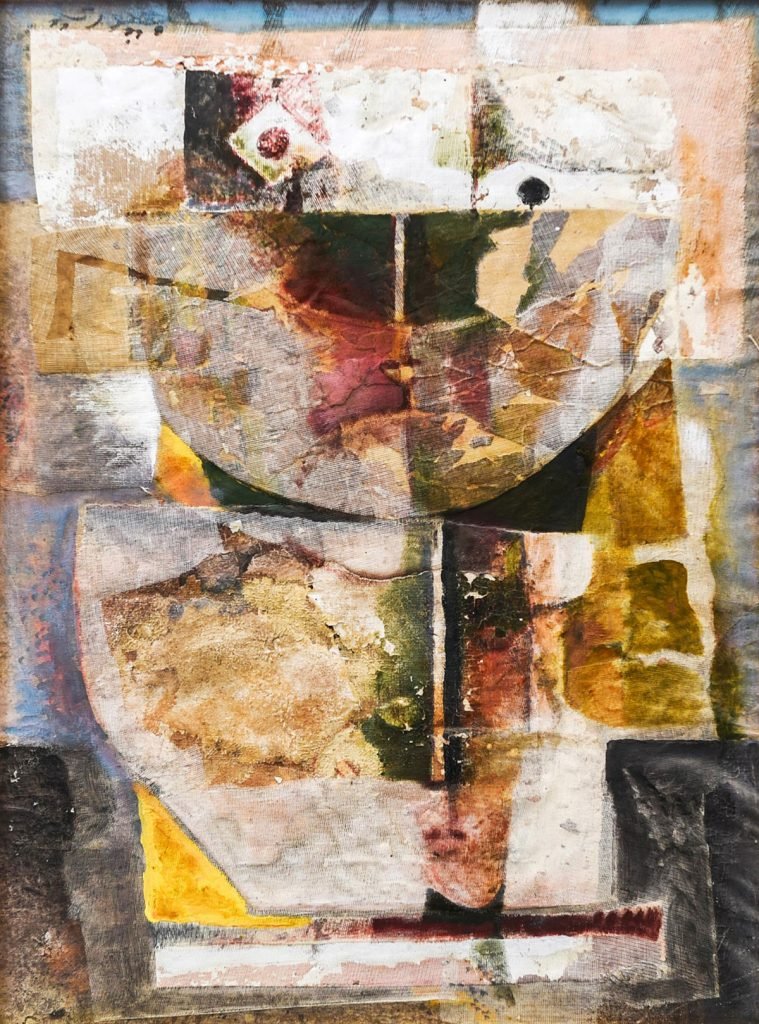
Many of Bahgory’s paintings are heavily yet seamlessly collaged, so that every element in his work is actually the sum of smaller, cut-up pieces. In that way, the paintings are impressionistic, appearing whole from a distance, yet chaotic upon closer inspection.
George Bahgory 1997
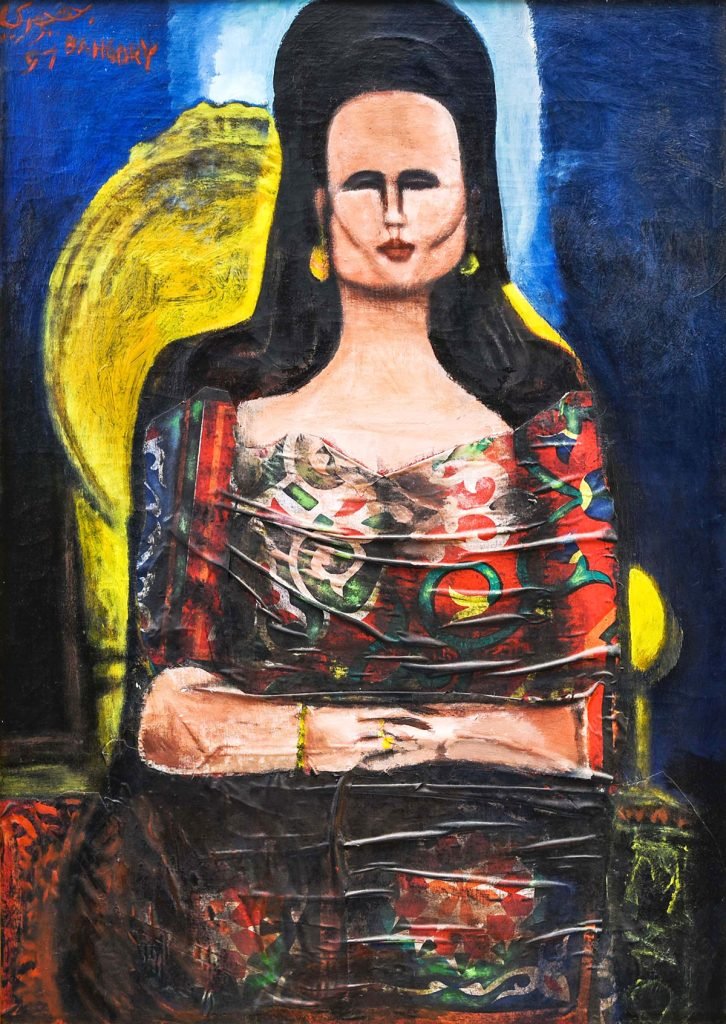
Mr. AlSharekh’s wife, Mrs. Moudhi AlSouqair.
George Bahgory
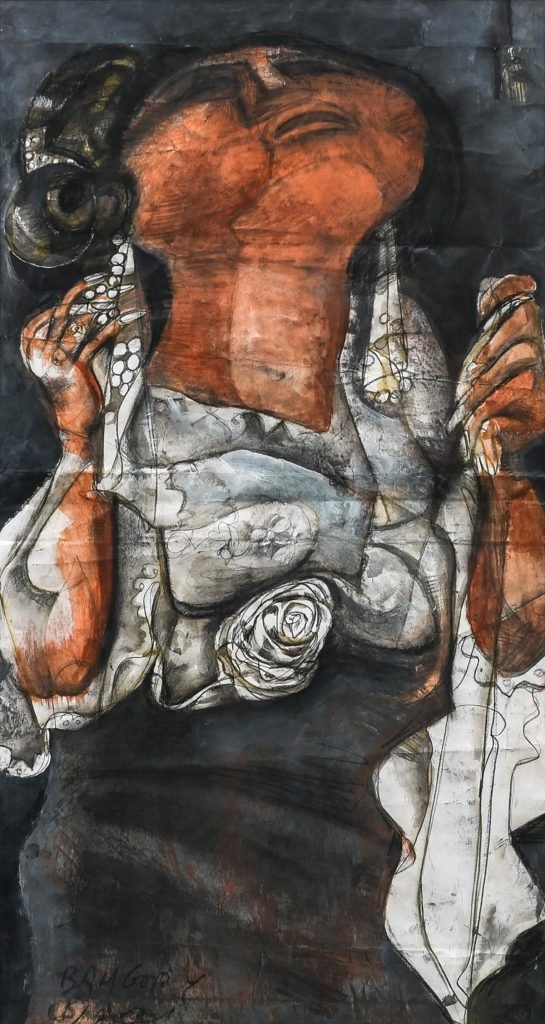
Bahgory painted numerous paintings of the legendary Um Kulthoum drawing the spiritual strength of her voice and soul coming through the paintings. For Bahgory she was a symbol of the sixties and of the Nasserist renaissance.
George Bahgory
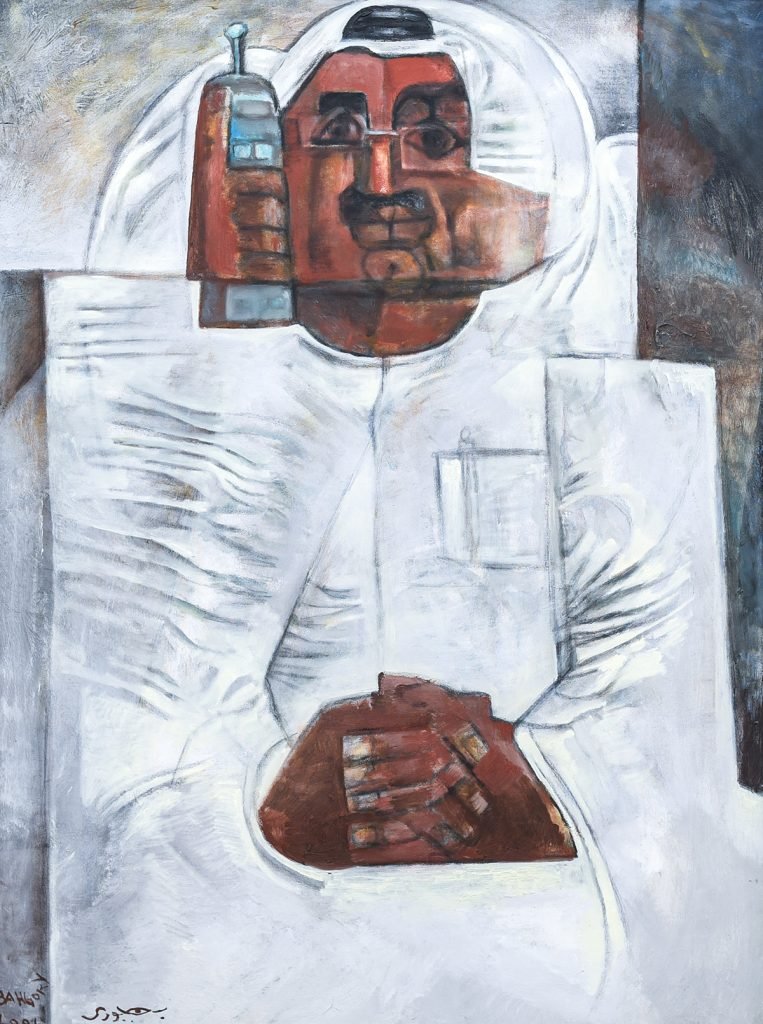
A portrait of Mohammed AlSharekh by Bahgory dressed in traditional Kuwaiti thob. He captures him in two positons all at once. We see the family man sitting with his hands held together resting on his lap and while at the same time we see the technology pioneer with a cellular device to his ear.
George Bahgory 1995
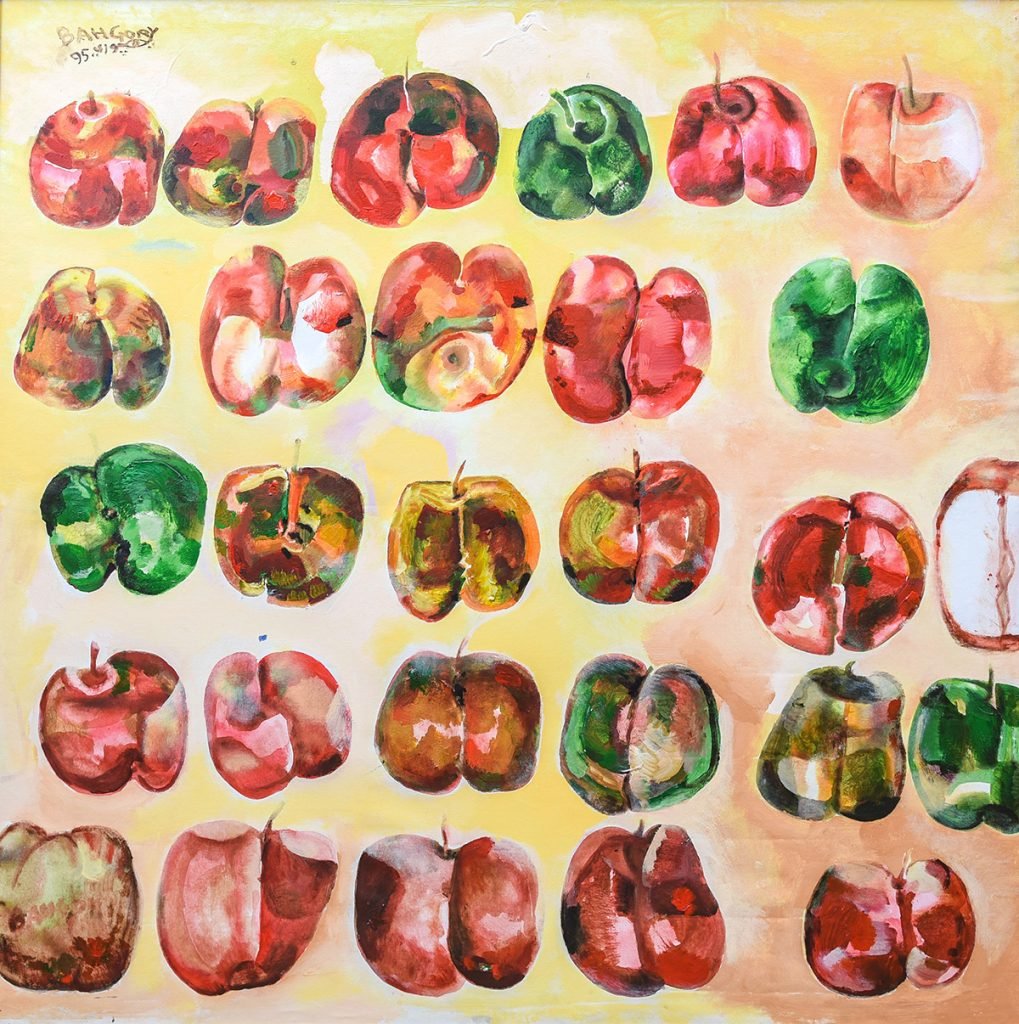
Over nine meters of canvas are adorned with Bahgory’s abstrated apples so that they become a pattern of visual candy.
George Bahgory 1978
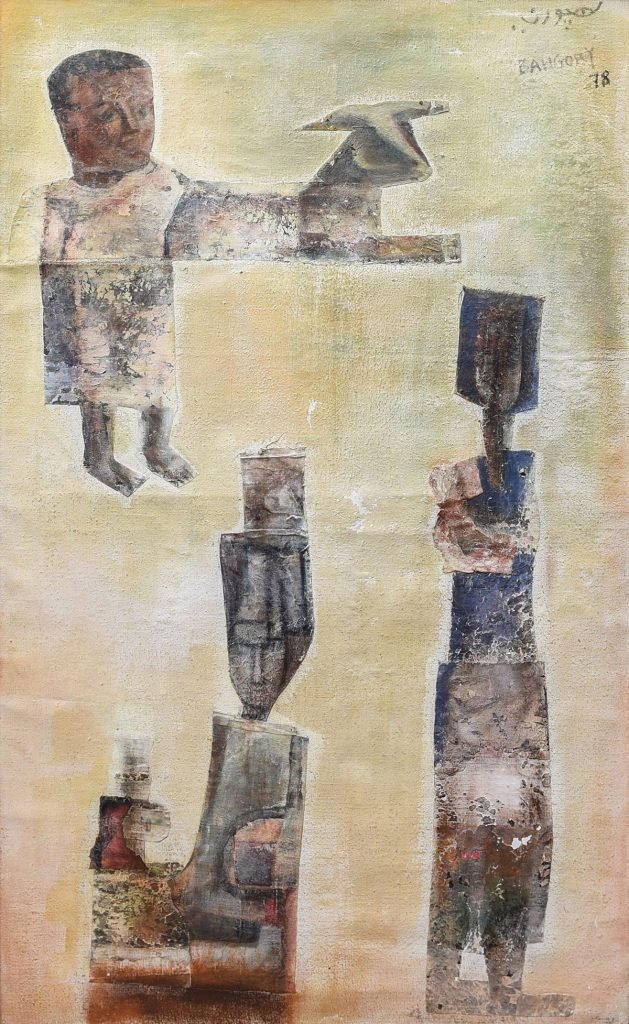
While Bahgory’s paintings are contemporary, they preserve the particular spirit of old Egyptian art by combining Pharaonic symbols with modern shapes.
George Bahgory
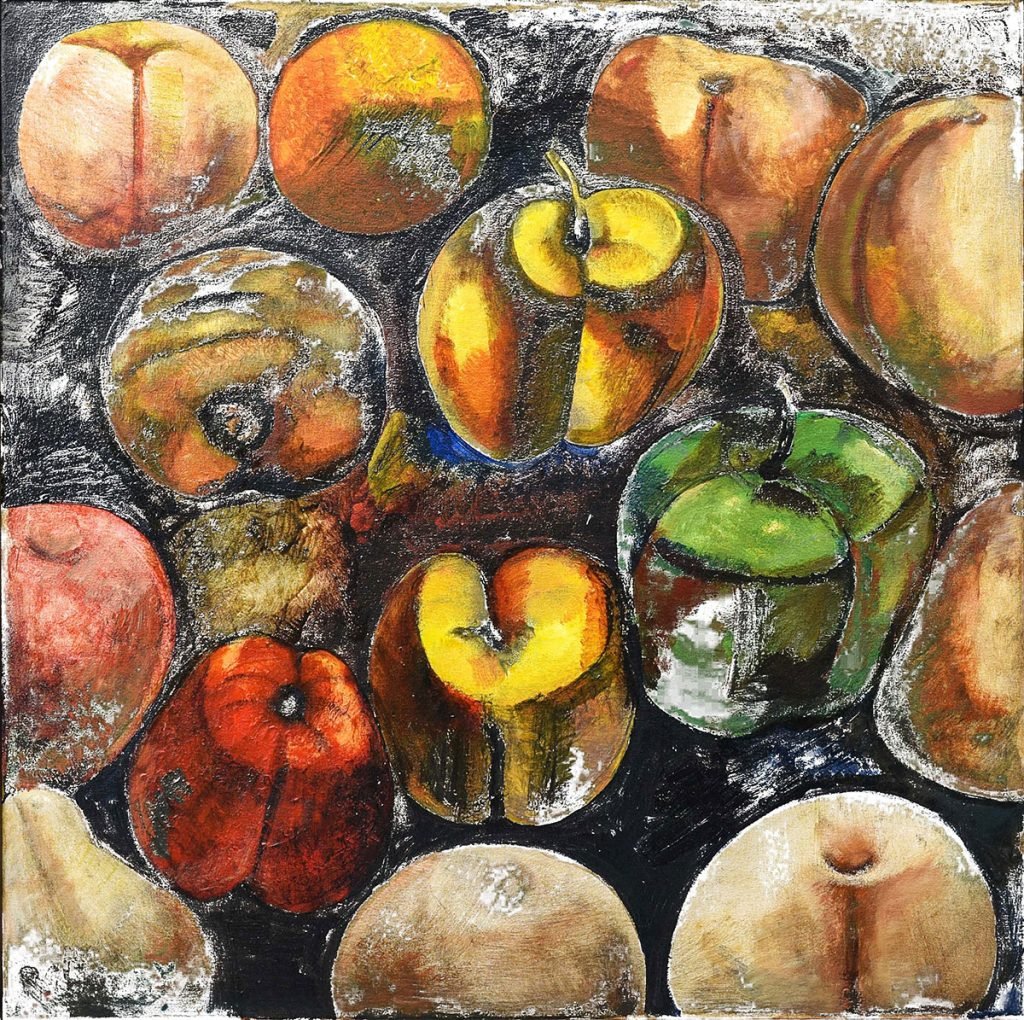
Apples symbolize both temptation and redemption. Bahgory paints them sitting next to each other in various colors and angles in temptation to the viewer.
George Bahgory 1996
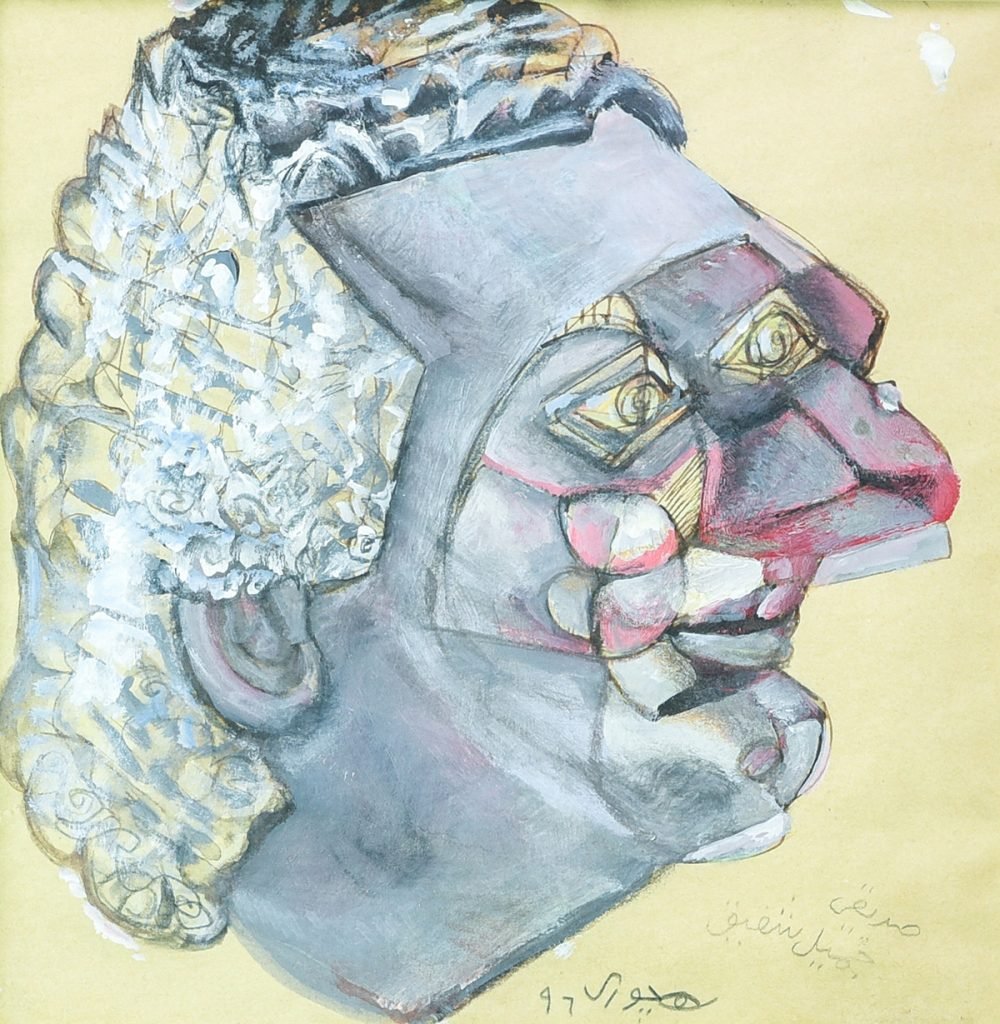
George Bahgory created this portrait of his good friend and fellow Egyptian artist Gamil Shafeek at the AlSharekh beach house in Kuwait.
George Bahgory 1996
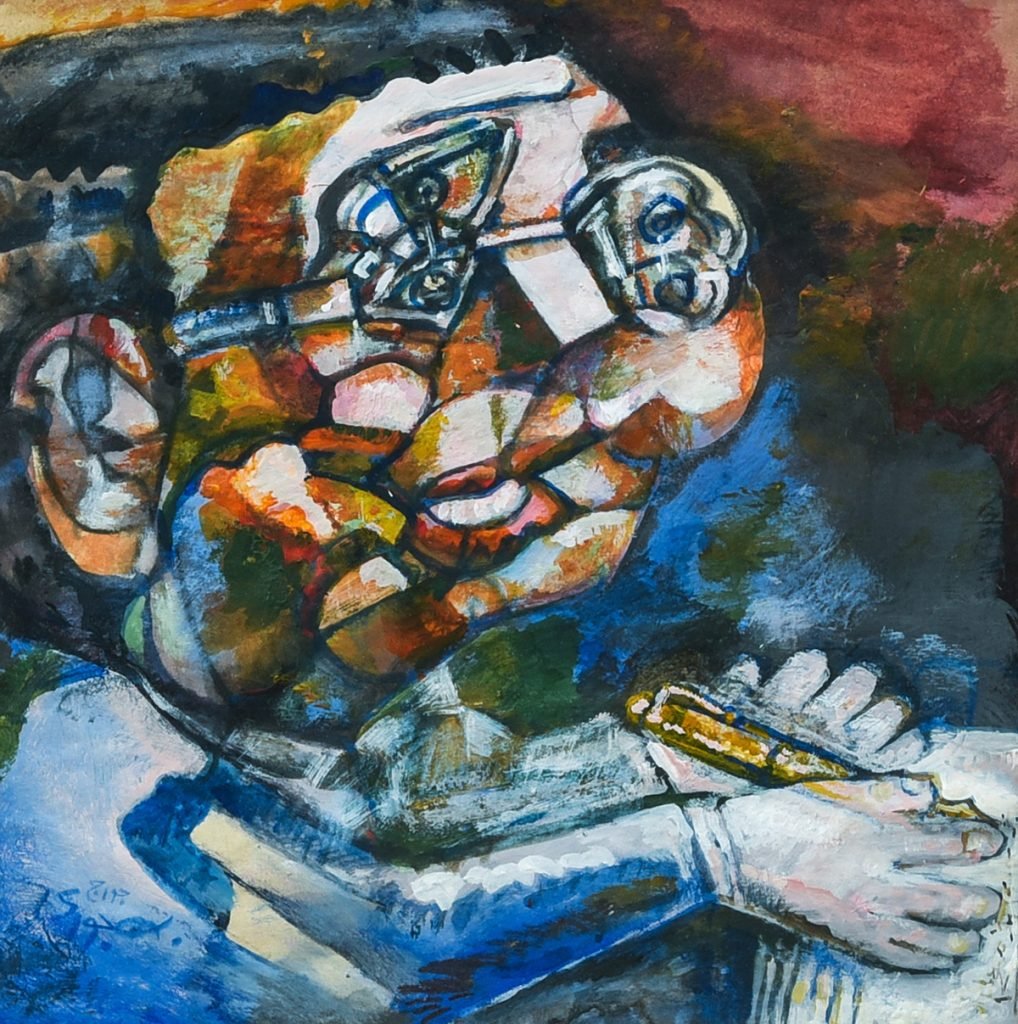
George Bahgory 1997
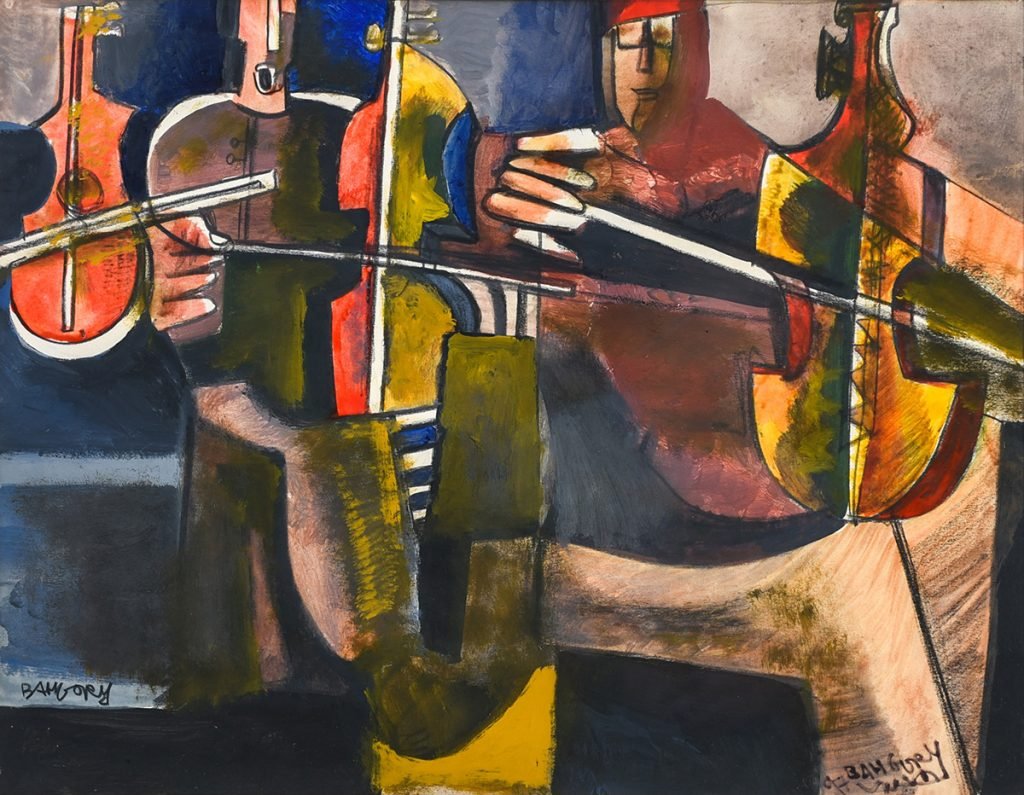
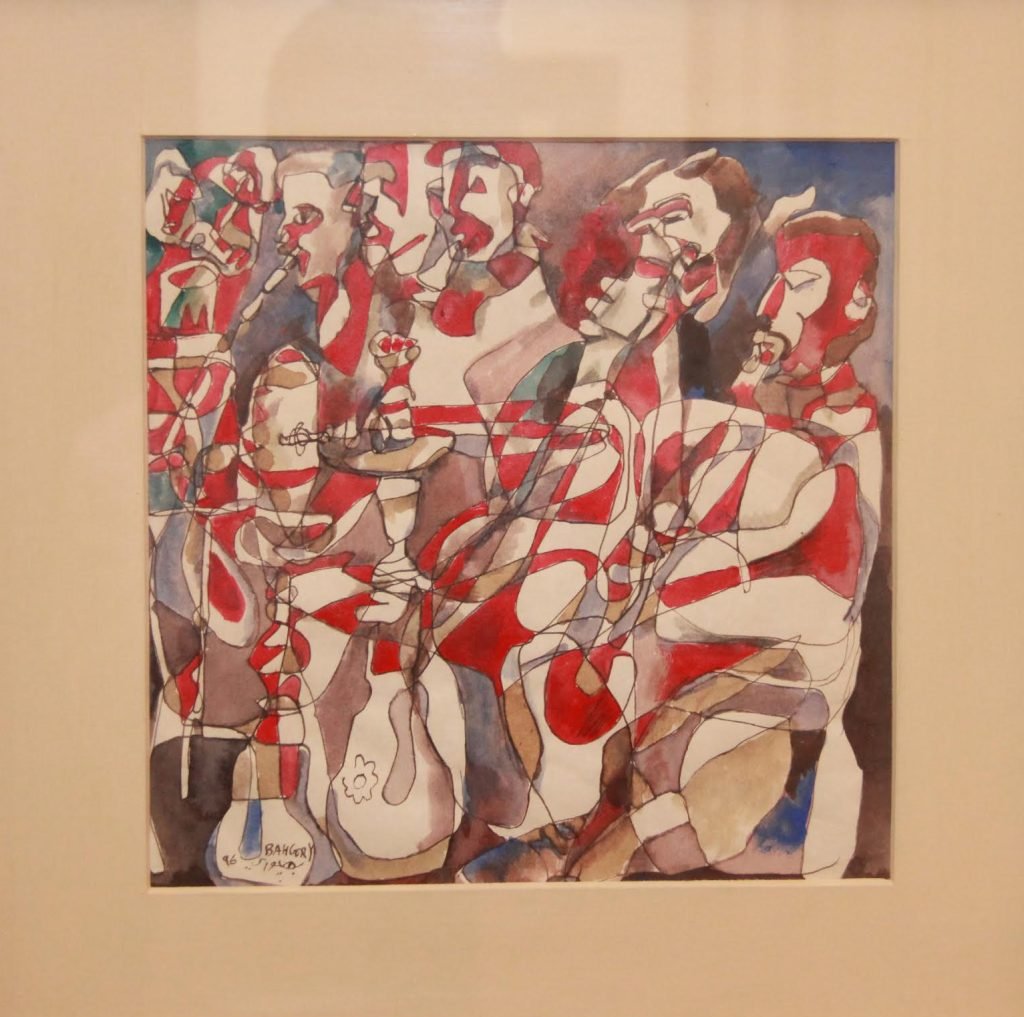
George Bahgory created many paintings of musical instruments and performance scenes that expressed his nostalgia for Egypt in the 1960s.
Tahia Halim
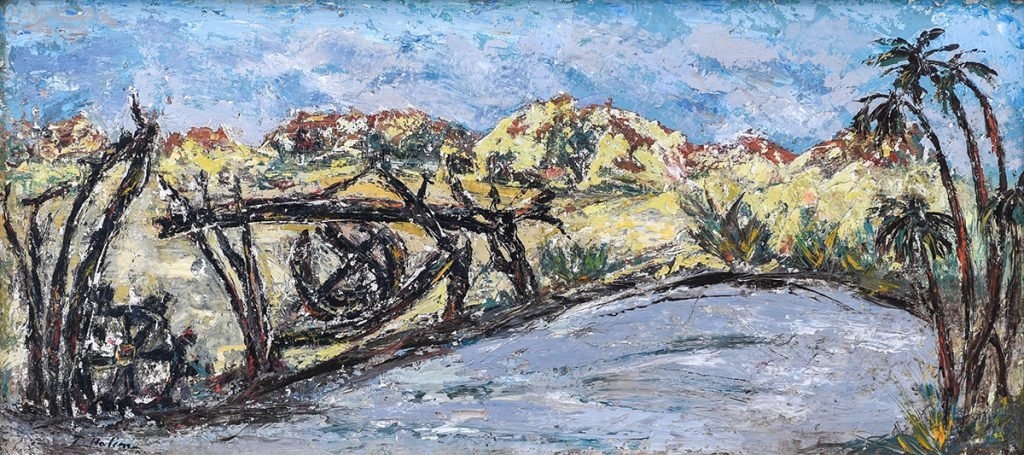
In typical Modern Expressive Movement style, this painting represents Tahia Halim’s ouevre which is centered around poetic and folkloric images of Egypt. Here, old abandoned farming equipment sits among palm trees on the banks of the Nile.
Sabri Mansour 1979
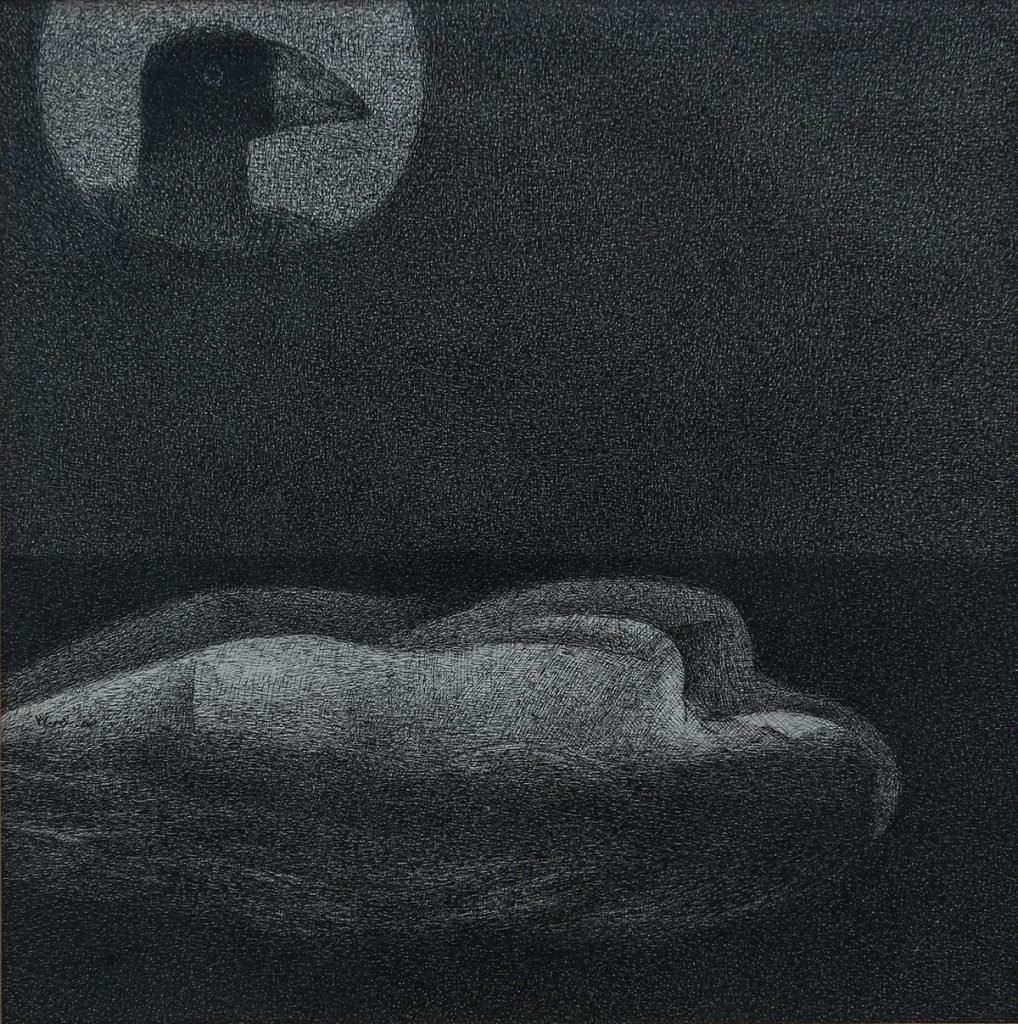
Two bodies asleep lost in a dream and a bird appears inside the shape of the moon. The male-female relationship remains frozen as long as self and other are inhibited.
Sabri Mansour 1975
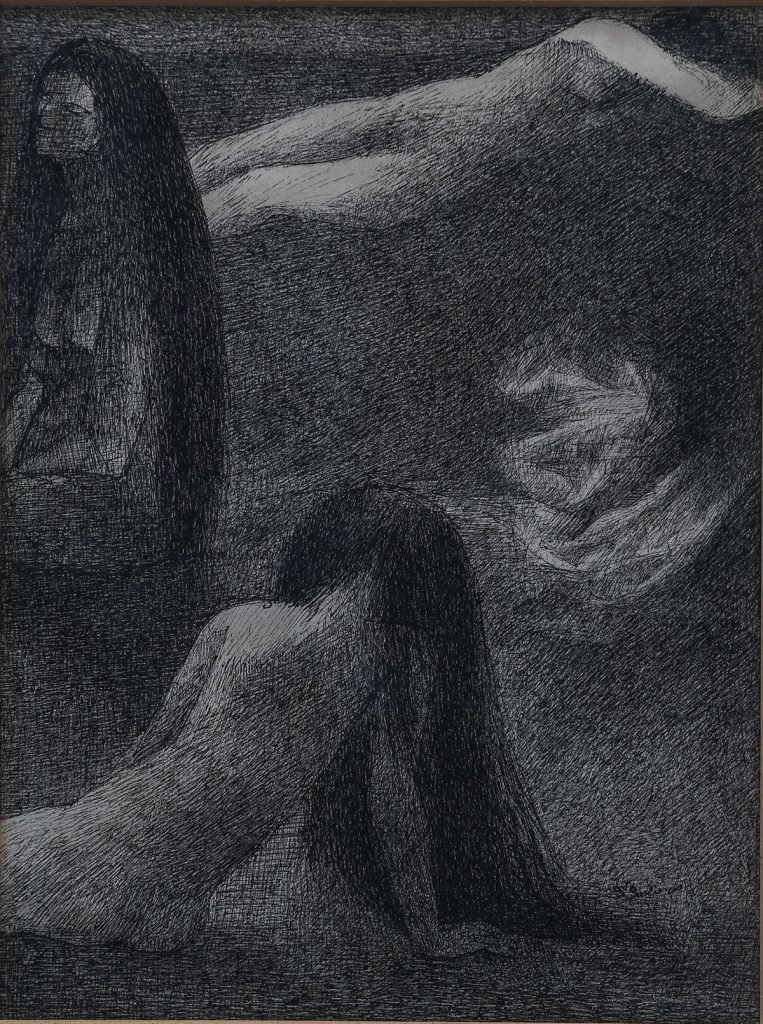
Sabri Mansour embraces Surrealism’s reliance on imagery emerging from the metaphysical world and the unconscious mind. Bodies laying around appear as spirits floating in space.
Sabri Mansour 1989
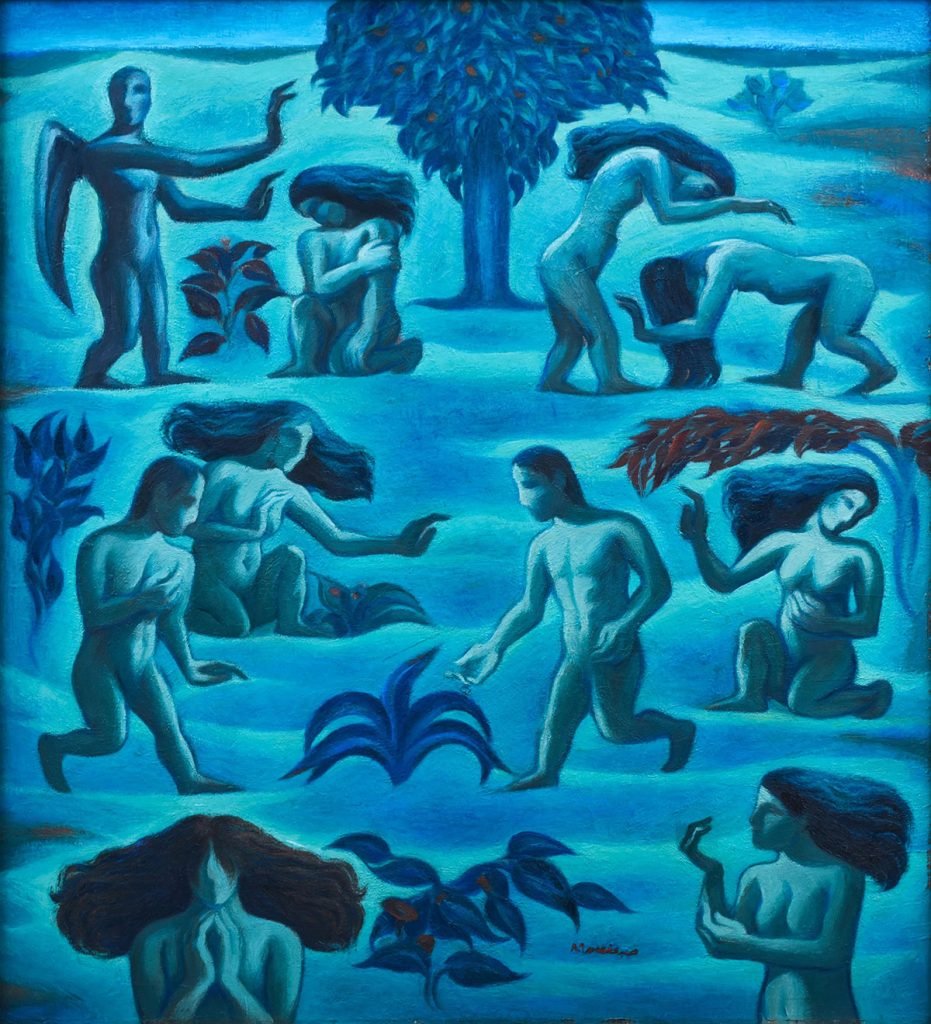
Like many of Sabri Mansour’s paintings in monochromatic blues, quiet moments of spiritual reverie are depicted surrounded by traditional religious symbols.
Salah Hassouna 1979
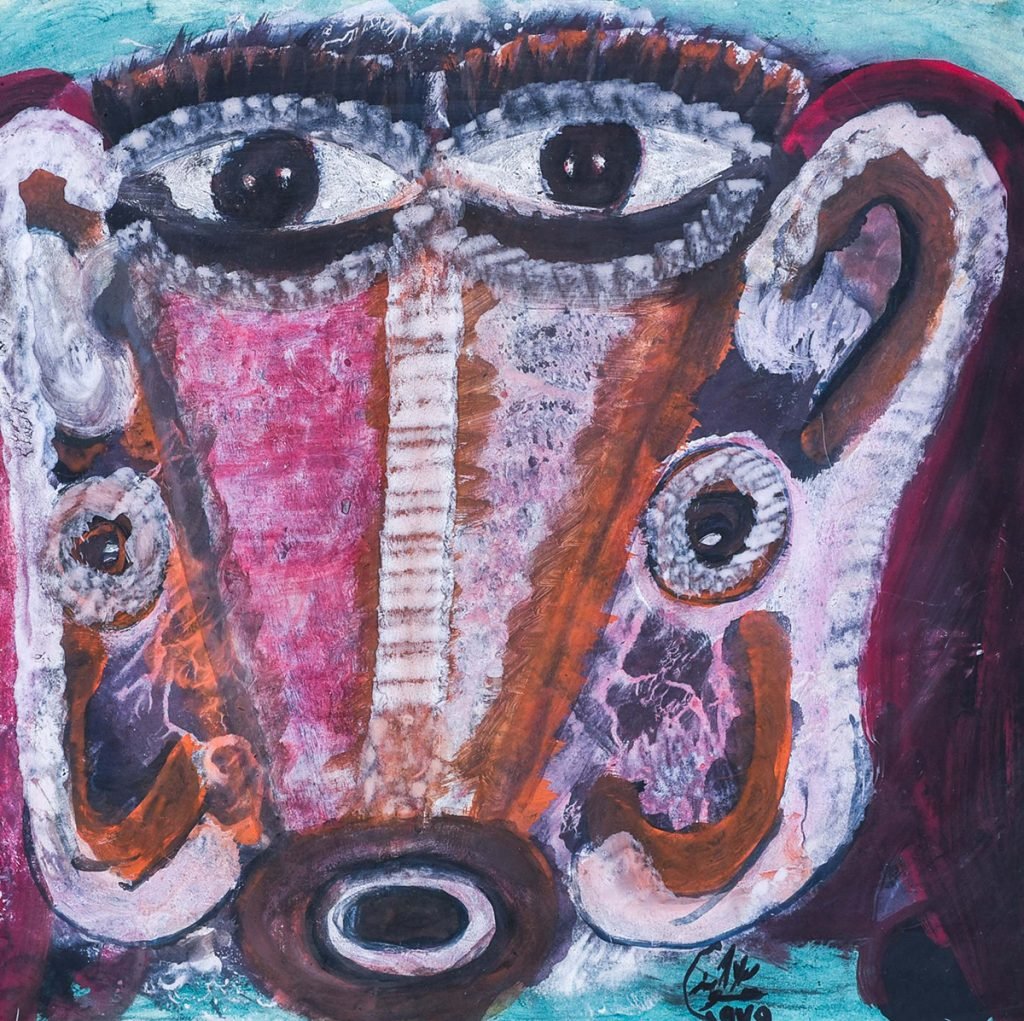
Samir Fouad 1997
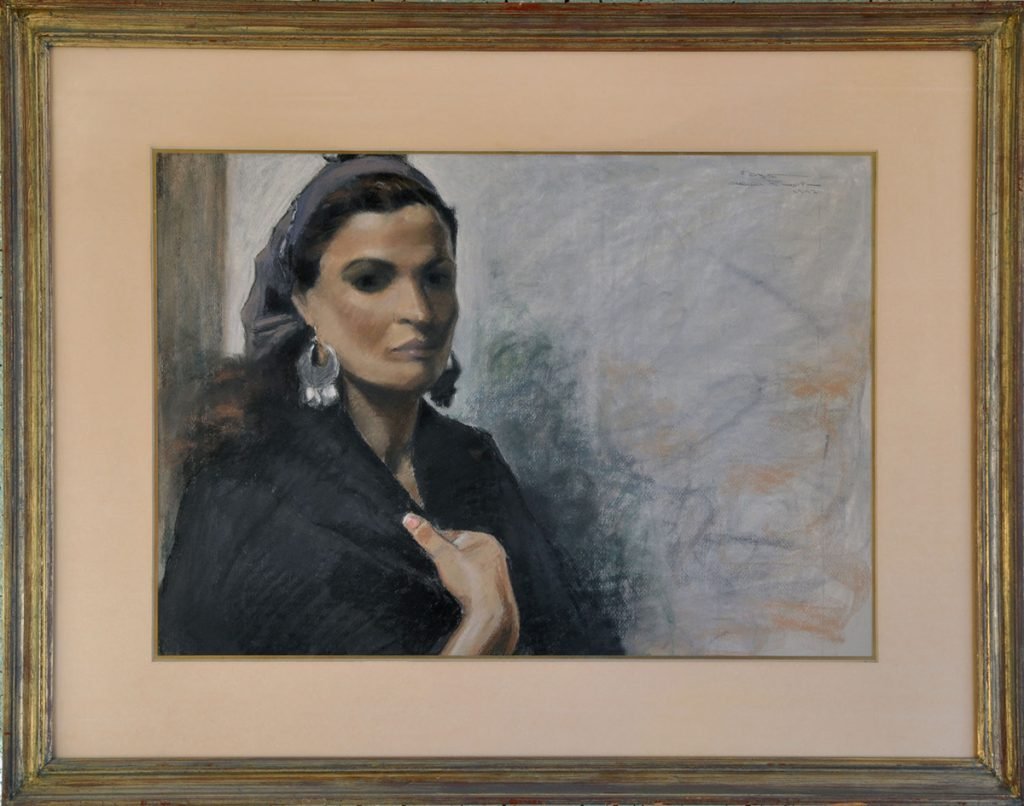
Samir Fouad 2002
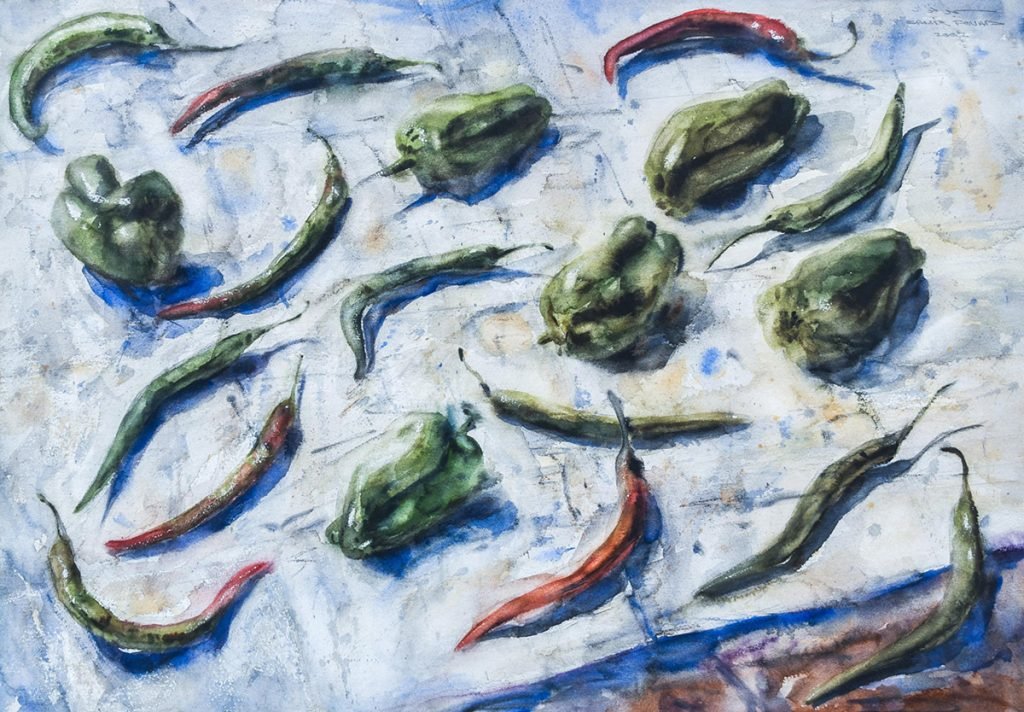
Sarwat El Bahr 1991
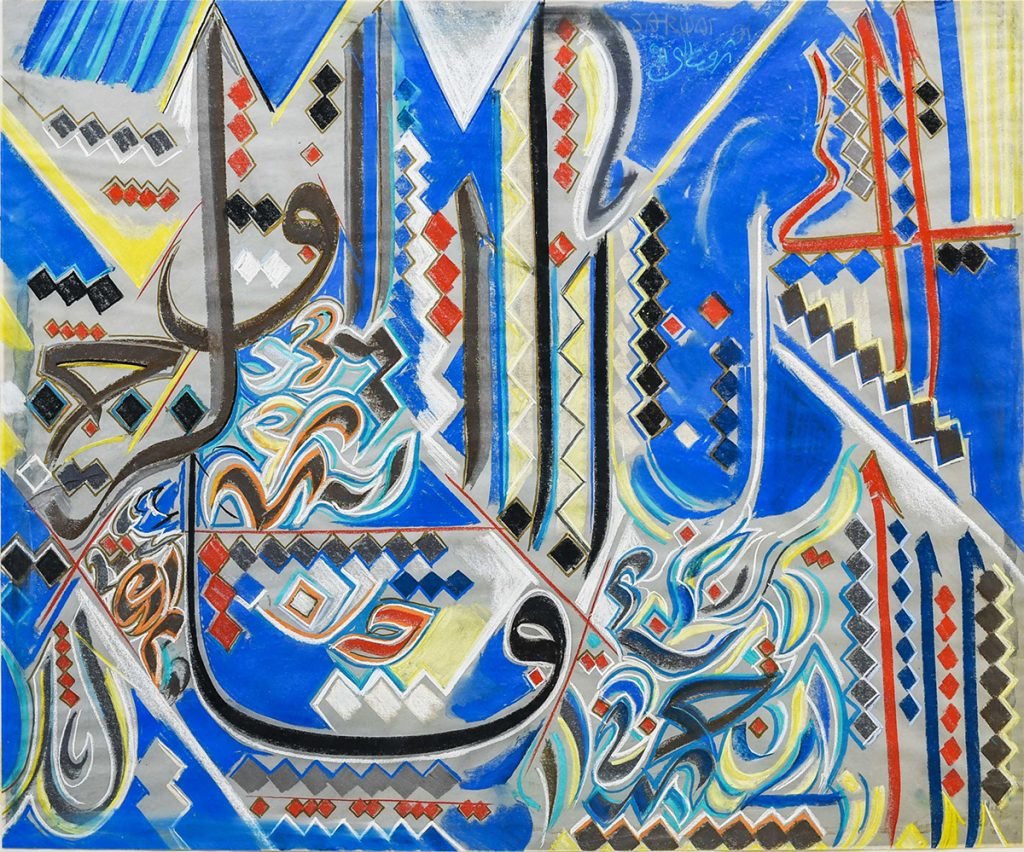
Sarwat El Bahr 1985
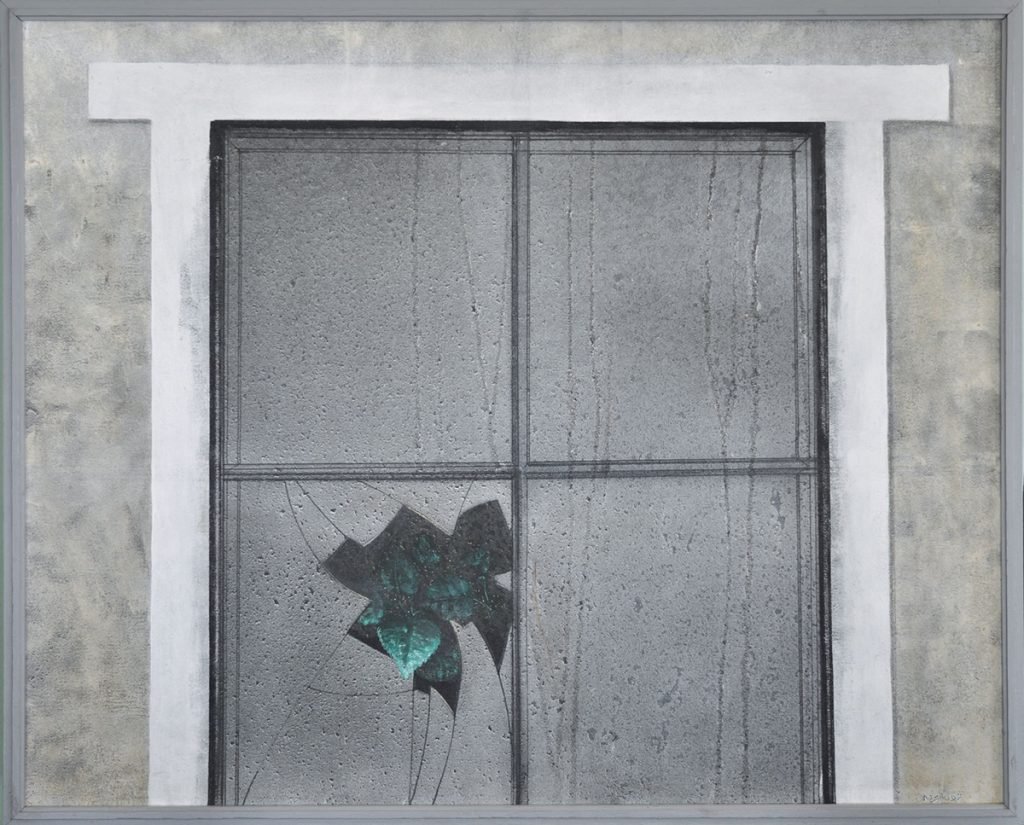
Sayyed El-Kammash 1987
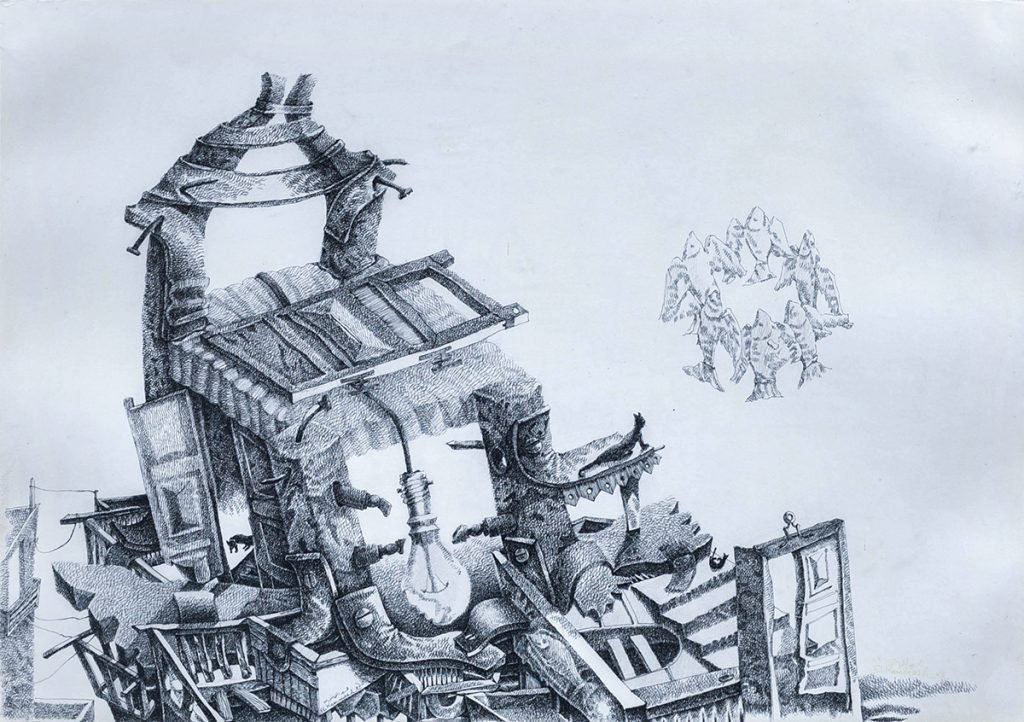
Mostafa Ramzi
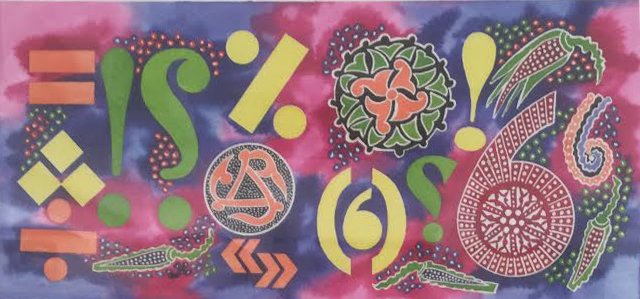
Mostafa Ramzi 1984
Mostafa Ramzi
Mostafa Ramzi
Mostafa Ramzi
Mostafa Ramzi
Mostafa Ramzi
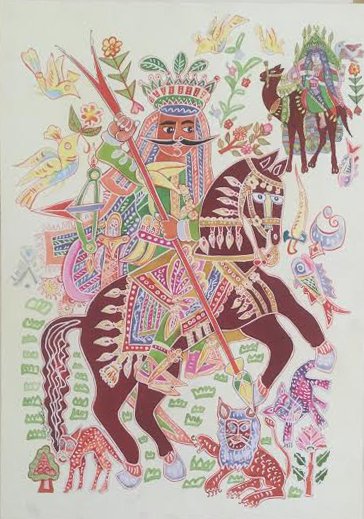
Mostafa Ramzi
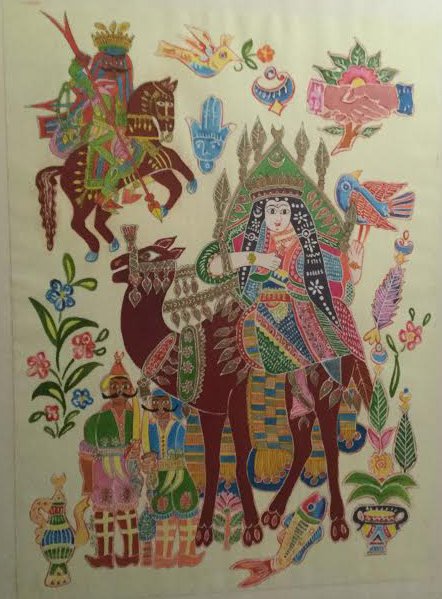
Mostafa Ramzi
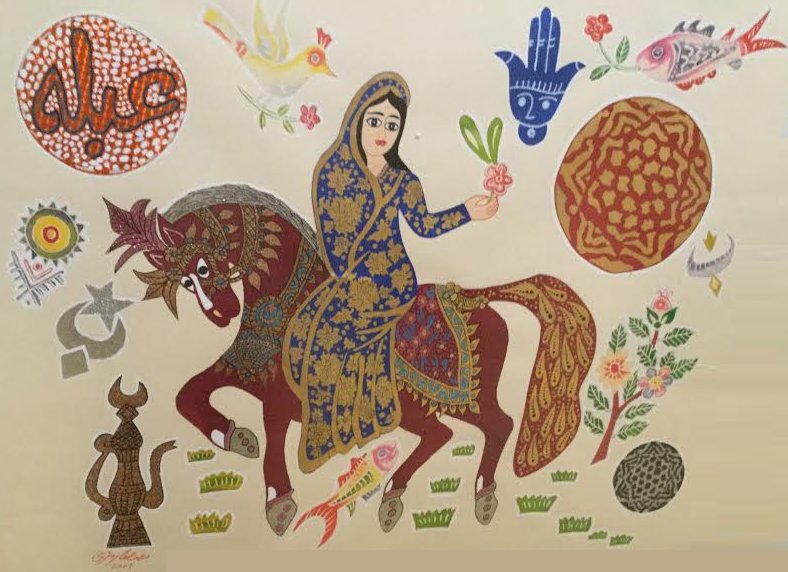
Mostafa Ramzi
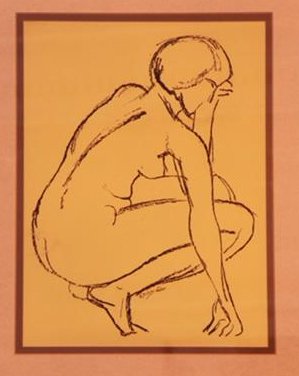
Mostafa Ramzi 1969
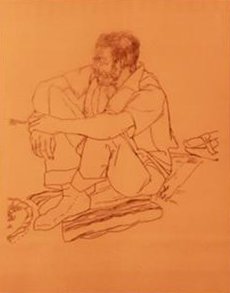
Mostafa Ramzi 1969
Mostafa Ramzi 1962
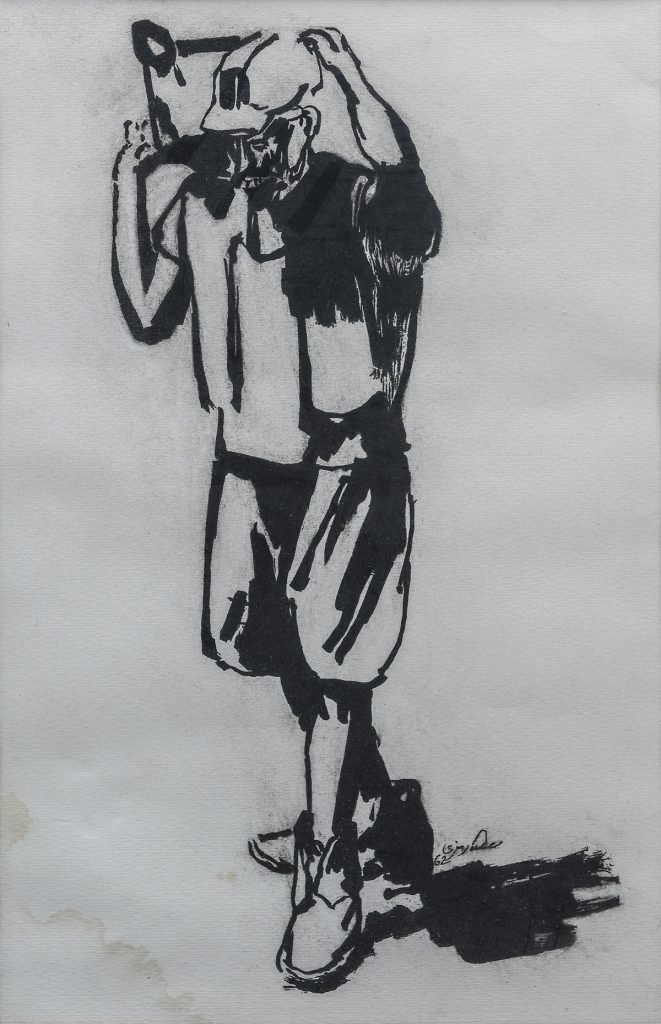
Mostafa Ramzi 1962
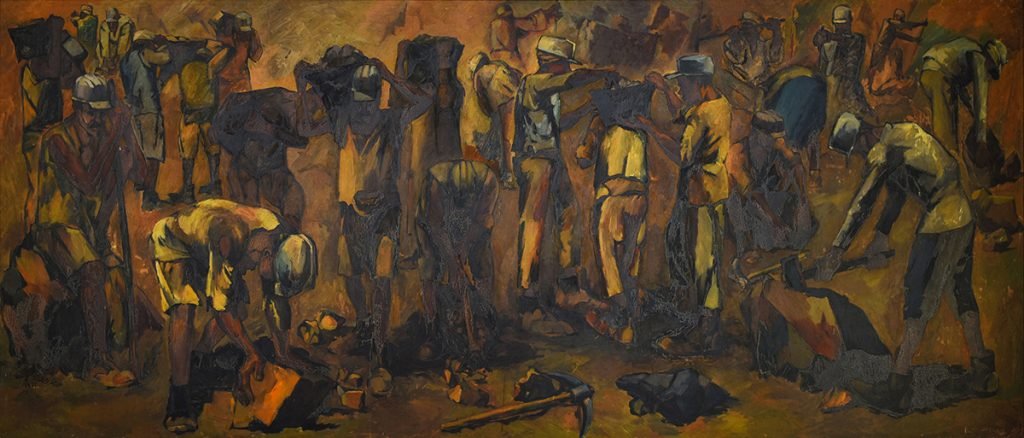
Negham
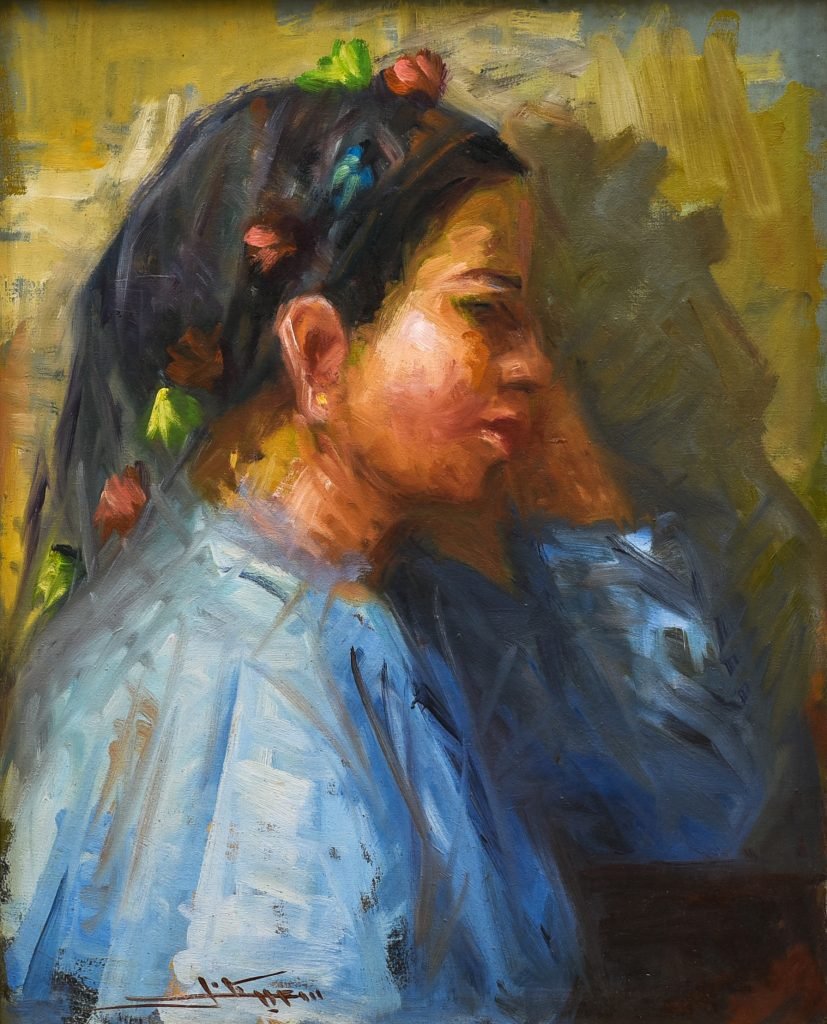
Nagy Moussa Basil 2001
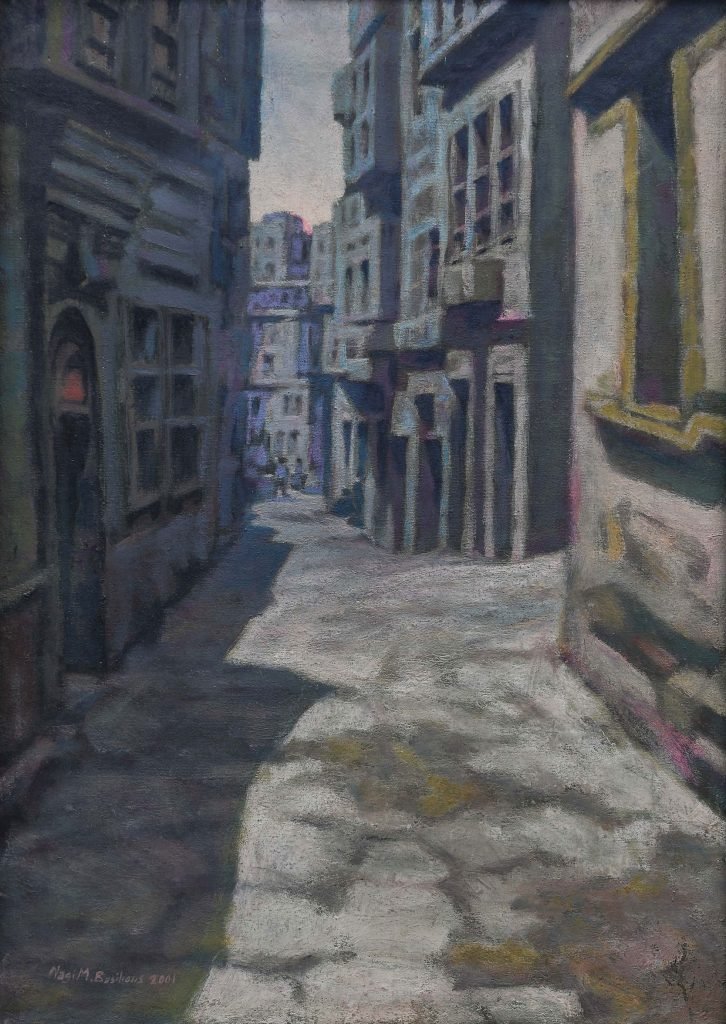
Nagy Moussa Basil 1998
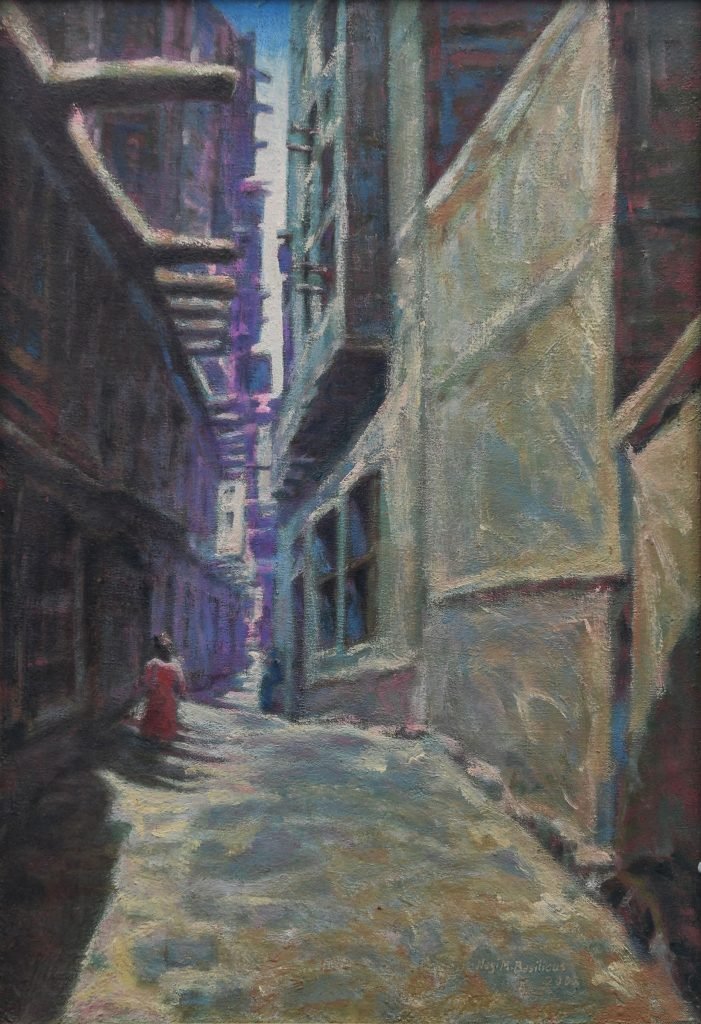
Nagy Moussa Basil 2002
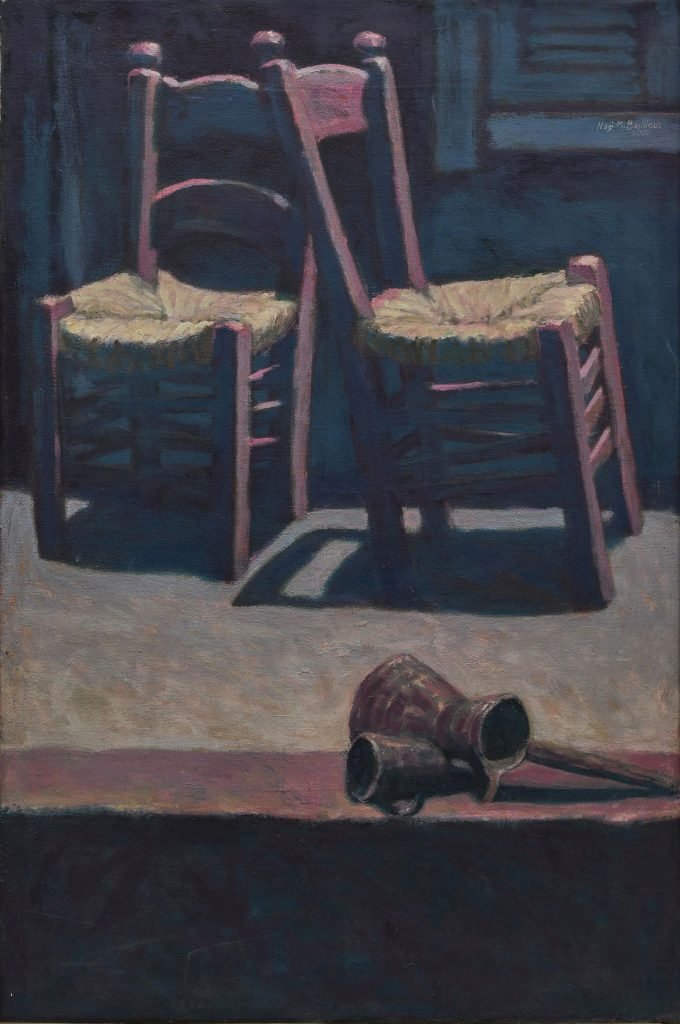
Safwat El-Kadi
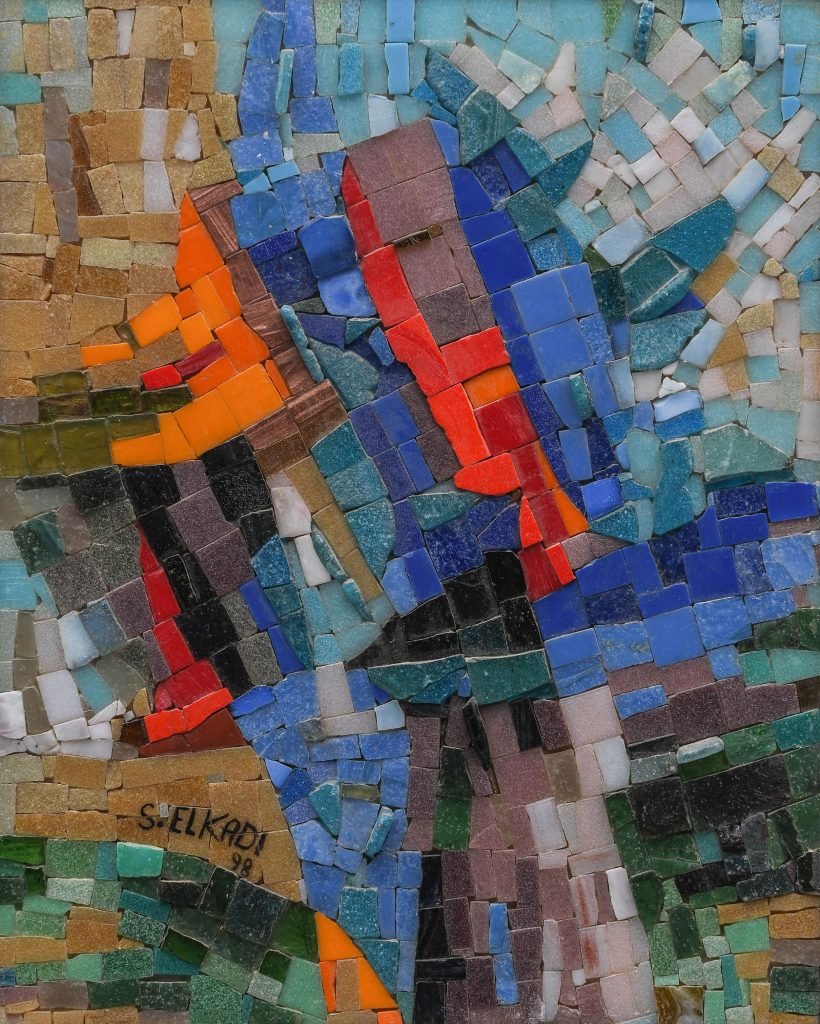
Mahmoud Abdullah 1968
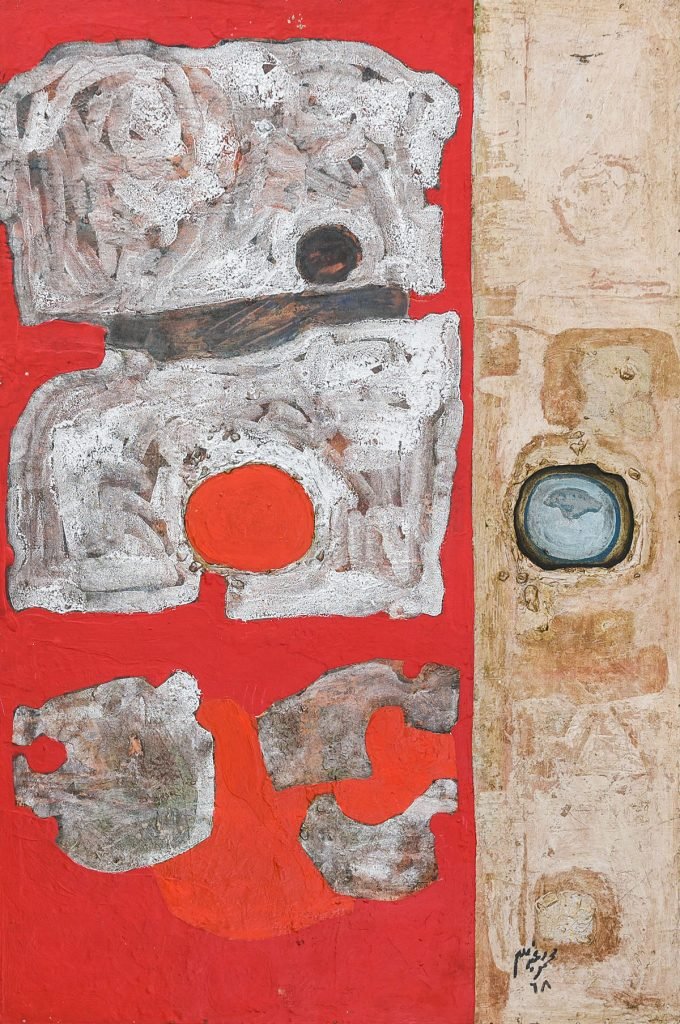
Mahmoud Abdullah 1980
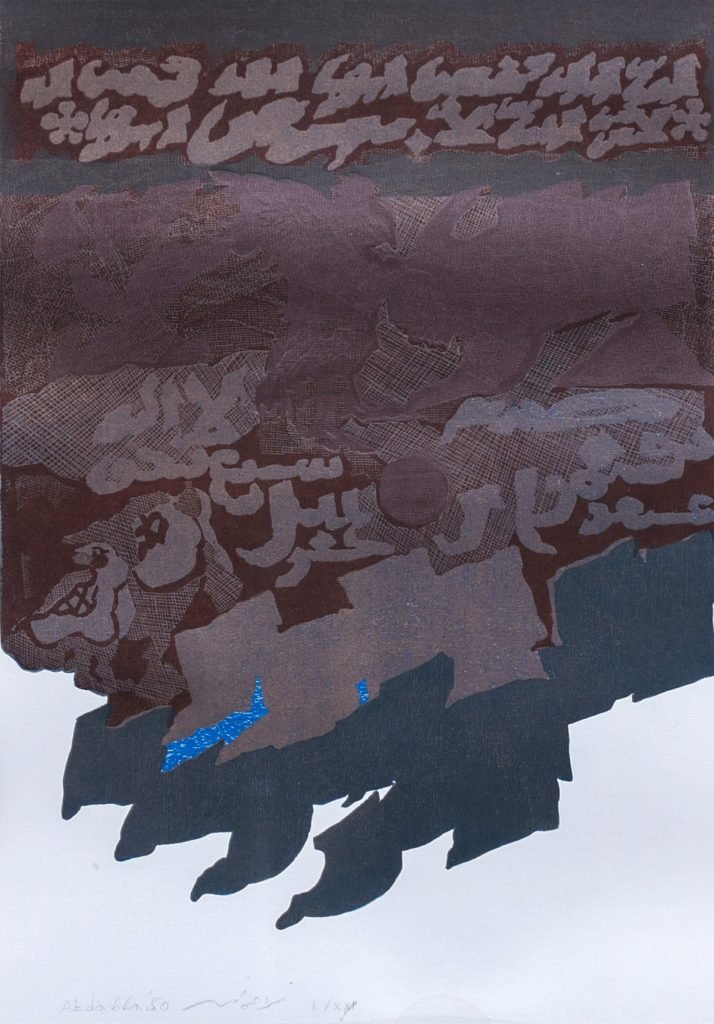
Mahmoud Abdullah 1979
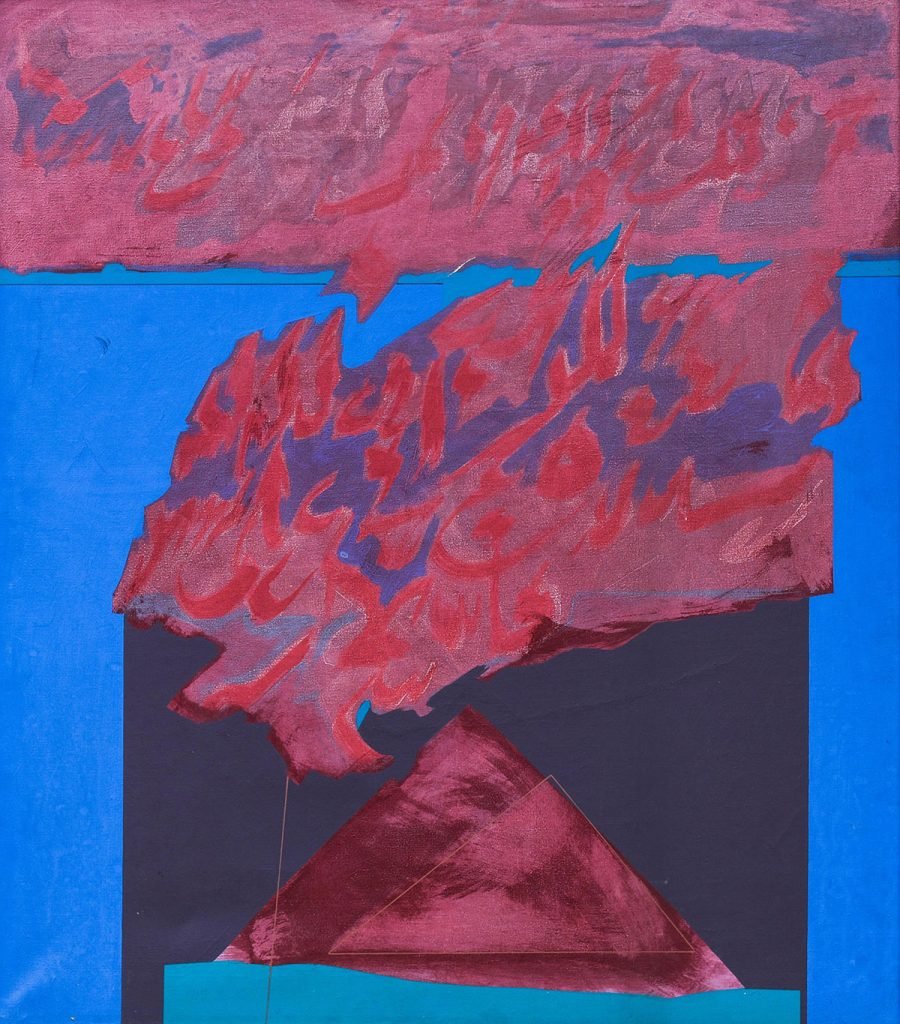
Mohamed Abla 1995
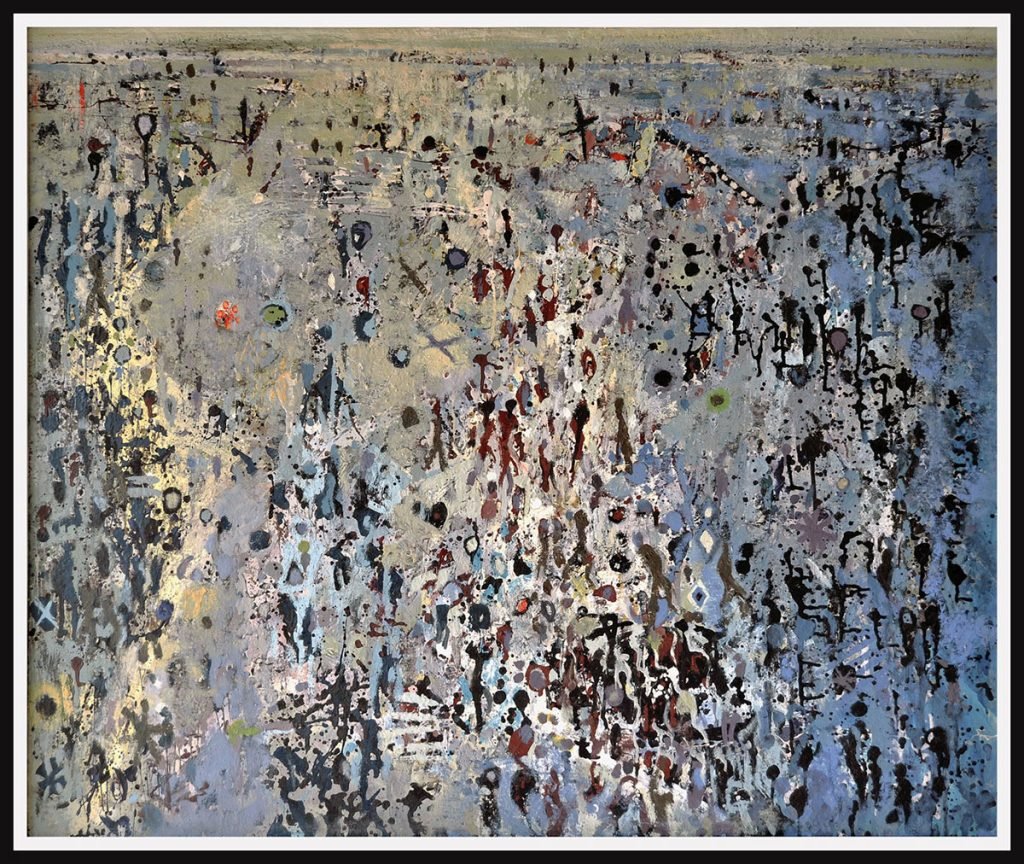
As a modern artist Mohamed Abla combines several techniques, all against a backdrop of heavily relevant political and social commentary. The crowded streets of Cairo appear cold and loenly in grey washed out colors.
Jalal Al Hoseini
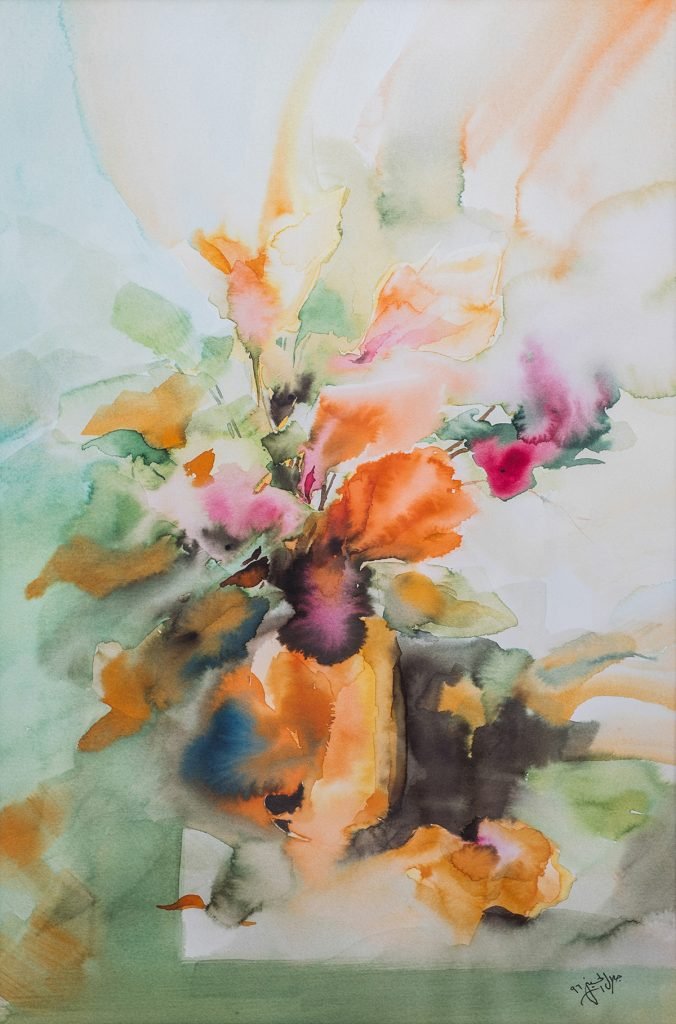
Ihab Shaker 1964
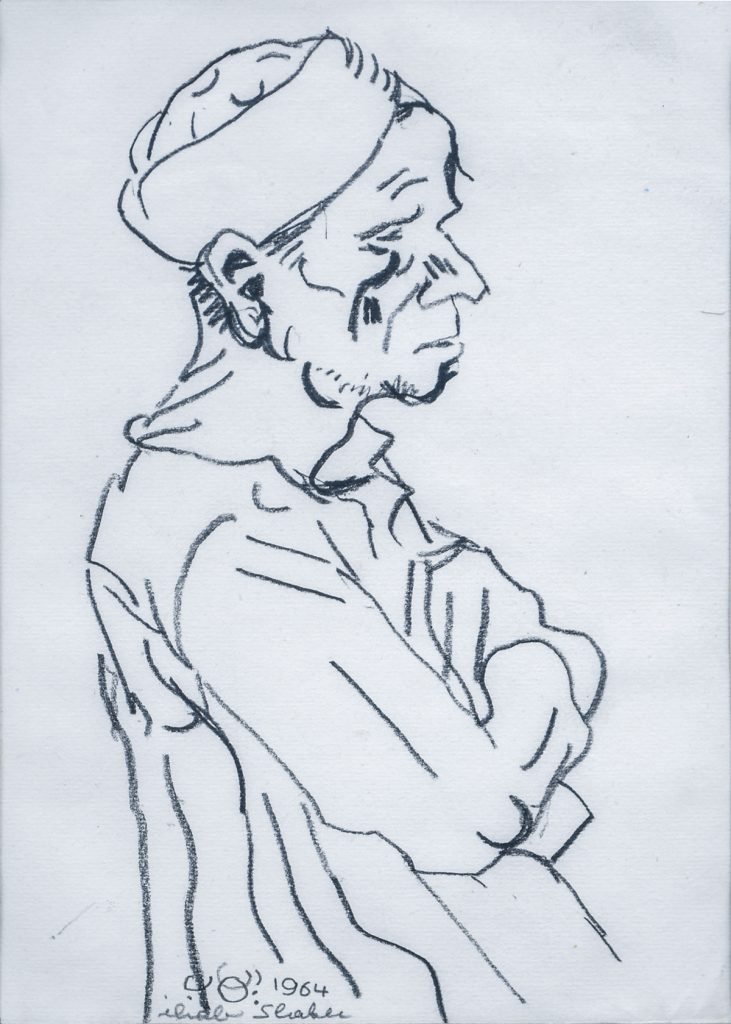
Injy Efflatoun 1988
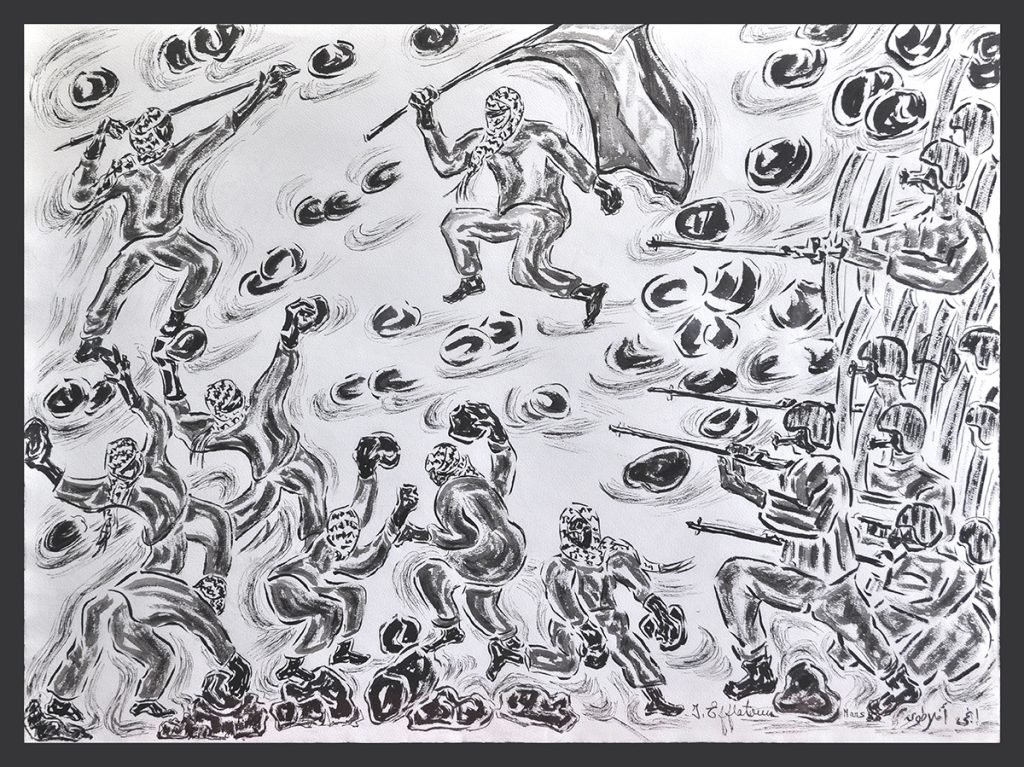
The spirit of the revolution vibrates in Injy Efflatoun’s paintings of later years. Her art, as we see it here becomes characterized by an increasing use of white spaces around her forms.
Injy Efflatoun 1974
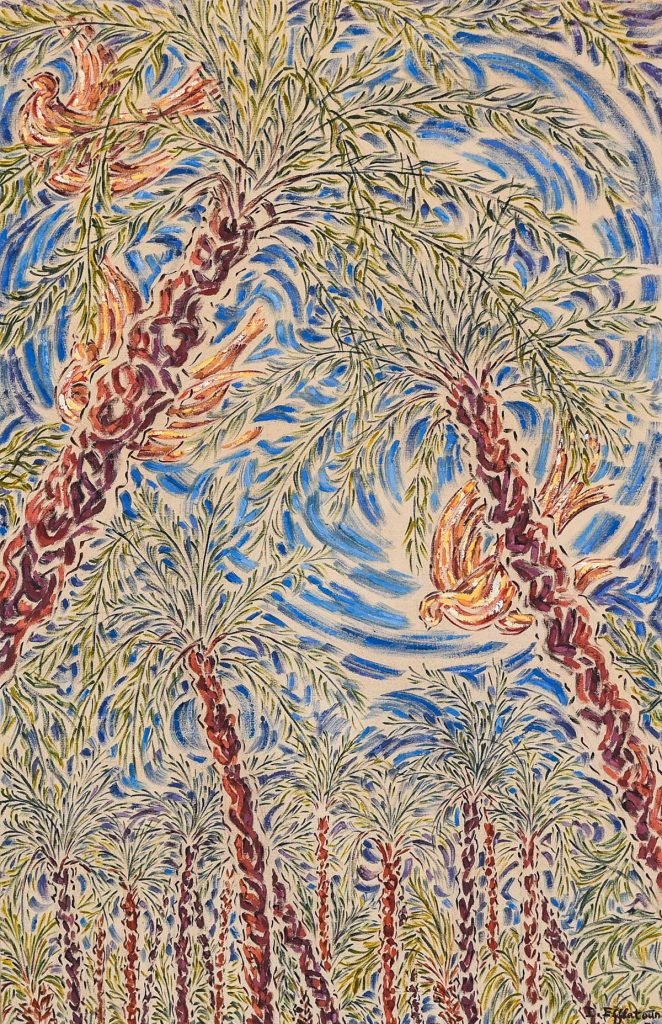
Injy Efflatoun’s paintings are filled with expressive brushstrokes of intense color reminding some observers of Van Gogh or Bonnard. Her subjects are centered around the Egyptian countryside expressing the beauty and light of her beloved country.
Ibrahim El Dessouki 2001
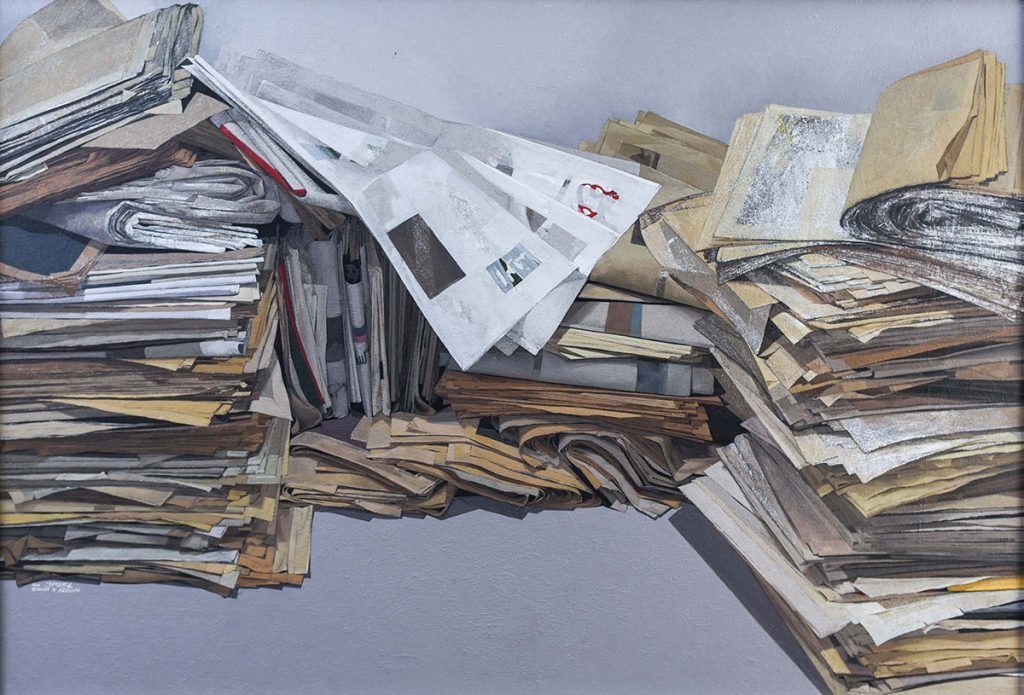
Meticulous details of paper show El Dessouki’s destinguished knowledge of shade and light. He is concerned with direct observation, employing a methodical approach to his work where the settings are carefully staged.
Hassan Soliman 1983
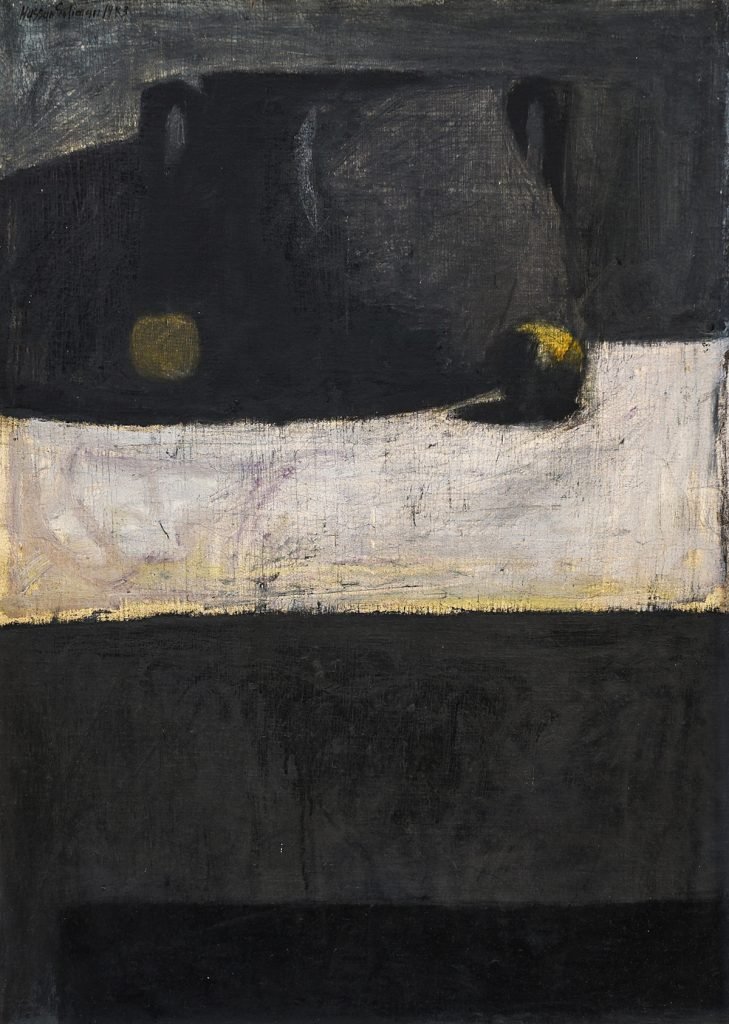
Still-life painting represented most of Hassan Soliman’s early collections. Dominated by black and dark shades of grey, this work is typical of his monochromatic paintings. Here Soliman fuses minute details to focus on the expressive whole.
Hassan Soliman 1972
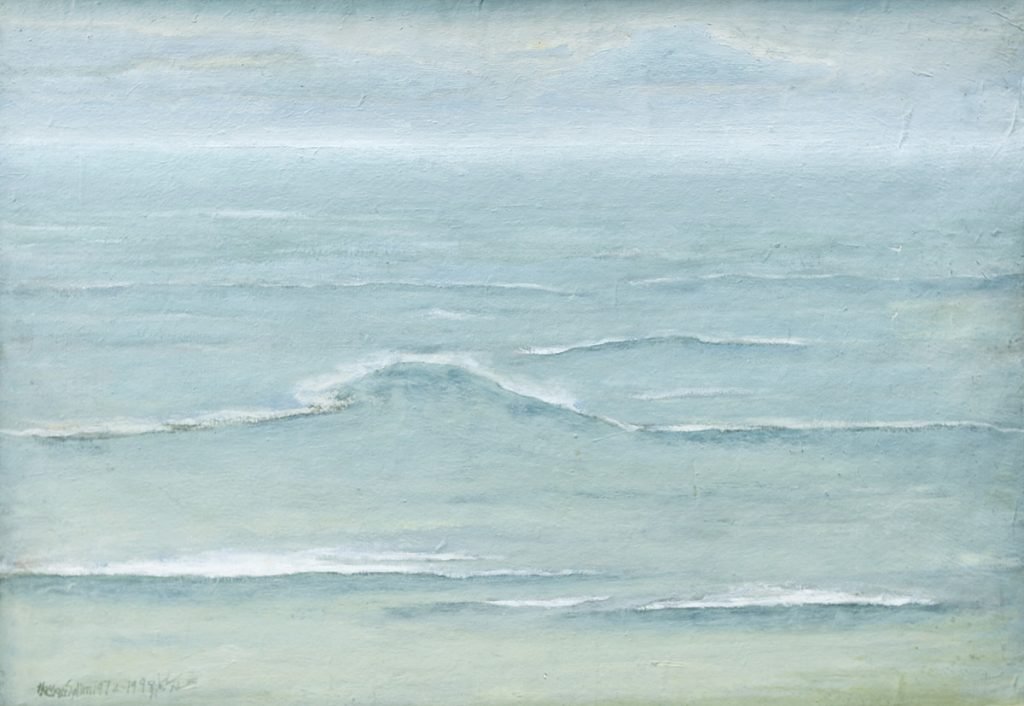
From a distance this is a calming vision of a sea in motion, but upon closer inspection layers upon layers of paint become visible. Hassan Soliman painted and re-painted this painting from 1972 until 1998 when he finally felt that it had reached a place of completion.
Hassan Soliman 1963
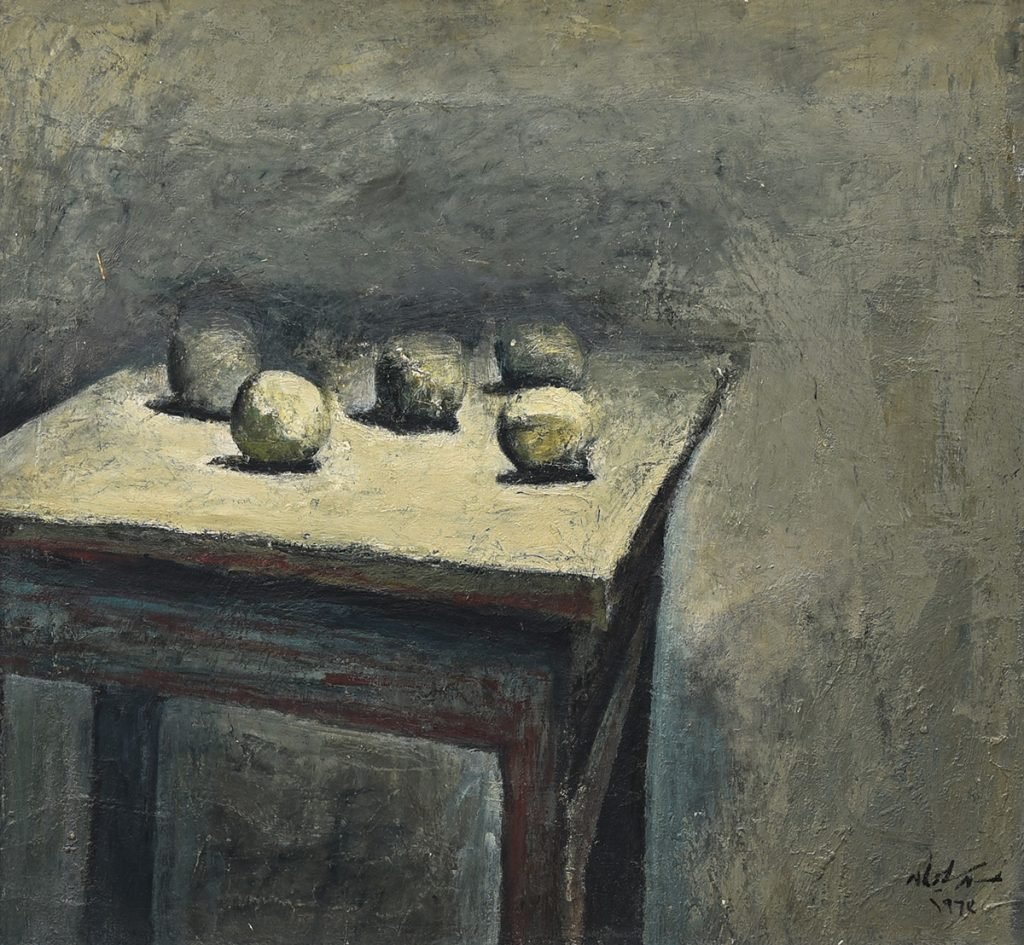
This work is typical of Soliman’s heavy texture technique. He intensifies the black and white in rich warm mixtures of sepia by using a color paste rich in texture, producing a tactile quality to the painting.
Hassan Soliman 1995
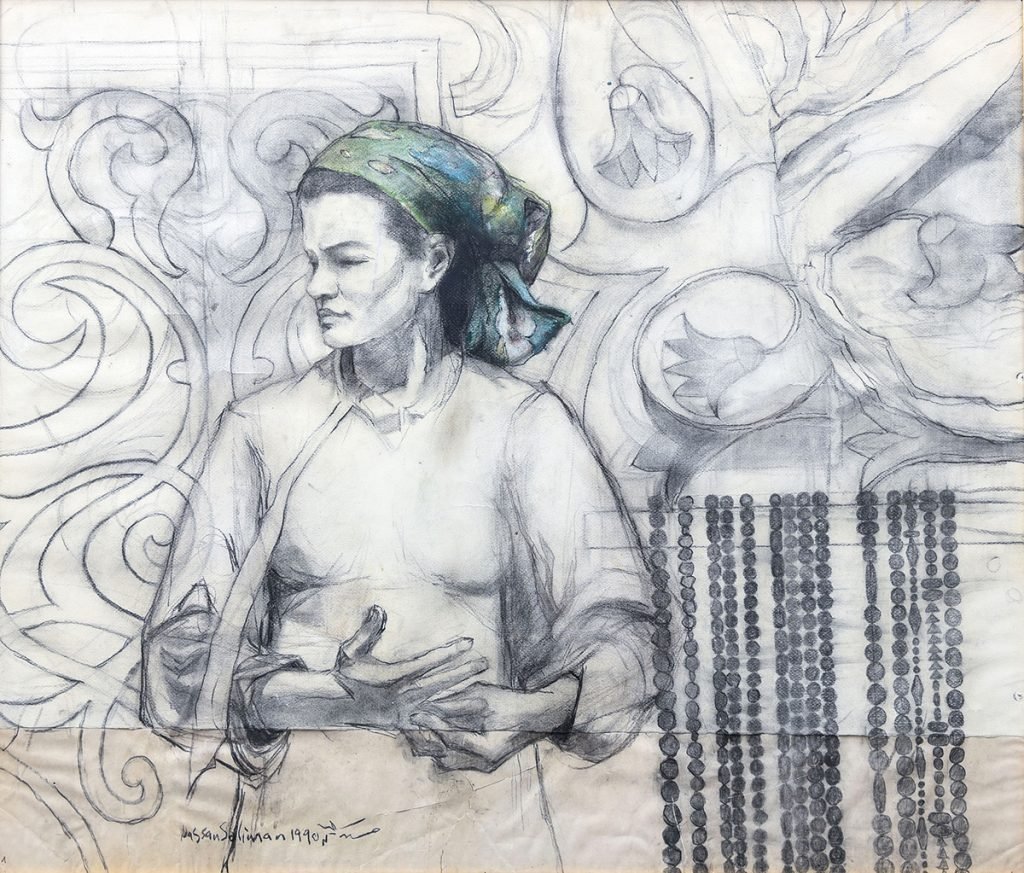
In addition to painting, Hassan Soliman experimented with graphic engraving and drawing where he was master. A woman with a head scarf stands in front of a wall with patterns.
Hassan Soliman 1966

This is Hassan Soliman at his peak in the sixties; a calm, peaceful blue background envelopes a boy washing an ox.
Hassan Soliman 1997
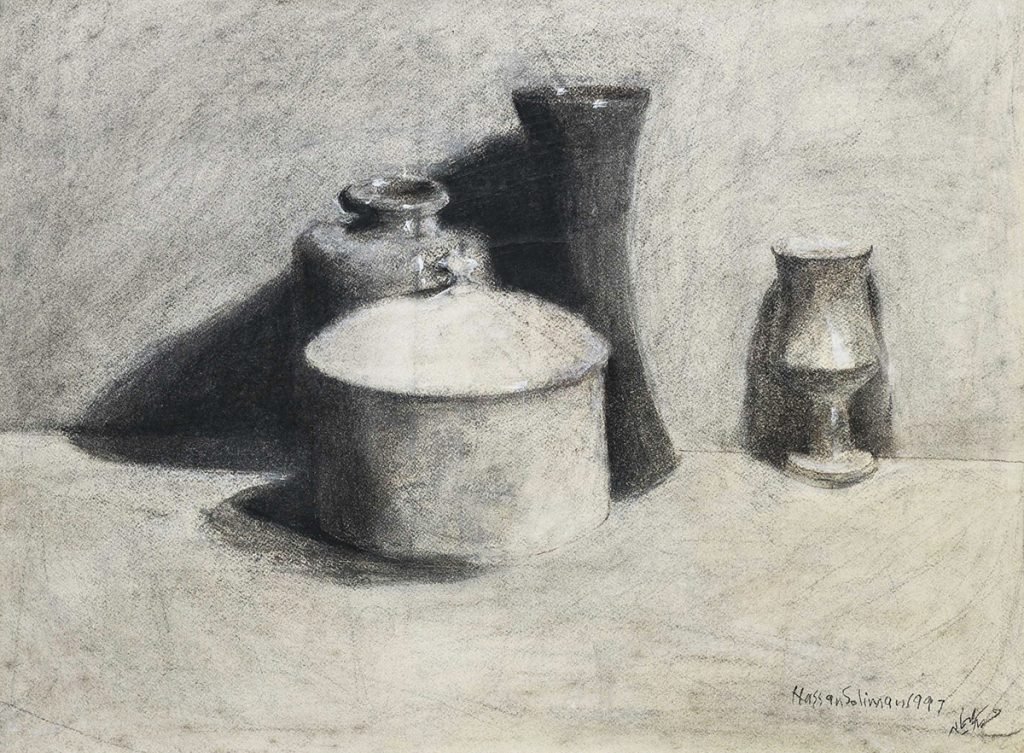
Soliman cherished themes of still-nature, translating the fall of light on the circular outlines of containers, projecting serene shades on the table surface. Here, even the white shades have a dim to them.
Hassan Soliman 2001
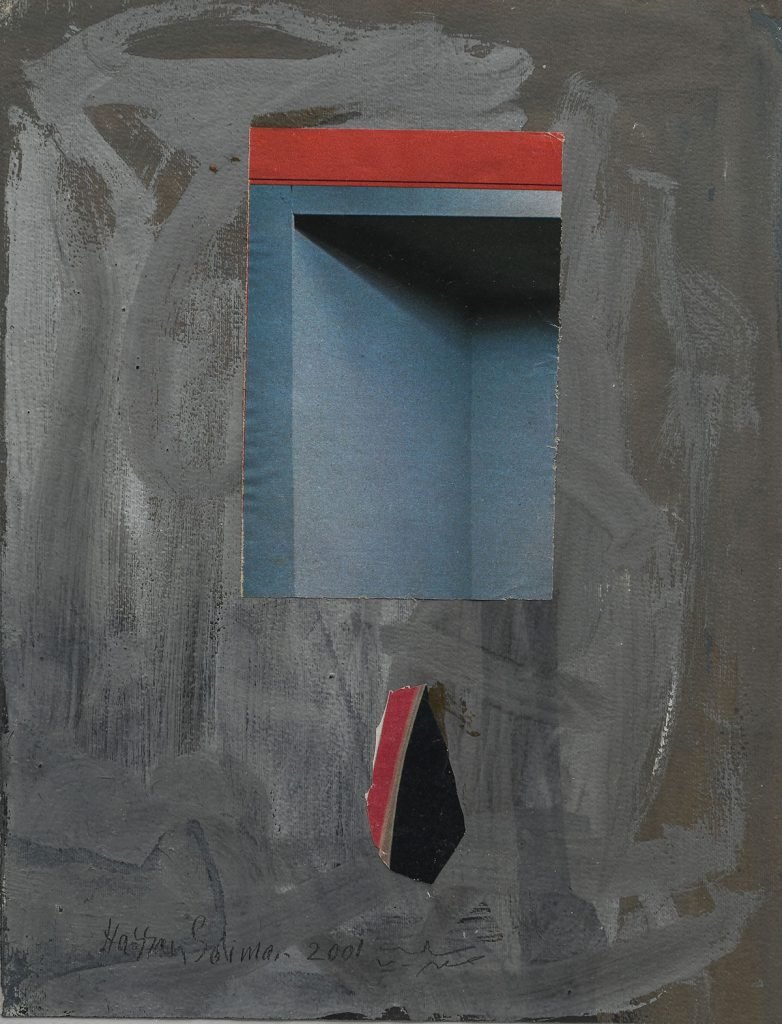
This painting is typical of Hassan Soliman’s experiments with abstraction and surrealism. A rectangular shape in a wall could serve as a portal to somewhere mysterious to the viewer.
Hamed Abdullah 1981
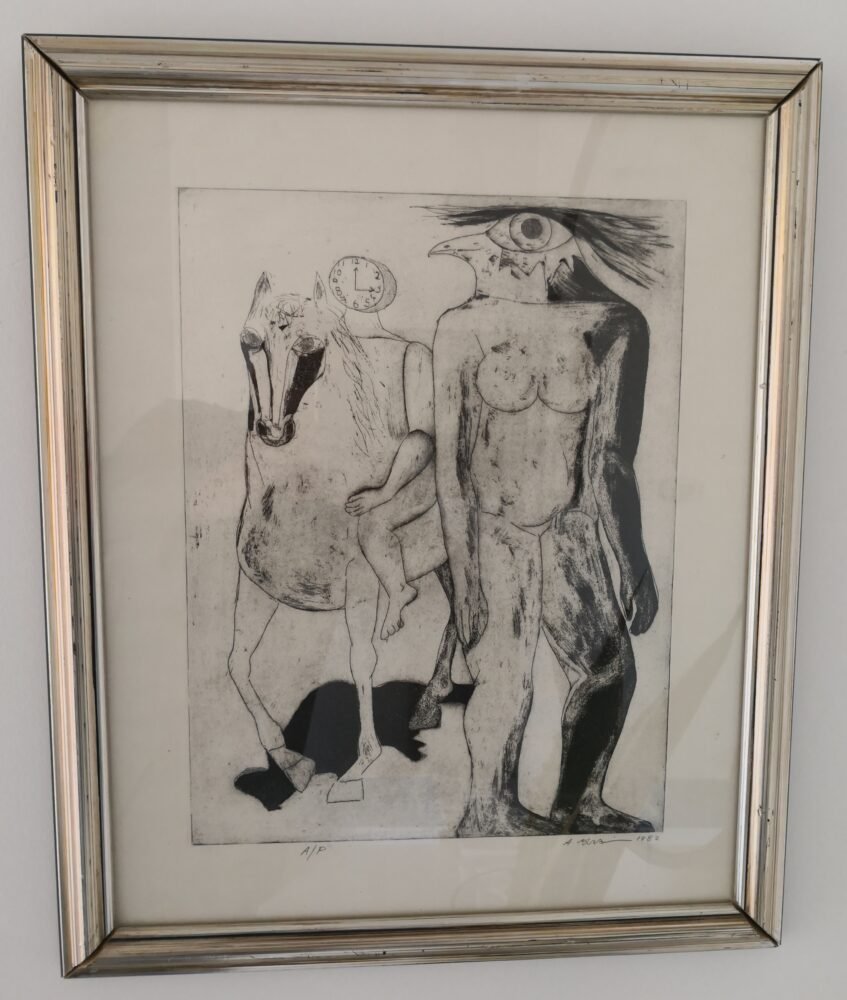
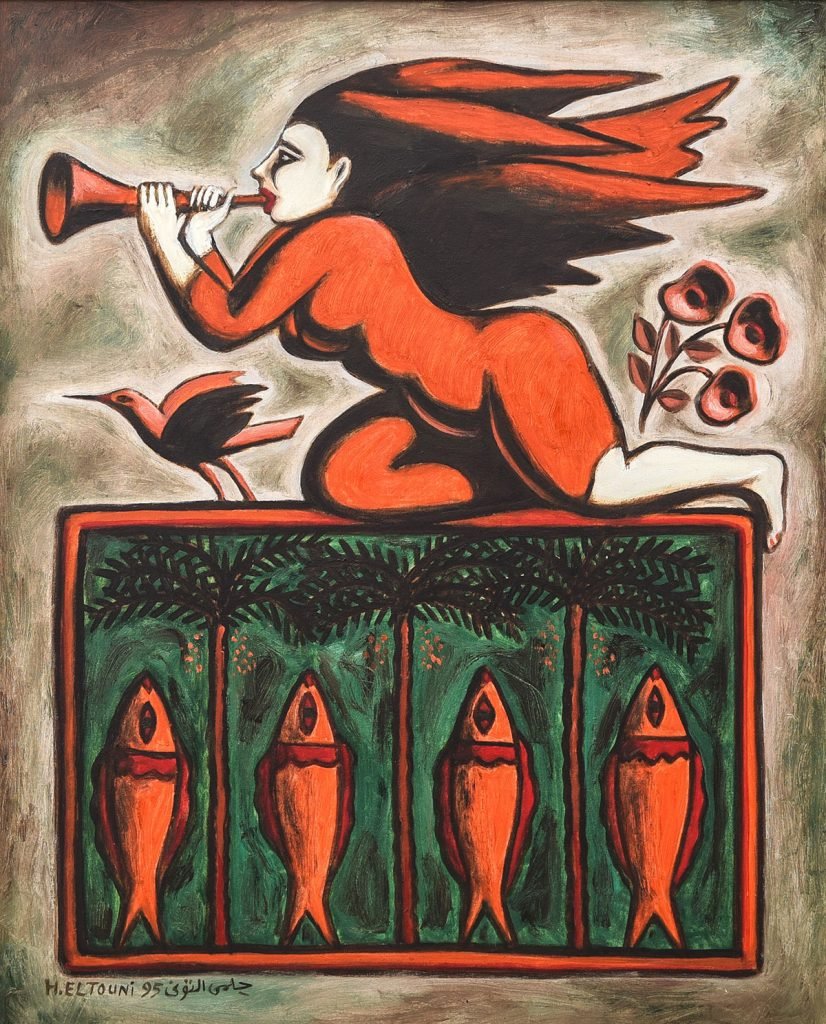
Hilmi Al-Tuni
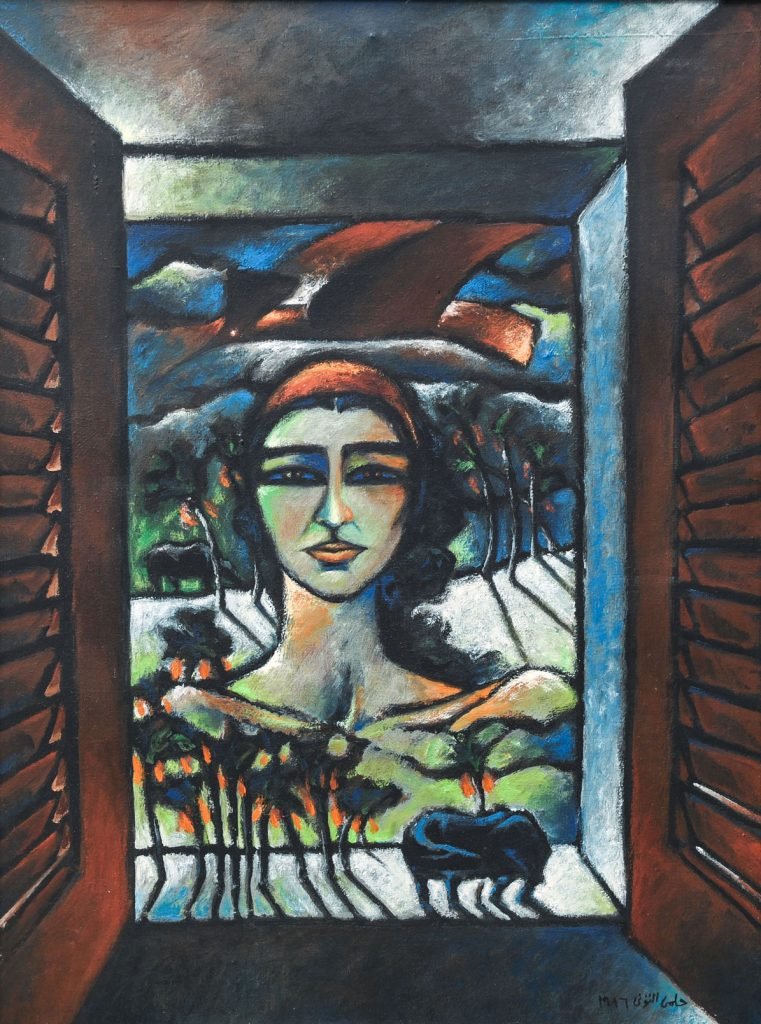
Hilmi Al-Tuni
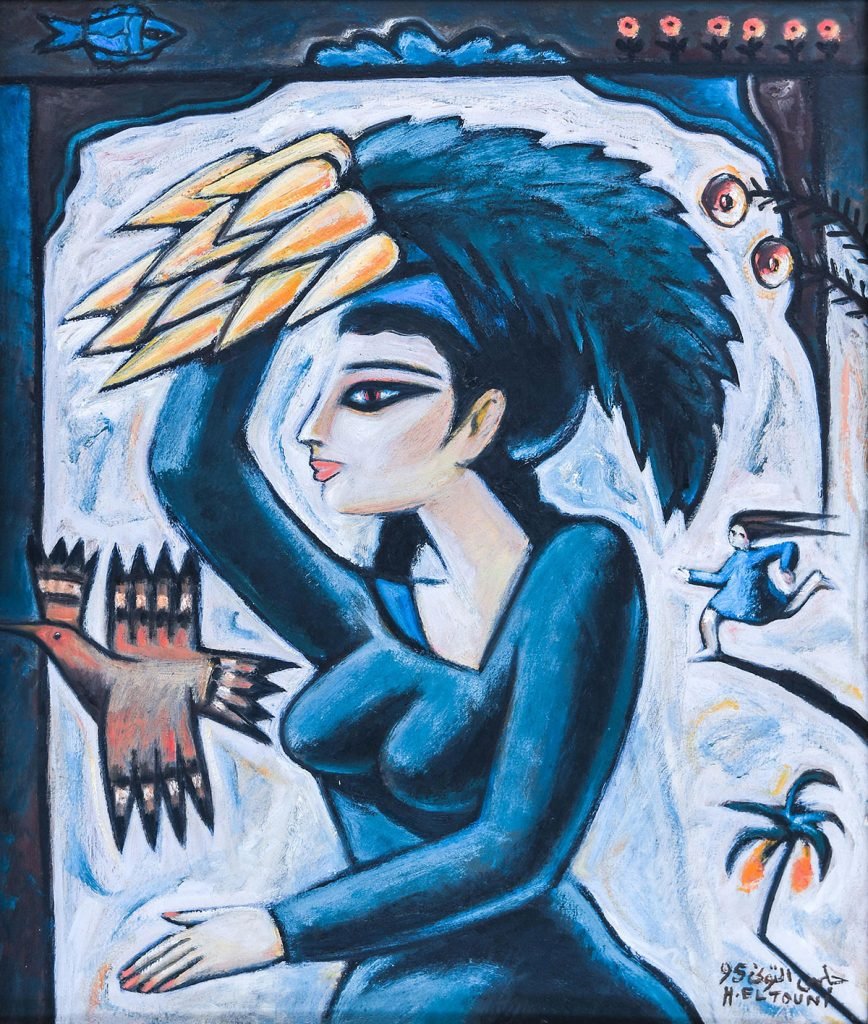
Hilmi Al-Tuni is one of Egypt and the Arab World’s most prominent and gifted artists, illustrators, and book designers. His work has influenced the visual sensitivities of generations of Arab children and adults alike. He believed in bringing art to the average person though art and design, and developed a true Arab style of illustration, […]
Hilmi Al-Tuni
Gameel Shafik
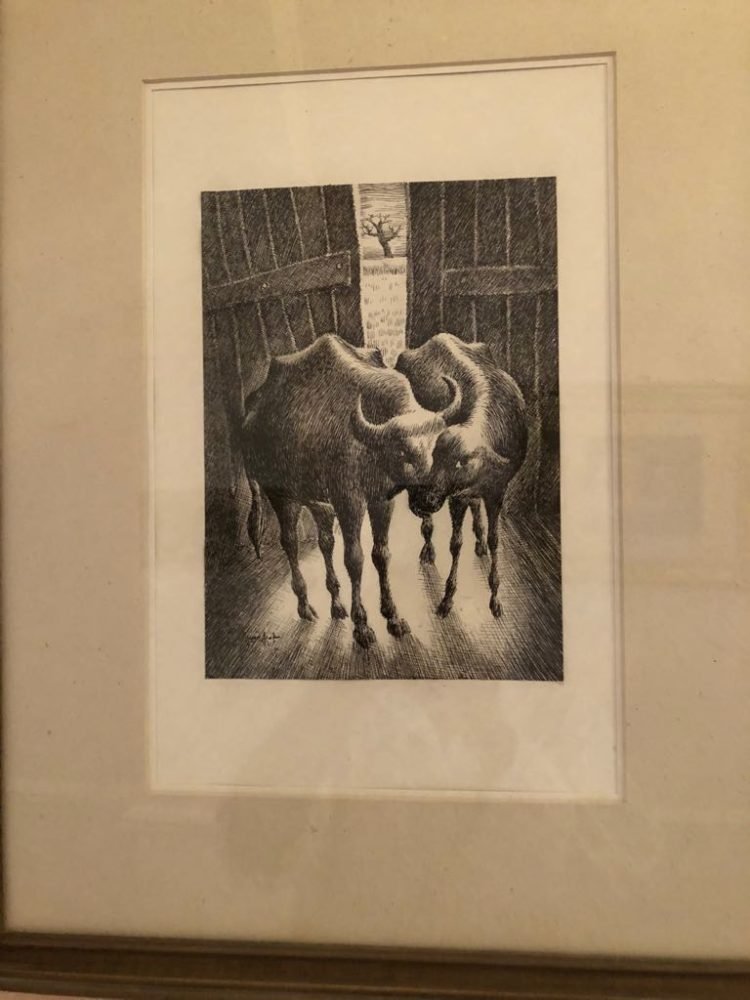
Gameel Shafik
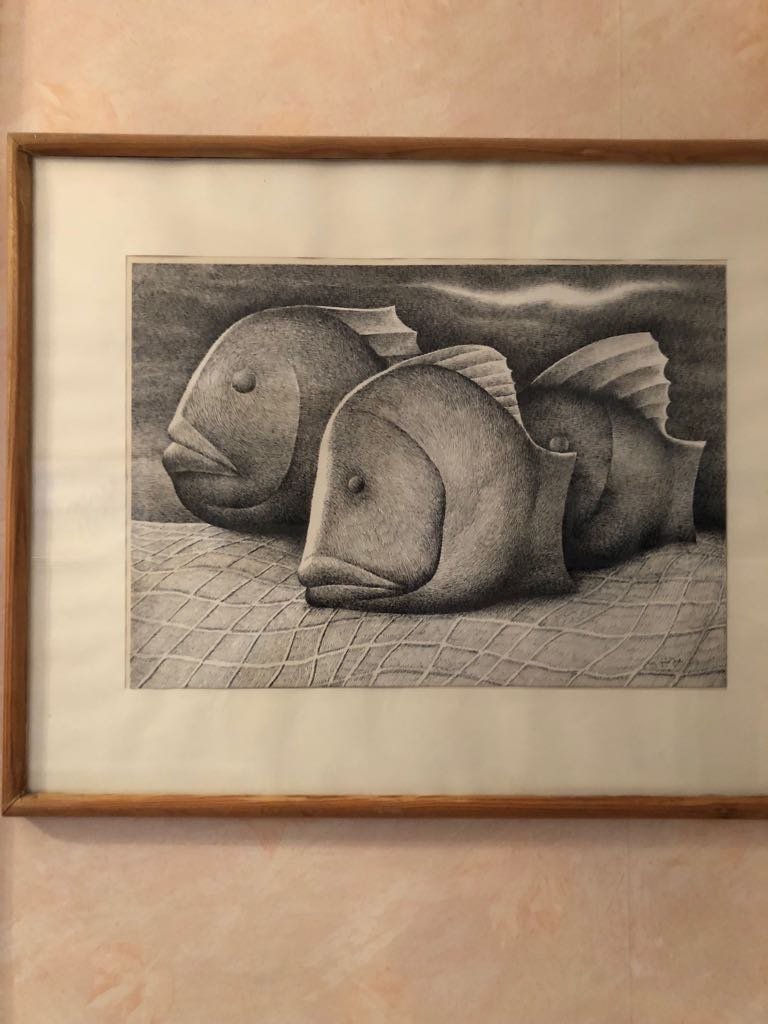
Gameel Shafik
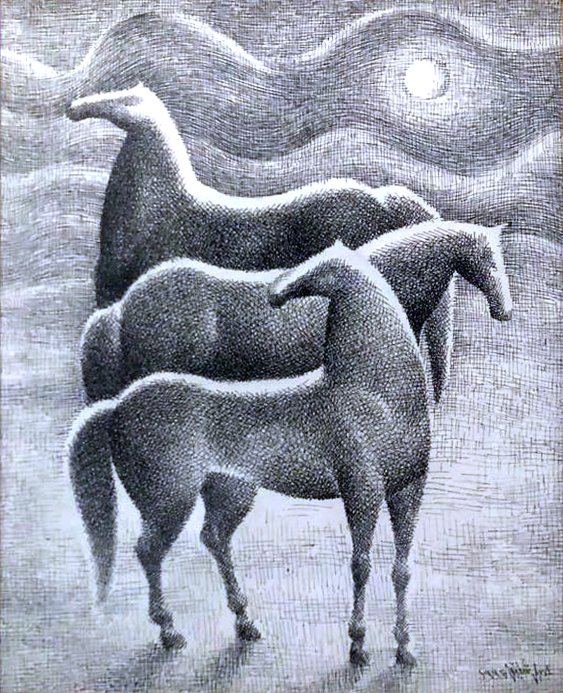
Gameel Shafik 1998
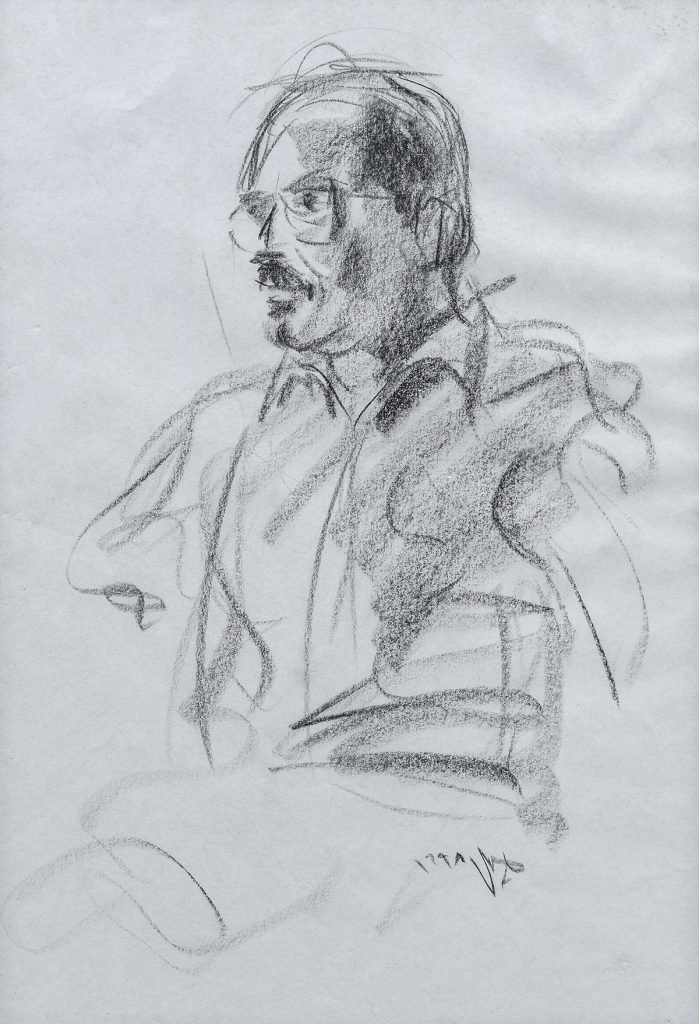
A portrait of Mohammed AlSharekh drawn in charcoal on paper by Gameel Shafik.
Gameel Shafik 1994
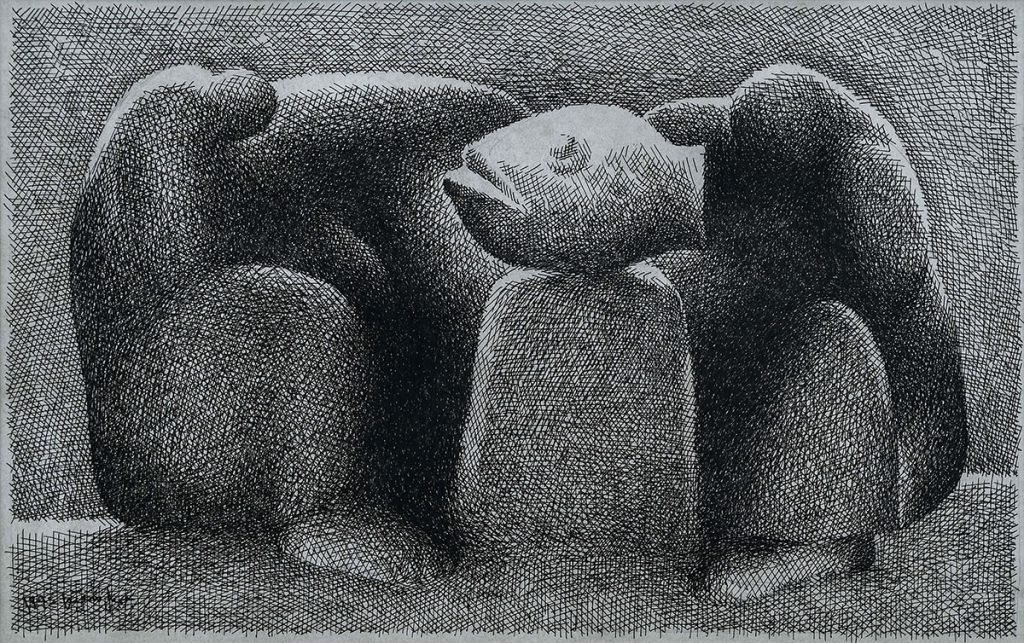
The fish is a particulalry important symbol for Shafik. He emphasizes its long tradition in Egyptian culture. Among other explanations, it symbolises Isis and the Nile fertilising Egypt.
Gameel Shafik 2004
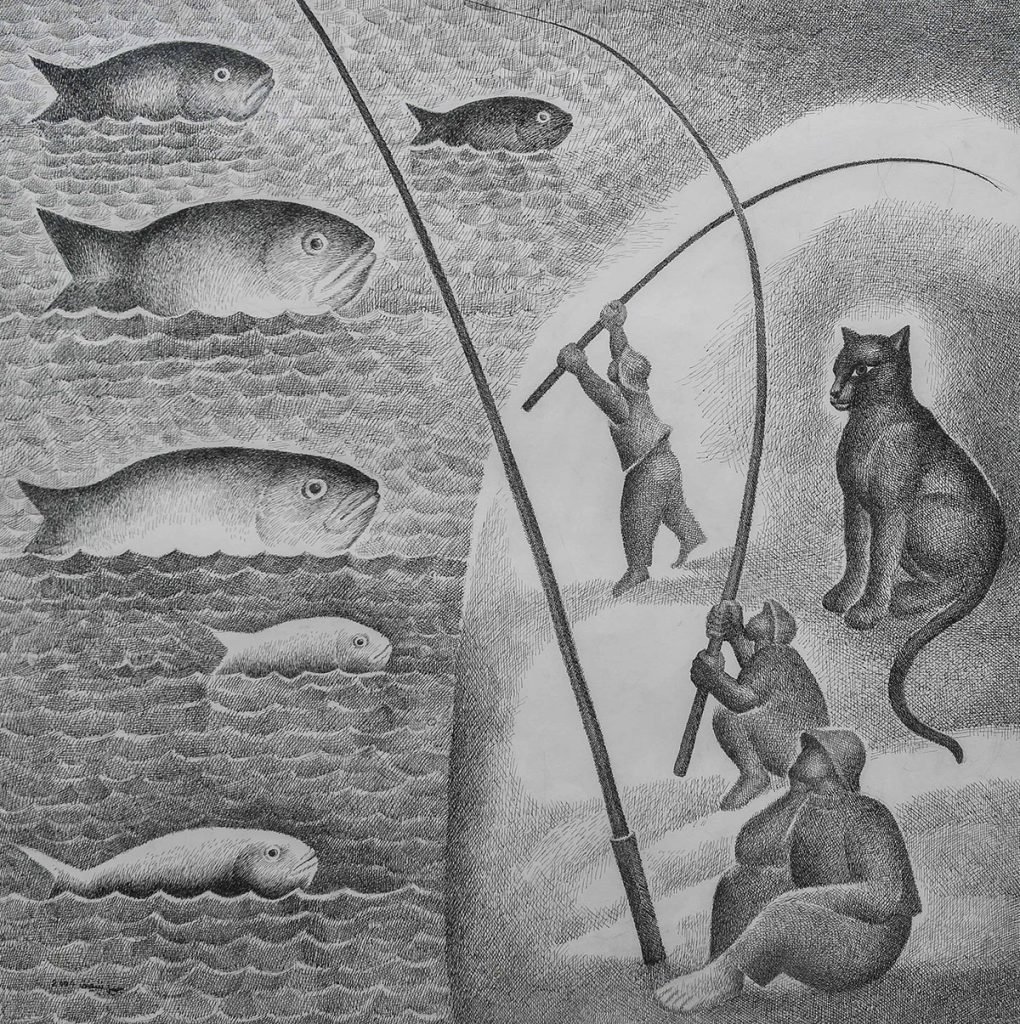
Soldiers posing as fisherman are fishing for the biggest fish in the water. A black cat reveals the evil forces and old ways that are at play. It is said that Satan could transform himself into the guise of a black cat.
Gameel Shafik
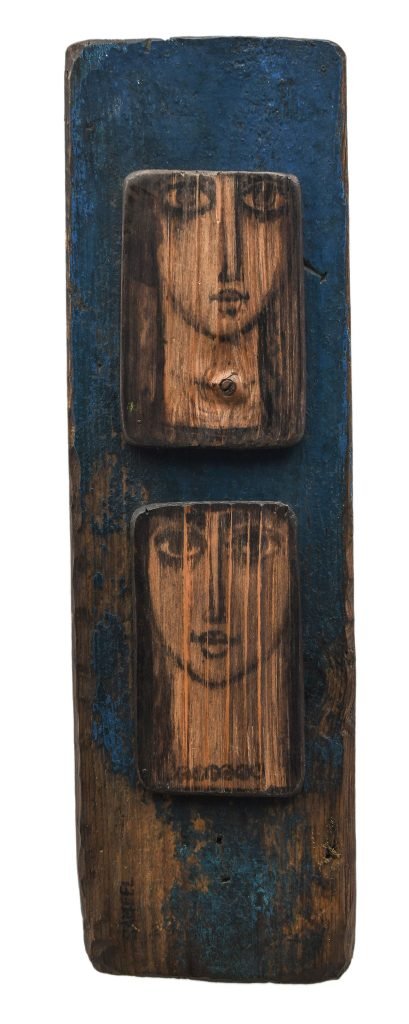
Two portraits painted on wood that are part of large series done in this style.
Gameel Shafik 2003
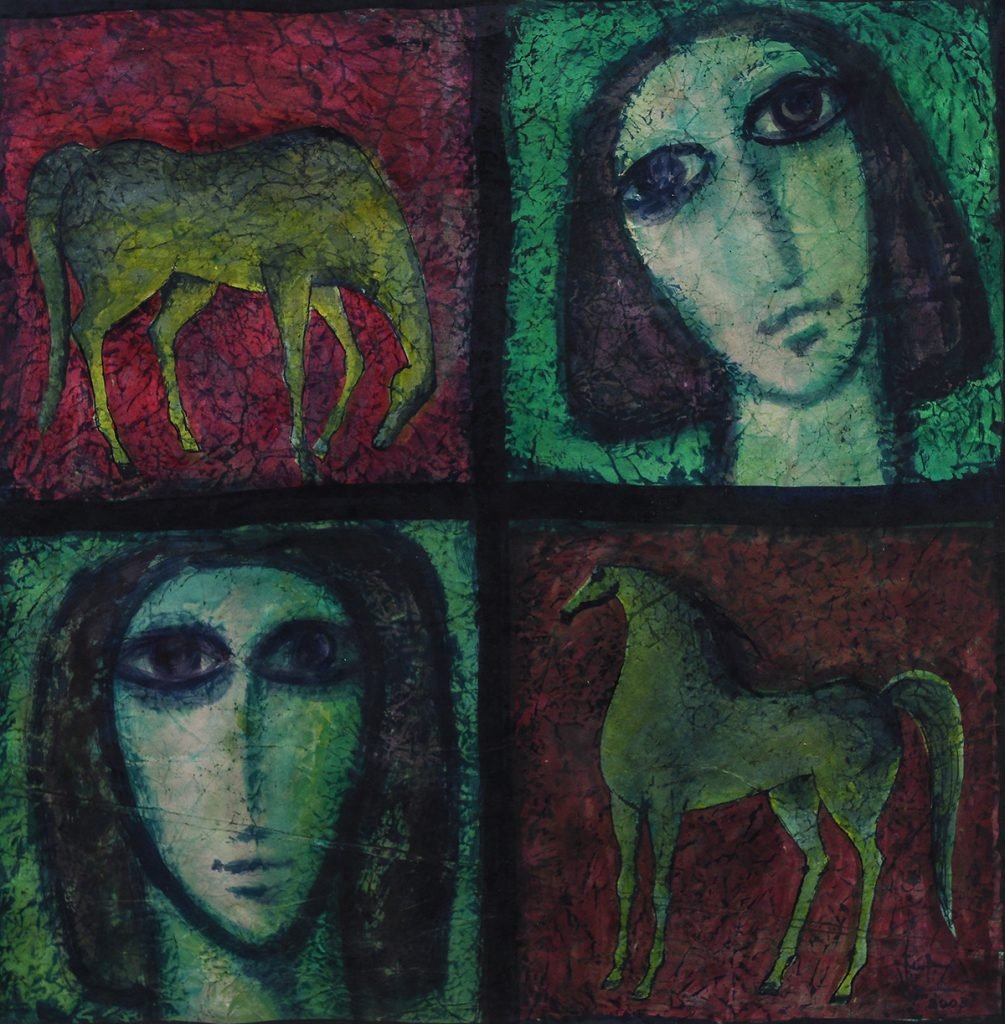
A horse with his head down to the ground and another with his head up and standing tall. Different reactions to the same situation.
Gameel Shafik 1998
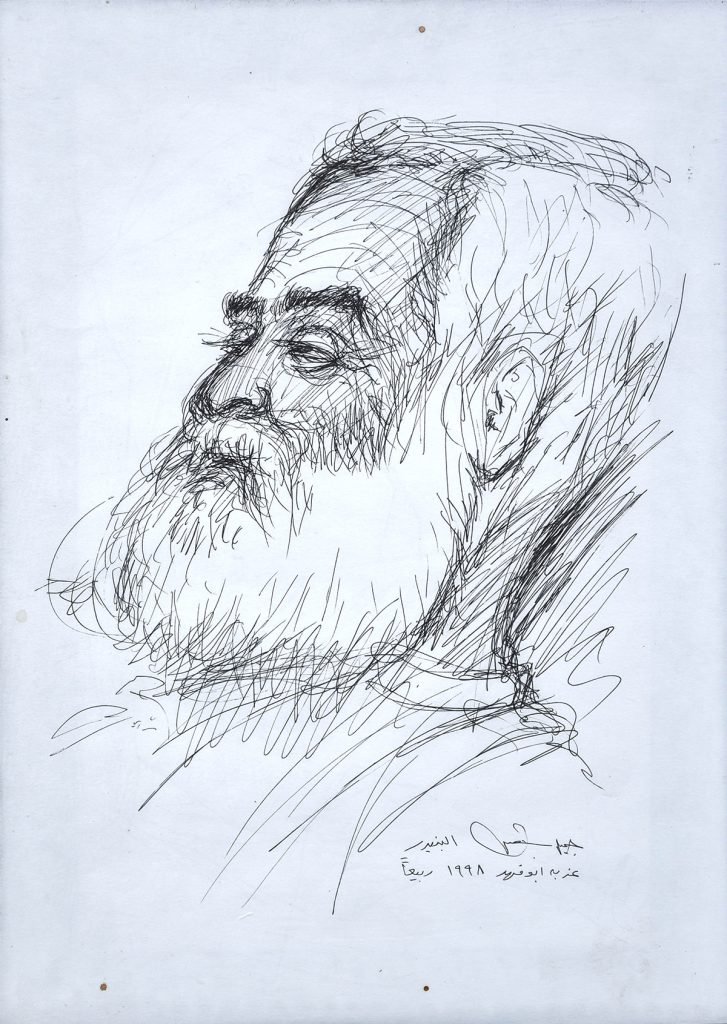
Gameel Shafik
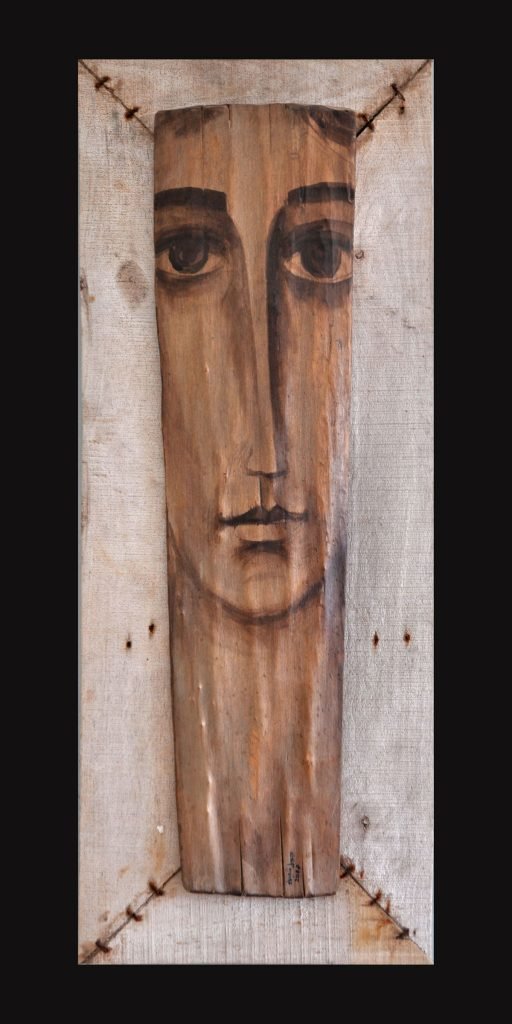
A portrait painted on wood, one of many produuced by Sgameel Shafik in this style.
Gameel Shafik 1990
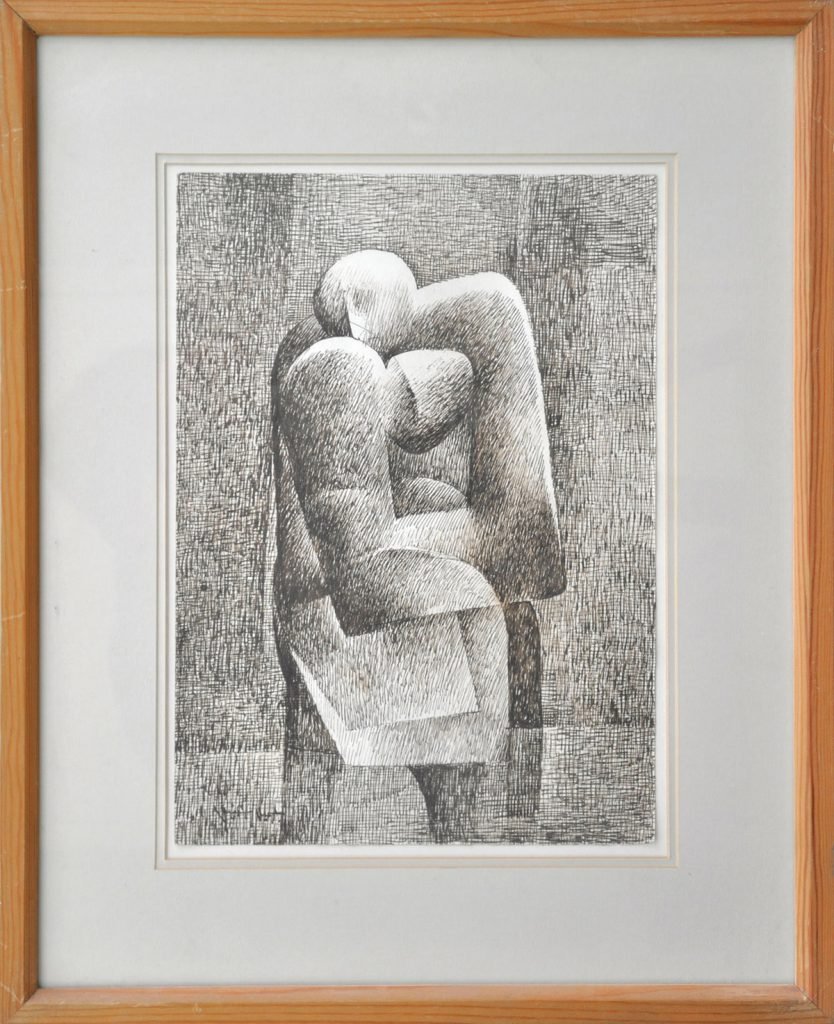
A husband and wife come together in sadness as they read the daily paper. What horrible news could have caused such despair?
Gameel Shafik 2007
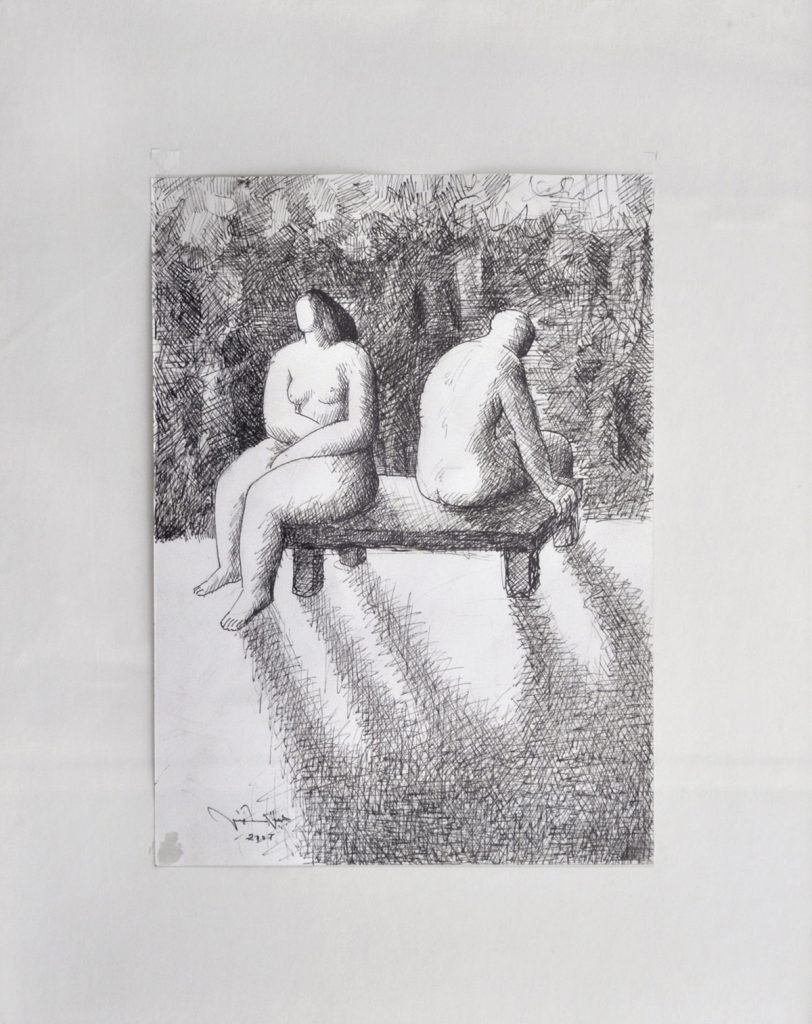
A challenging life takes a toll on a couple causing them to turn away from each other in despair. Although they are still sitting on the same bench, they are now looking in opposite directions.
Gameel Shafik 2007
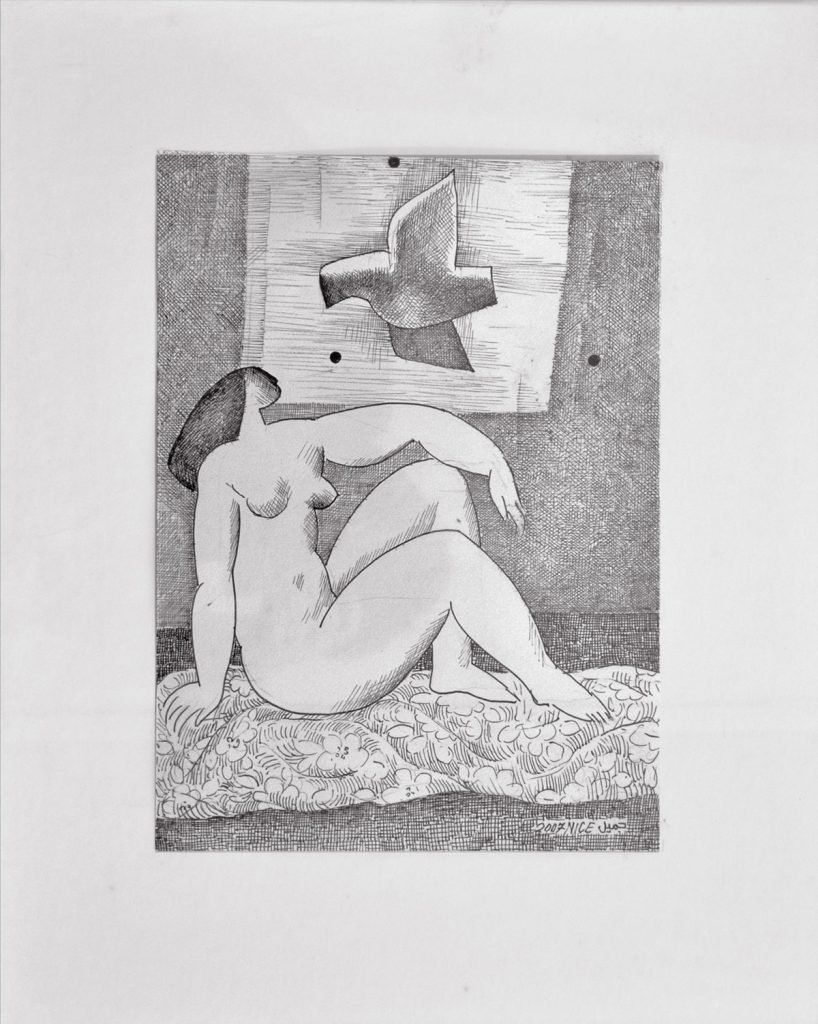
One of Gameel Shafik’s fertility explorations. A woman sits naked on a floral blanket on the ground awaiting her lover and looking up at a white dove as it flies freely above her.
Gameel Shafik 1990
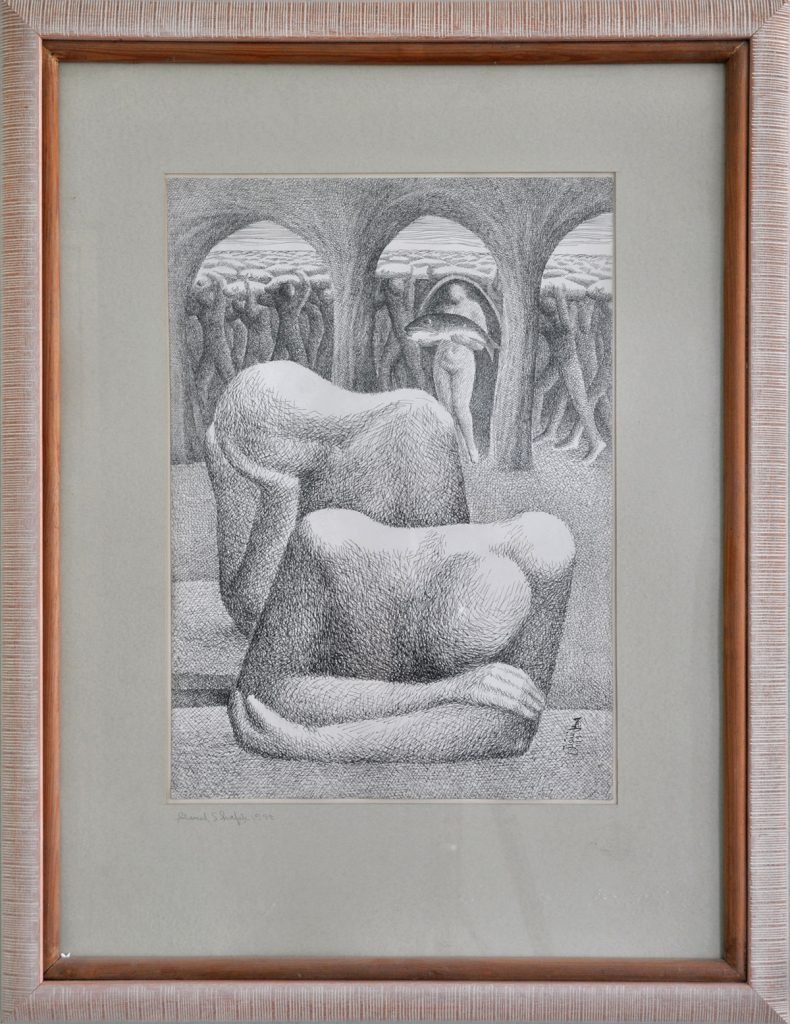
A couple lean against each other, their body language shows a sinsiter event has taken place. Behind them a crowd is carrying their good fortune while they stand empty handed.
Gameel Shafik 1998
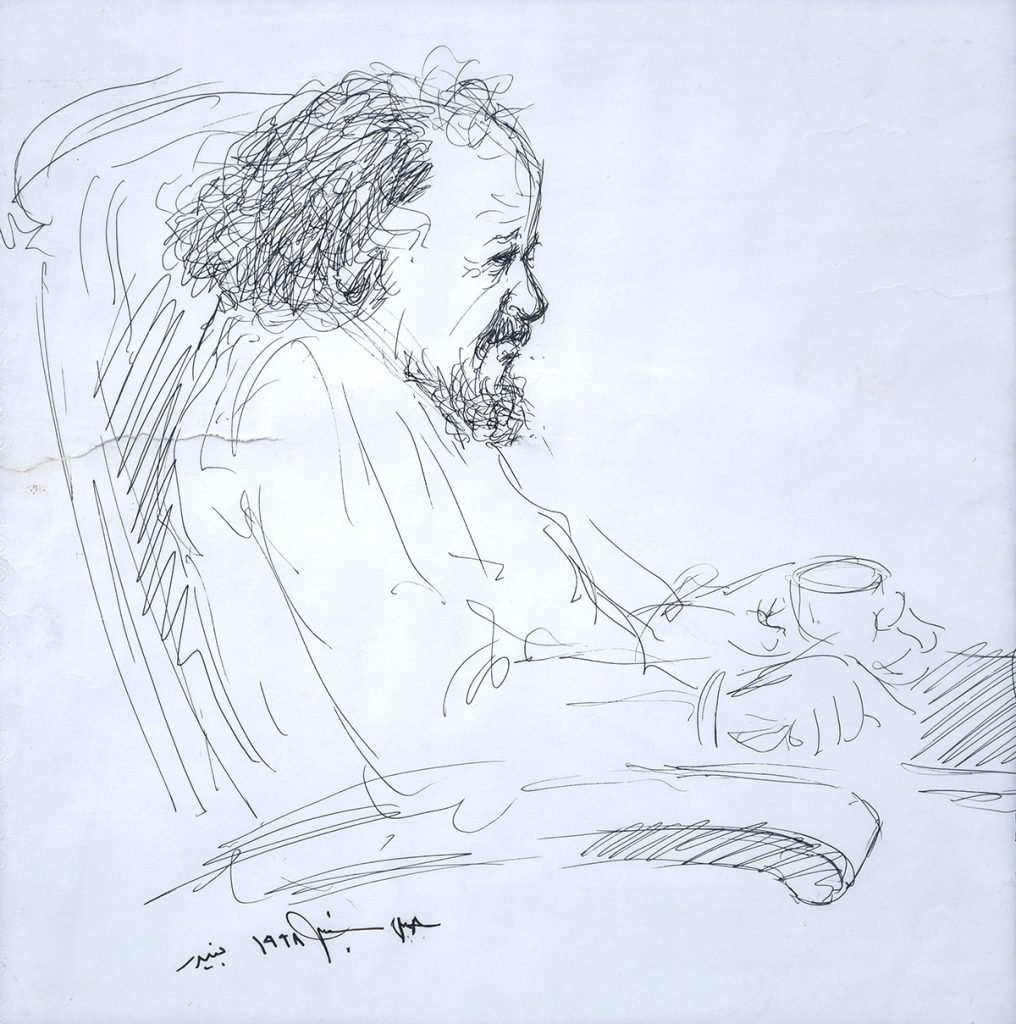
A portrait in pen and ink of Gameel Shafik’s dear friend and fellow Egyptian artist George Bahgory.
Gameel Shafik 1997
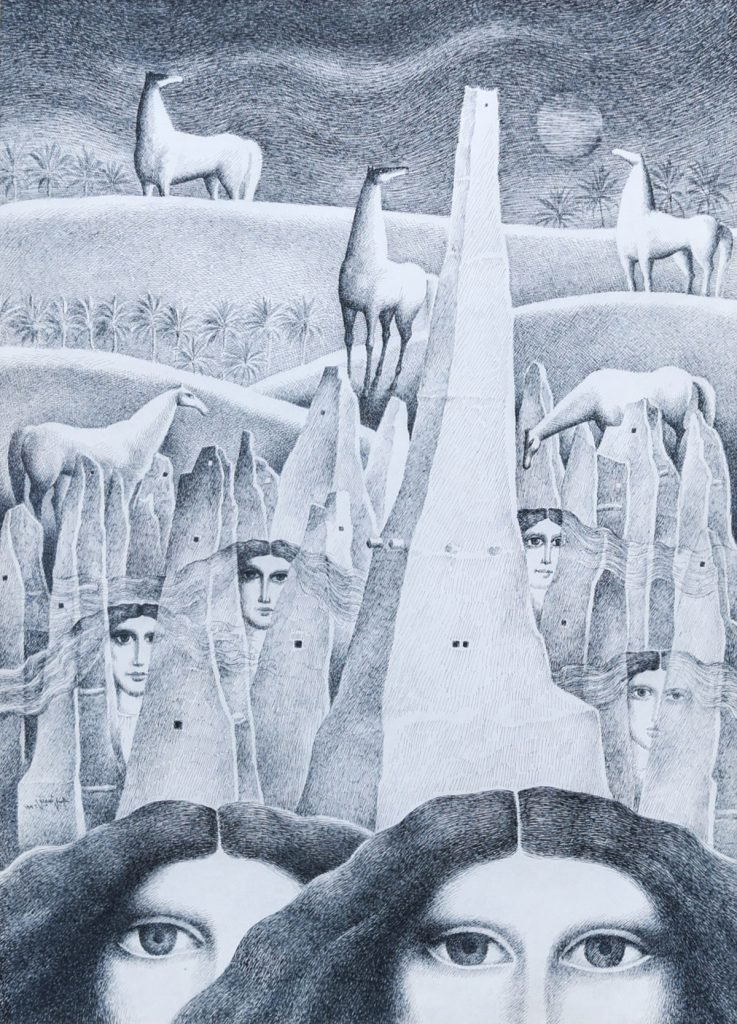
A reference to the women’s movement that stood againt the Nasser regime in the 1950s and staged many protests against the dictatorial rule of that was driving Egypt towards bankruptcy and chaos.
Gameel Shafik 2000
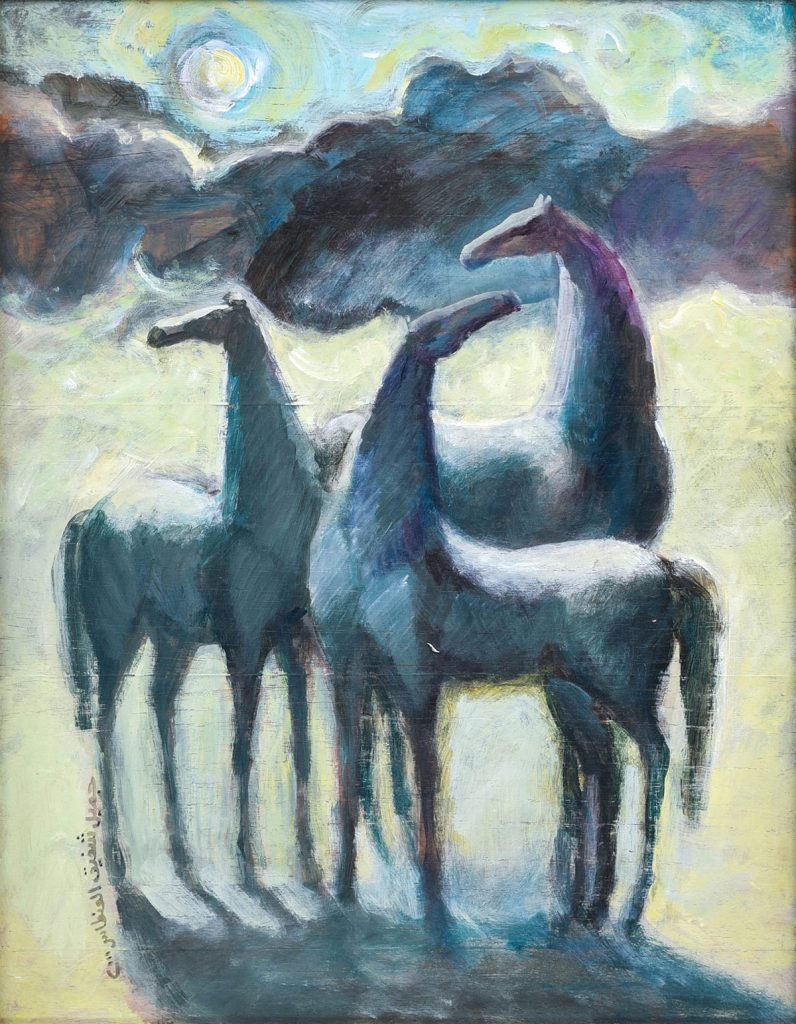
Using thick impressionist brush strokes, Shafik creates a natural green and blue landscape and standing in it, three horses gather together in the moonlight, expressing a positive and forceful energy.
Gameel Shafik
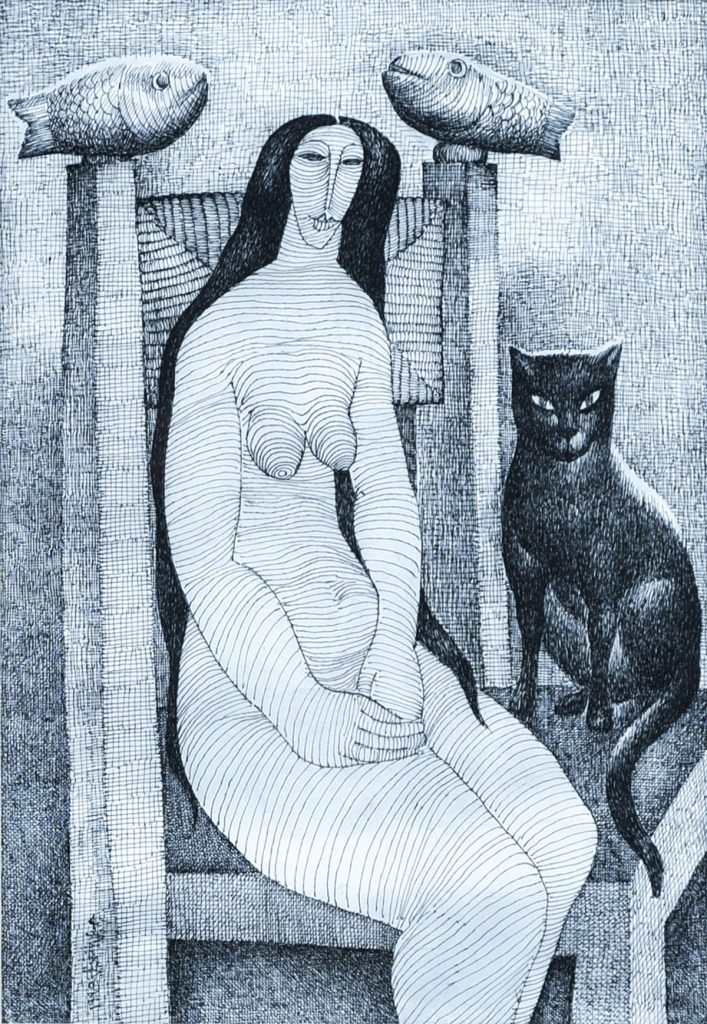
A woman sits on a chair with two fish on both her sides and a black cat. Fish are a symbol of fertility and welfare and a form of protection from the black cat which represents all evil forces.
Gameel Shafik
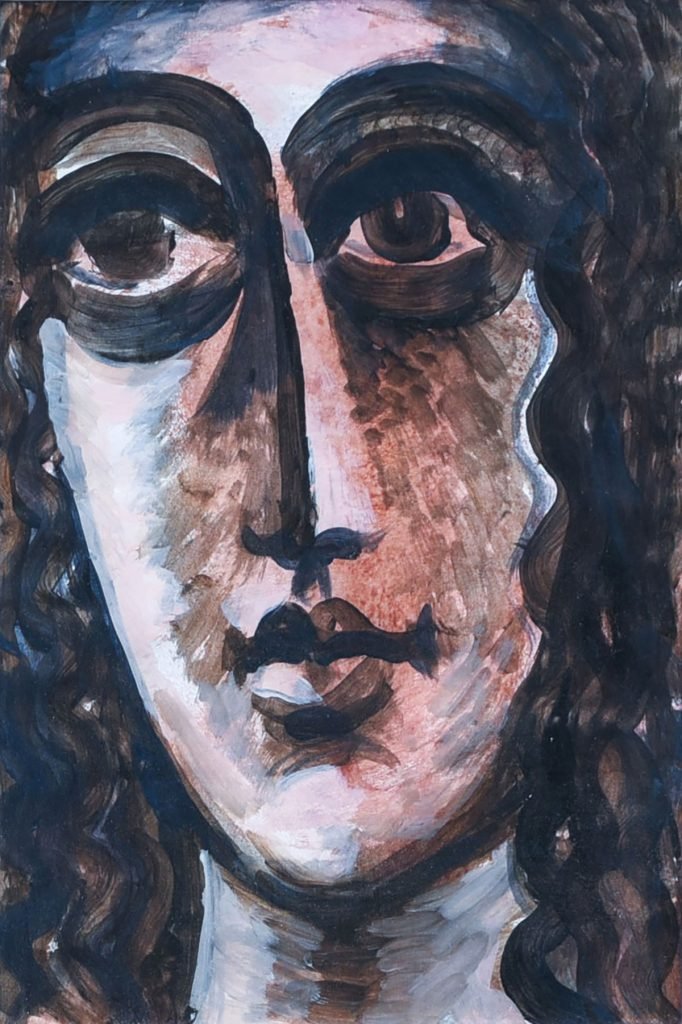
A portrait of a youth. A genderless face looks towards the viewer but unable to make eye contact in fear of revealing the truth.
Gameel Shafik
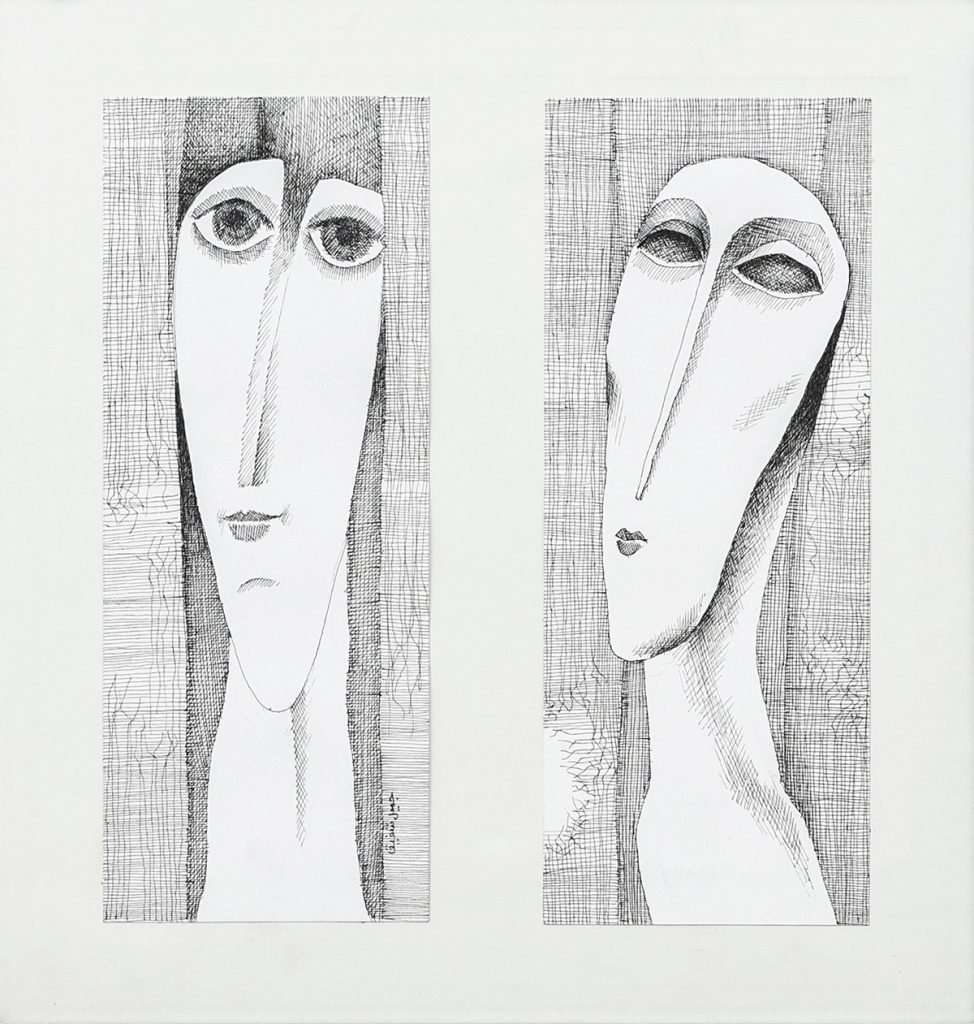
The two sides of a person, the conscious and the subconsciuos, the aware and the unaware, the good and the evil.
Gameel Shafik 2004
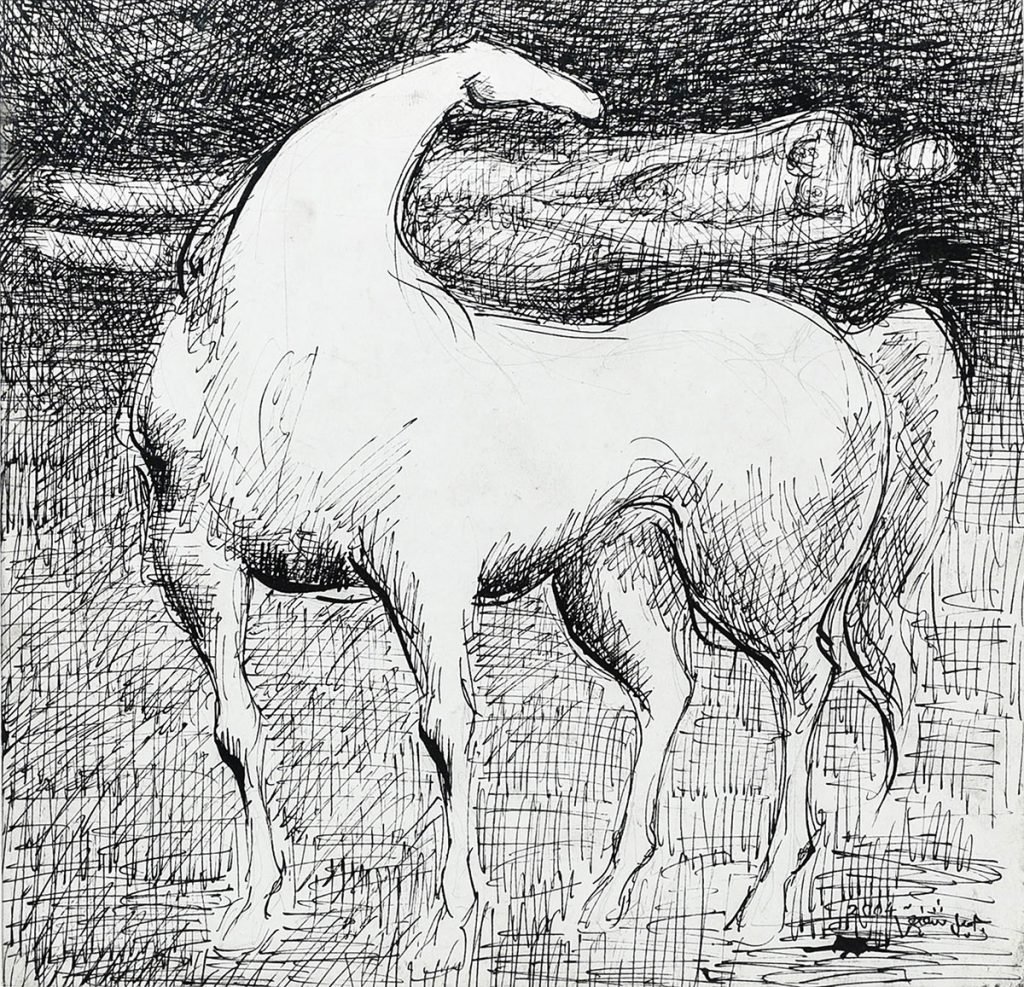
In the background a naked woman lies on her back and in front of her a horse is standing. He is bending his head towards her in a gesture of intimacy and sexuality.
Gameel Shafik
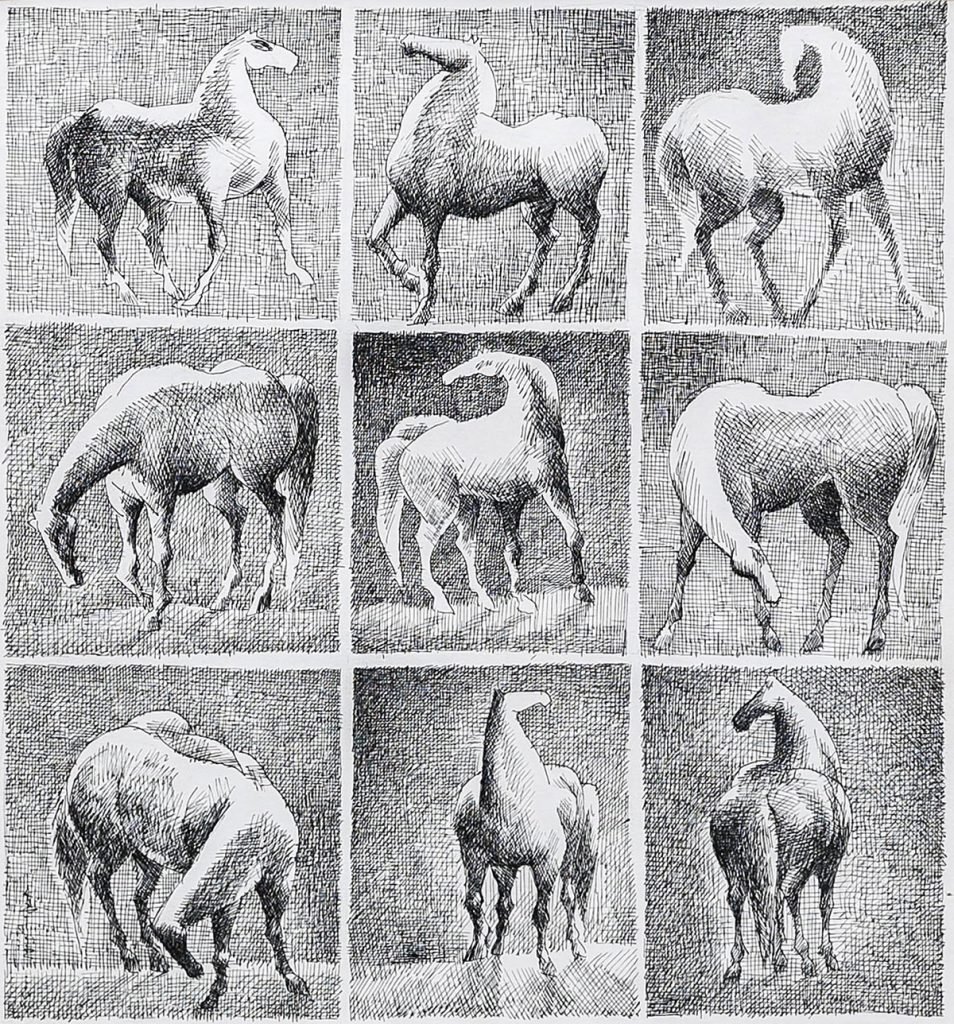
The horse is a symbol of freedom without restraint. It is a pure spirit. We see it in all its stances completely independant of its surroundings standing strong all on its own.
Gameel Shafik
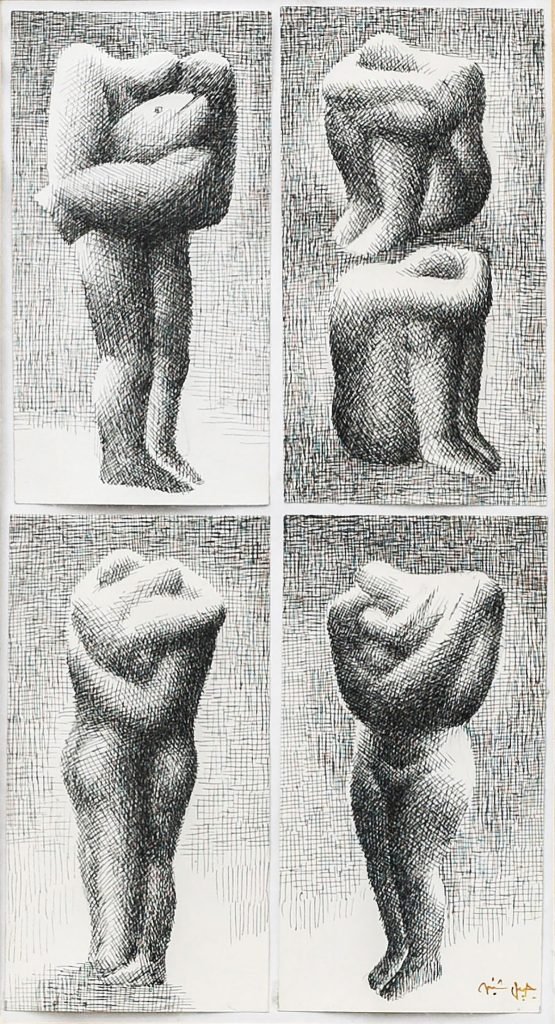
Four stages of two lovers evolving together. A warm embrace, a fish and good fortune, a moment of separation, and finally the continuation of life through the birth of a child.
Gameel Shafik 2004
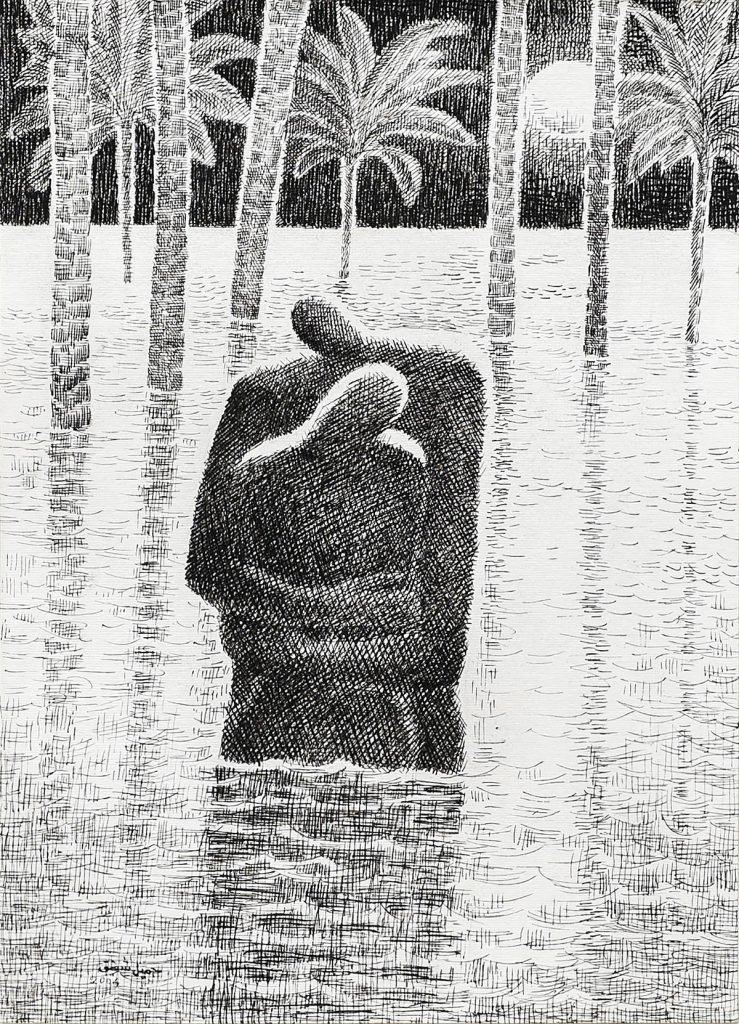
A couple stand together embracing each other in a calm sea underneath the moonlight. They protect each other by keeping their intimacy a secret in the night.
Gameel Shafik 1999
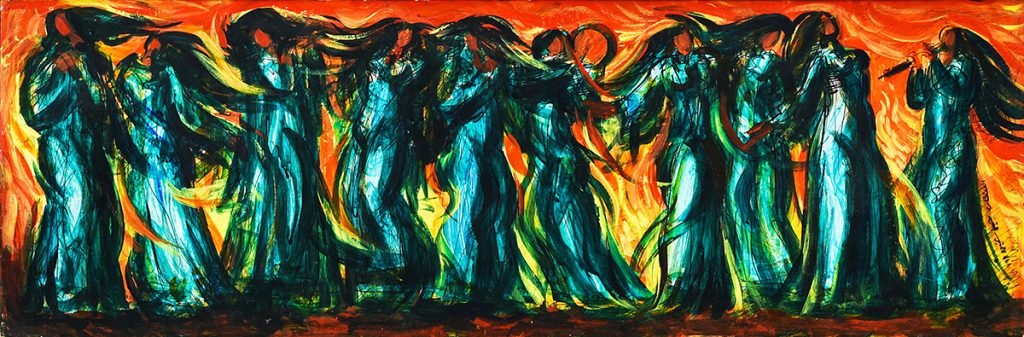
Erotic aspects appear in many of Gameel Shafik’s works where passion, love, and sexuality are praised. Reminiscent of a bellydancer, a figure with long hair gives a passionate dance performance.
Gameel Shafik
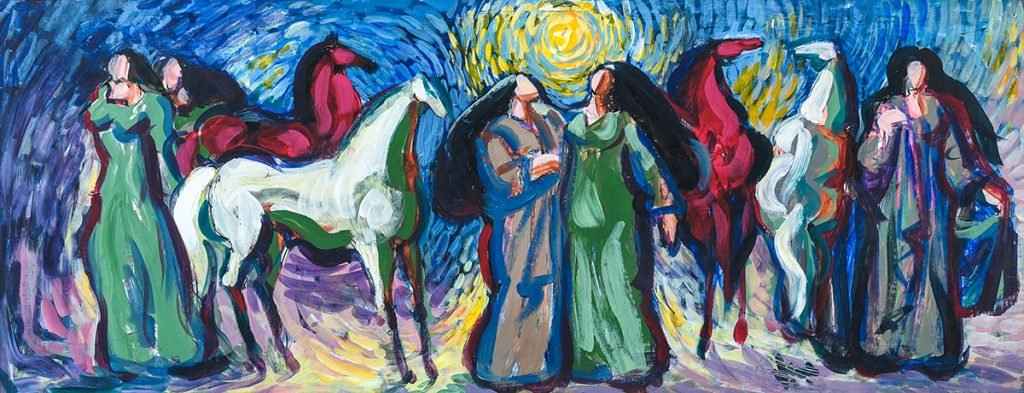
The art of Gameel Shafik is characterised by a strong combination of impressionism and naivism. We see a Van Gogh sky serving as a backdrop to a beautiful meeting of women with their horses.
Gameel Shafik
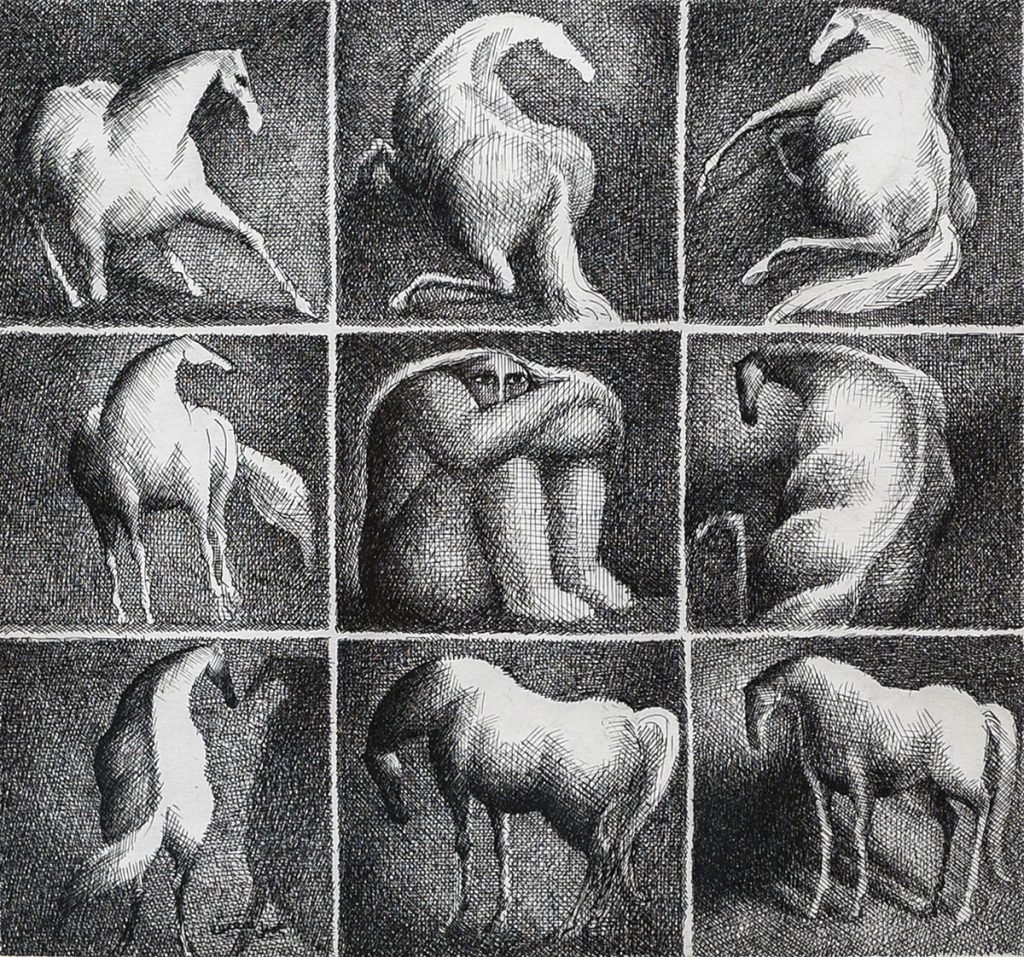
The horse is one Gameel Shafik’s reccuring and prominent symbols. For him, the horse represents man, it is big, strong, and sexual.
Gameel Shafik
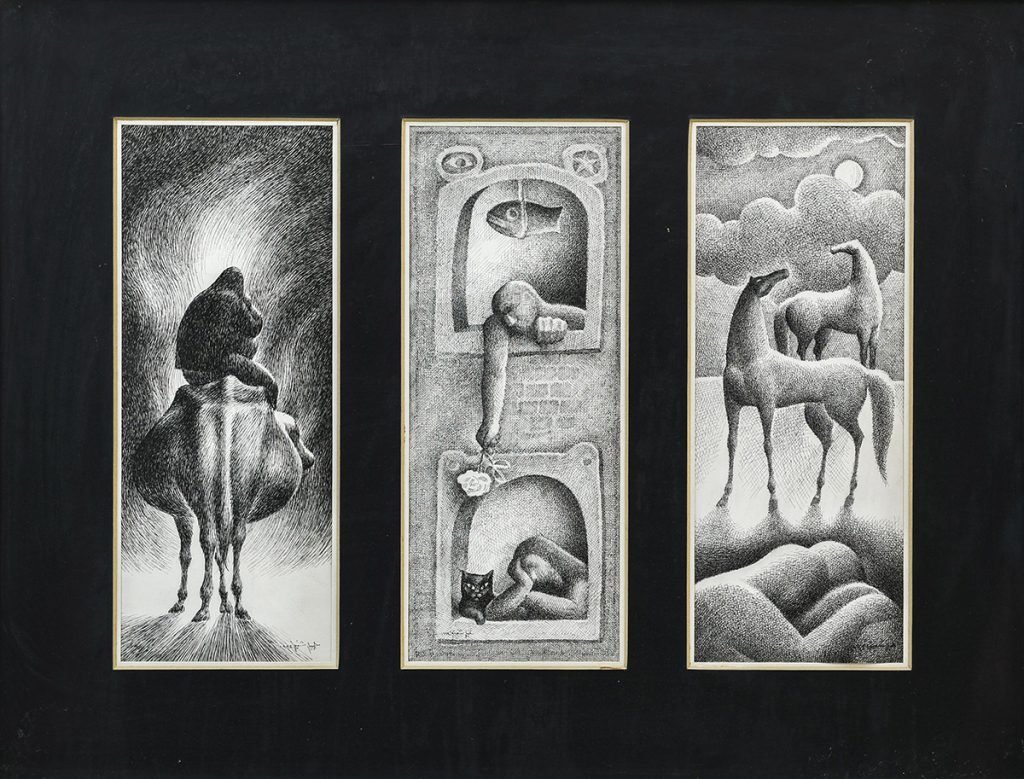
In a window, a man sits underneath a hanging fish extending a rose to a woman below. Looking away in despair, the woman sits with her head leaning in her arms accompanied by a black cat. Two lovers unable to be together because of circmstances outside their control.
Gazbia Sirry 1995
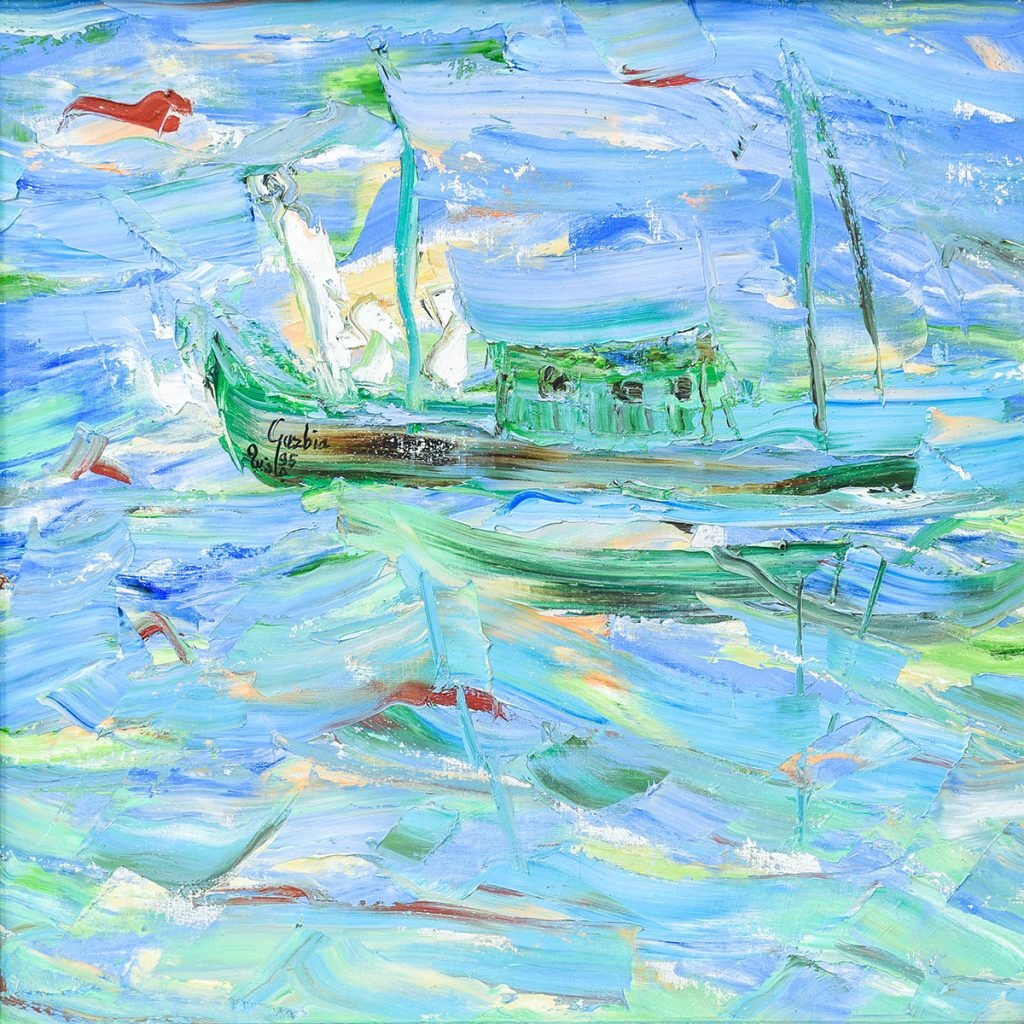
Although her early paintings are characterized by depictions of strong, imposing female figures of all social classes, Gazbia Sirry’s concentration shifted from representation to abstraction in the aftermath of the Arab defeat in the 1967 Arab-Israeli war.Although her early paintings are characterized by depictions of strong, imposing female figures of all social classes, Gazbia Sirry’s […]
Farouk Hosny 1992
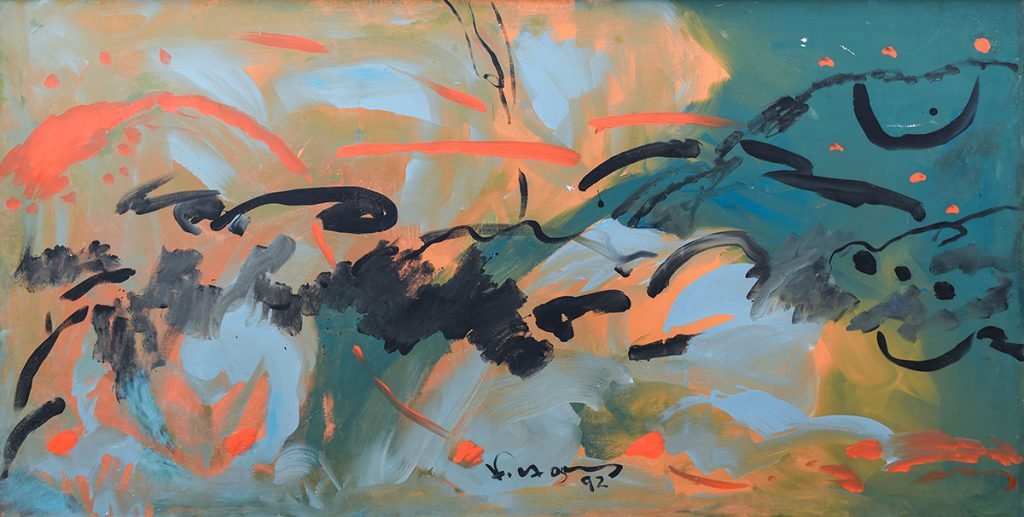
Color is transformed into a kind of musical symphony on the canvas. Feelings and emotions express themselves through bursts of color. Black becomes a celebratory color that defines all the colors around it.
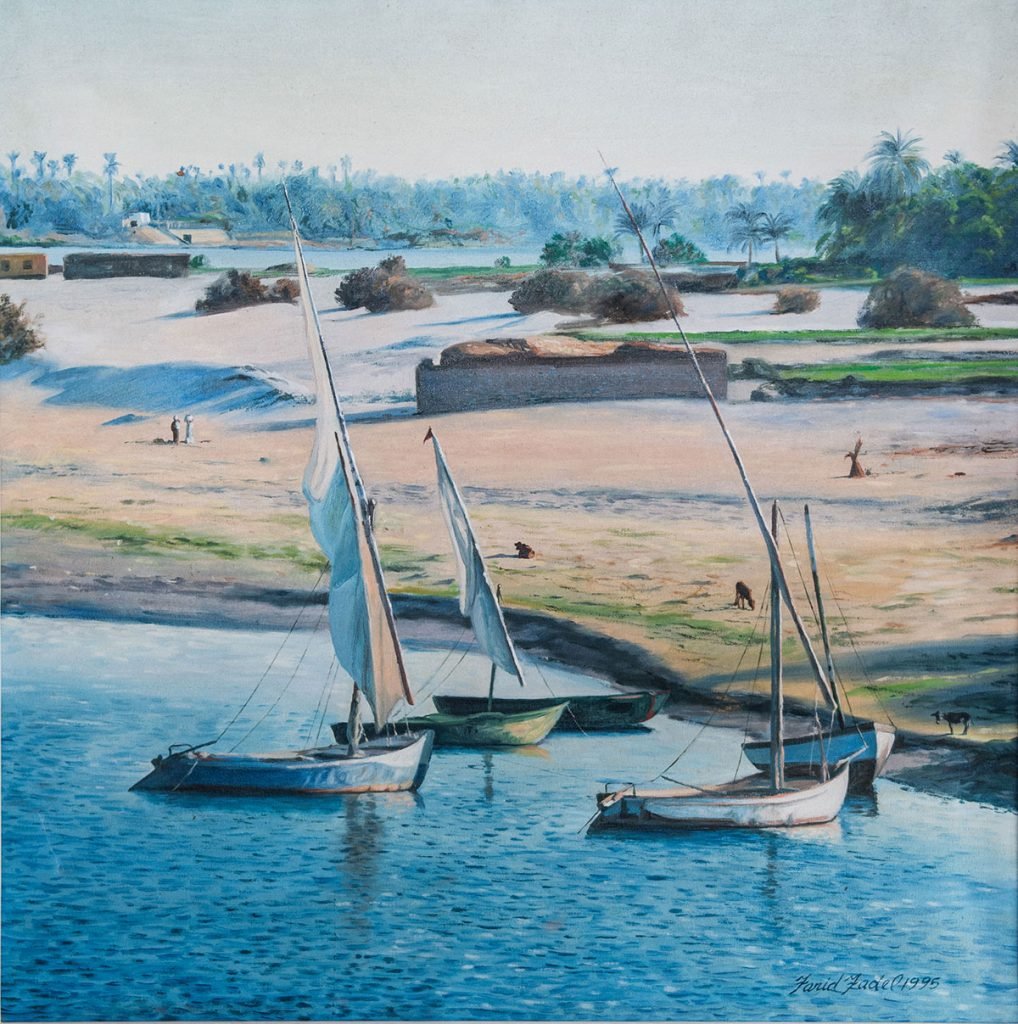
Farid Fadel 1995
Fathi Afifi
Fathi Afifi 2003
Fathi Afifi 2002
Fathi Afifi
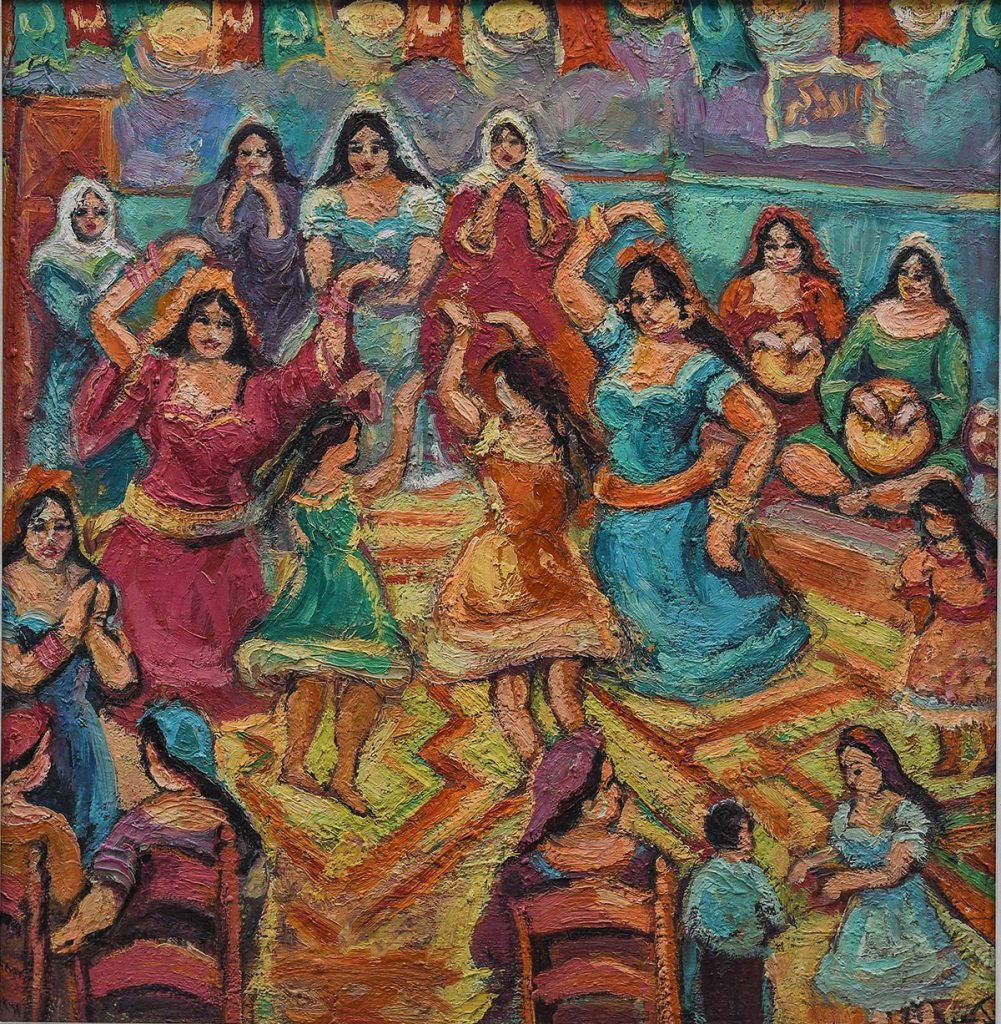
Women and children gathered in a room playing instruments, singing, and bellydancing. Festive rituals commonly practiced by the working class in Egypt.
Fathi Afifi 2000
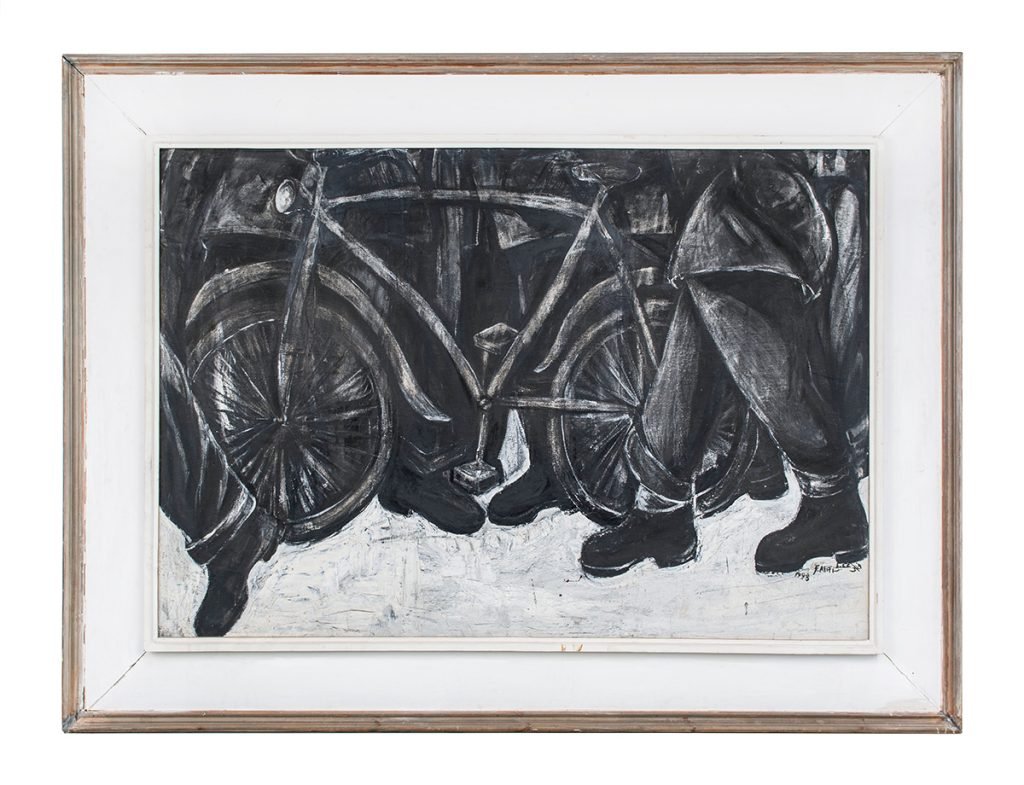
In the crowded streets of Cairo, people merge into each other and into their street bicycles, a common form of transportation of the working class.
Fathi Afifi 2006
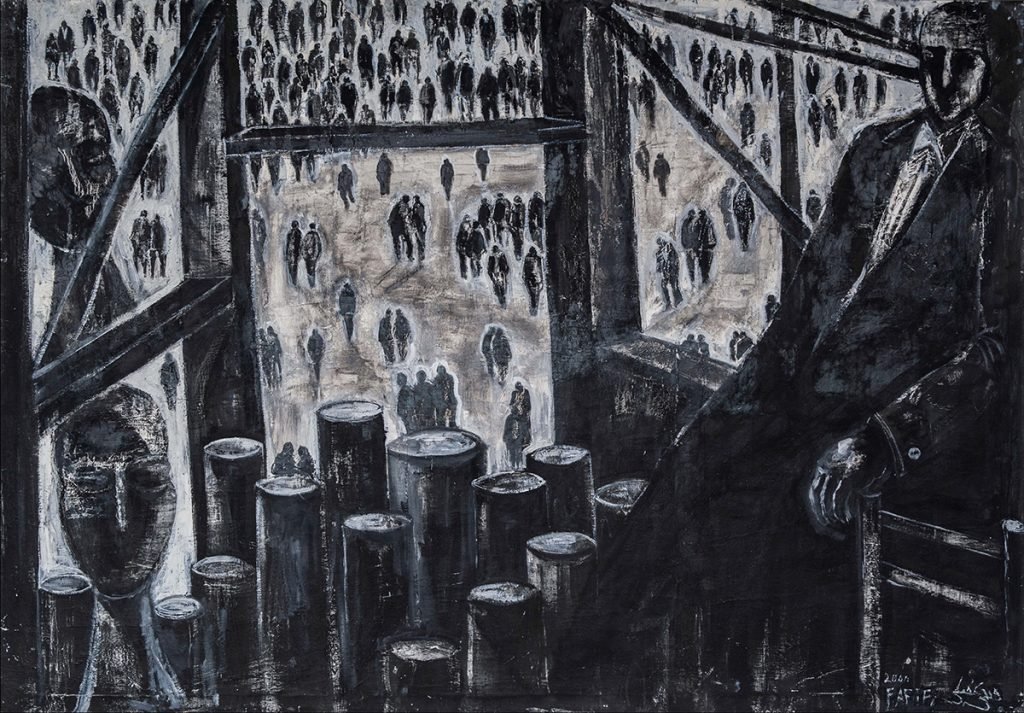
A man in a suite sits in a dark room alone looking out at the masses. His face in the shadows is filled with guilt and remorse.
Fathi Afifi 2006
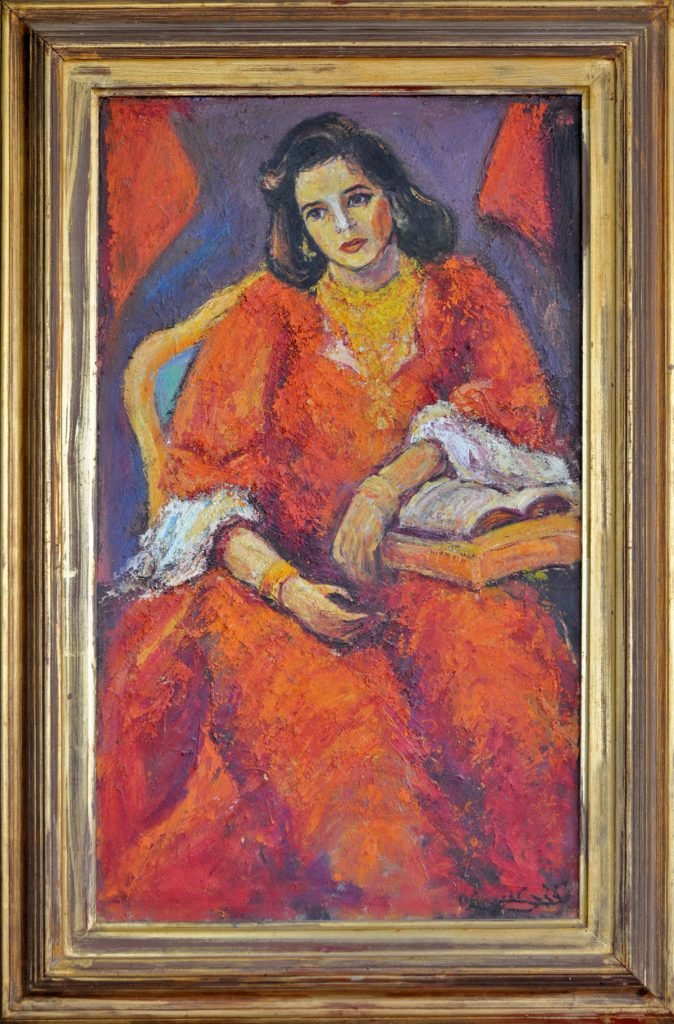
A portrait of Moudhi AlSharekh in red. Using thick brush strokes Afifi paints her dress adding highlights of gold to match the necklace around her neck. She sits with a book open pondering the story.
Fathi Afifi 2006
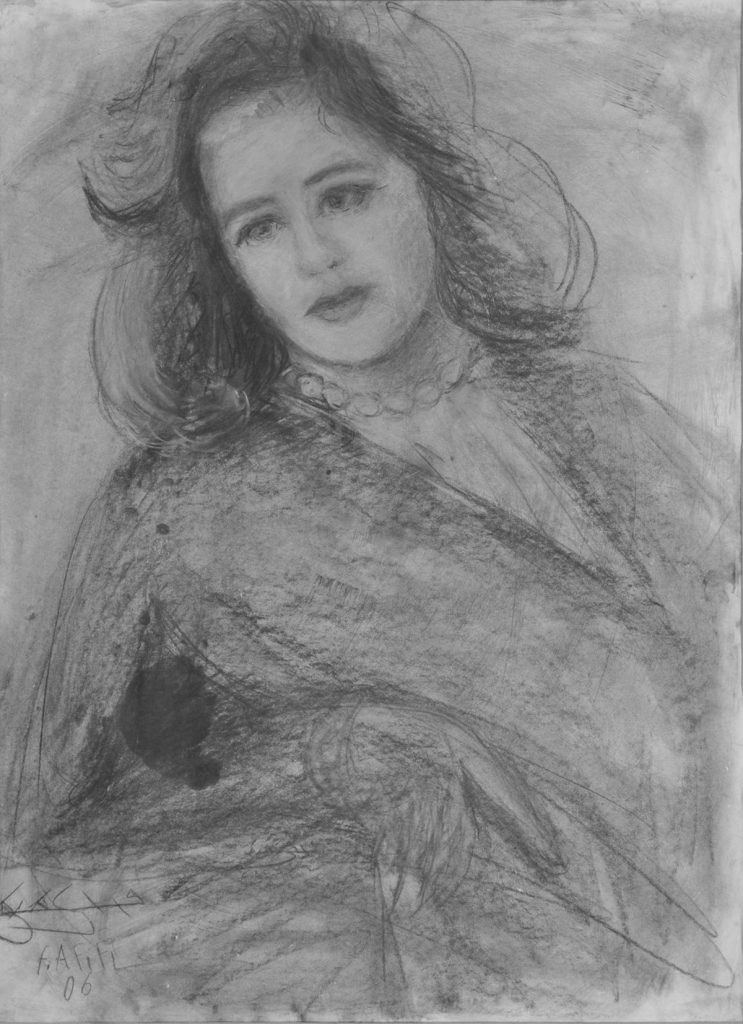
A charcoal drawing on paper of Moudhi AlSharekh in ruffle dress and pearls sitting on a chair.
Fathi Afifi 2000
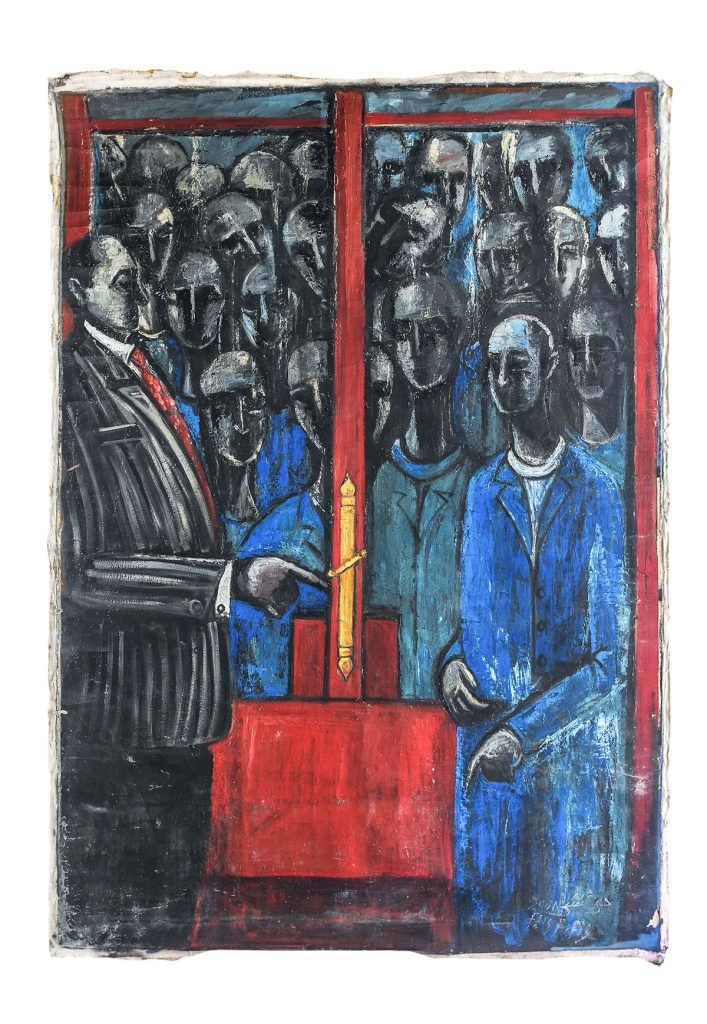
A factory scene of a manager and his employees. While the hundreds of factory workers are wearing tattered uniforms and living in poverty, their employer enjoys a life of luxury and silk suits.
Fathi Afifi 2006
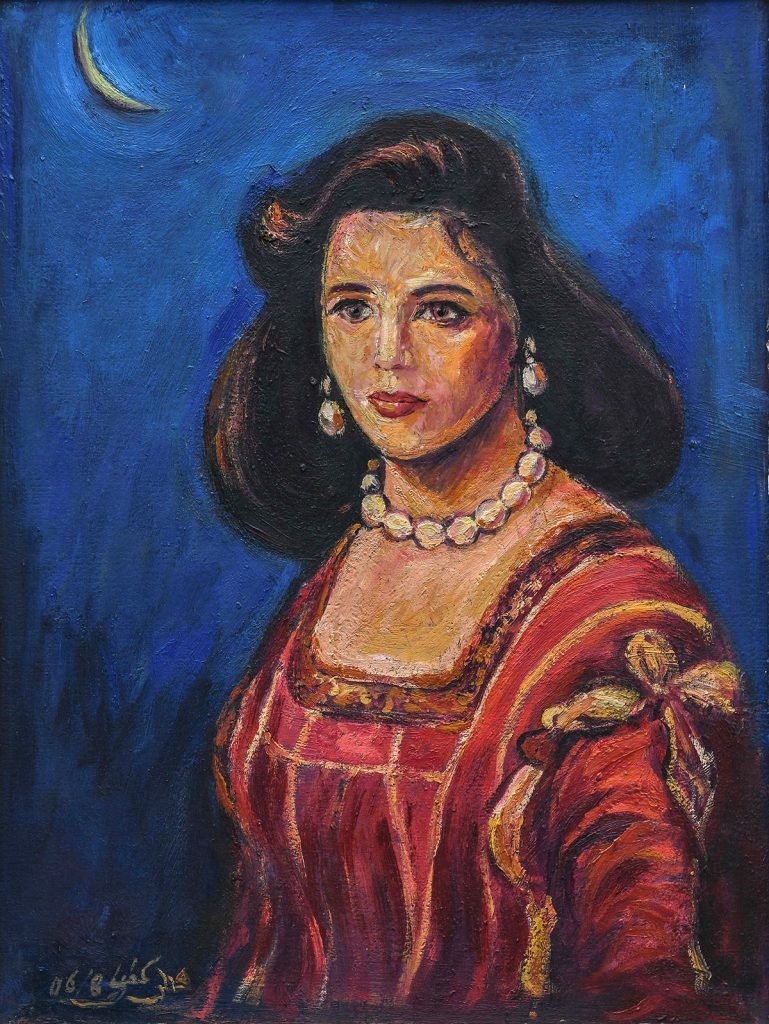
A portrait of Moudhi AlSharekh wearing a regal Renaissance style dress and pearls against the backdrop of a blue night sky and the moon.
Fathi Afifi
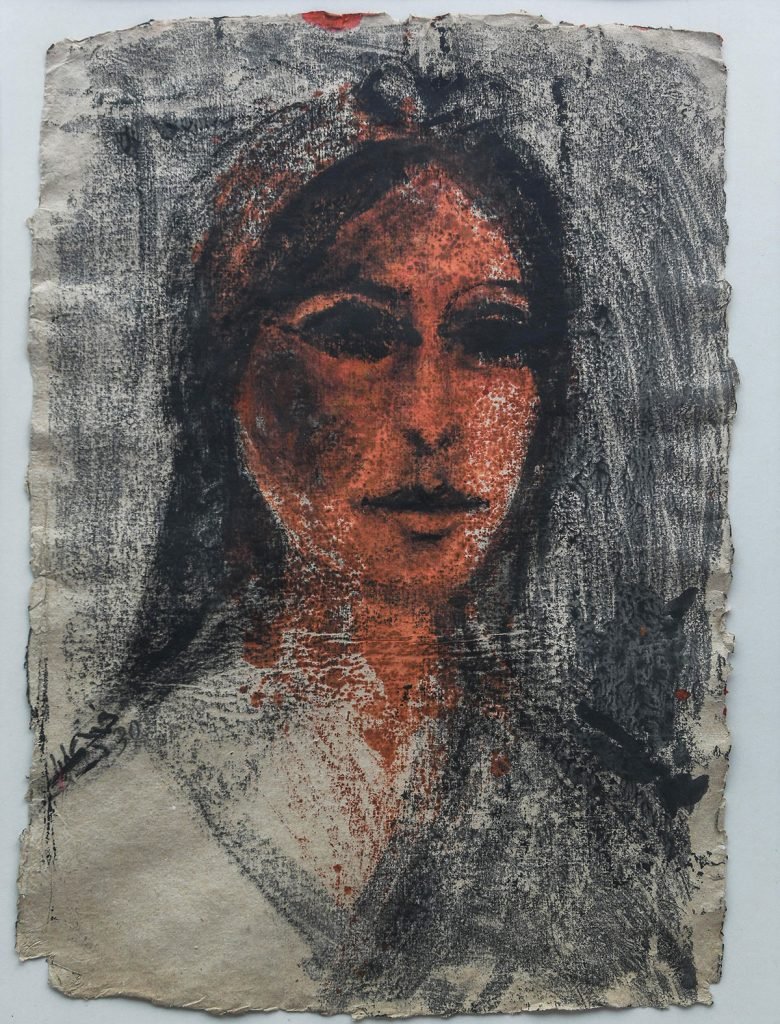
A portrait of a working class woman. Although there is struggle in her eyes, the beauty in the features of her face still shines through in the light.
Fathi Afifi 2009
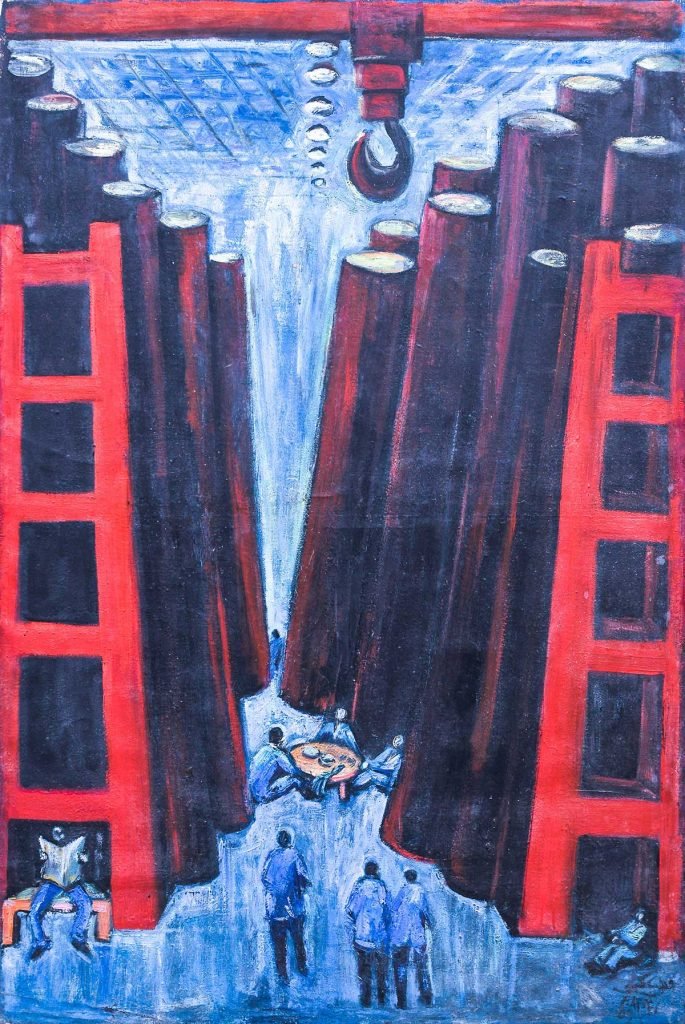
A scene from a Cairo factory depicting large oversized steel columns that are overtaking the space, making the people seem small and insignificant.
Fathi Afifi 2009
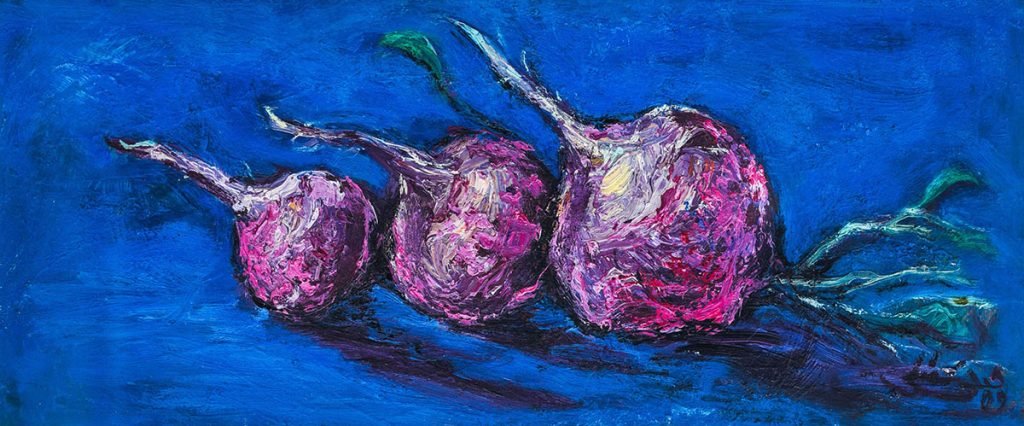
Radishes are often associated with misfortune and difficult times. They are a common vegetable found in many Egyptian households and in particular those of the working class.
Fathi Afifi
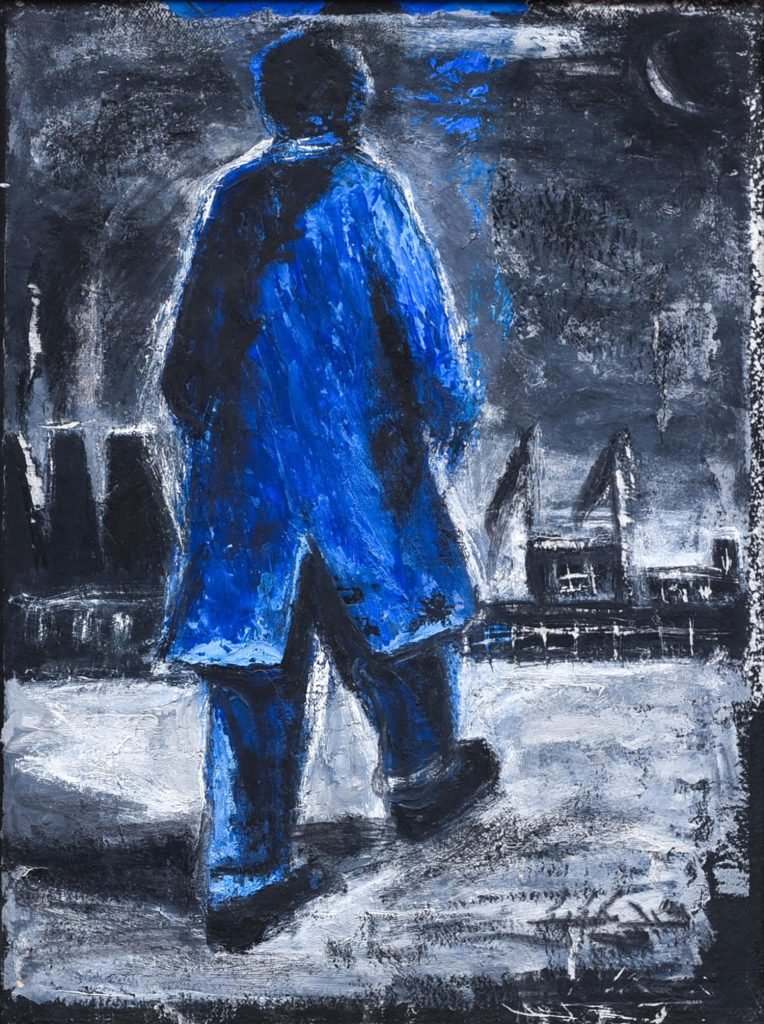
A factory worker wearing his uniform walks the streets of Cairo alone. The moon visible in the night sky reflects the late working hours experienced by the factory workers.
Fathi Afifi 2000
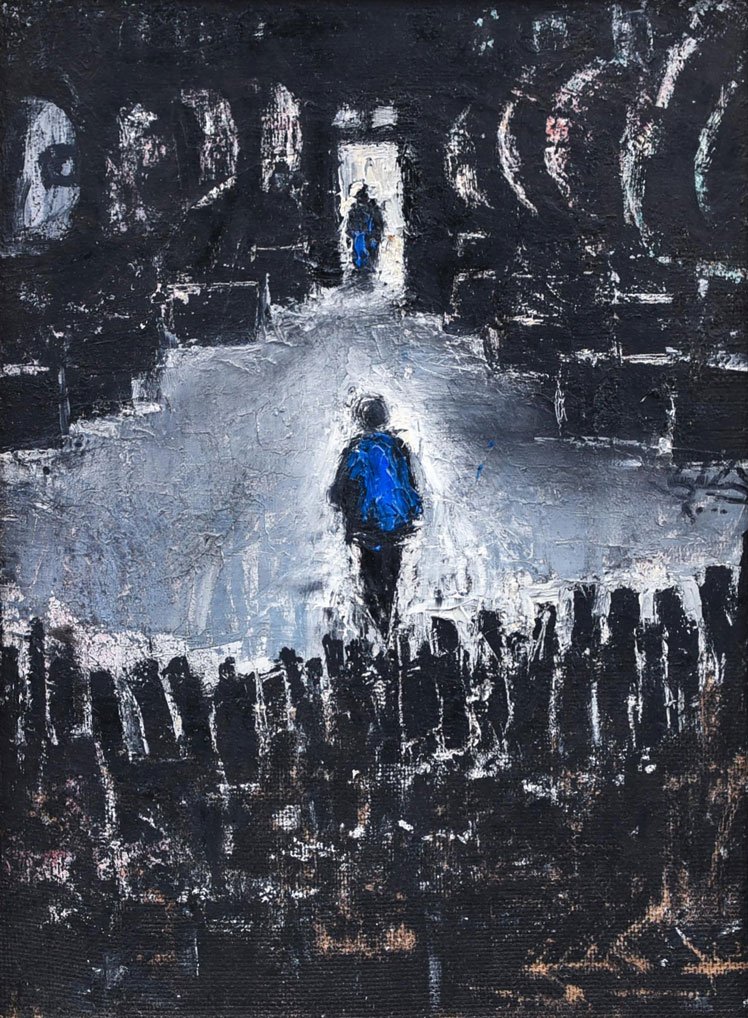
The mood of the Cairo factory is dark and filled with gloom. A reflection of the state of mind of thousands of people working in factories in Egypt under poor conditions.
Fathi Afifi
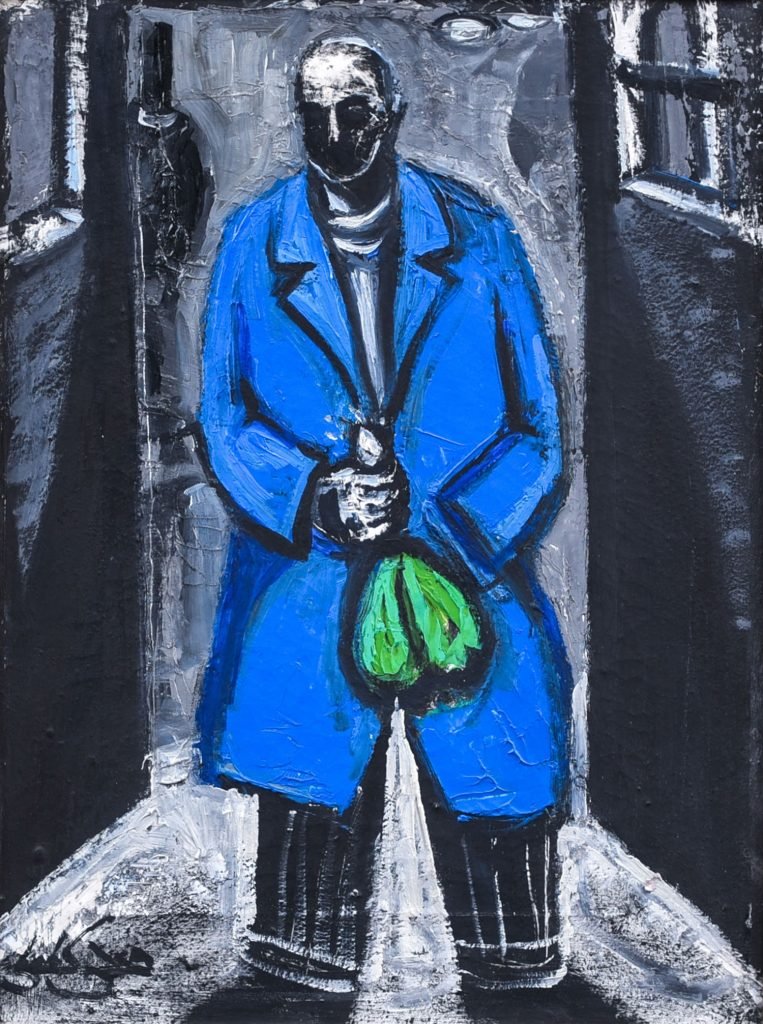
A man stands tall in his blue factory unifrom despite all of his day’s hardships with a scallion in hand. Like the radish, the scallion is commonly eaten by the working class in Egypt.
Fathi Afifi 1998
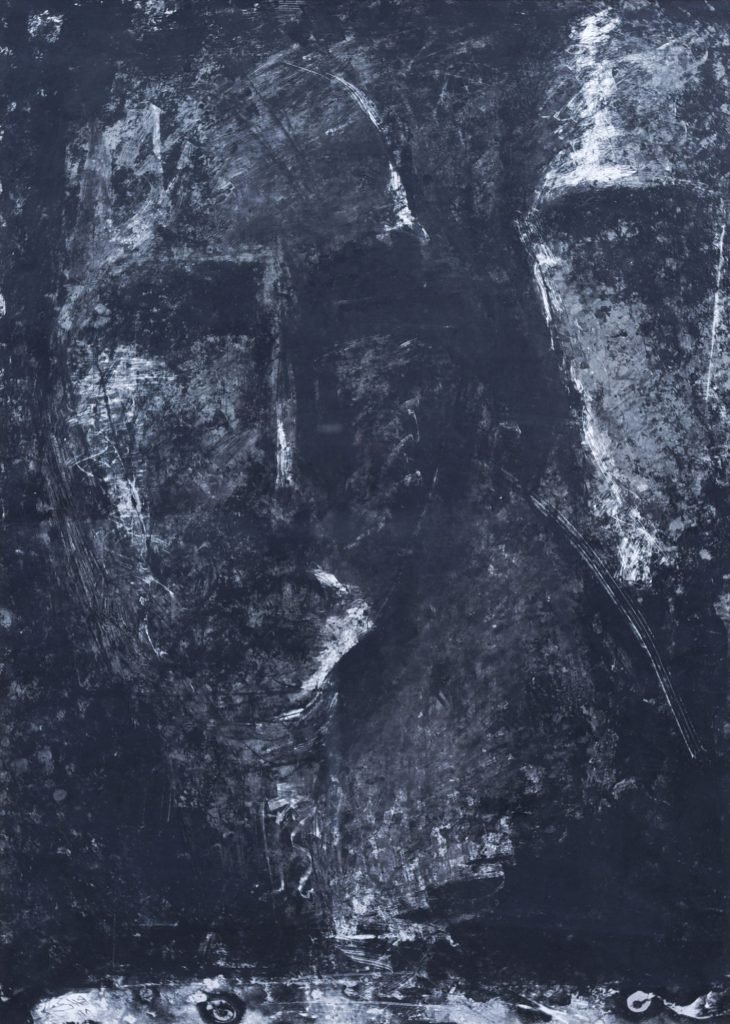
Two men are in a dark space and waiting. The weary expression on their faces reveals the difficult times experienced by the struggling people of Cairo.
Fathi Afifi 2009
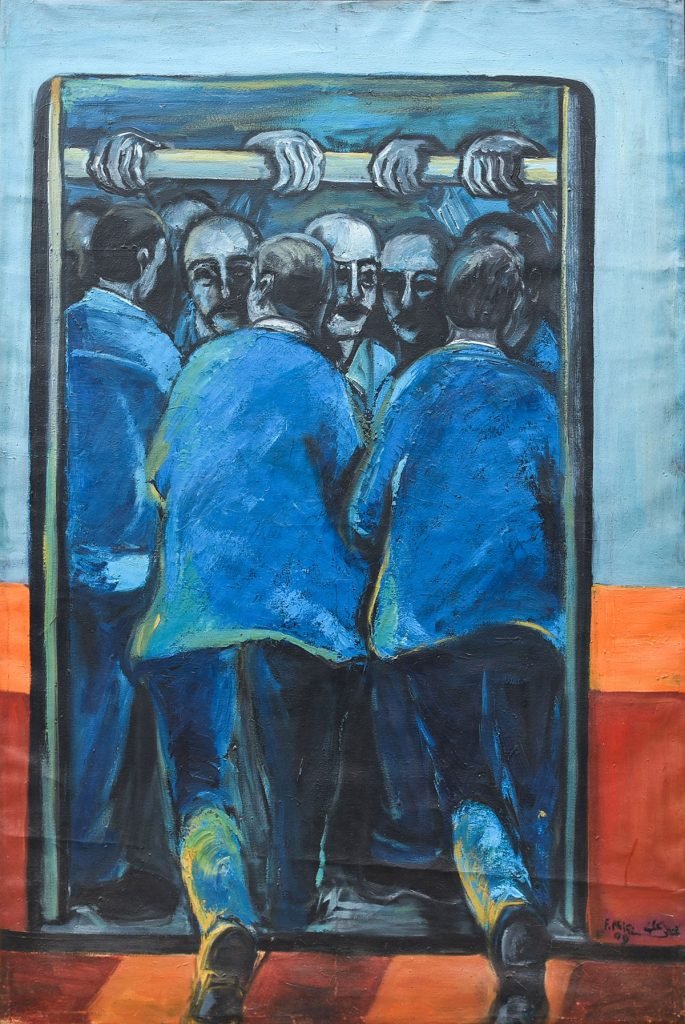
A crowded train full of factory workers is at maximum capacaity. Two men rush towards the door before it closes and leaves them behind.
Fathi Afifi 2009
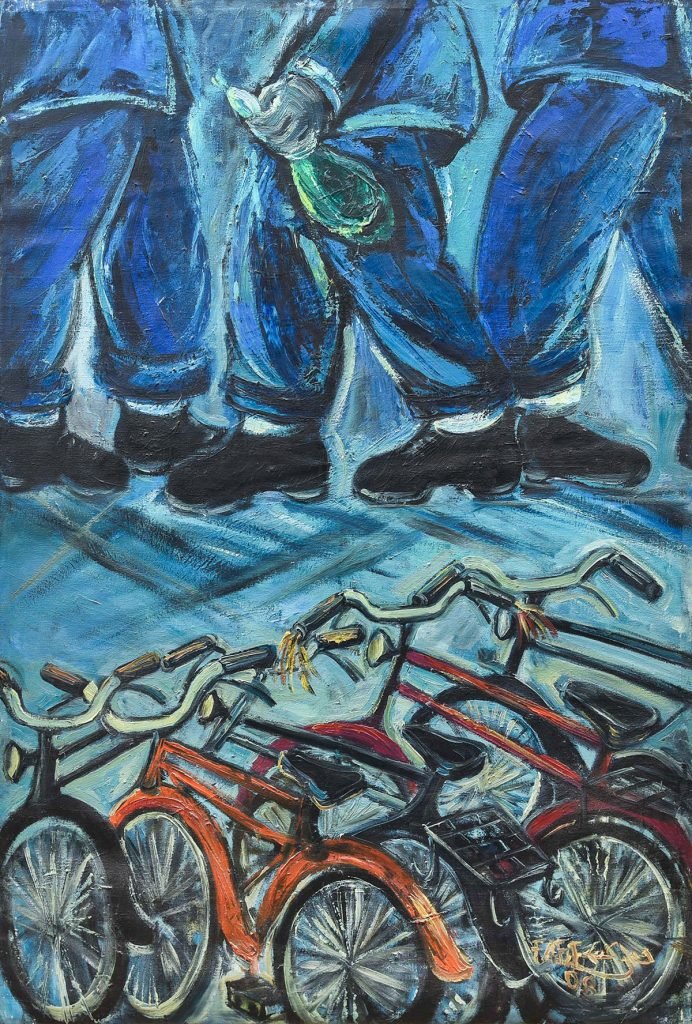
Factory workers travel by foot and by bicycle in the crowded streets of Cairo as they are unable to afford the modes of transportation of the bourjeous class.
Fathi Afifi 1999
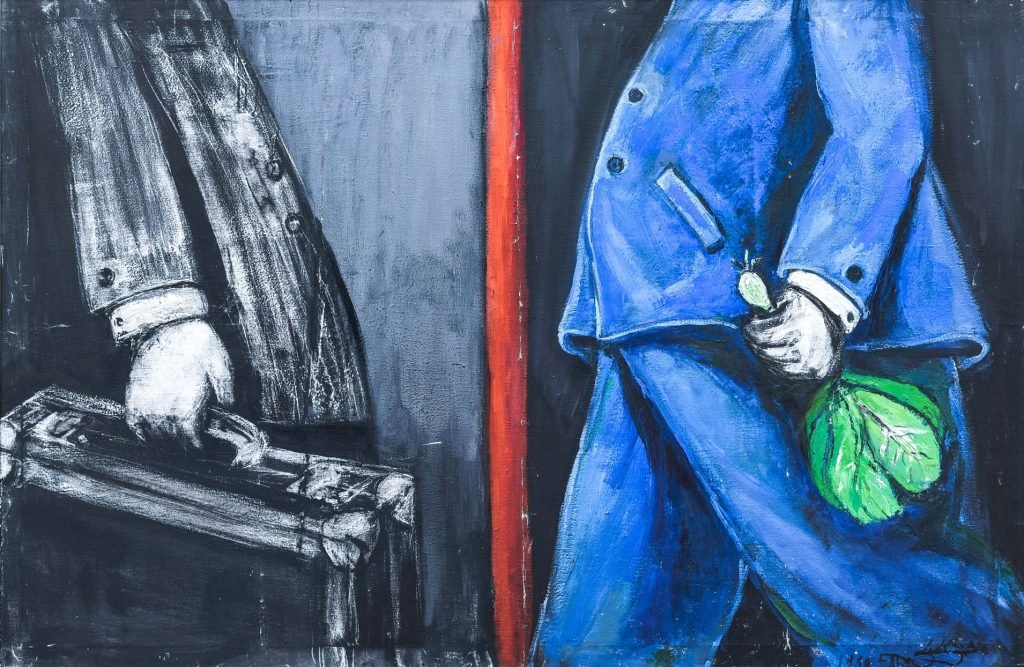
Life in Cairo becomes mechanical. Both the factory worker with a scallion in hand and the businessmen with a briefcaase in hand are rushing through their days so they can collect their money and feel a sense of security amidst turbulent times.
Fathi Afifi 2003
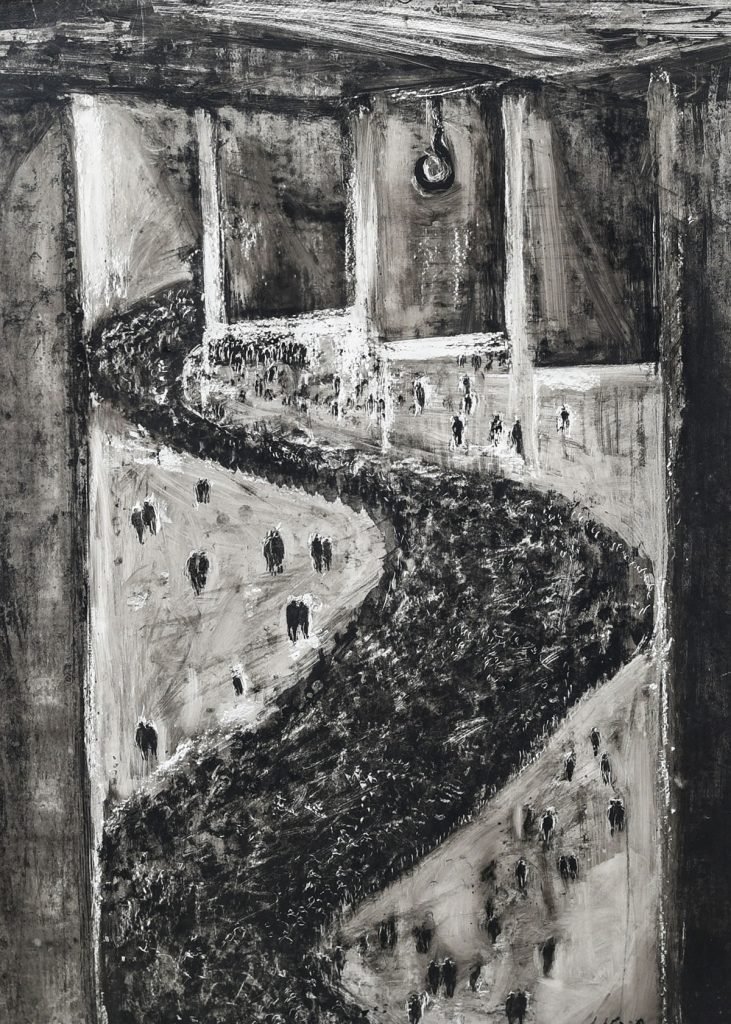
Afifi represents the reality rather than romantic image of Cairo, home to more than 17 million people, most of whom are experiencing financial struggles.
Fathi Afifi 2001
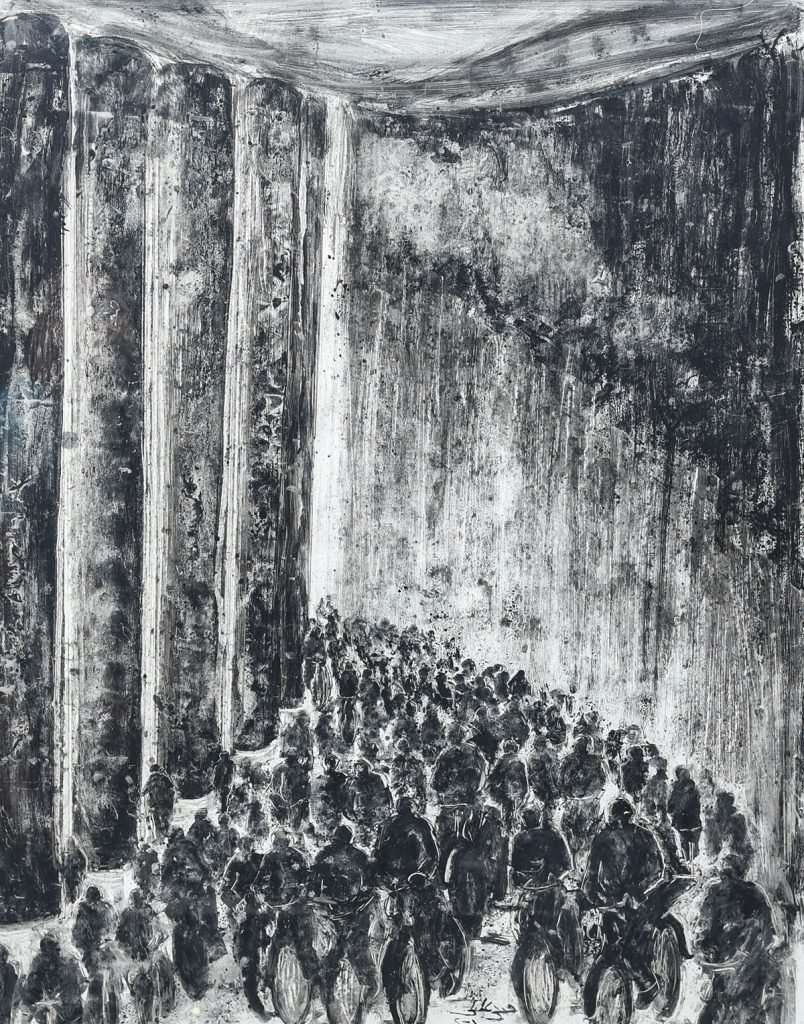
Afifi captures the movement of the masses of people, or shaab, who travel through Cairo’s congested streets and sidewalks.
Fathi Afifi 2001
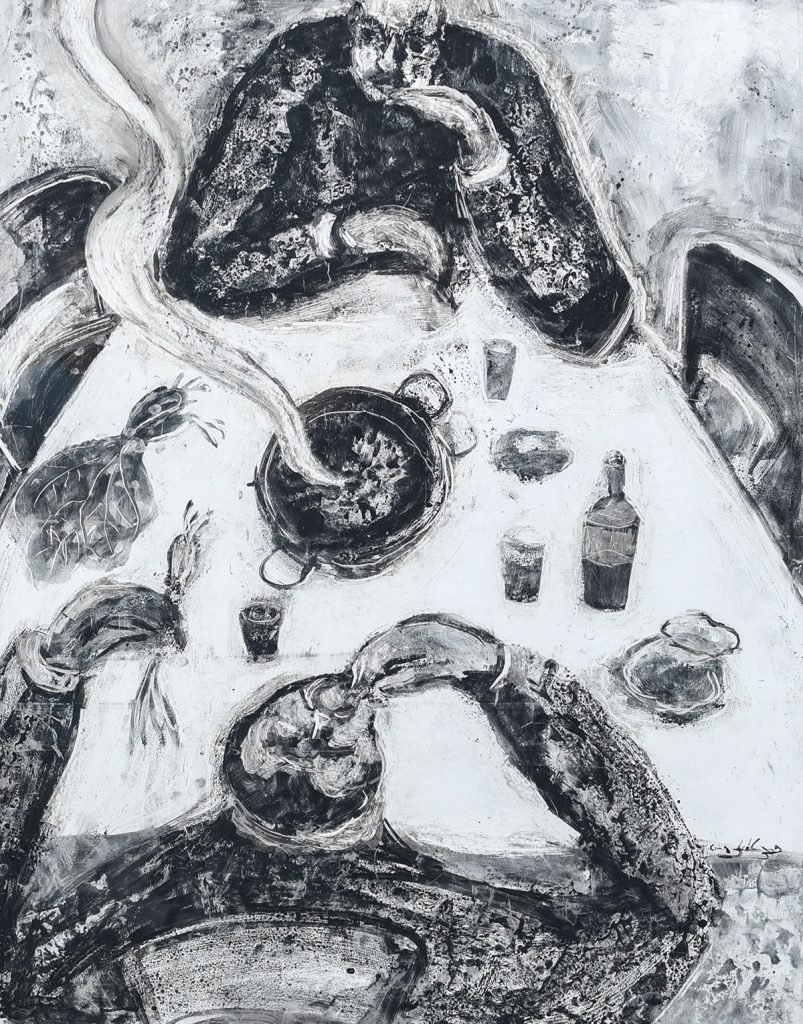
Gathered around a dinner table, two men are eating a meal. They are both sharing one dish and some scallions. Like many people living in poverty they are living on mimimal means and emotional stress.
Fathi Afifi 2004
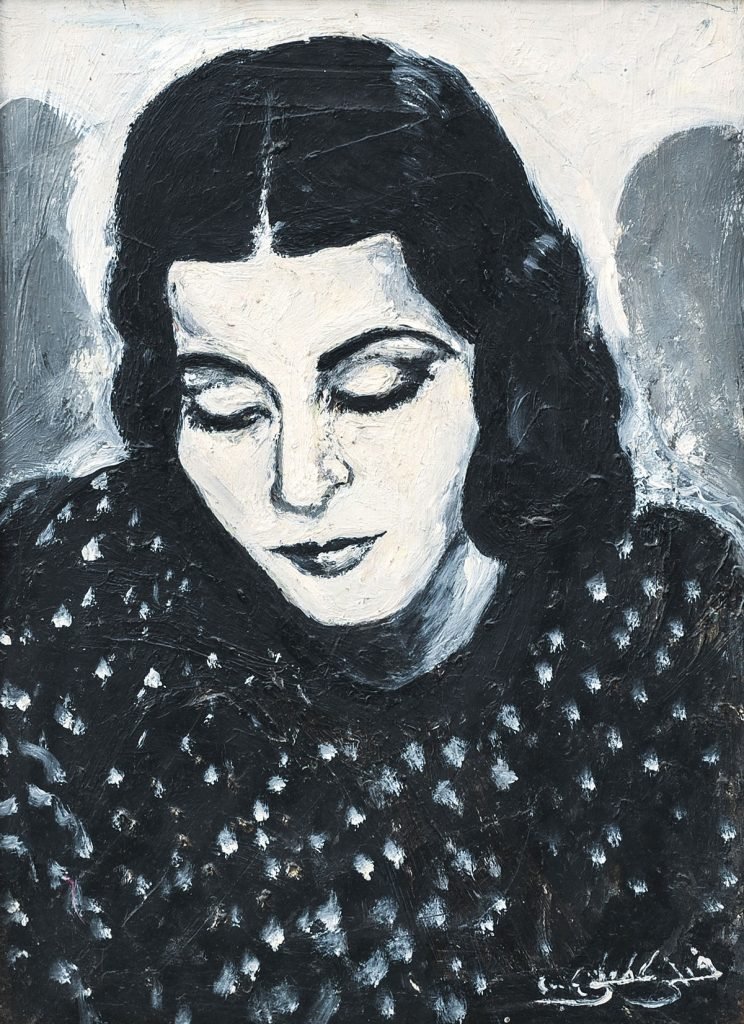
Fathi Afifi 2003
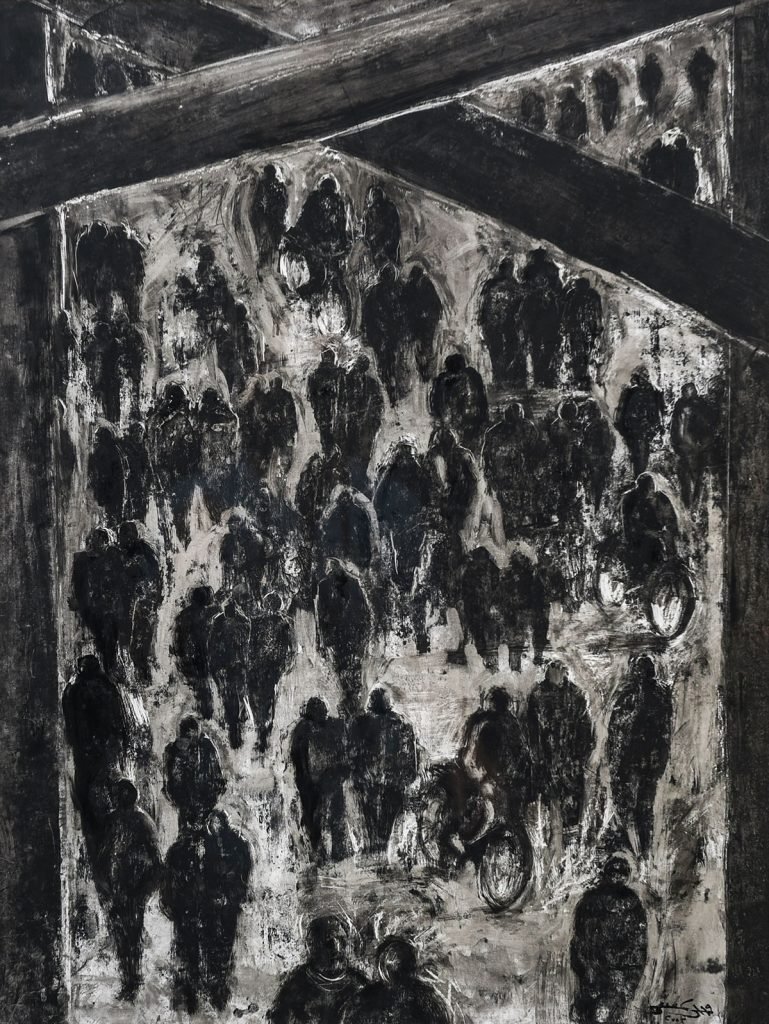
Cairo’s crowded streets and neighbourhoods are remarkably depicted in the large-scale paintings of Fathi Afifi, who seeks to reveal the pulse of everyday Cairene life.
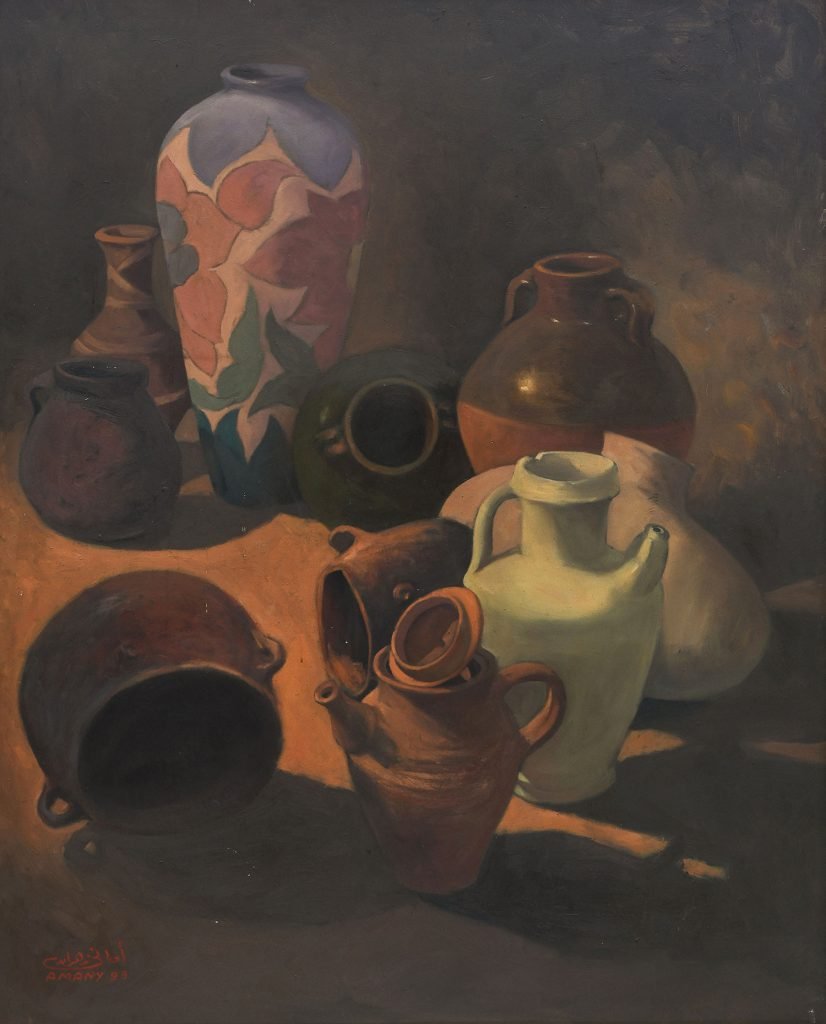
Amani Zahran 1993
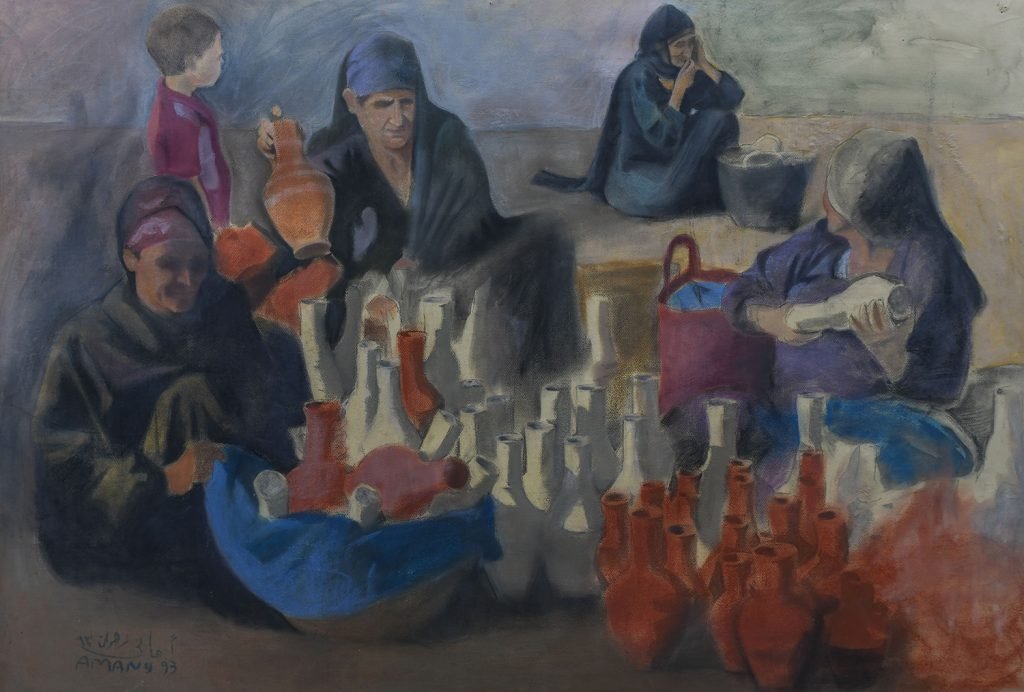
Amani Zahran 1993
Adham Wanly 1959
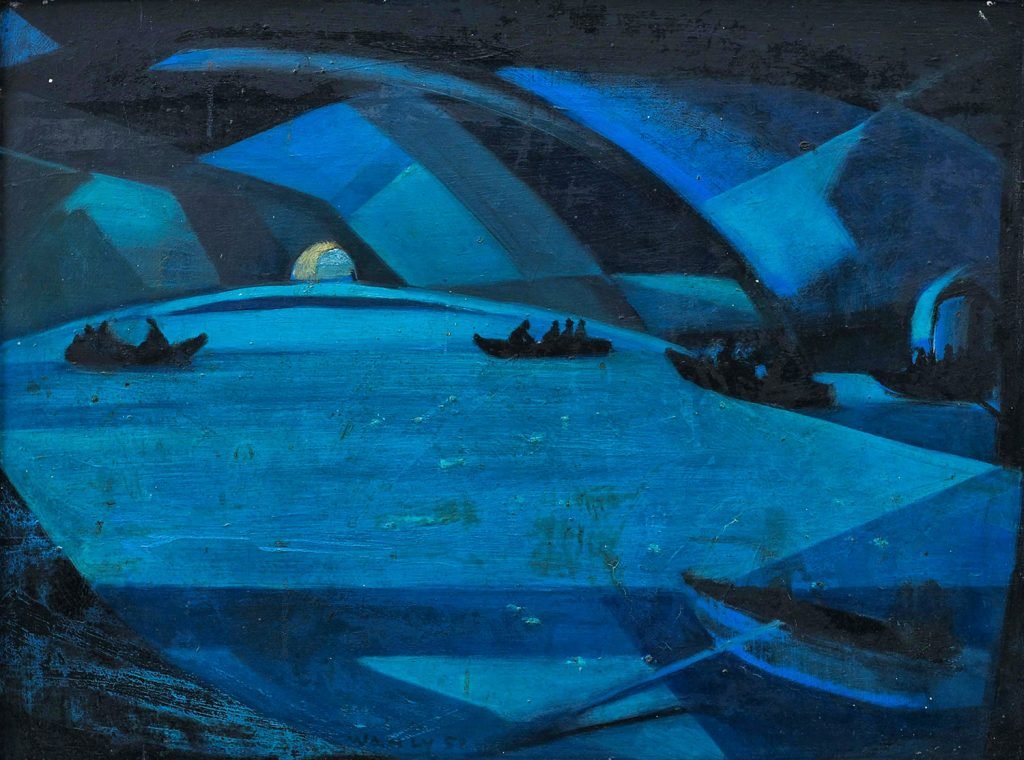
Ottorino Bicchi introduced Wanly to capturing the light, colors, and shades of nature. Adham was also influenced by modern pictorial trends, such as Cubism, which is evident in this work.
Abdul Sabour Shahin
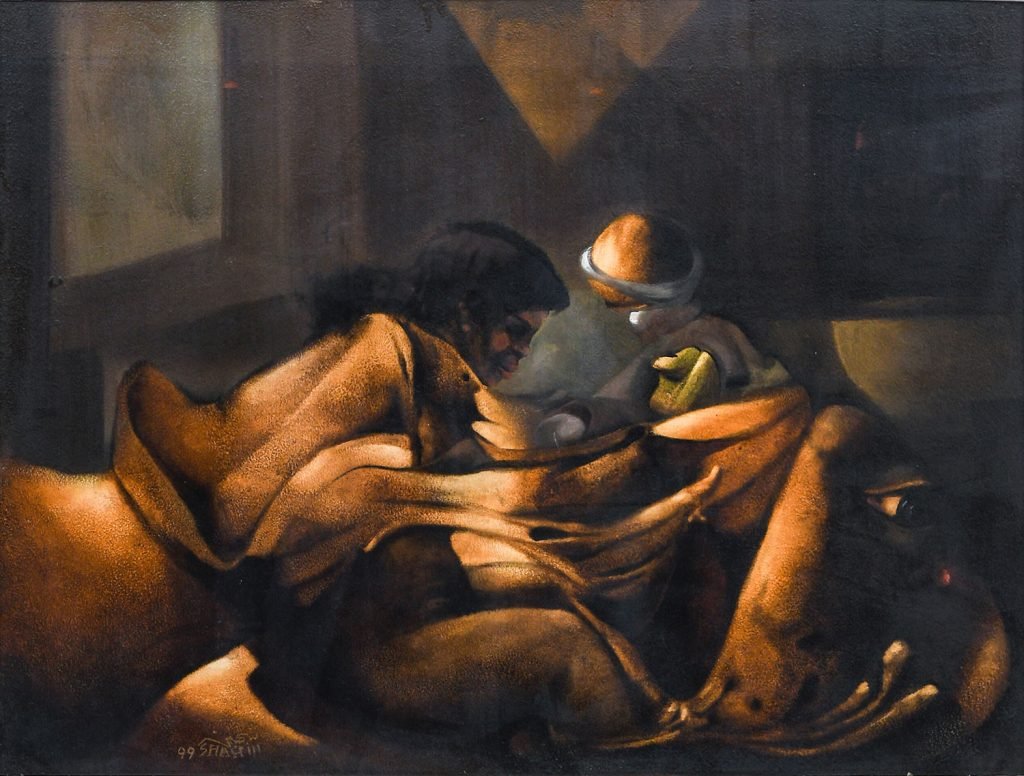
Ahmed Morsi 1974
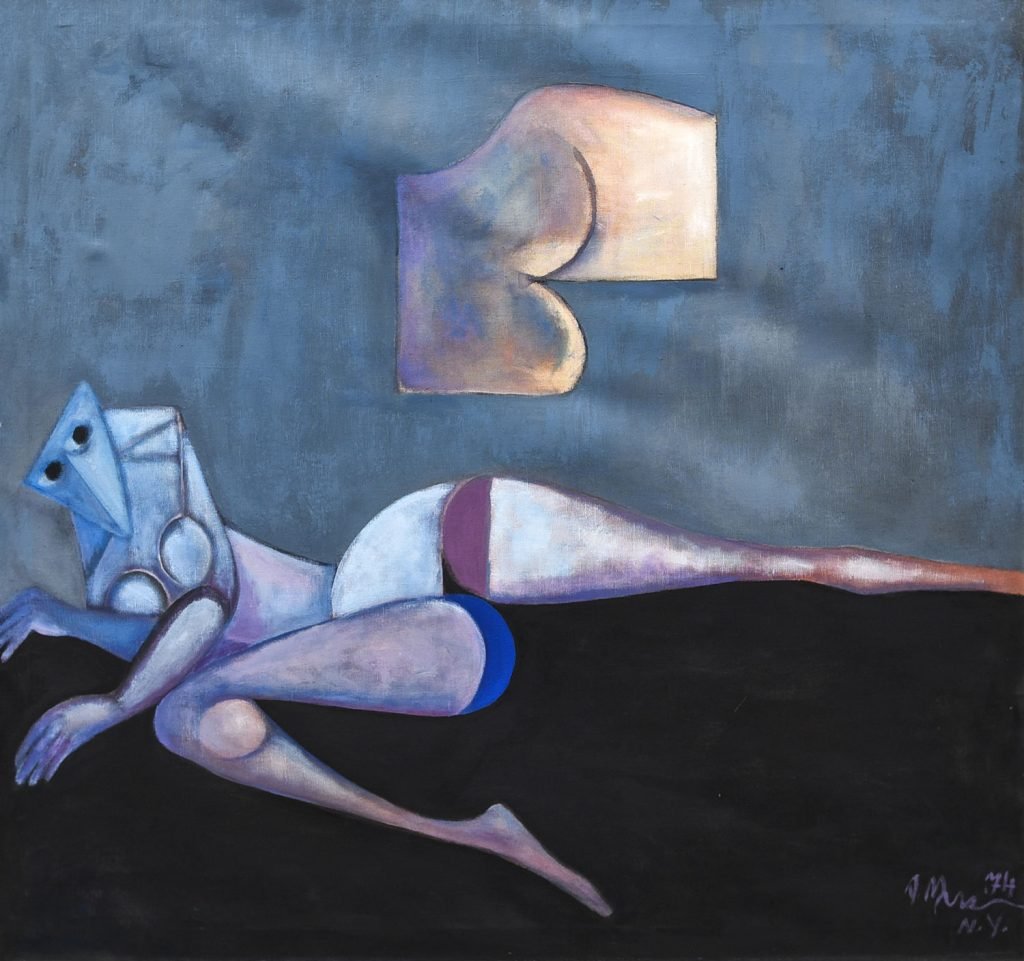
In his work, Morsi uses symbols to convey a timelessness of life itself. Images of animal and human figures do not offer any finality but attempt to transcend to another truth.
Ahmed Morsi 1990
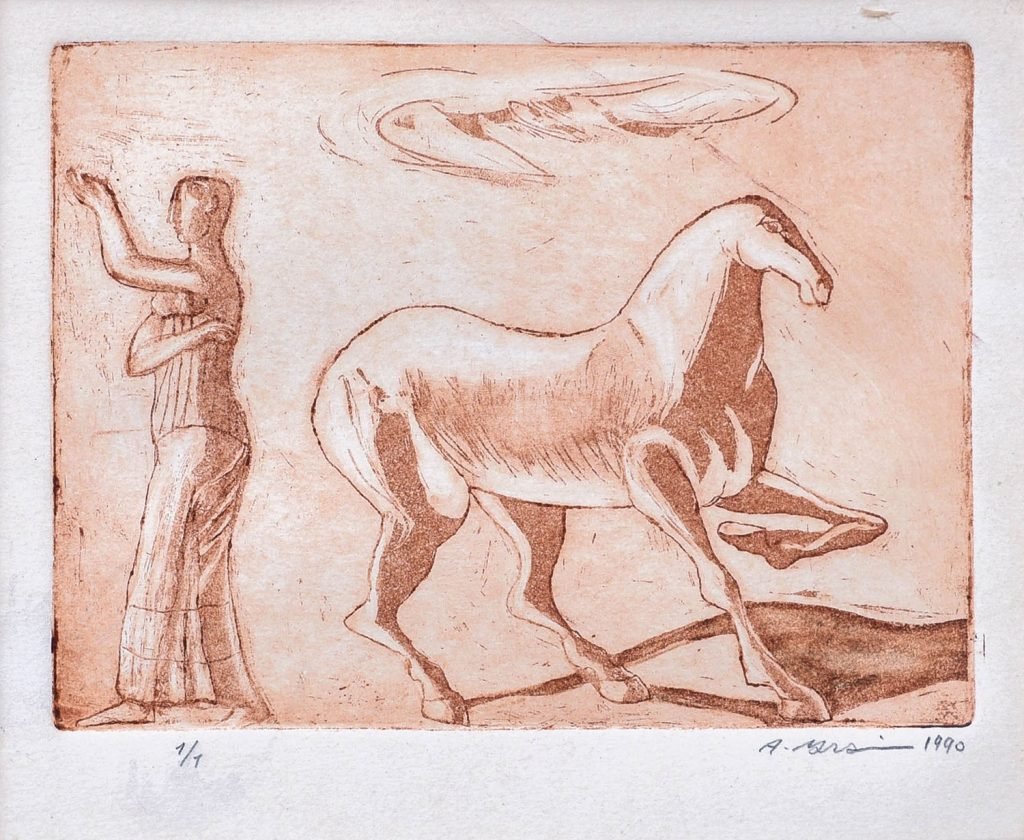
A figure dancing with a horse in an empty space where only the two of them happily exist. Perhaps they are praising the Gods for their good blessings.
Ahmed Morsi 1982
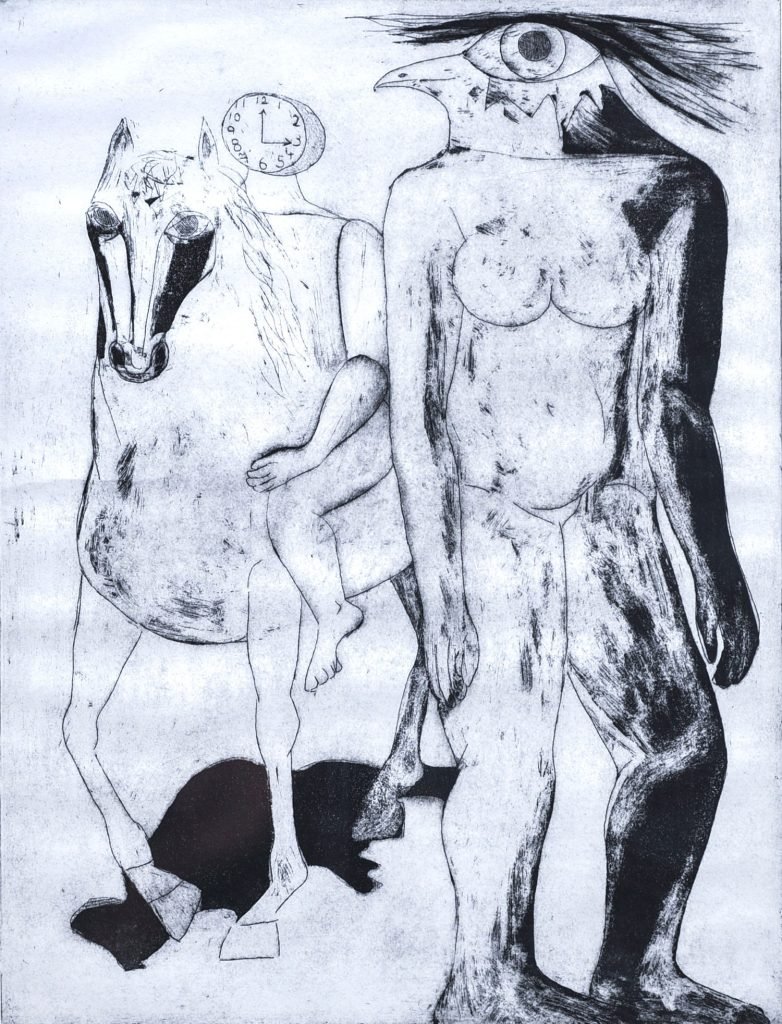
Part bird and part human, a figure stands beside a horse and its rider in a race against time. Will they find their destination or will they forever remain lost in this situation?
Ahmed Morsi 2002
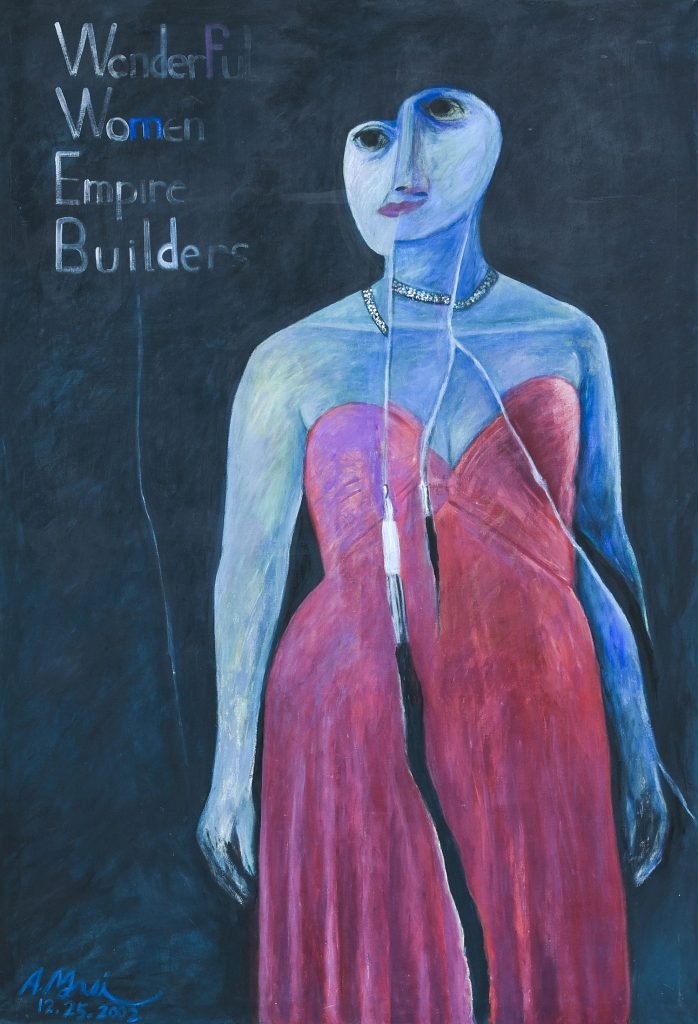
Transforming figuration into abstraction, Morsi expresses New York as a strong-willed woman wearing diamonds and a red dress. New York is a woman who plans, executes, and builds.
Ahmed Morsi 1968
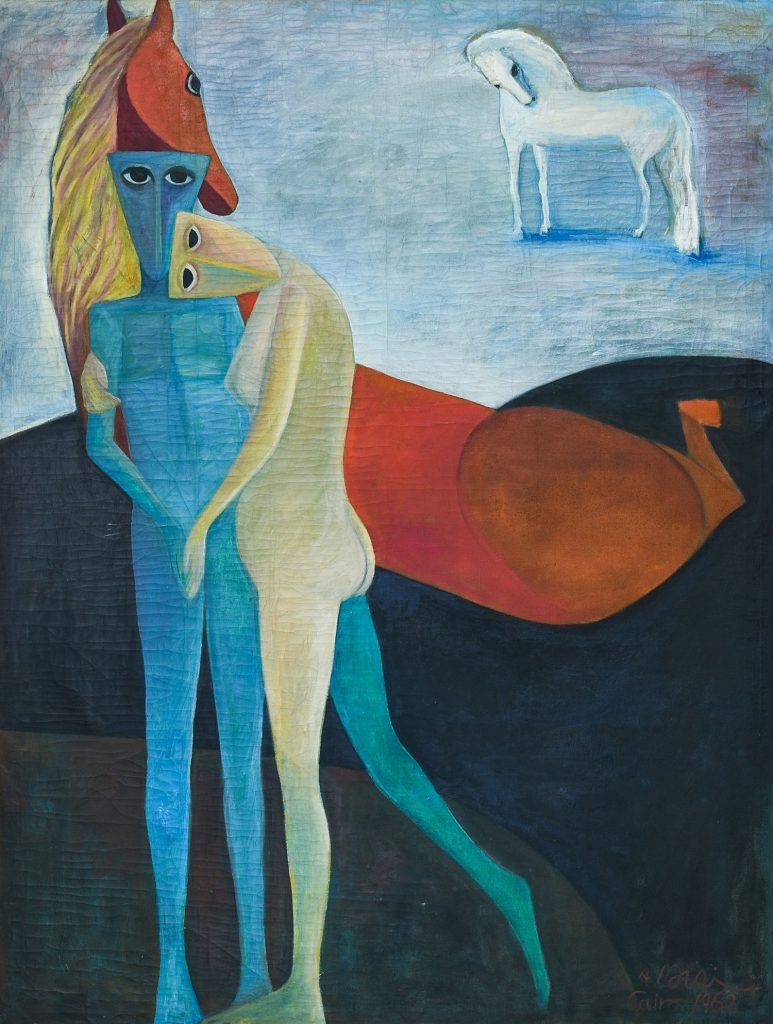
Morsi’s visual language tends to be exaggerated in its depiction of the human and animal figures. Their mask-like faces are in most instances flattened into angular elements.
Ahmed Morsi
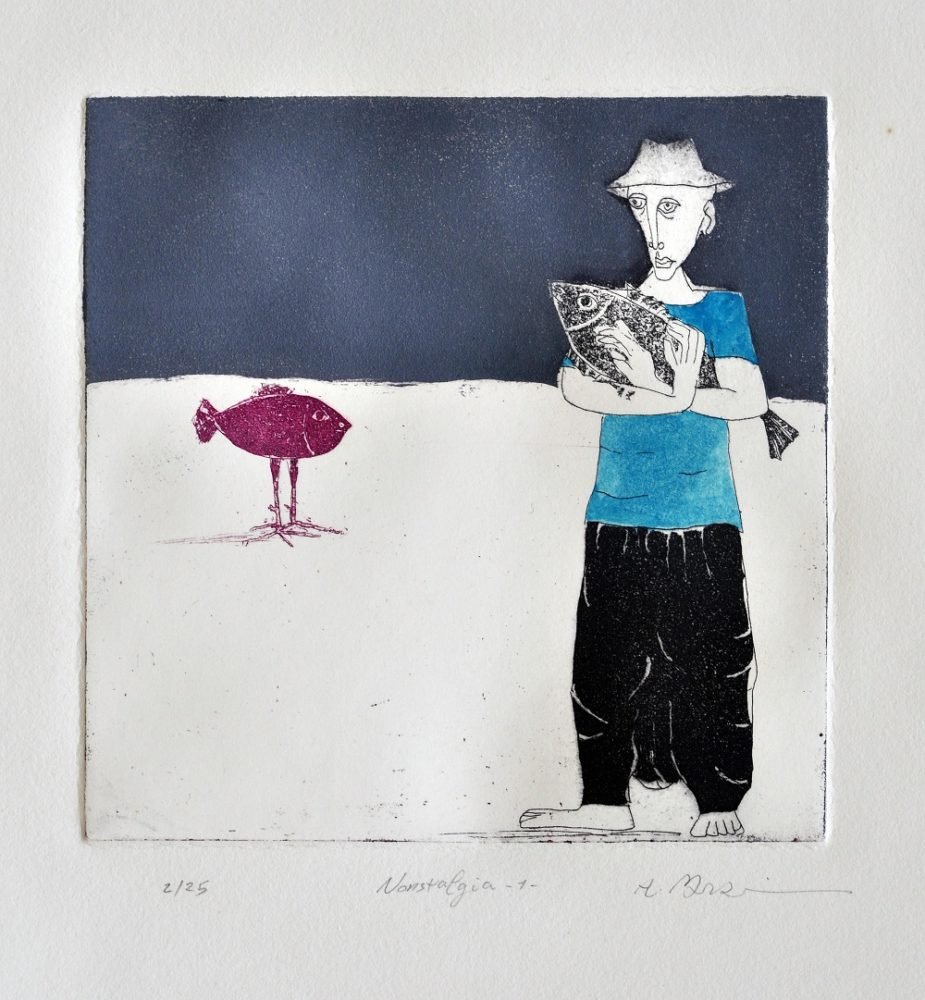
Ahmed Morsi
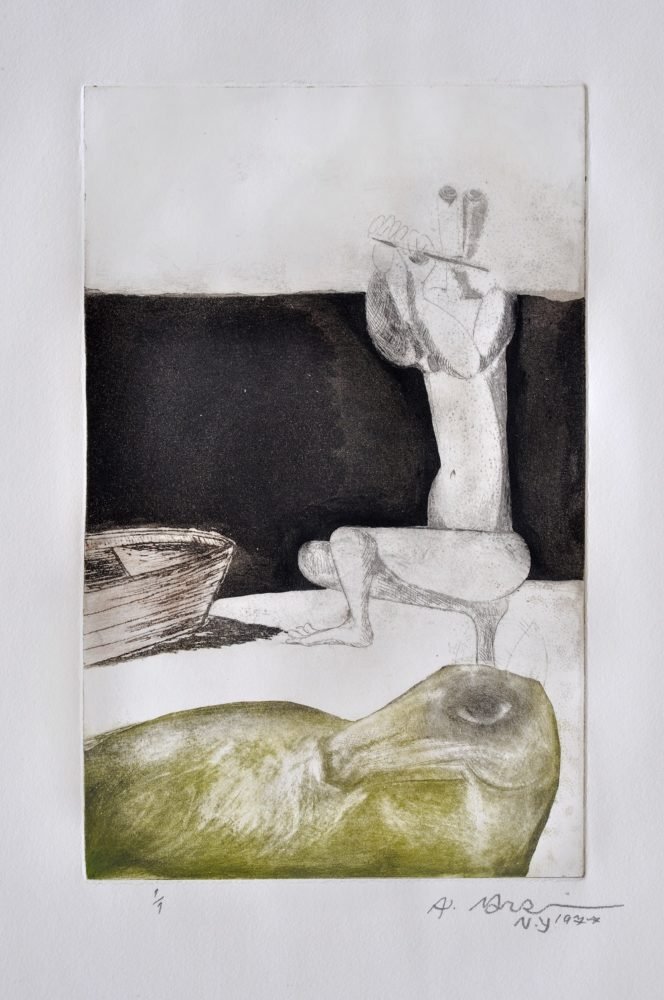
Ahmed Morsi
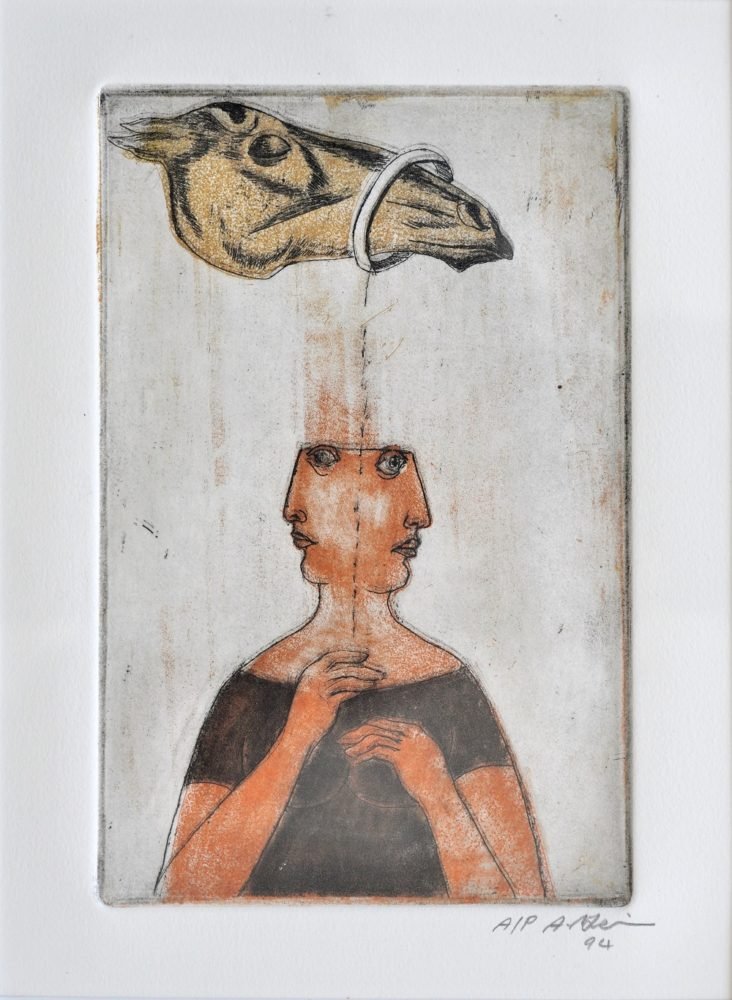
Ahmed Morsi
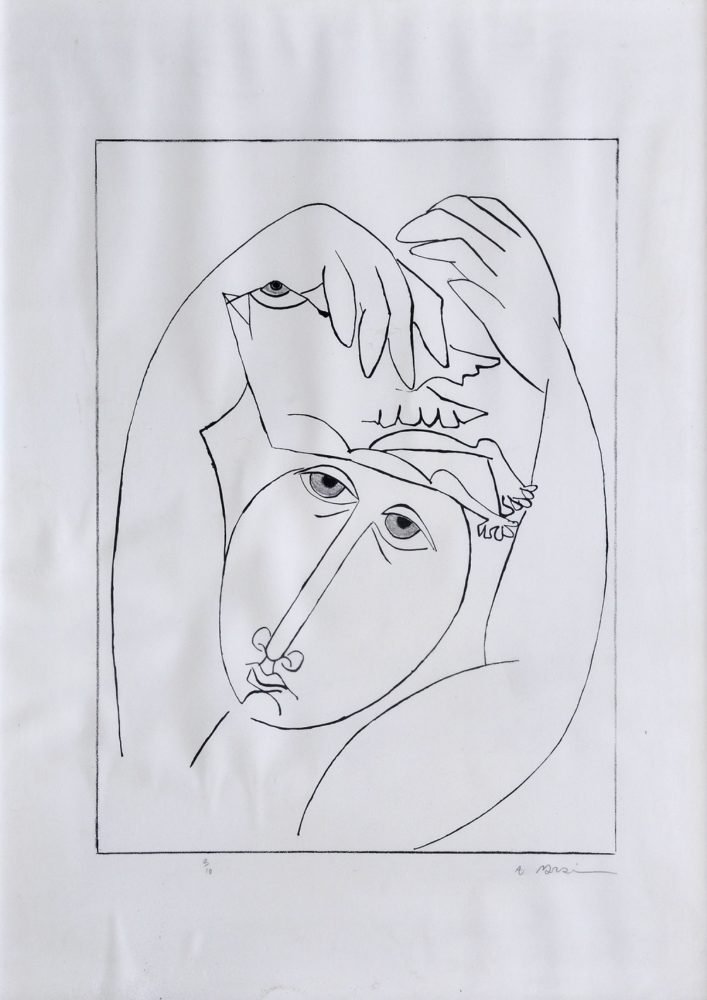
Ahmed Morsi
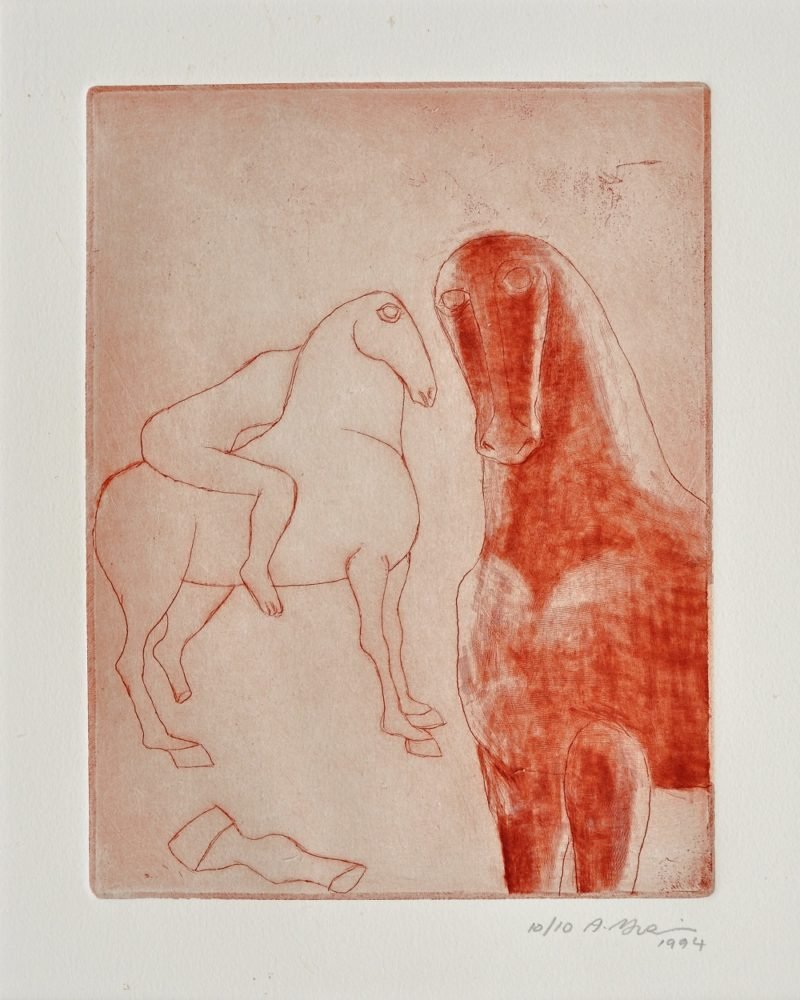
Ahmed Morsi 1977
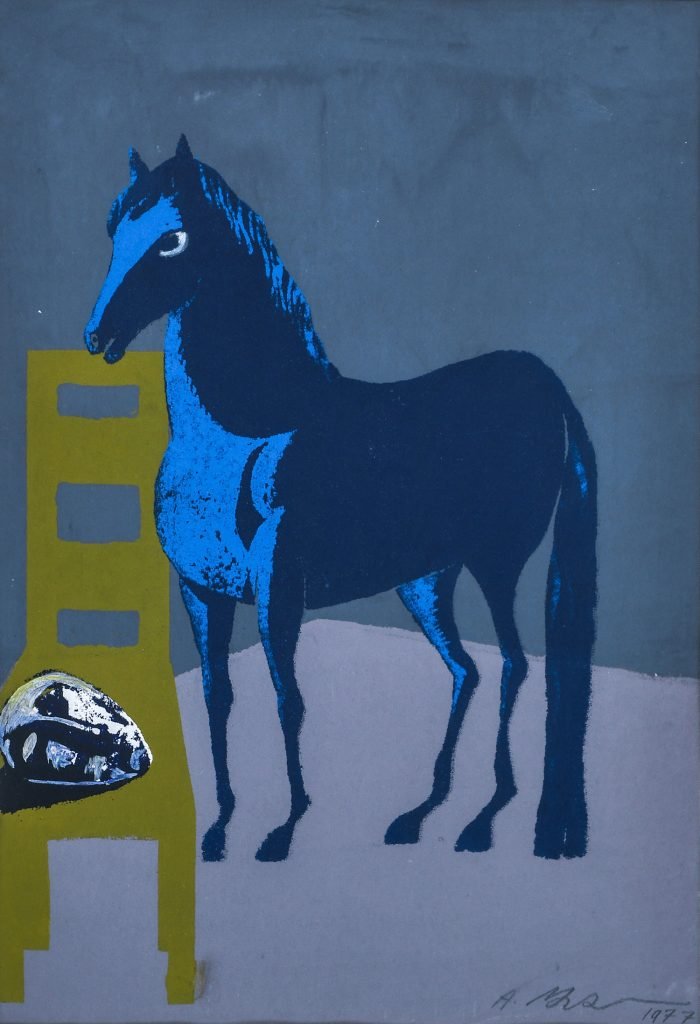
A blue horse stands in a room with a head on a chair. Stuck in a surreal moment, perhaps the horse awaits the dreamer to awake so that he may once again return to the fields where his feedom awaits.
Ahmed Morsi 1990
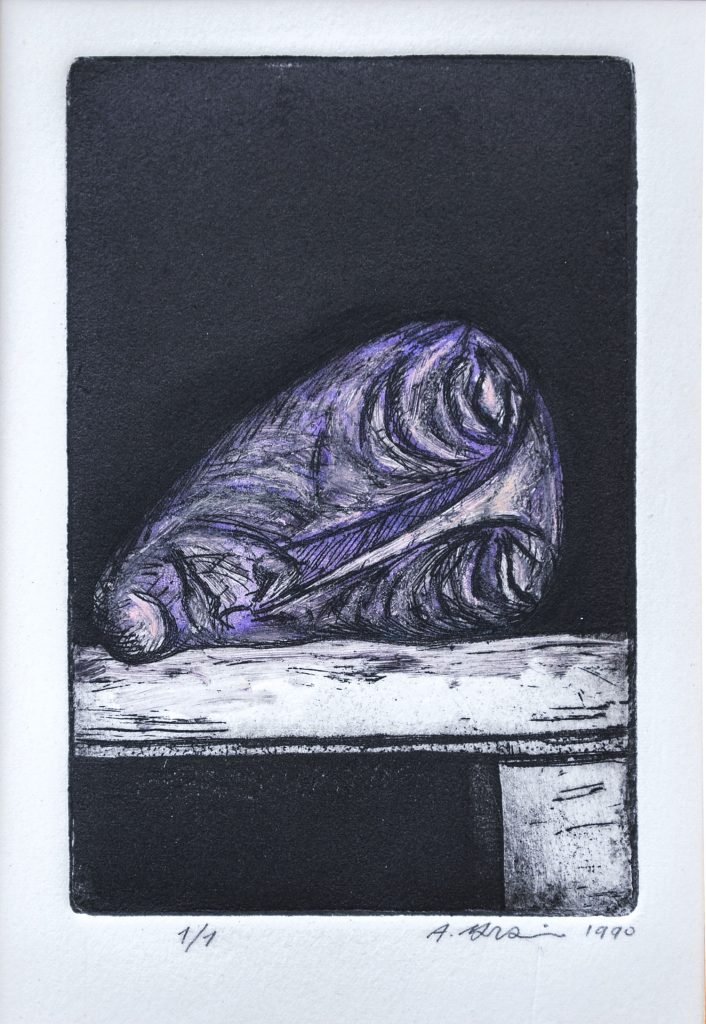
In a dark room with no windows lays a head resting on a table. With eyes closed, a tired soul finally finds peace.
Ahmed Morsi 1983
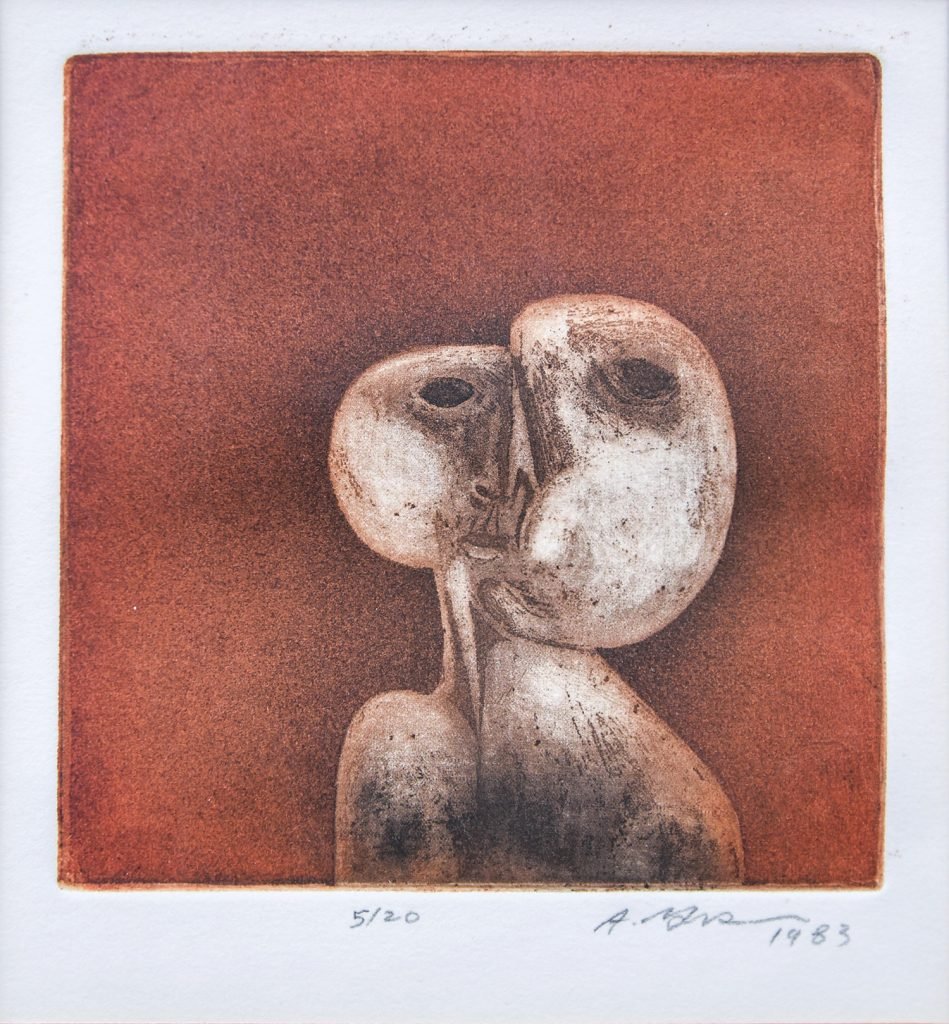
An abstration of a figure with hollow eyes searching for answers to questions forgotten by time.
Ahmed Morsi
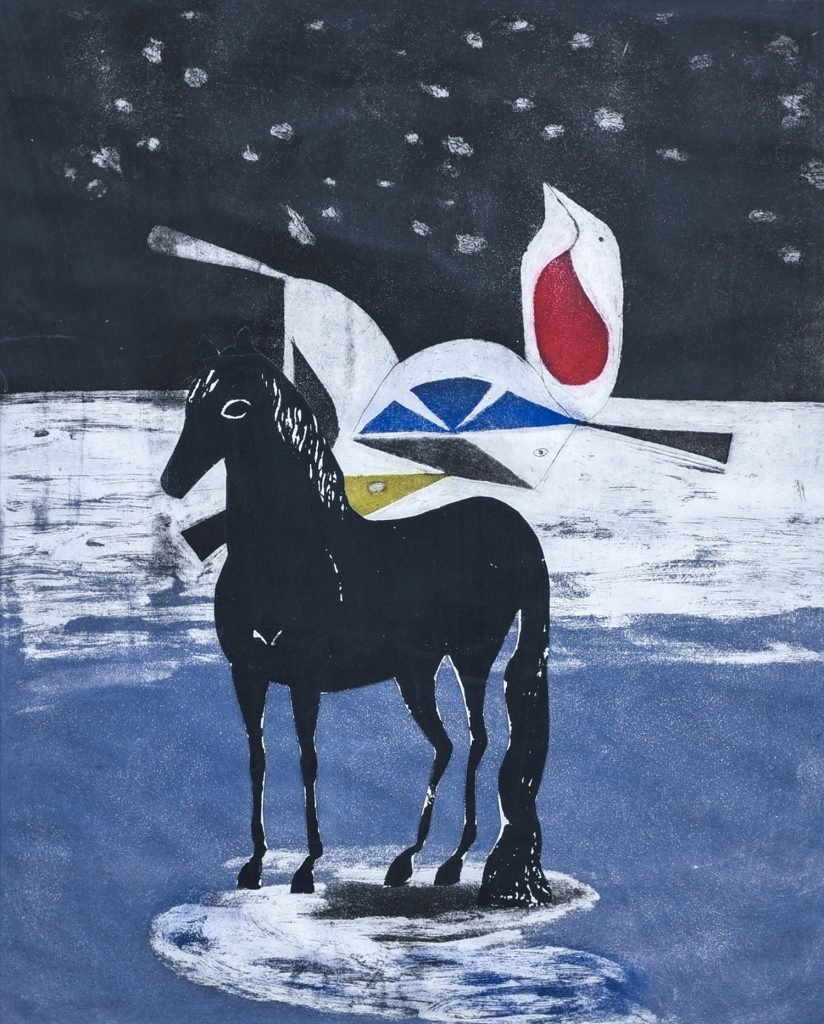
In the majority of Morsi’s work, figures such as men and horses are dominated by darker palettes. A scene resembling a dream, a black horse stands in front of three birds against a starry night sky.
Ahmed Morsi 1990
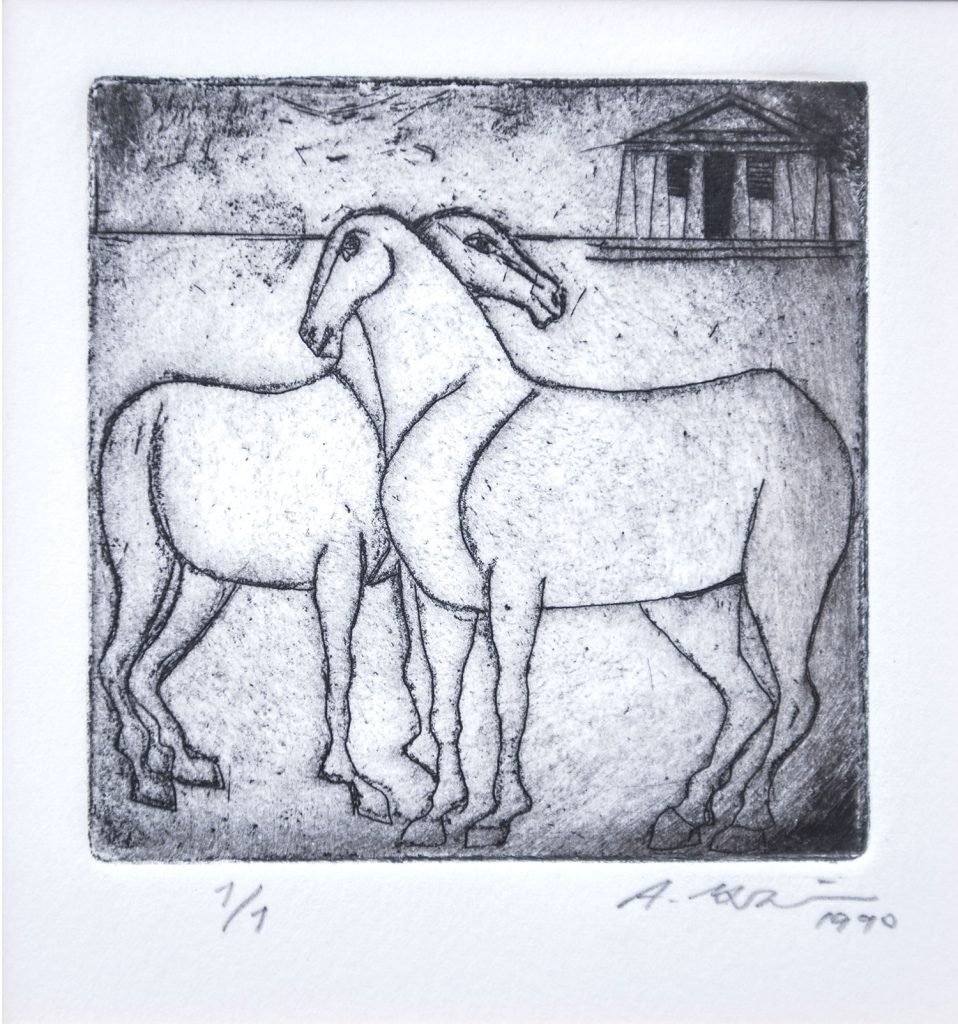
Two horses meet in front of a house. It is probable that their union will change their fate.
Ahmed Morsi 1991
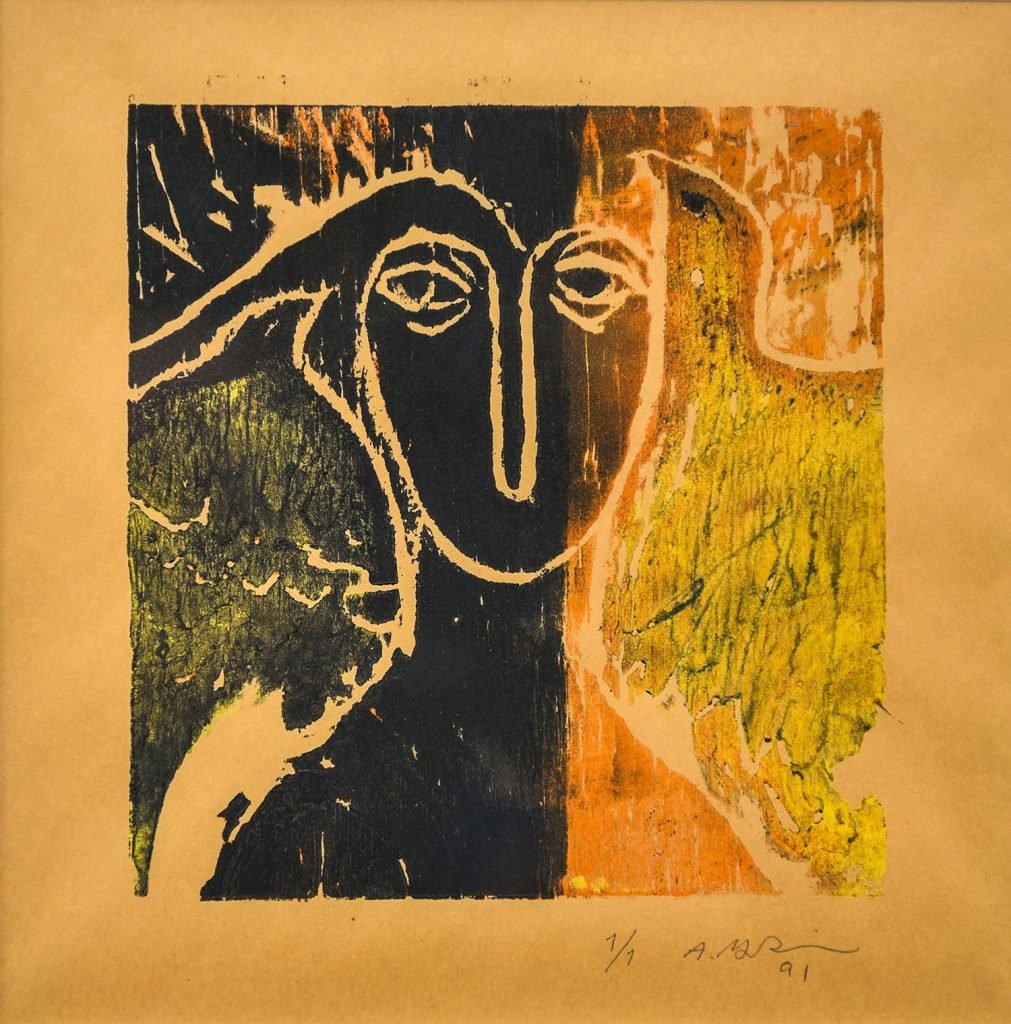
A figure looks straight at the viewer with weary eyes and no mouth. With so many stories to tell and no way of telling them, nothing is left but silence.
Ahmed Morsi 1972
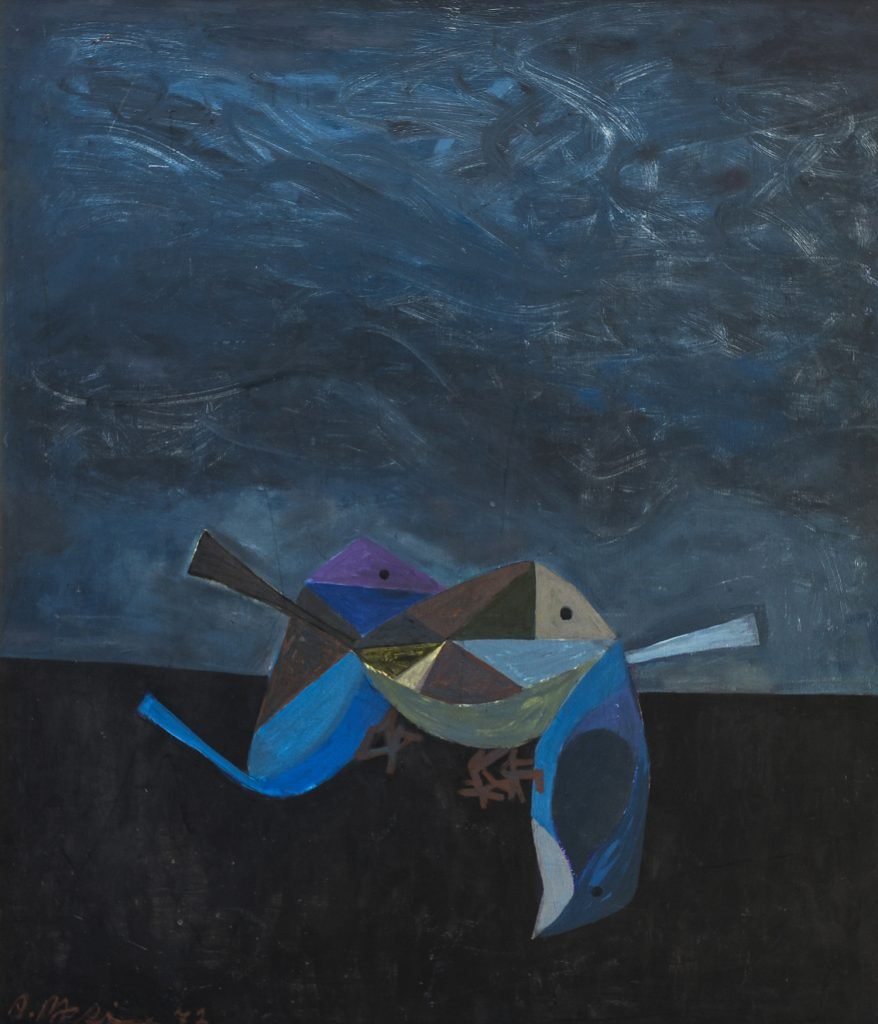
Three birds sit side by side. The style is a combination of surrealism, symbolism, cubism, expressionism, and naivism.
Ahmed Morsi
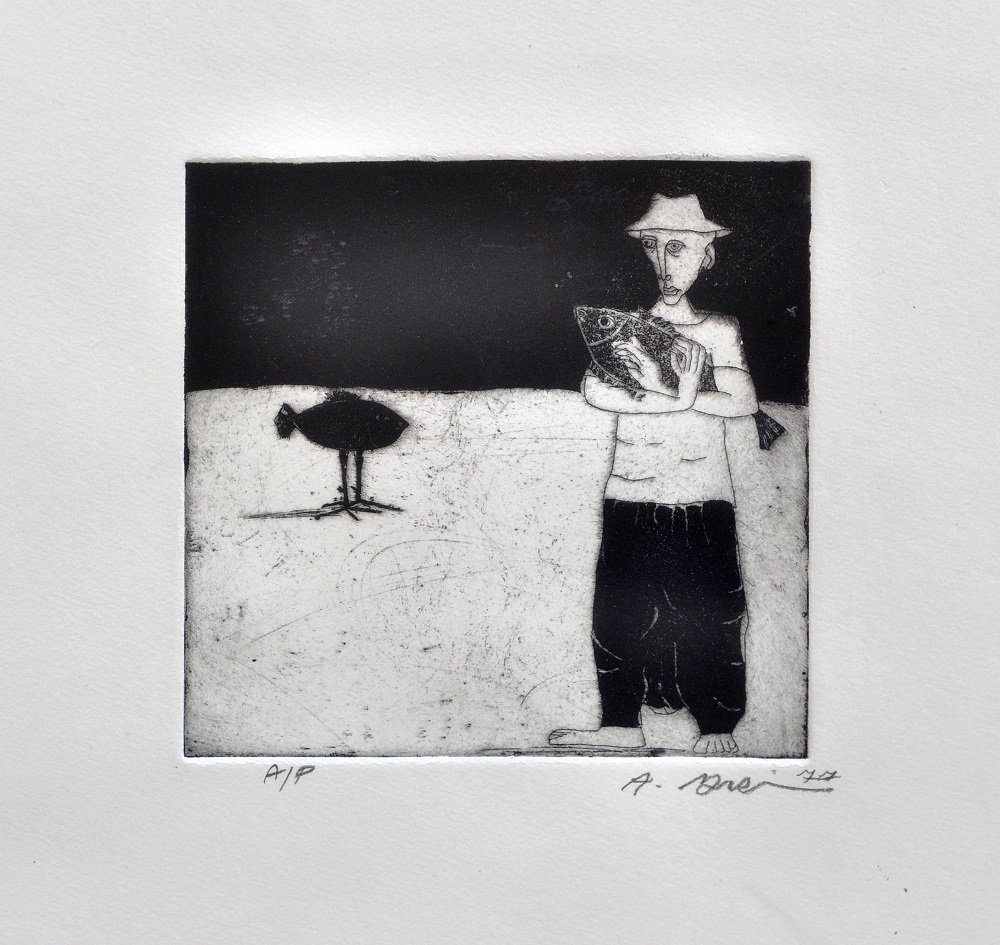
Ahmed Morsi 1972
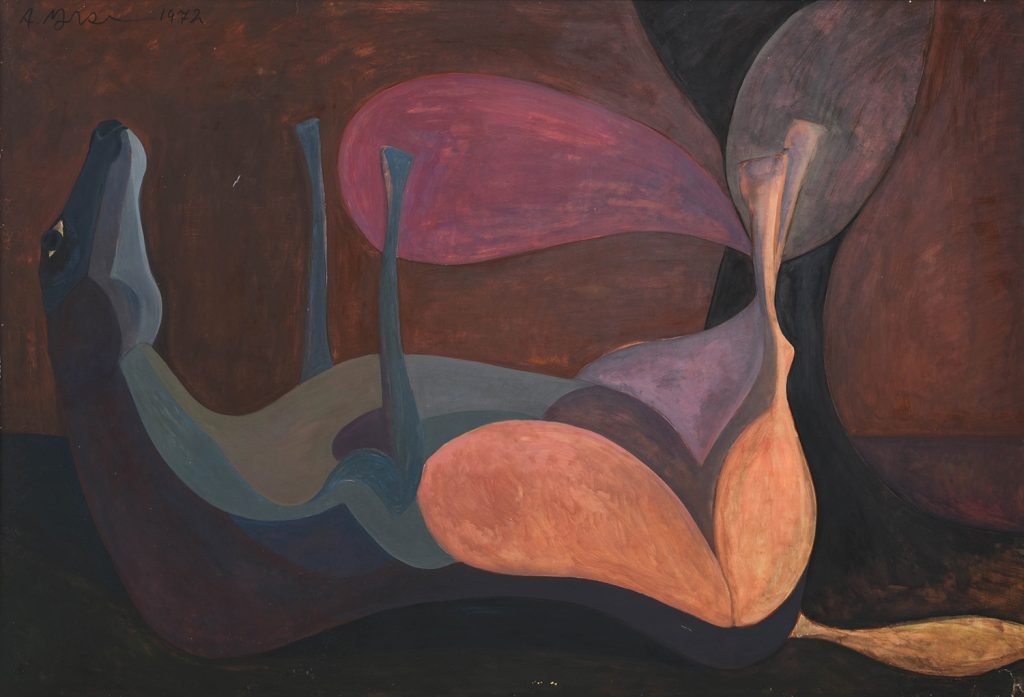
This painting was a wedding gift from Morsi and hung in the AlSharekh Watergate apartment in Washington DC. Yehya Yuqman, the Yemeni Ambassador at that time, once said, “This is a metaphor for the Arab world’s current upside down situation”.
Adam Henein 1981
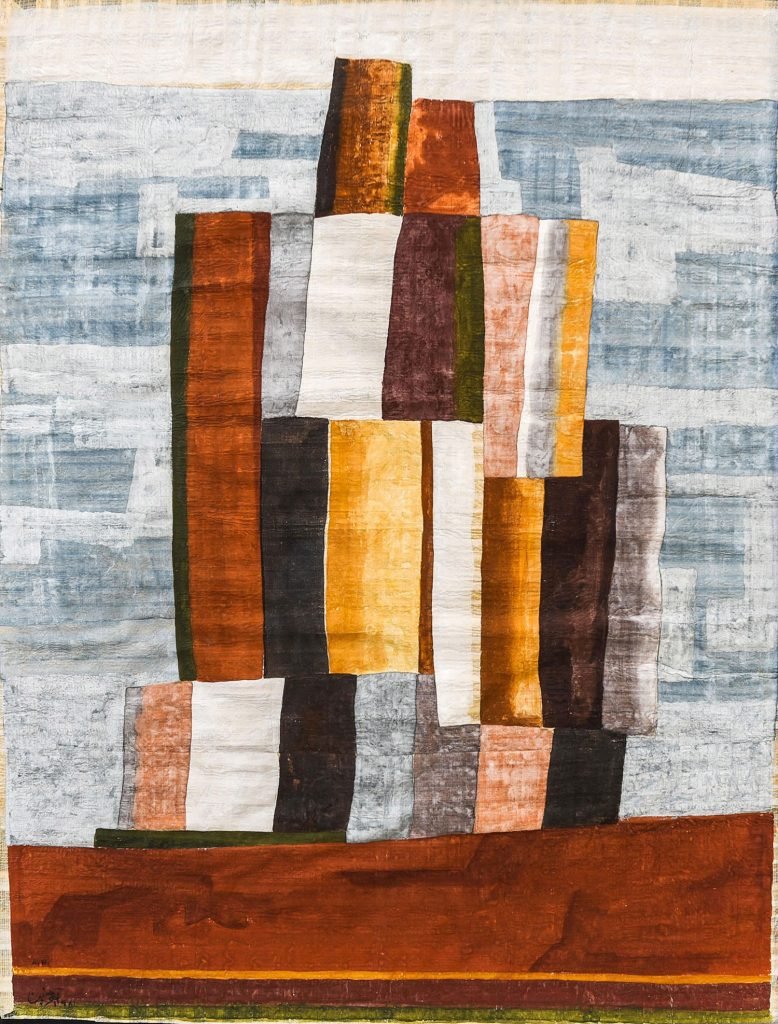
Henein draws vivid geometrical lines on papyrus, making use of its soft edges and rough surface. He uses natural Egyptian oxides such as ferric oxides, magnesia and chrome mixed with gum Arabic.
Suad El-Deeri Osama 1999
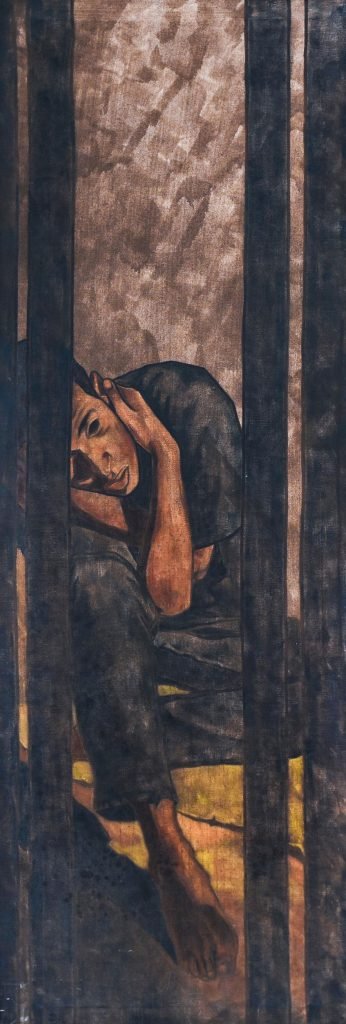
Suad El-Deeri Osama
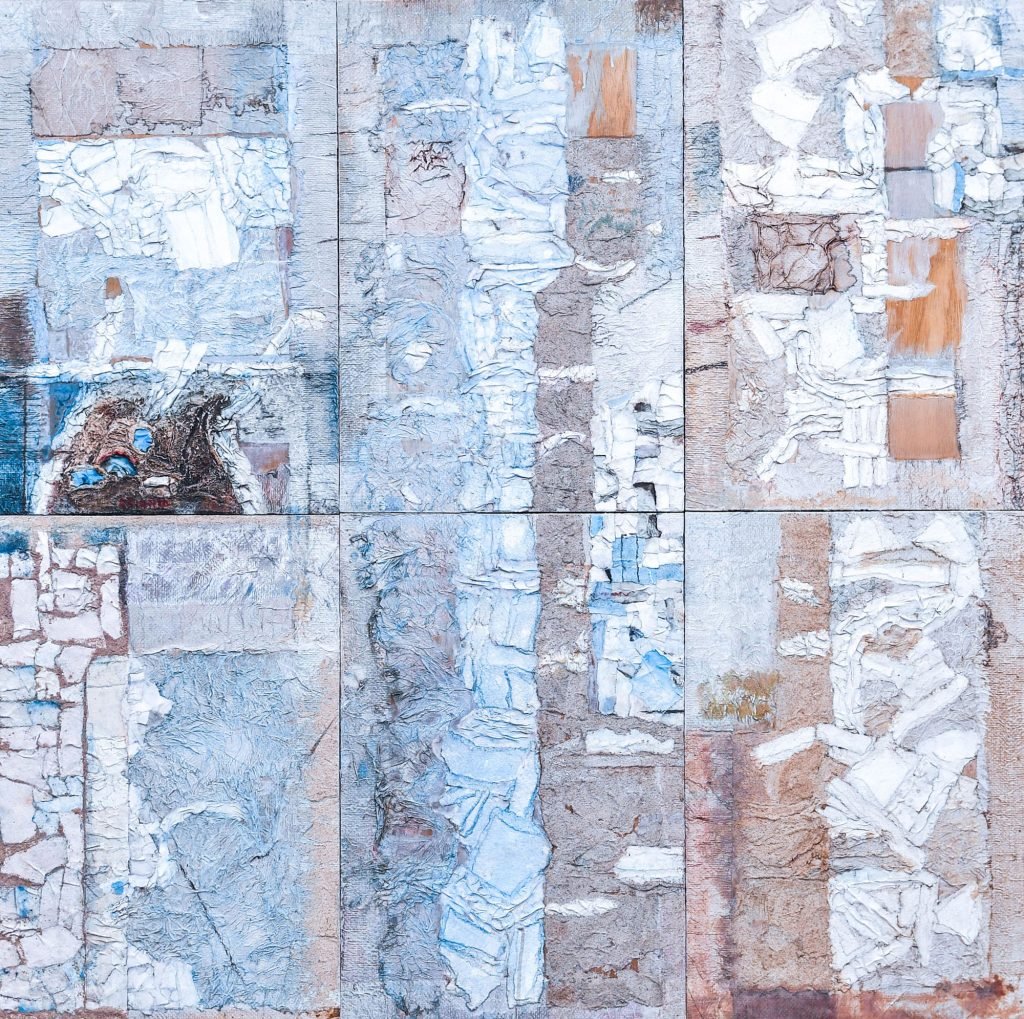
Shabaa
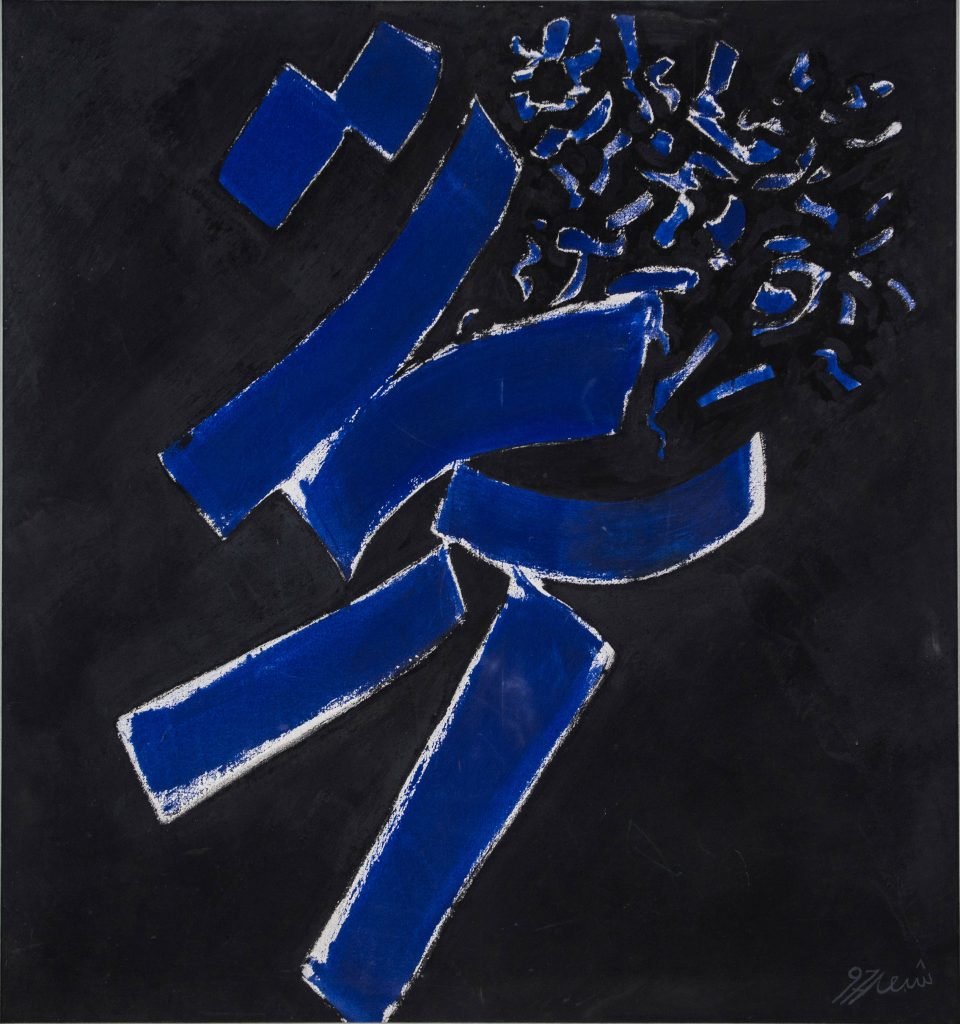
Adam Henein 1986
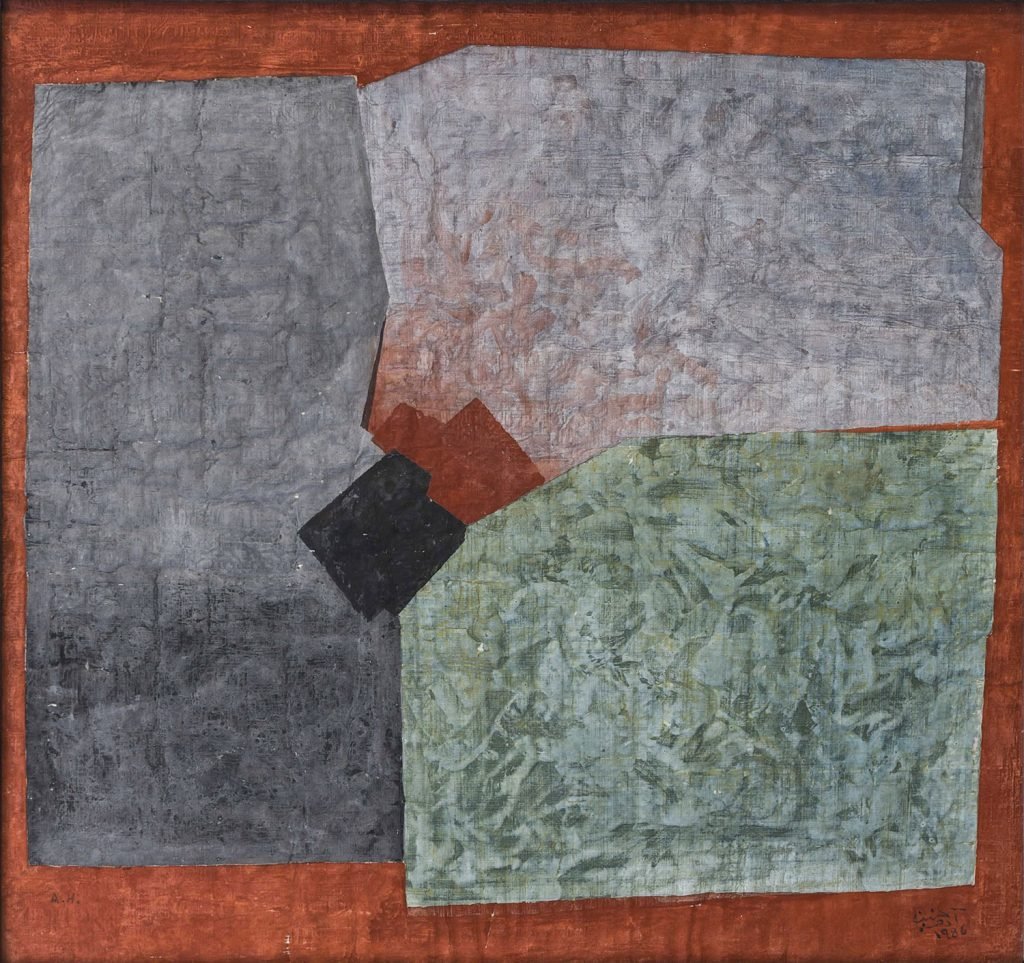
Henein later in his career developed a more abstract and symbolic approach, where he returned to drawing on papyrus in slate frames. As a result, his work became much more two-dimensional.
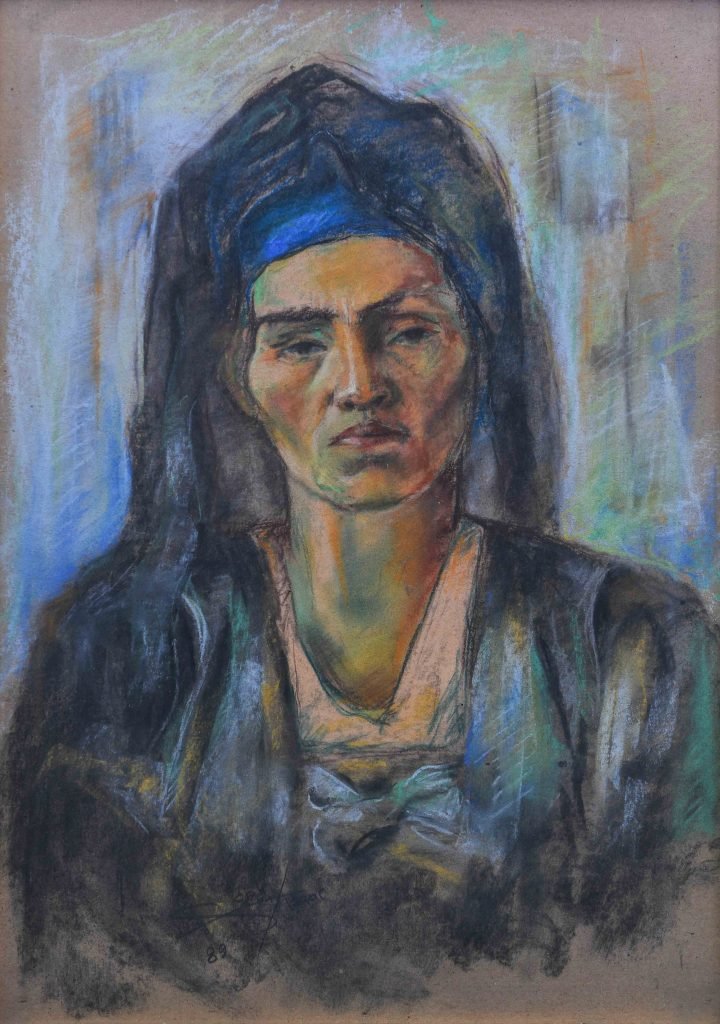
Sobhi Isaac 1989
Adam Henein
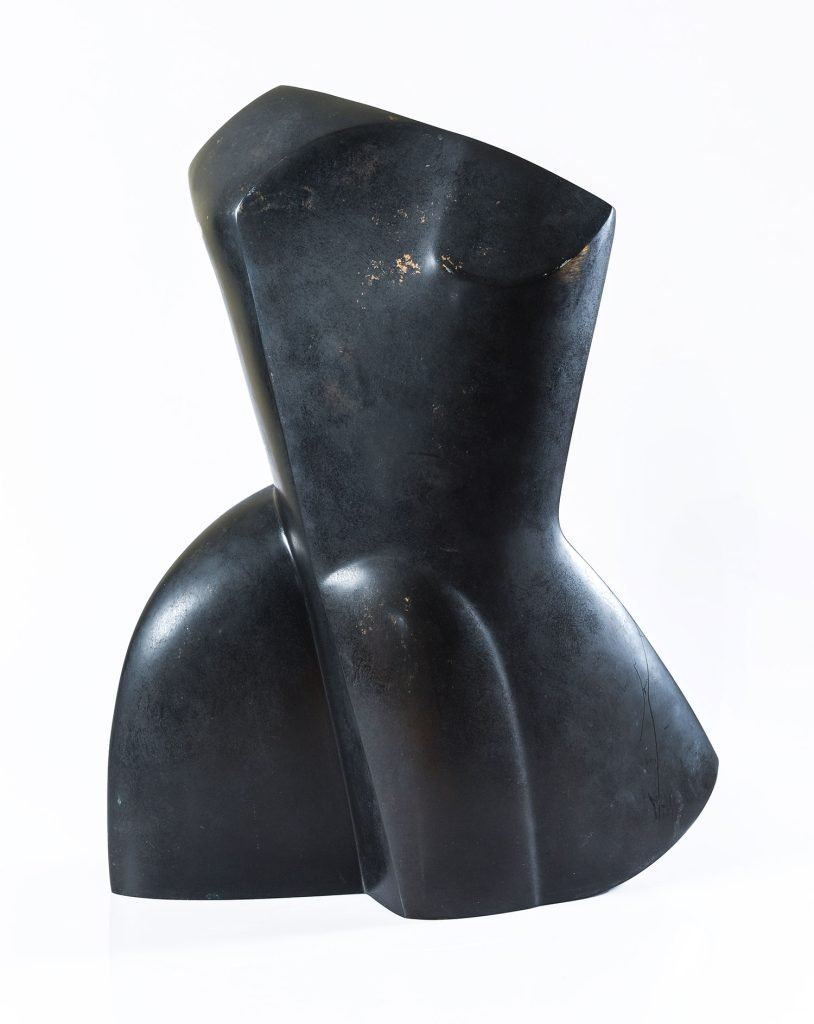
Henein’s work shows strong references to Egypt’s Pharaonic past but also reveals his talent as a modern artist through his use of solid, simple forms and the clean lines of his sculptures.
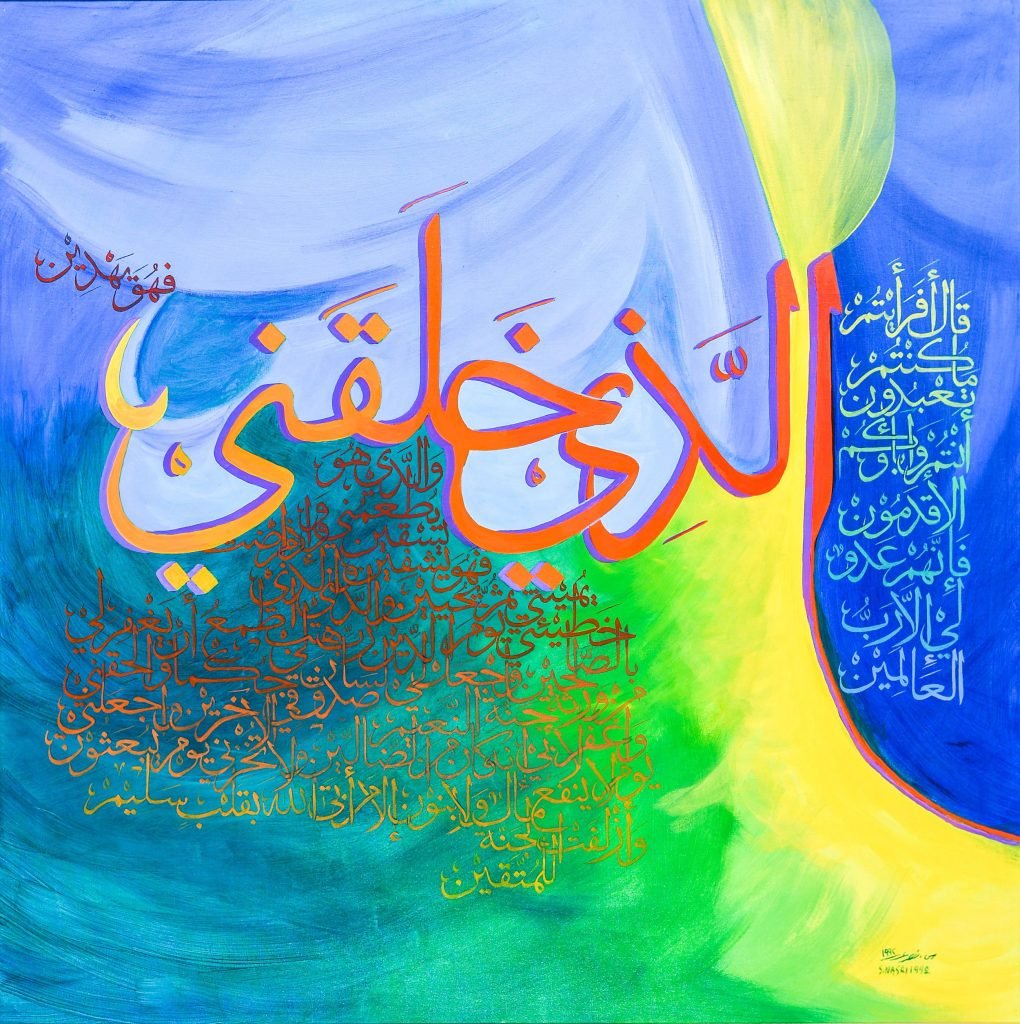
S. Nasri 1992
Adam Henein 1987
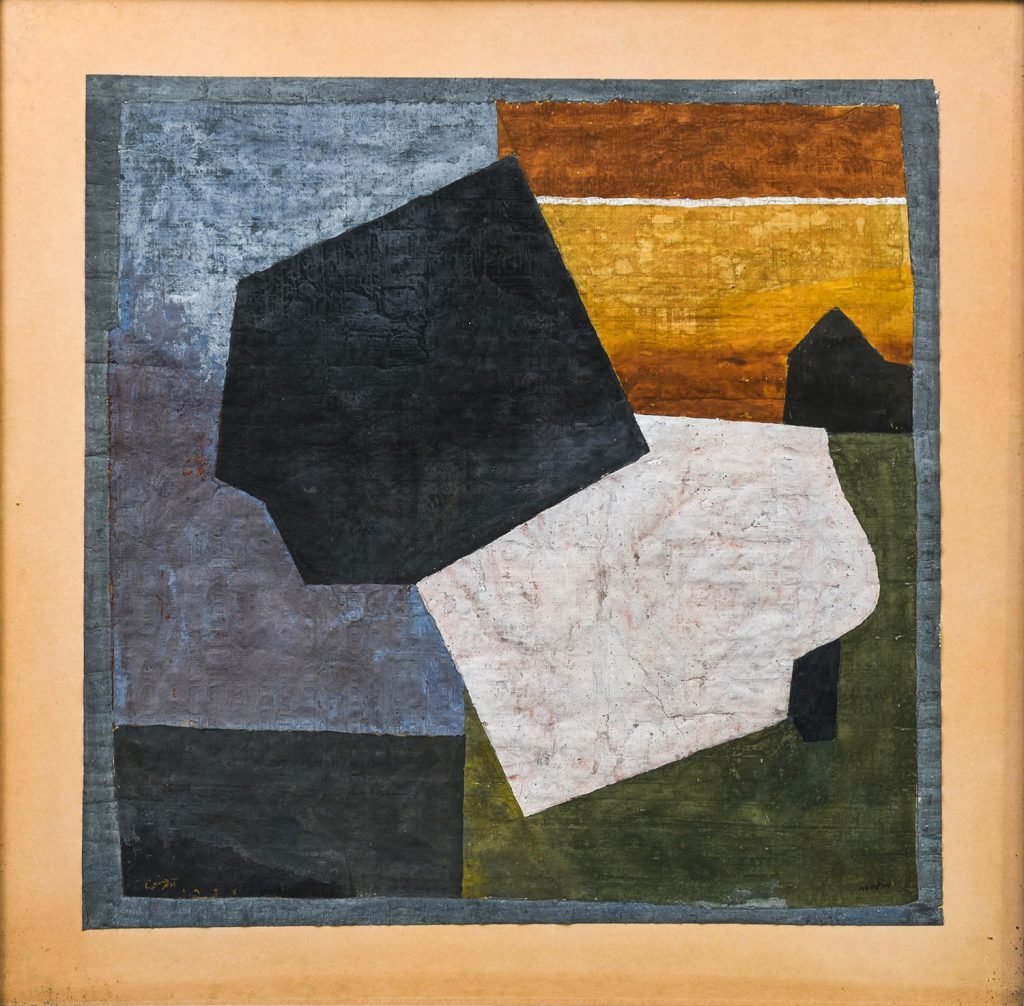
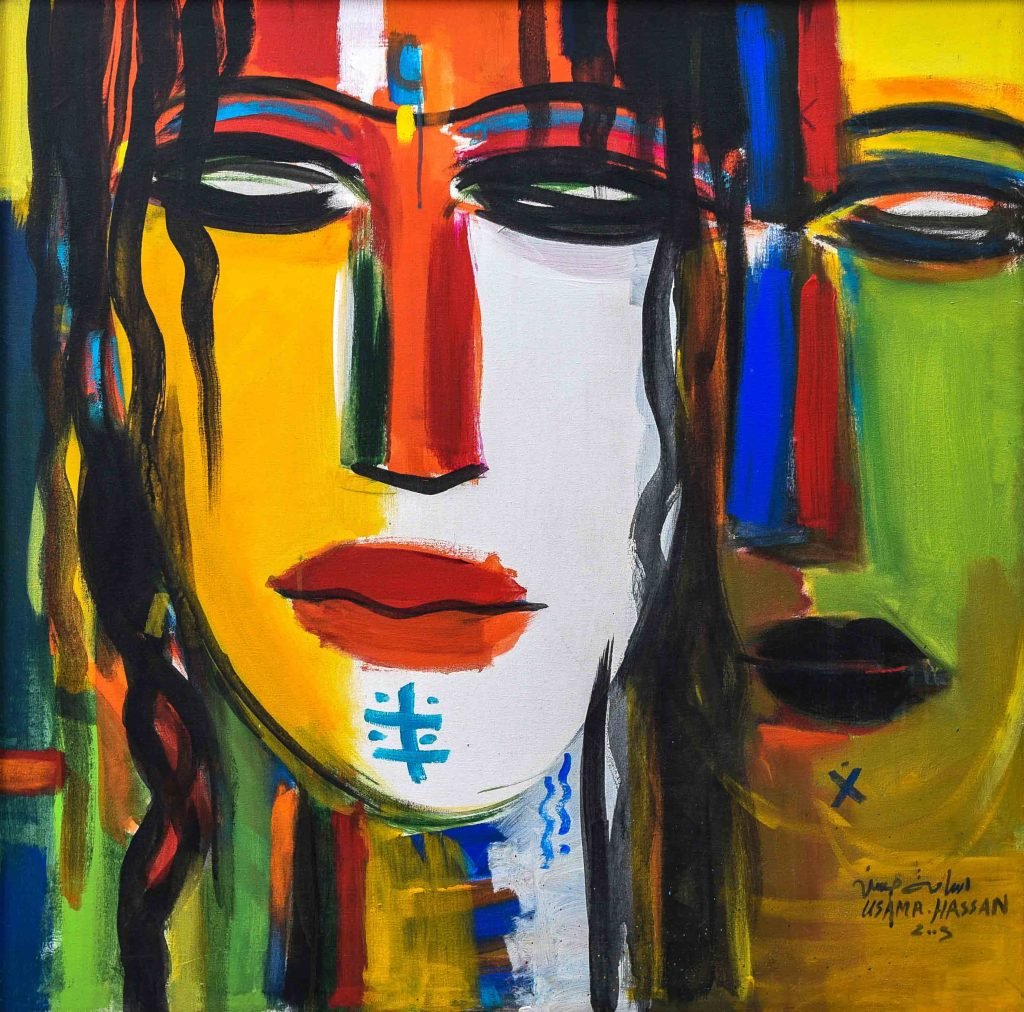
Usama Hassan
Adel El-Siwi 2005
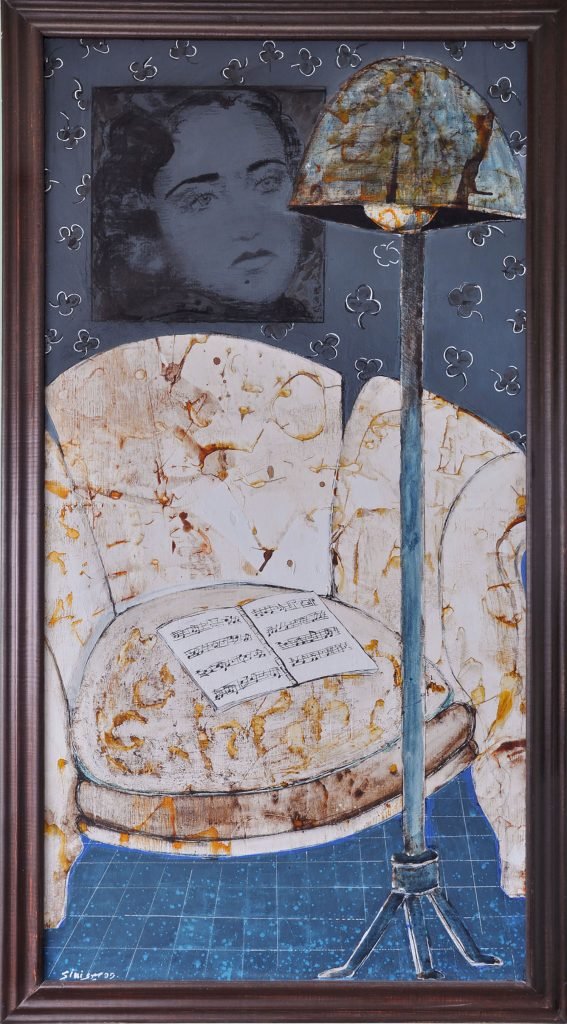
Inspired by the landscape of Egypt, Adel El Siwi uses earth tones and blues in his paintings. Asmahan sits on a wall behind a chair and a lamp.Considered to be one of the Arab world’s most distinguished singers, Asmahan is known for her cultural patriotism and love, she sang of Egypt.
Adel El-Siwi
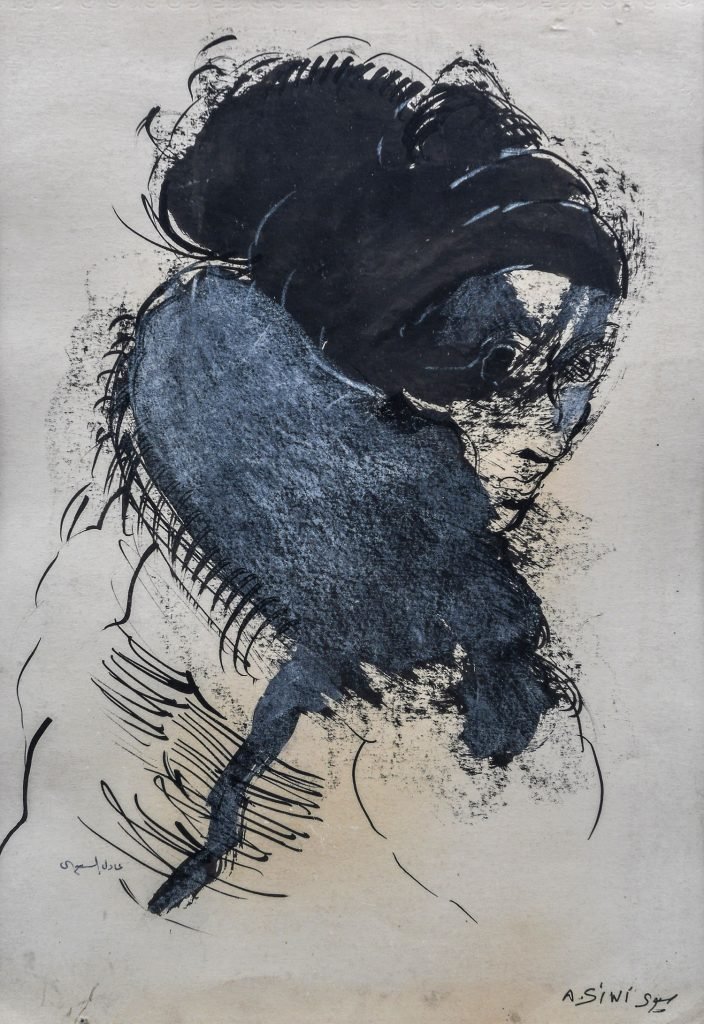
The face is a central topic in Adel El Siwi’s ouevre. A commentary on the disapointment caused by political corruption. The individual with their multifaceted personalities and feelings.
Adel El-Siwi
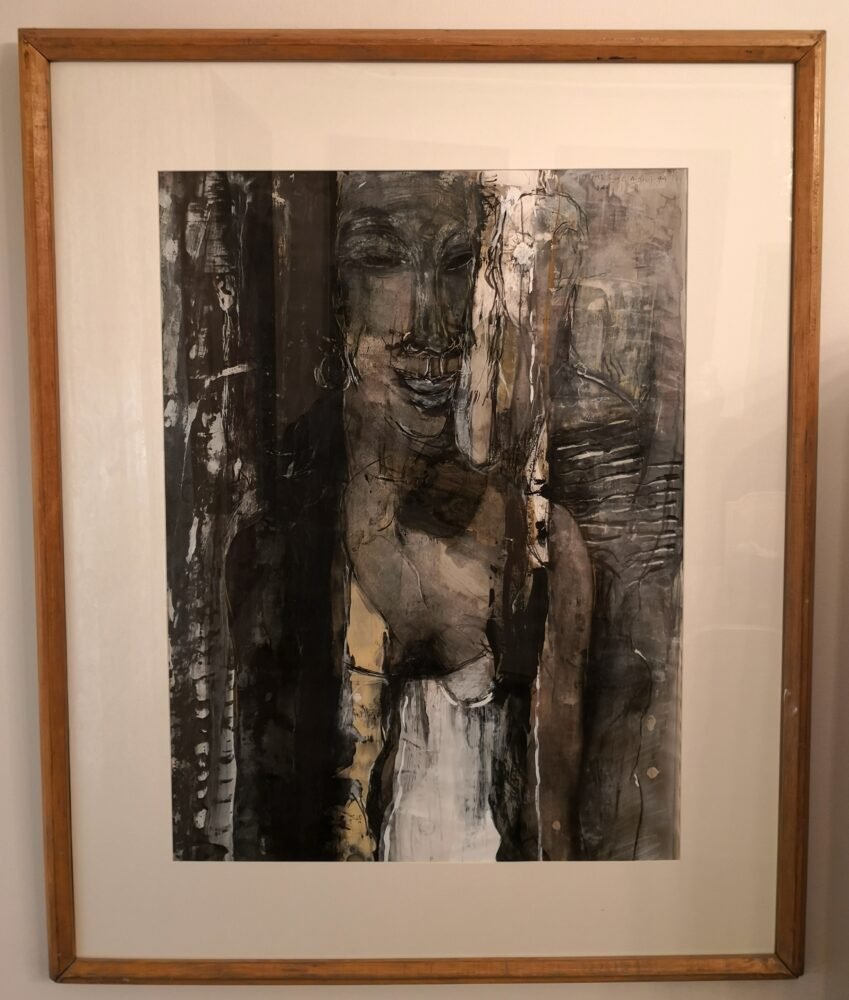
Ali Dessouki 1974
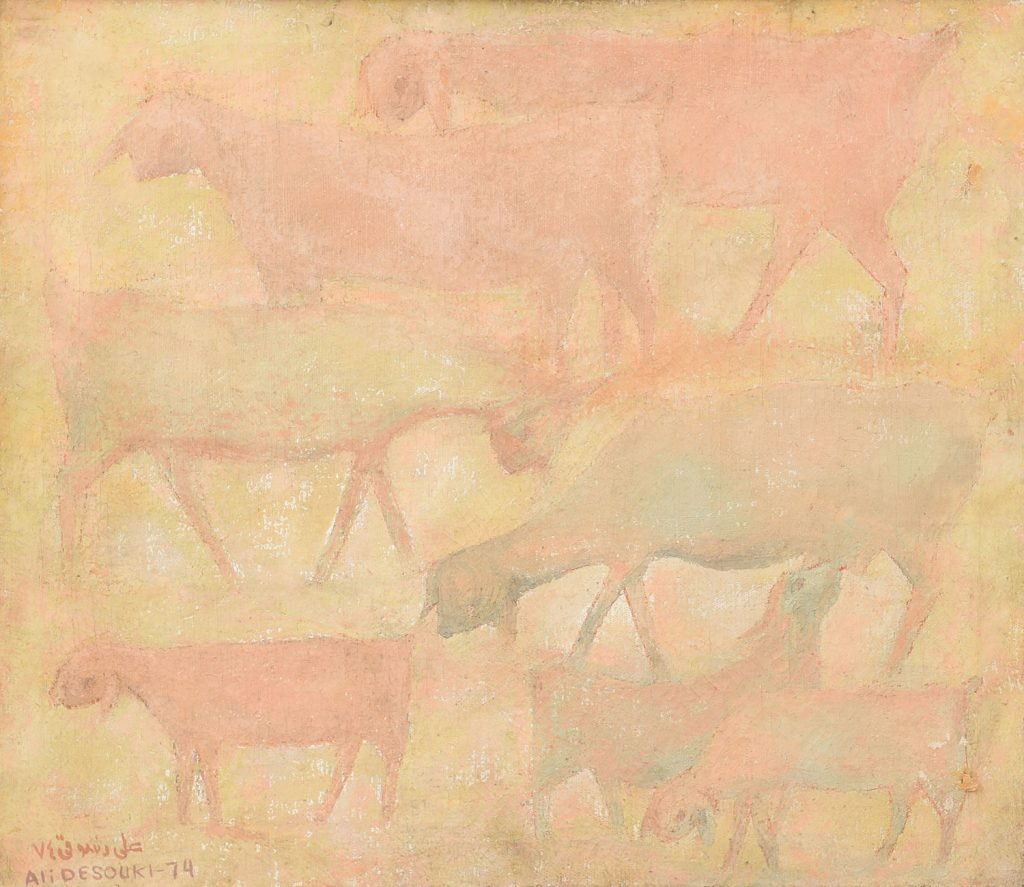
Asmaa Al-Nawai 2007
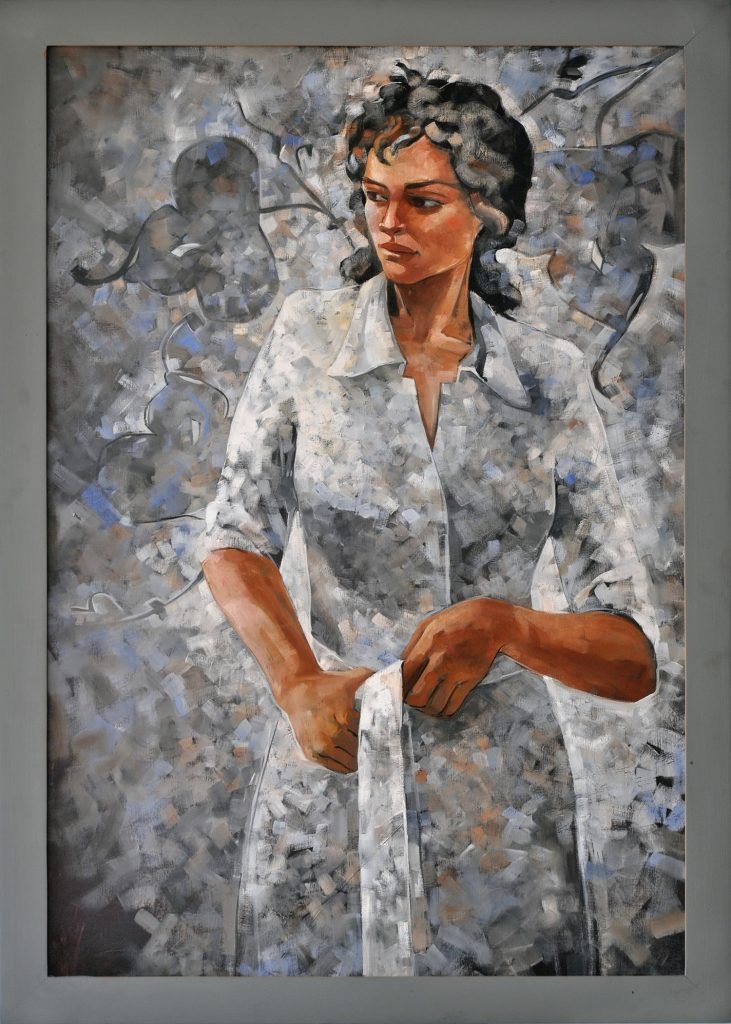
Ardash Kakafian
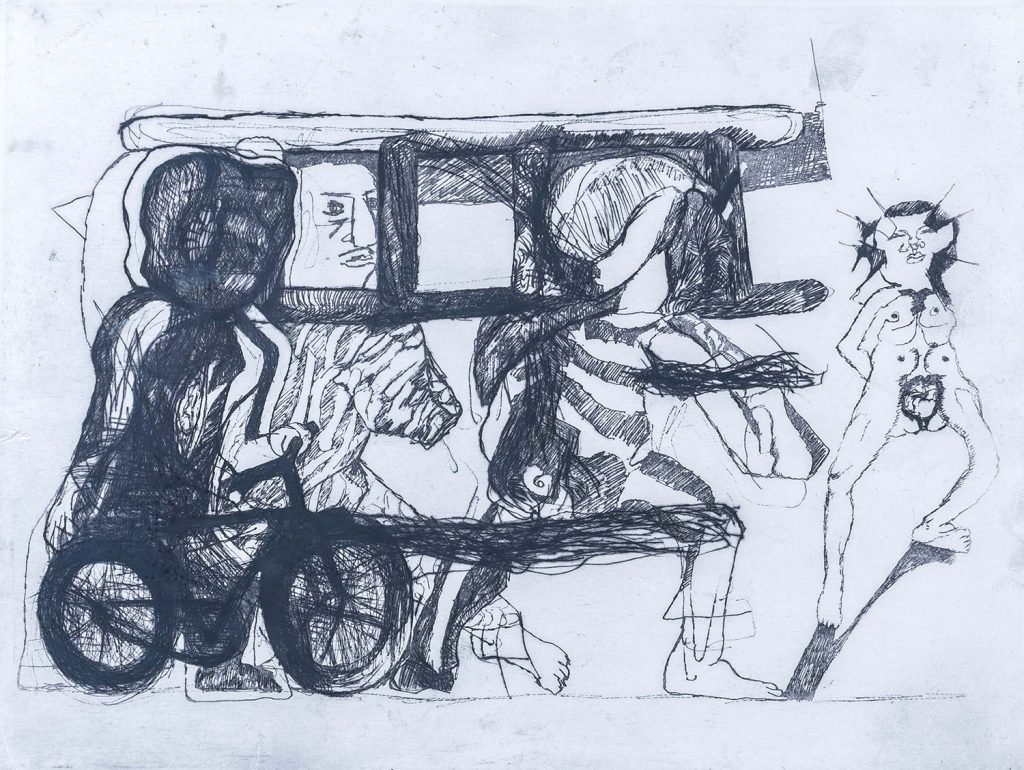
Ardash Kakafian 1976
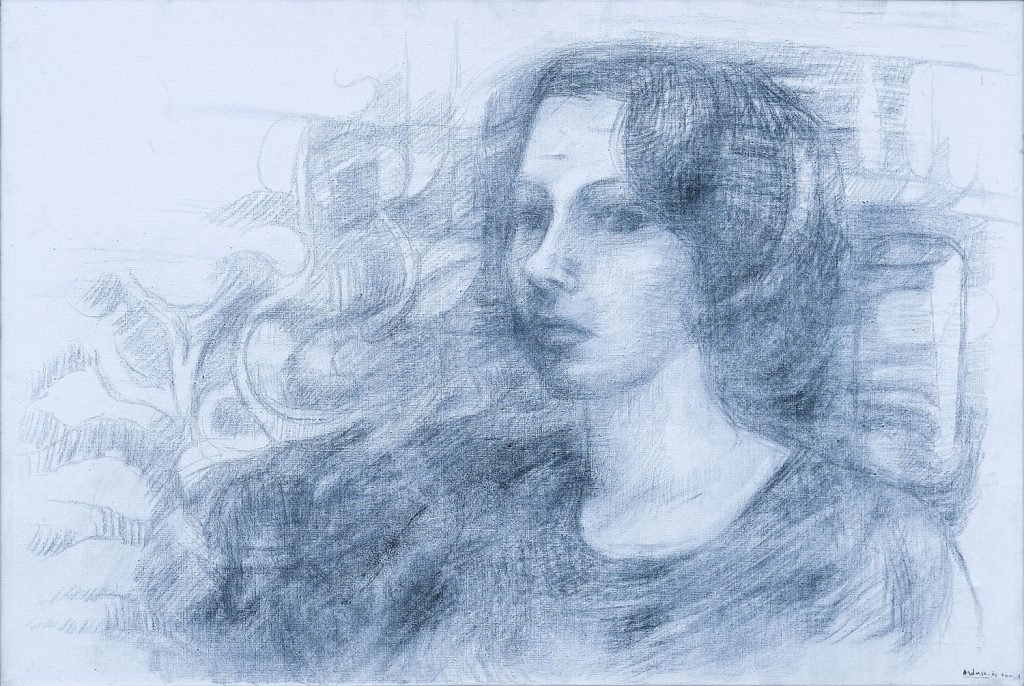
Ardash Kakafian
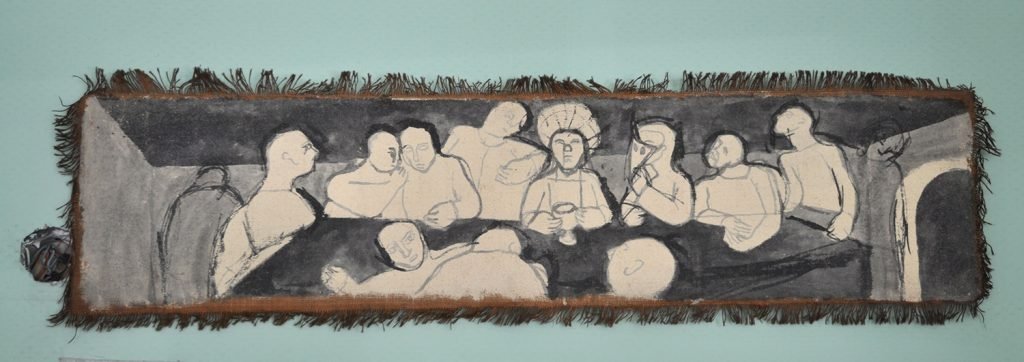
Ardash Kakafian 1982
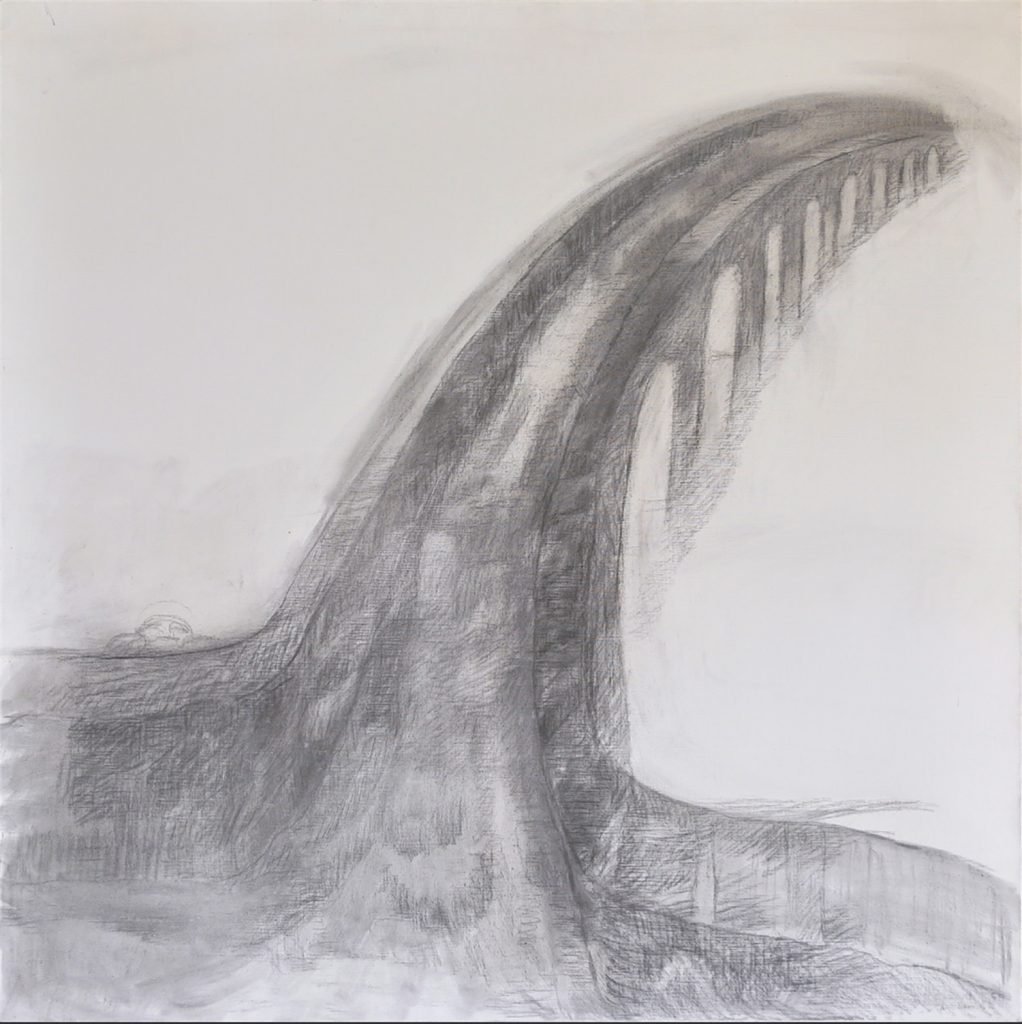
Ardash Kakafian 1982
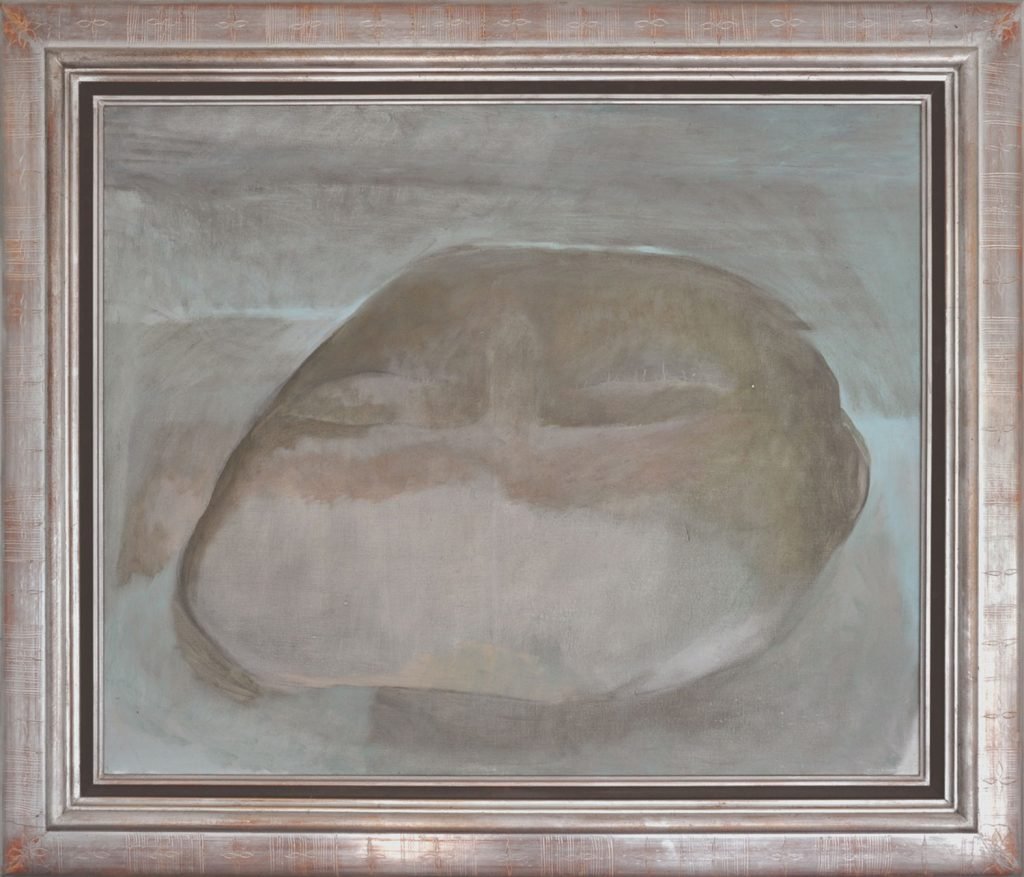
Mohammed Mostafa 1990
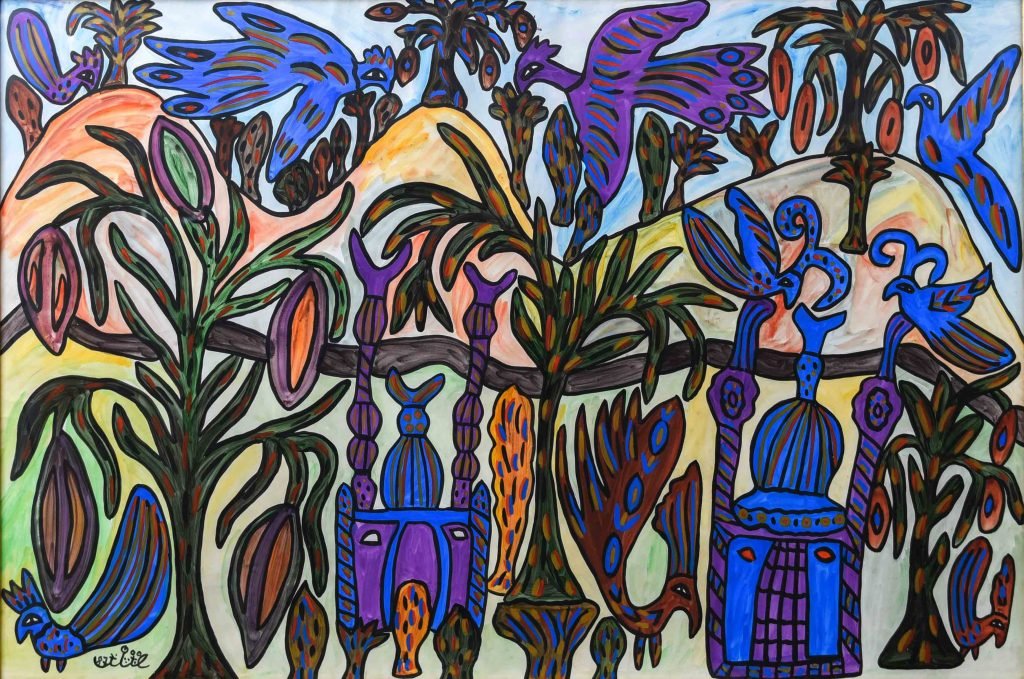
Baya Mahieddine 1987
Youssef Ahmed YA250
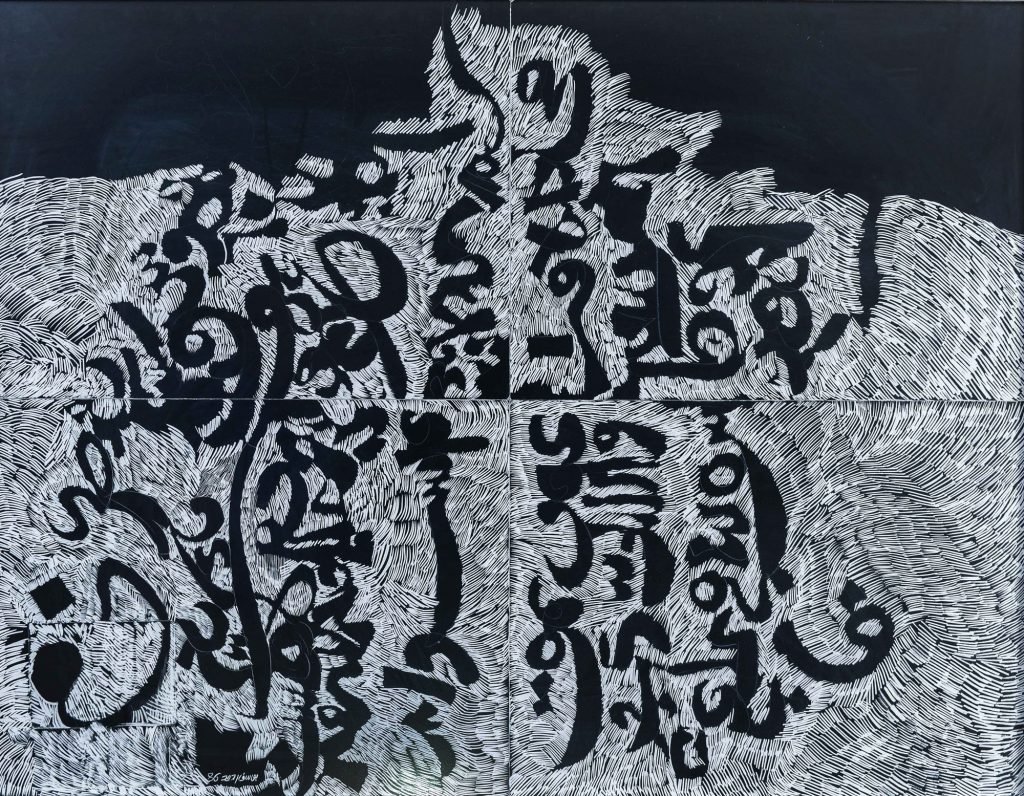
Youssef Ahmed YA250 COLLECTION
Youssef Al-Kattami 1980
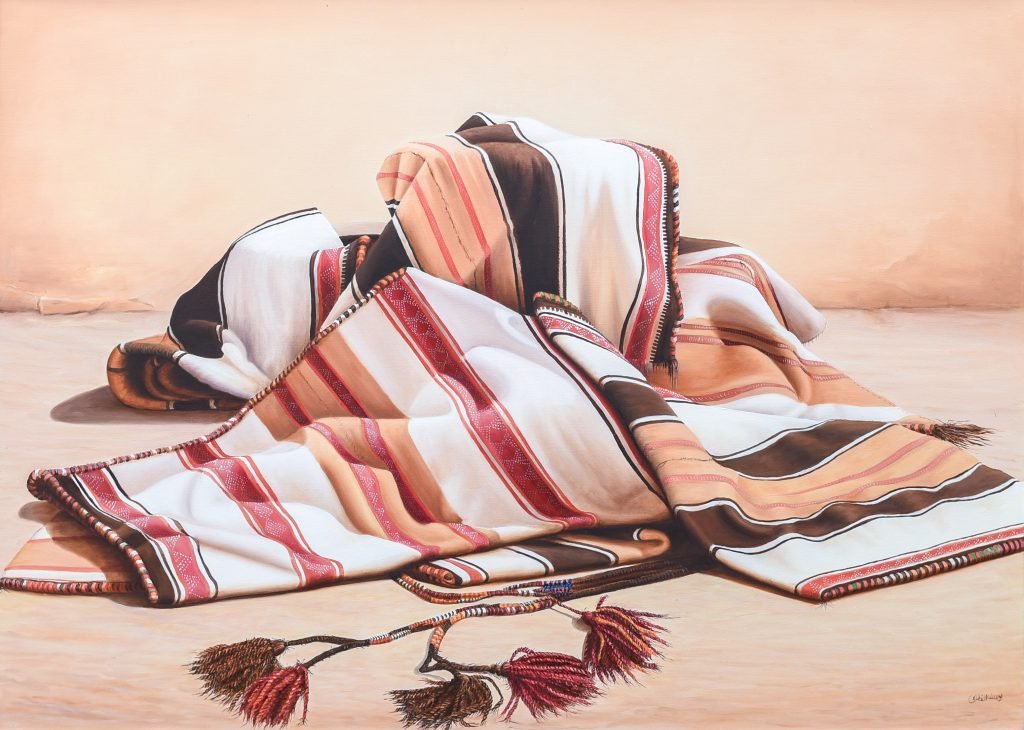
Yaser Kamal Jrab 1993
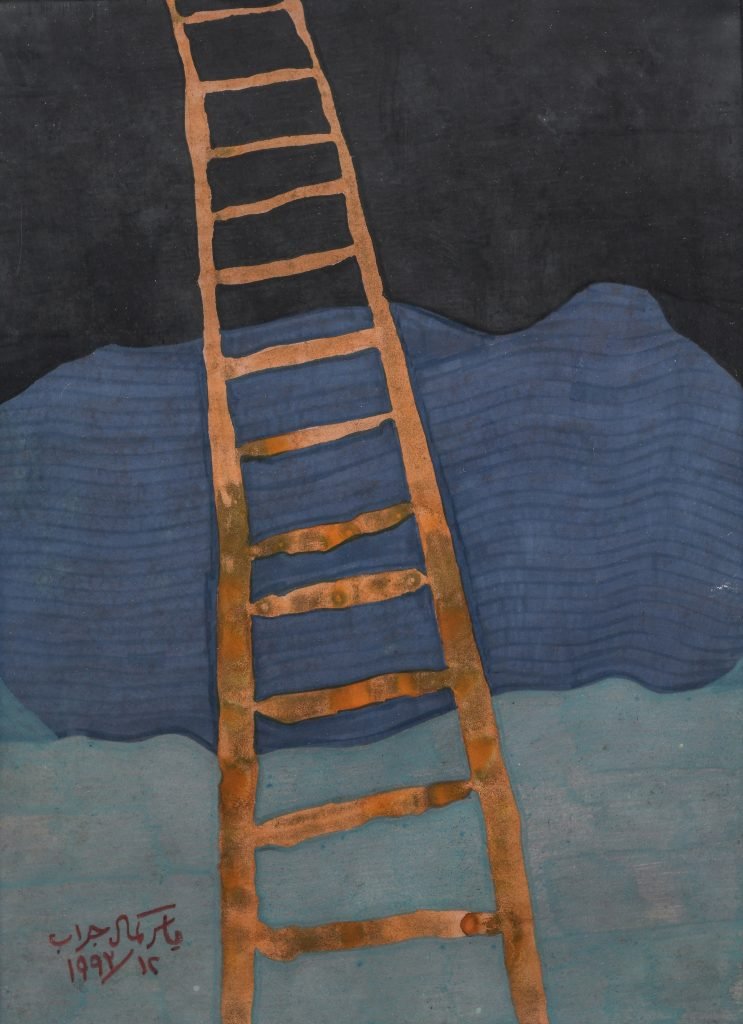
Yaser Kamal Jrab 1993
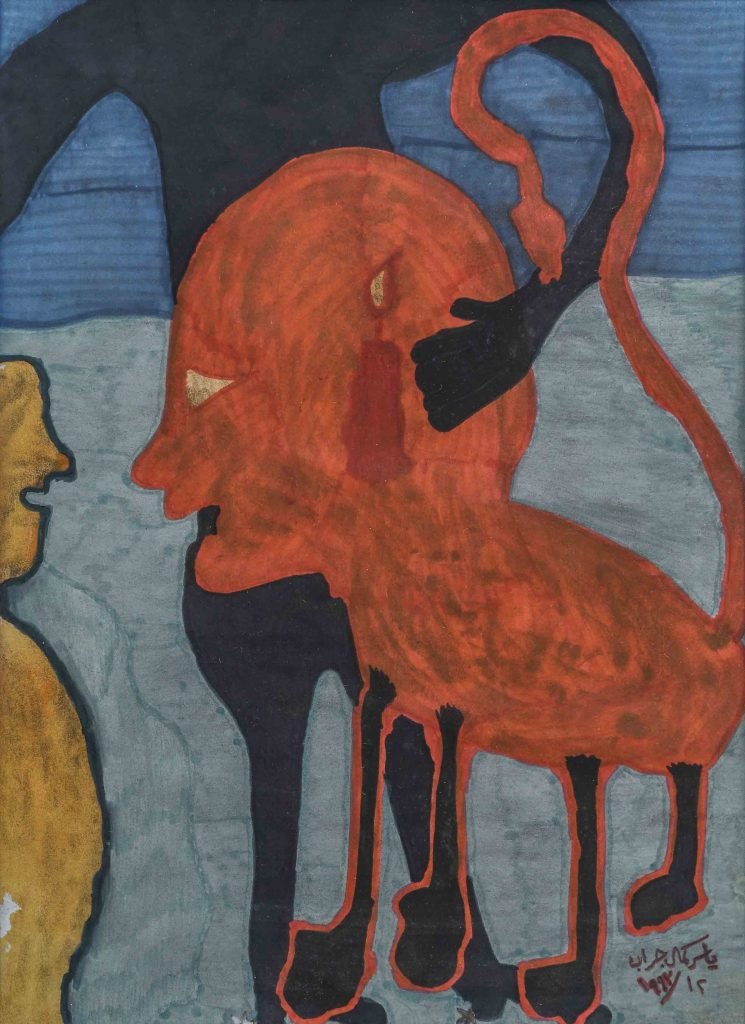
Yaser Kamal Jrab 1982
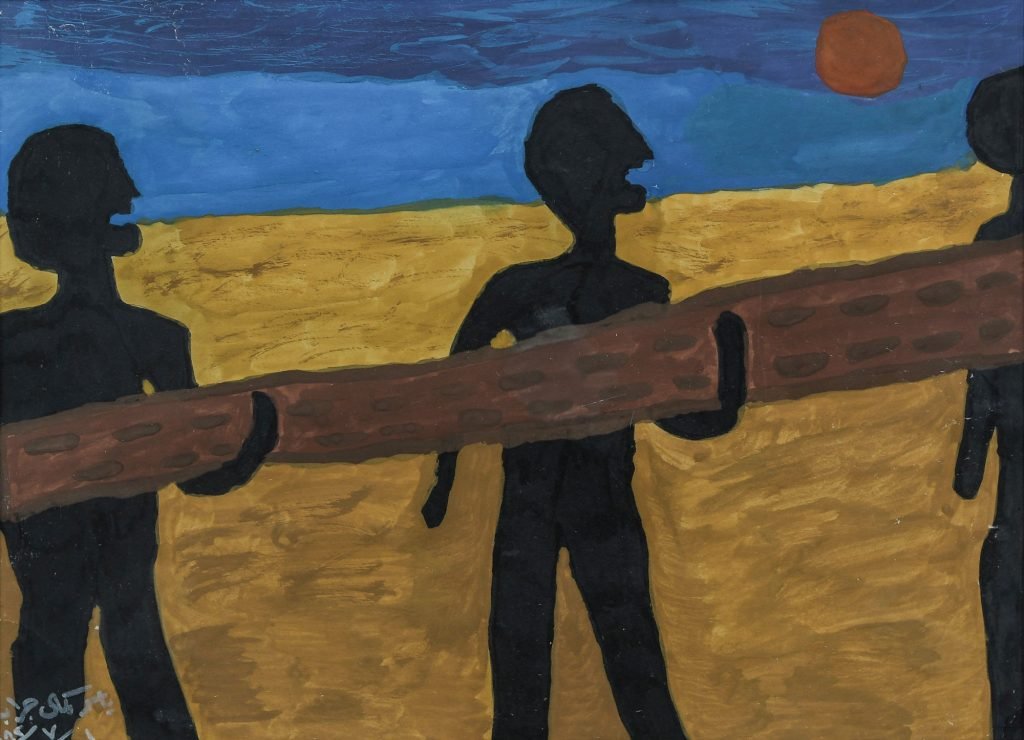
Yaser Kamal Jrab 1993
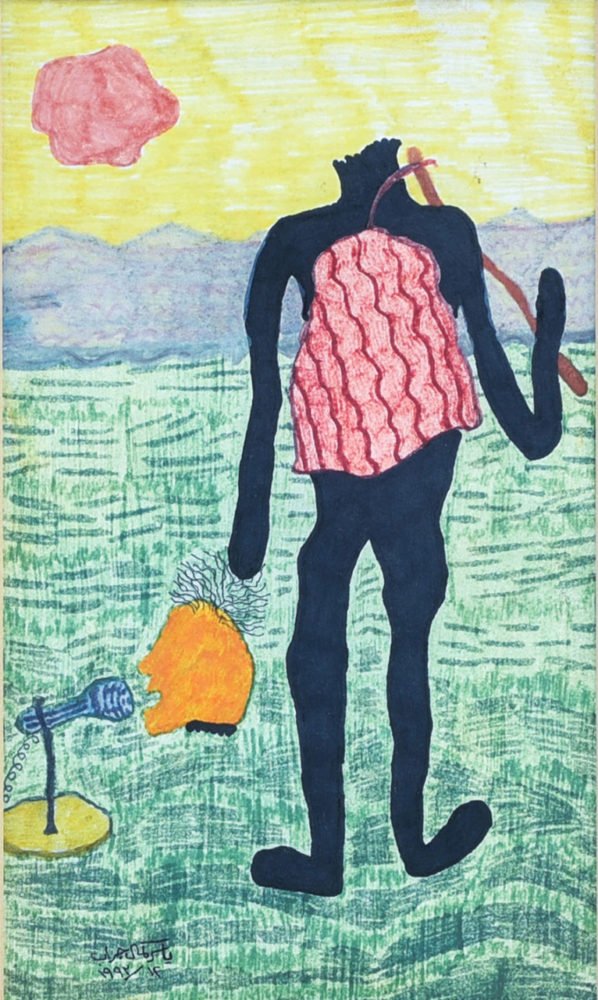
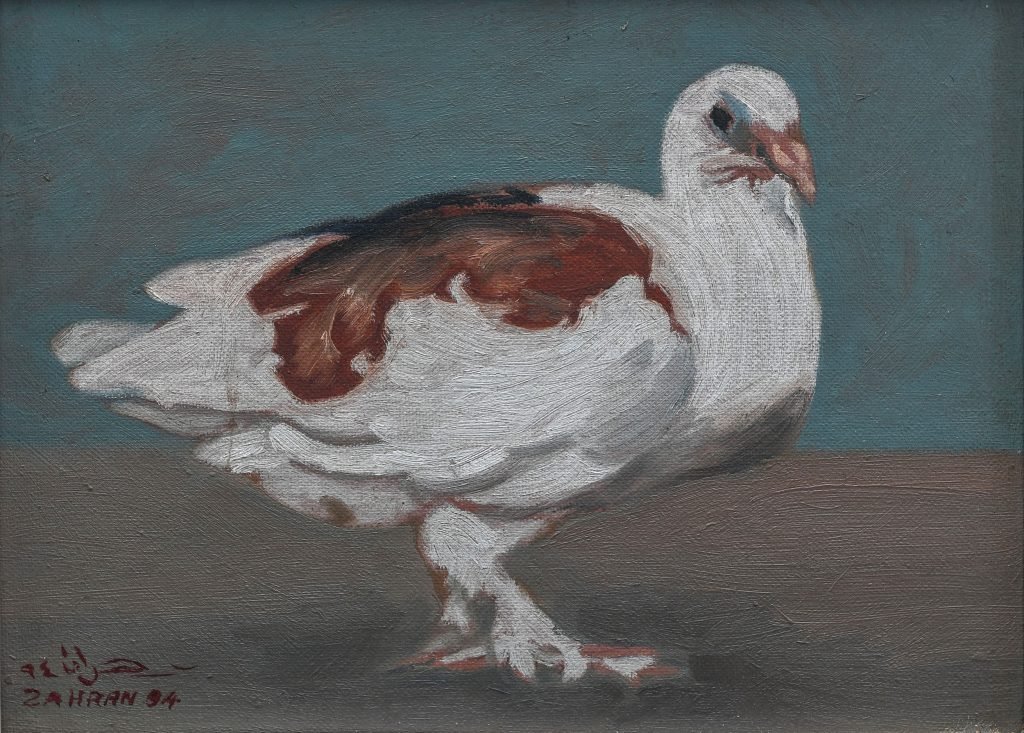
Zahran Salama 1994
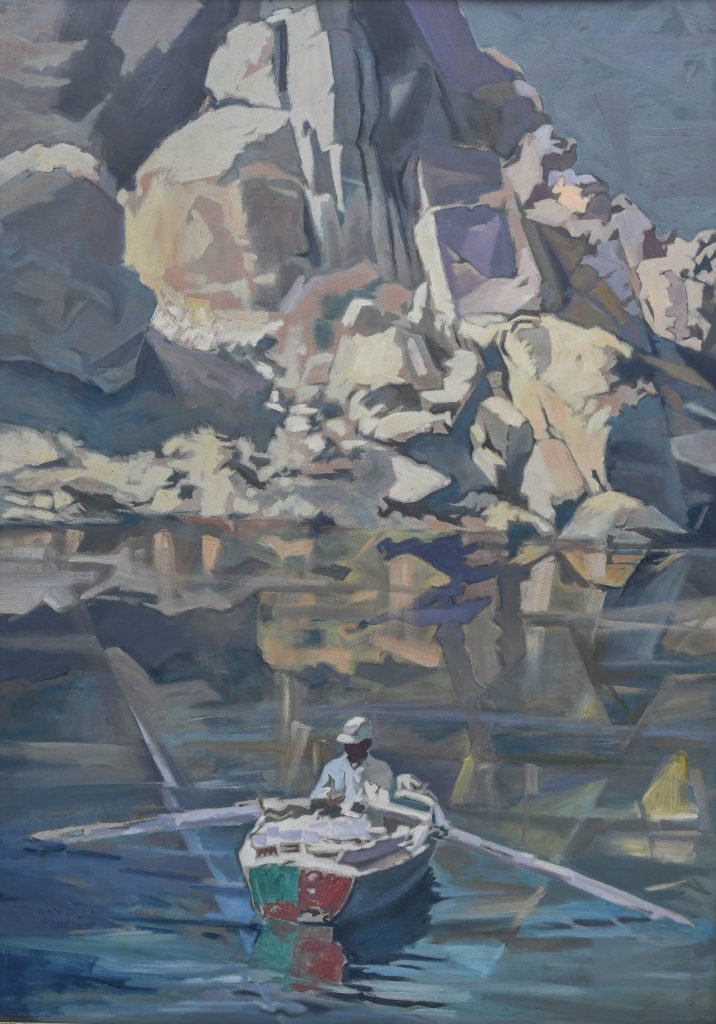
Zahran Salama 1995
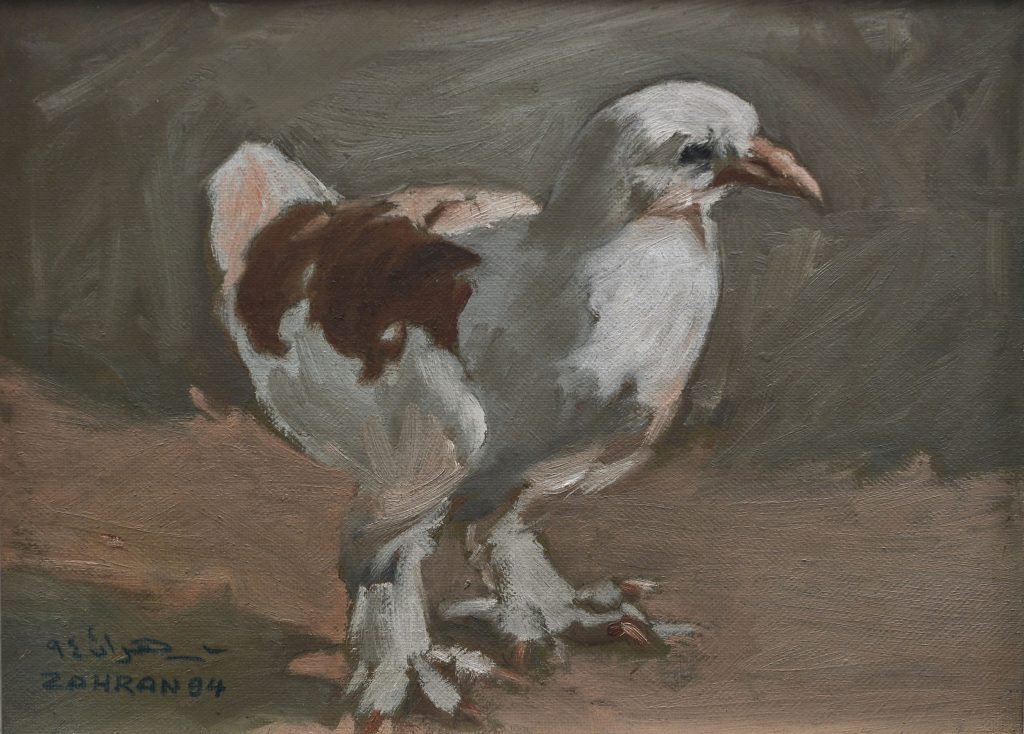
Zahran Salama 1994
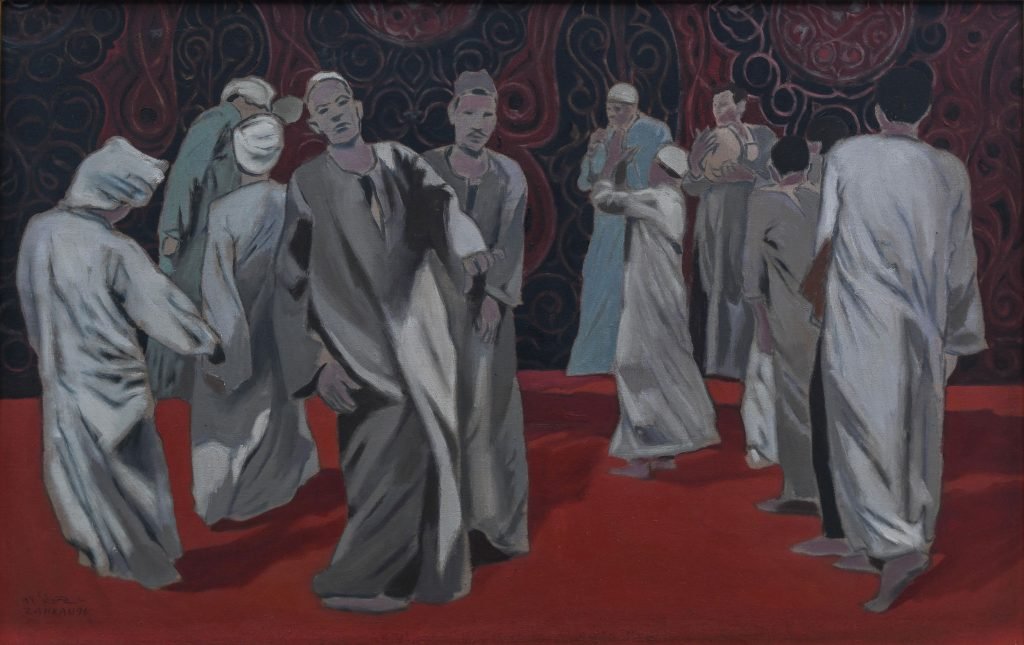
Zahran Salama 1996
Zahran Salama 1988
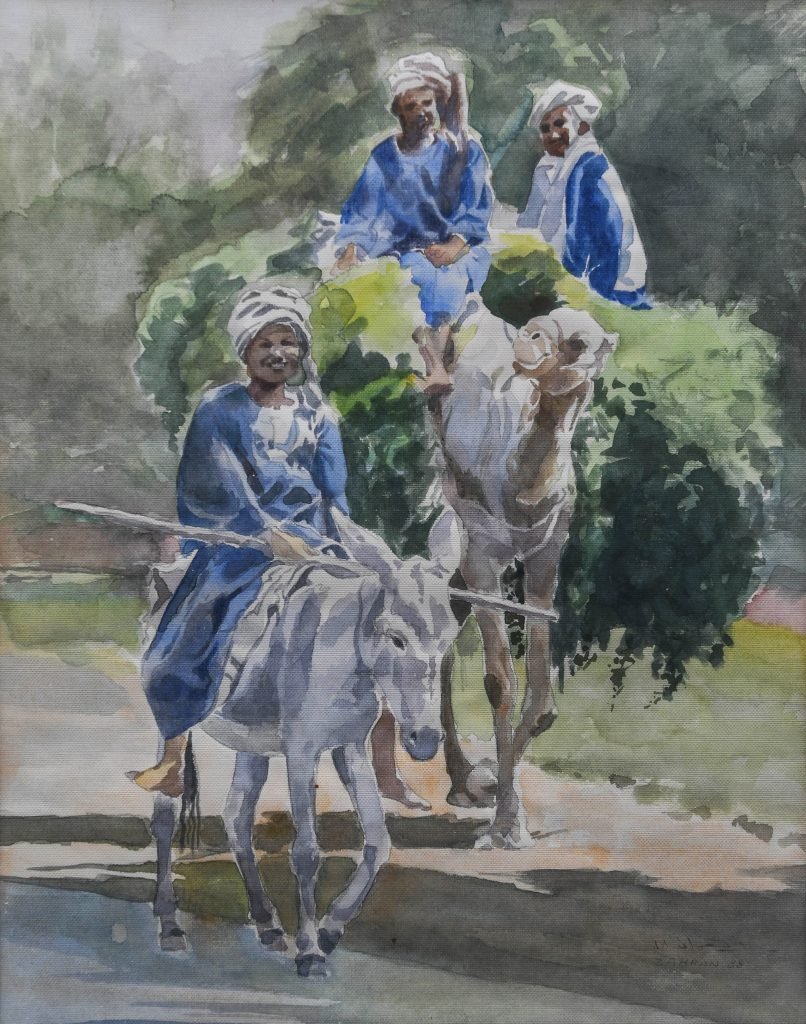
Zahran Salama 1999
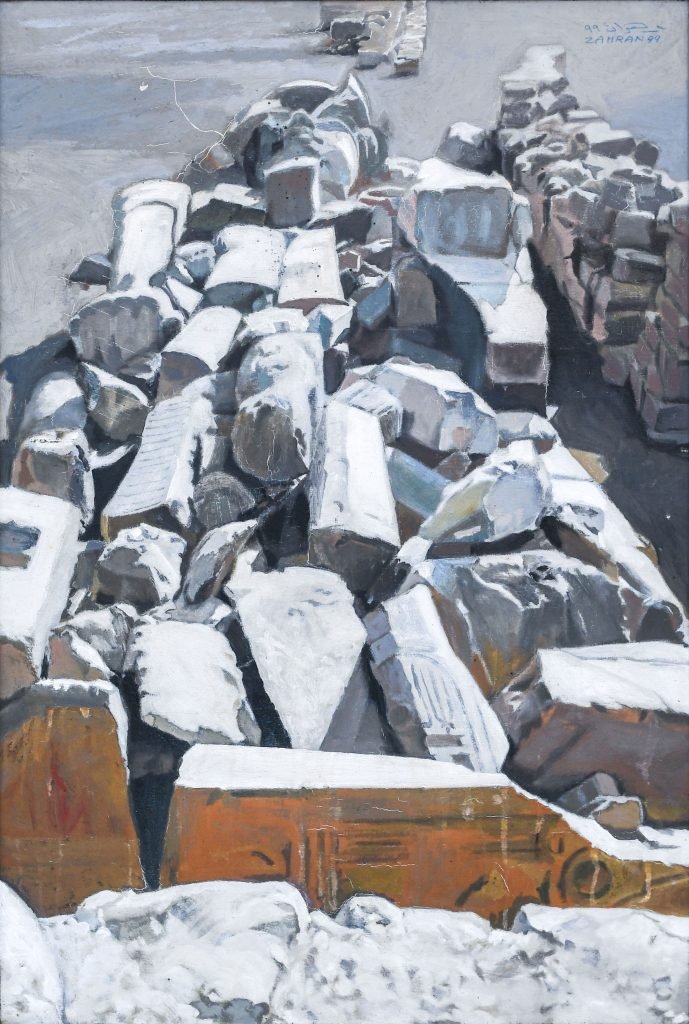
Zahran Salama
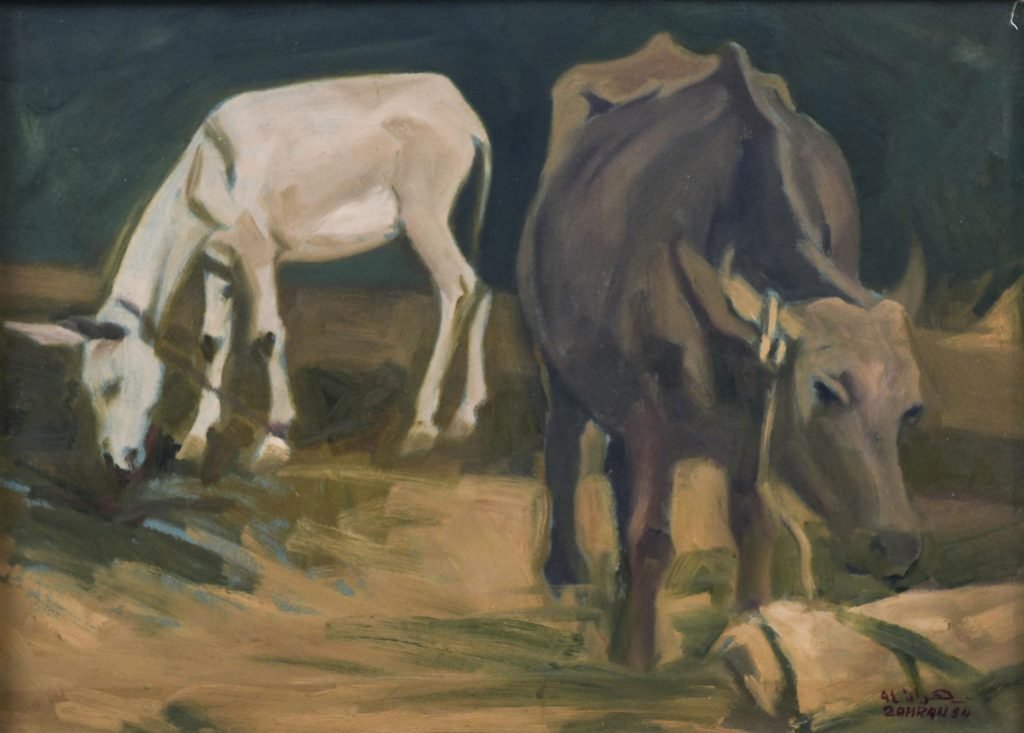
Zahran Salama
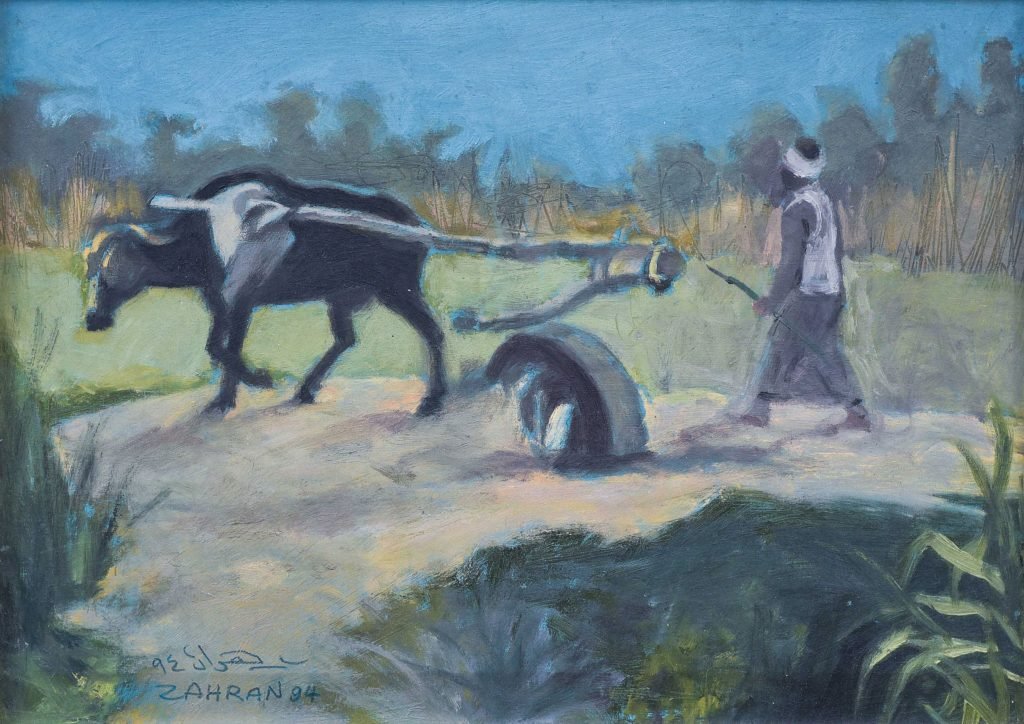
Zahran Salama 1987
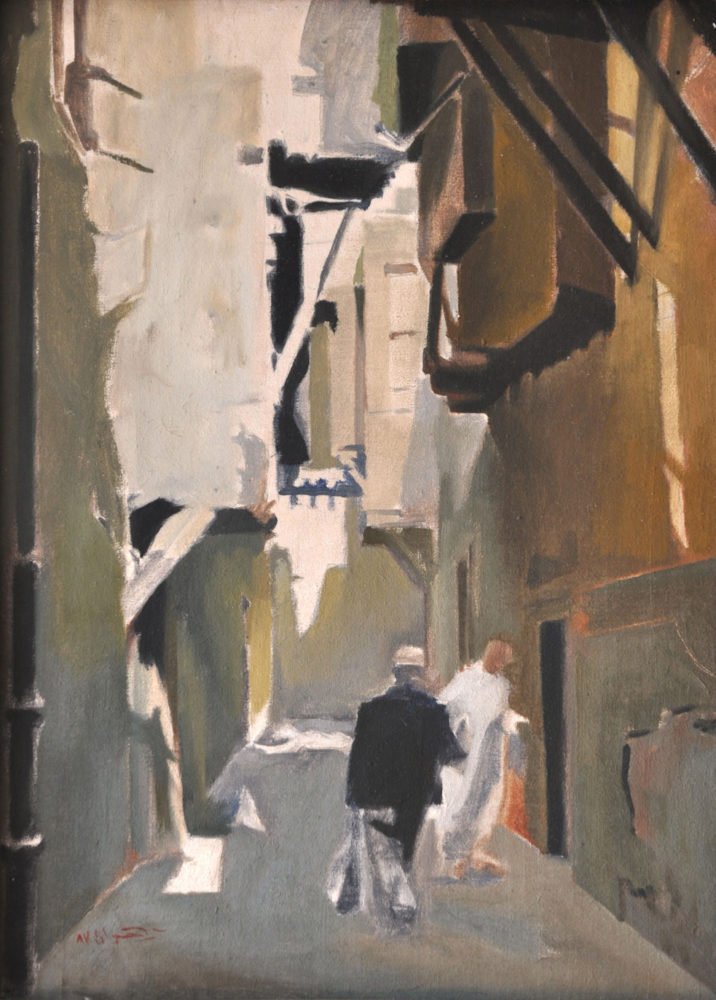
Zahran Salama 1994
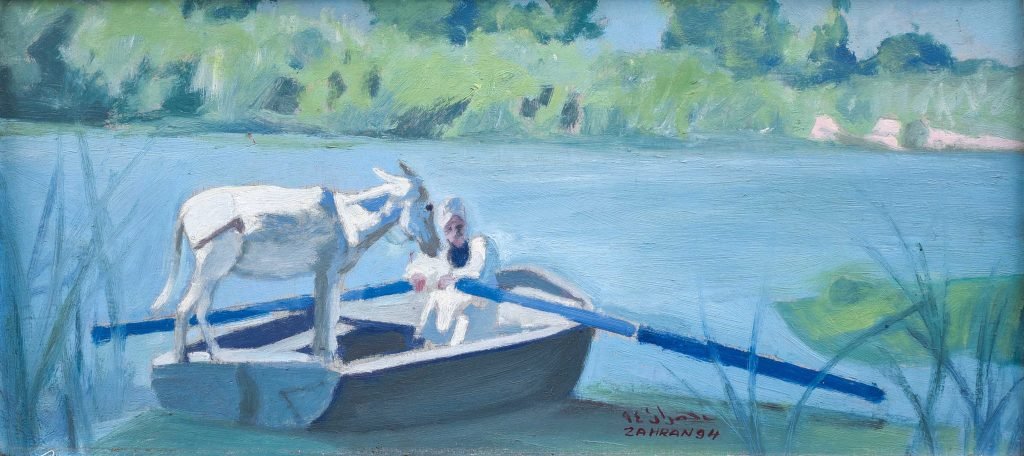
Zahran Salama 1994
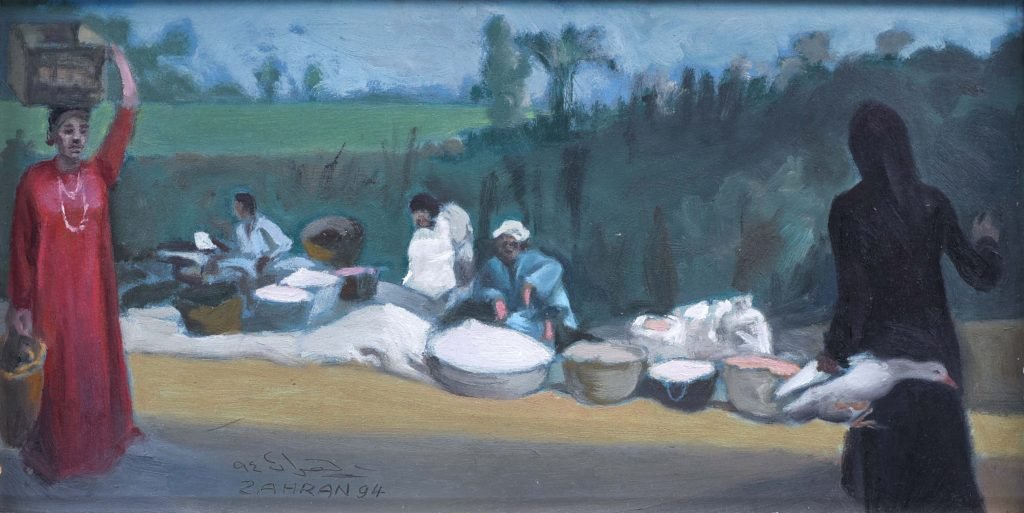
Zahran Salama 1987
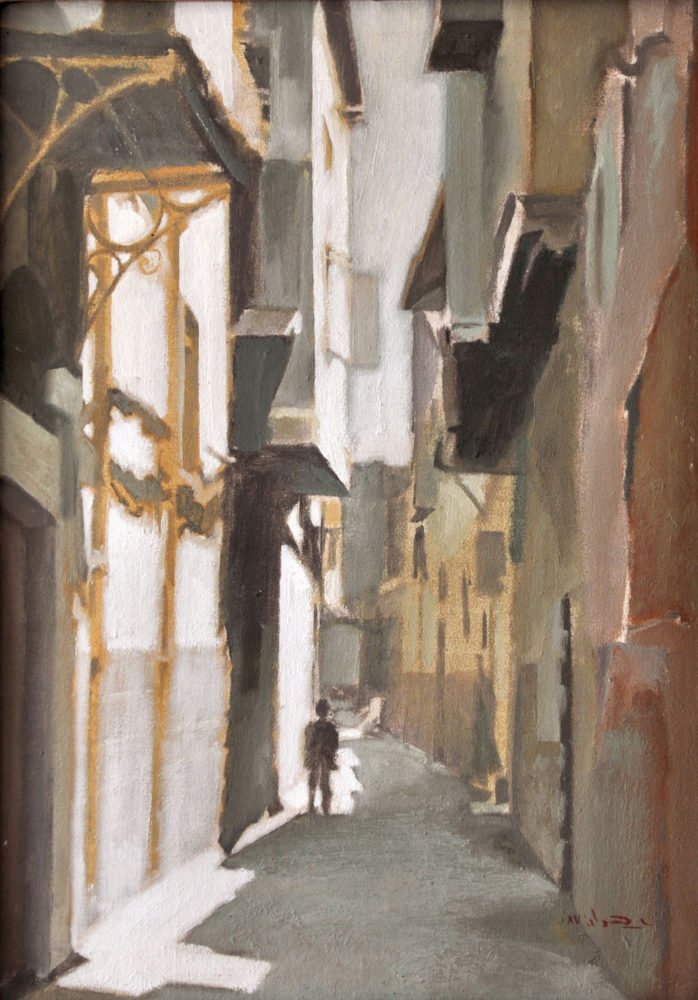
Zahran Salama 1999
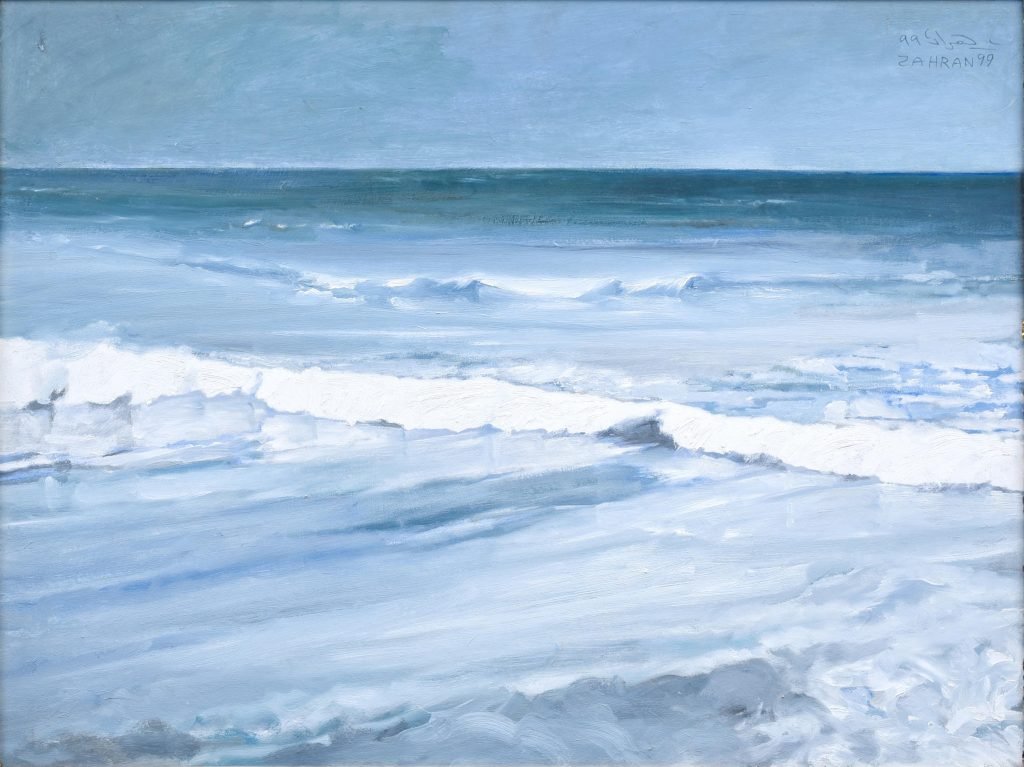
Seif Wanly
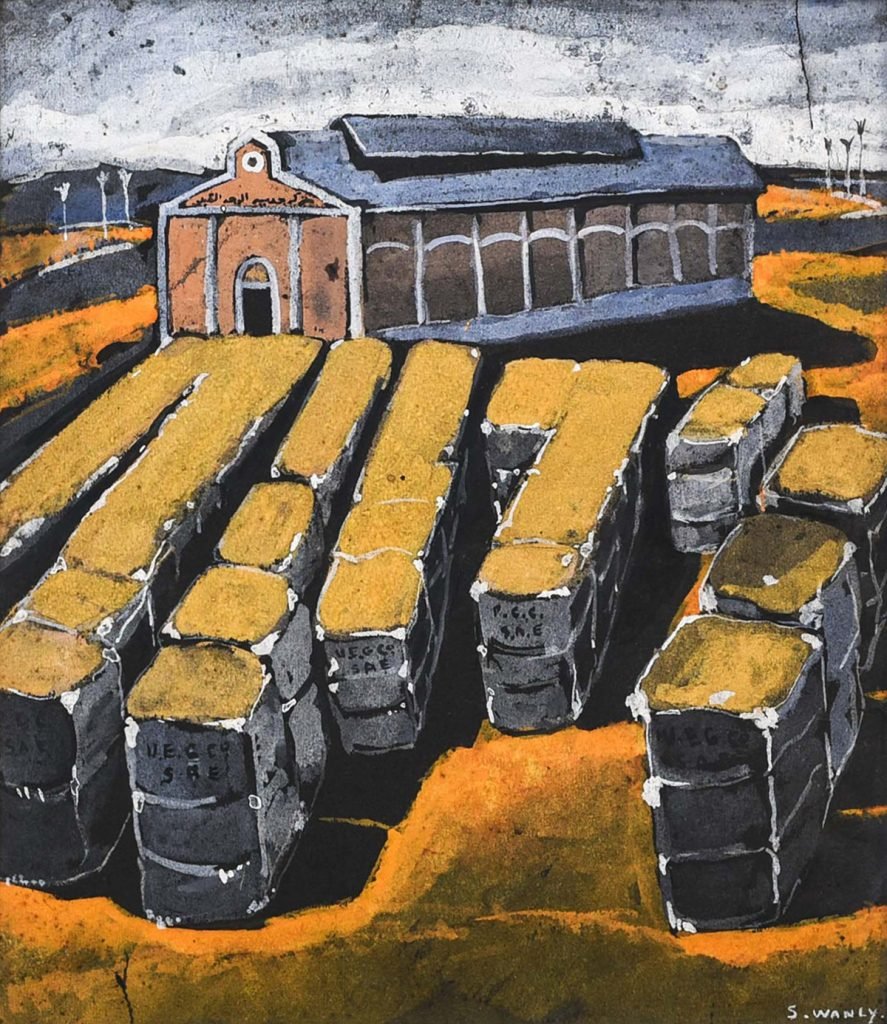
Later in his career, Seif Wanly used larger surfaces of bold colors and exercised greater freedom in his compositions. He painted numerous views of the many landscapes of Egypt and other countries he visited.
Seif Wanly 1950
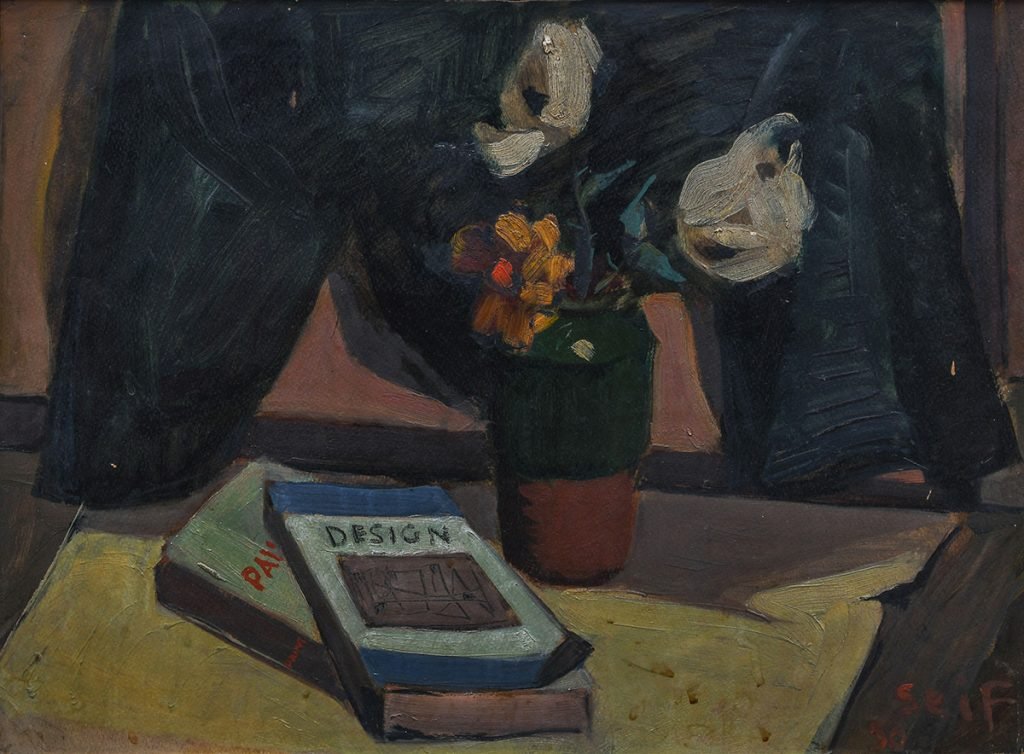
Still-life painting was a big part of Seif Wanly’s oeuvre early in his career. Using bold brush strokes, two books sit on a table in the shadow of a vase of flowers.
Seif Wanly 1979
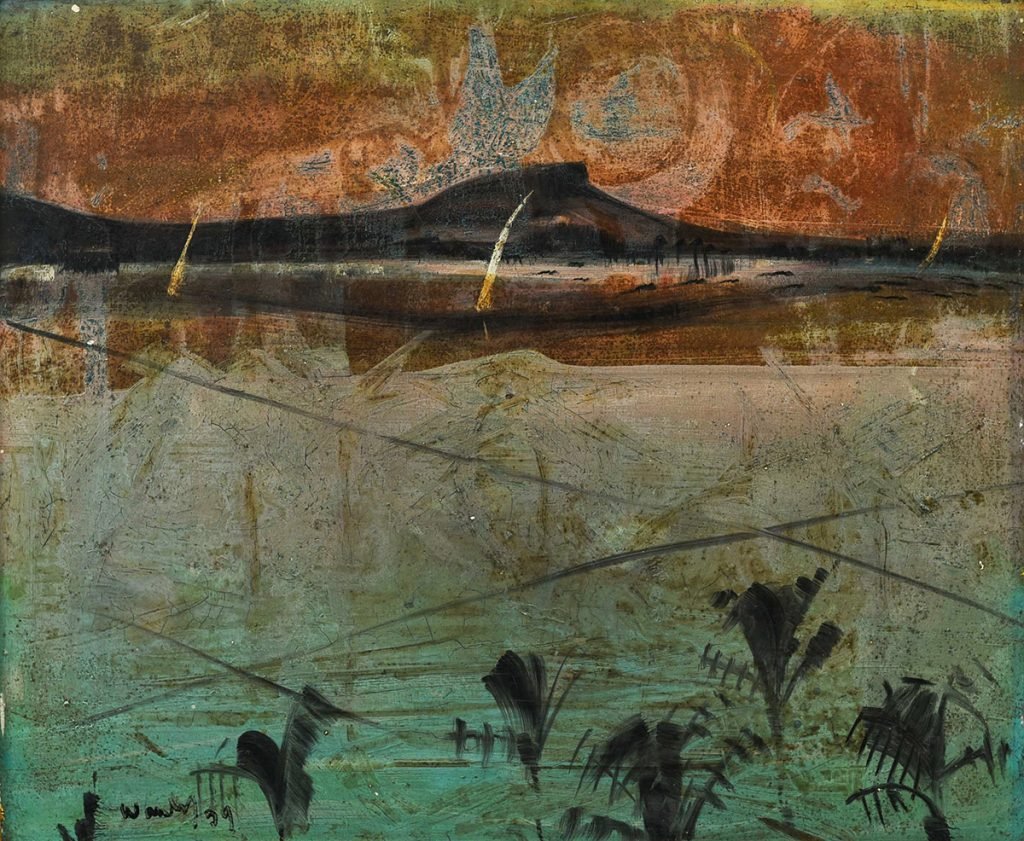
A Seif Wanly landscape painting with qualities of his early works. He was inspired by the use of the light and gentle strokes of his Italian professor, Ottorino Bicchi.